

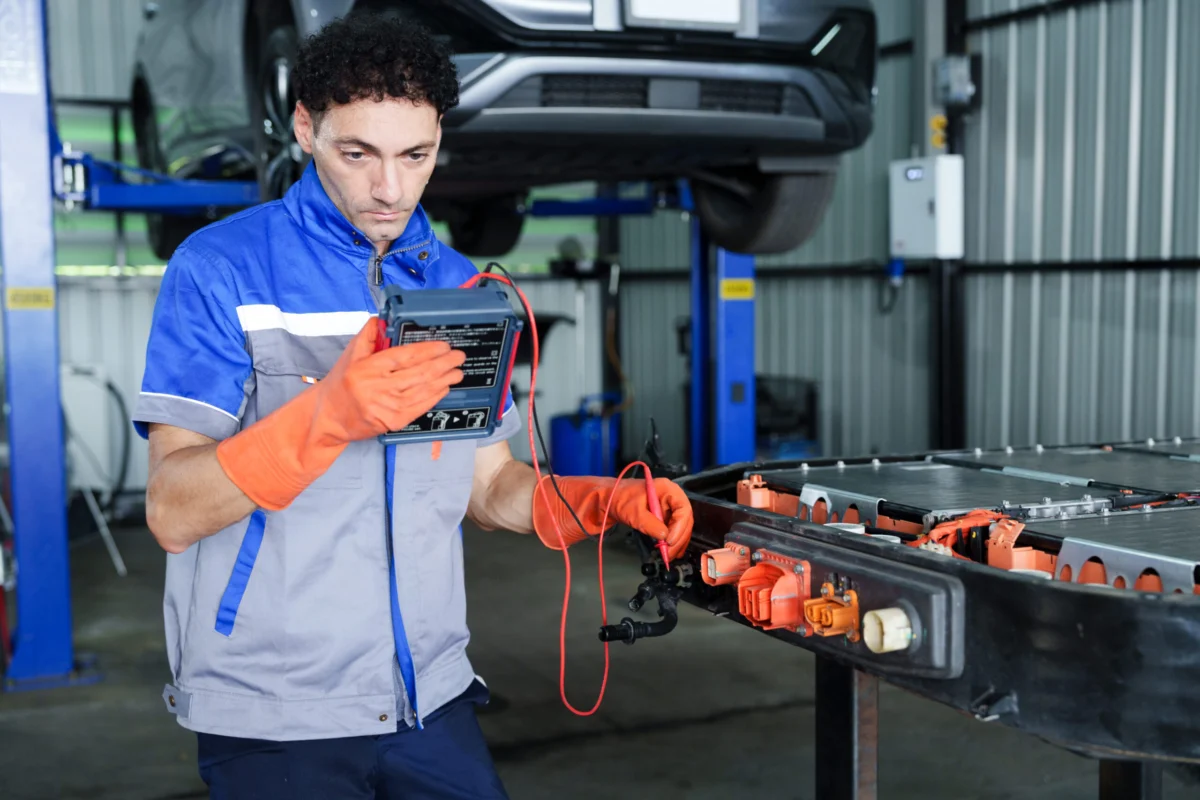
The automotive industry is undergoing a profound transformation, with increasingly sophisticated vehicles equipped with advanced electronics, intricate software systems, and complex sensor arrays becoming the norm. This technological leap, while enhancing safety, efficiency, and driver convenience, is simultaneously creating significant financial pressures for independent auto repair shops and, by extension, consumers. Mechanics across the United States are grappling with the escalating costs of specialized diagnostic equipment, software subscriptions, and ongoing training, expenditures that are inevitably being passed on to vehicle owners, contributing to a substantial rise in overall repair expenses.
The Era of Software-Defined Vehicles
Gone are the days when a mechanic primarily relied on wrenches and a keen ear to diagnose and fix automotive problems. Modern vehicles are essentially computers on wheels, integrating hundreds of microprocessors and miles of wiring to manage everything from engine performance and transmission shifts to infotainment and advanced driver-assistance systems (ADAS). These sophisticated architectures demand a new paradigm for maintenance and repair. As Ralph Czeisler, owner of Emil’s All-Tire in Brooklyn’s Gravesend neighborhood, succinctly puts it, the rapid pace of technological evolution necessitates constant investment. "Every year, I update all my computers," Czeisler explains, highlighting the need for multiple dedicated diagnostic systems catering to domestic, Asian, and European car brands. "It’s very costly. Every year they make changes, and it costs more money and more money. And it’s getting very challenging."
This sentiment is echoed by Greg Brannon, director of automotive engineering at AAA, who notes that the repairs of these vehicles are now so sophisticated they almost always require a laptop – often one dedicated to a specific vehicle brand. Beyond the hardware, shops must maintain costly subscriptions to proprietary software and data services to access vehicle information, perform diagnostics, and execute repairs. These recurring costs, which can range from short-term hourly access to annual licenses, pose a significant hurdle, particularly for smaller, independent establishments striving to service a diverse range of makes and models. Brannon observes that "it has become increasingly financially difficult for independent shops to be able to service all makes and models." The cumulative effect of these rising operational expenses means that independent shops, a cornerstone of vehicle maintenance for decades, are increasingly struggling to remain competitive without transferring a substantial portion of these new costs to their clientele.
Escalating Costs for the End Consumer
The financial burden on repair shops directly translates into higher bills for car owners. According to recent data from the St. Louis Federal Reserve, overall auto repair costs have surged by approximately 60% from January 2019 to August 2026. This increase dramatically outpaces the 32% rise in overall inflation recorded over the same period, indicating that technological advancements are a primary driver behind these escalating prices, rather than general economic factors alone. Czeisler candidly states that "The consumer is getting the shaft at the end of the day because they’re getting offset by the monetary cost as well."
While the St. Louis Fed data provides the macro trend, specific research sheds light on the direct impact of high-tech components. A comprehensive 2023 study by AAA revealed that calibrating advanced driver-assistance systems (ADAS) alone can inflate the cost of a collision repair by a staggering 37.6%. This figure underscores how integral and expensive these new technologies are to modern vehicle repair. What was once a relatively straightforward mechanical fix now involves intricate electronic procedures.
Consider the seemingly simple act of replacing a cracked windshield. In older vehicles, this procedure involved removing the damaged glass and installing a new one. Today, however, windshields often house critical ADAS components, such as cameras and sensors that support features like lane-keeping assist, automatic emergency braking, and adaptive cruise control. As Ariella Czeisler, Ralph’s daughter and a colleague in the shop, explains, replacing the windshield now mandates recalibrating the camera positioned behind it. "The camera behind the windshield is one of at least a few on a vehicle, depending on the model," she notes, emphasizing the complexity.
The equipment required for such calibration is a significant capital investment. An invoice provided by Emil’s All-Tire to CNBC detailed a single calibration machine costing approximately $28,000, with its necessary accompanying computer adding another $12,000. A comprehensive calibration array, capable of handling various vehicle models and their specific ADAS configurations, can command an investment of up to $90,000. Furthermore, specialized target boards, uniquely designed to calibrate specific cameras for different premium brands, can cost hundreds or even thousands of dollars each. The stakes are high; failing to calibrate these systems correctly can have severe safety implications. "God forbid we don’t calibrate the windshield and that camera is malfunctioning," Ariella Czeisler warns. "The car can brake unexpectedly and cause an incident from the rear. We don’t want to be liable for that." This legal liability further compels shops to invest in the correct, albeit expensive, tools and procedures.
The Rise of Advanced Driver-Assistance Systems (ADAS)
ADAS encompasses a suite of electronic systems designed to assist drivers in various driving tasks and enhance safety. These systems utilize an array of sensors, cameras, radar, and lidar to perceive the vehicle’s surroundings and react accordingly. Common ADAS features include:

- Automatic Emergency Braking (AEB): Detects potential frontal collisions and applies brakes autonomously.
- Lane-Keeping Assist (LKA) / Lane Departure Warning (LDW): Helps keep the vehicle within its lane or warns the driver if it drifts.
- Adaptive Cruise Control (ACC): Automatically adjusts vehicle speed to maintain a safe distance from the car ahead.
- Blind Spot Monitoring (BSM): Warns drivers of vehicles in their blind spots.
- Rear Cross-Traffic Alert (RCTA): Alerts drivers to approaching vehicles when backing out of a parking space.
The proliferation of ADAS is driven by consumer demand for safety and convenience, as well as regulatory pressures. However, the integration of these complex systems means that even minor repairs or replacements of body parts (like bumpers, grilles, or windshields) that house these sensors or cameras often necessitate recalibration to ensure their precise functionality. A fraction of a degree off in alignment can lead to system malfunction, potentially jeopardizing safety. This precision work requires not only specialized equipment but also highly trained technicians, adding another layer of cost and complexity.
The "Right to Repair" Movement: Advocating for Accessibility
In response to the growing proprietary nature of technology across various sectors, from consumer electronics to agricultural machinery and, notably, automobiles, a "right to repair" movement has gained considerable momentum. This broad initiative advocates for consumers and independent repair shops to have unfettered access to the diagnostic tools, replacement parts, service manuals, and software information necessary to repair their own devices and vehicles. Proponents argue that restricting access creates monopolies for manufacturers and authorized dealerships, stifles competition, inflates repair costs, and leads to premature product obsolescence.
Lawmakers at both state and federal levels have explored various legislative avenues to support these goals, with varying degrees of success. In the automotive sector, a series of agreements between major trade groups representing automakers and auto mechanics have been forged since 2014. These accords were designed to ensure that independent repair shops possess access to the same diagnostic data, service information, and tools available to larger dealerships.
AAA’s Brannon acknowledges that, "Generally the information is available to repair shops, both dealer and independent necessary to repair vehicles." However, he quickly adds that "there can be exceptions," and the primary issues reported to a dedicated task force, which allows shops to report problems to automakers, revolve around the costs and complexity associated with accessing this data. Ralph Czeisler concurs, stating that his main frustrations often stem from the high cost and bureaucratic hassle involved in obtaining information or upgrading his computer systems to remain current with vehicle updates.
The impact of this technological shift is evident even in routine maintenance. Czeisler recounts a seemingly simple task like an oil change that now requires a computer to reset the oil change indicator light on some vehicles. For a luxury vehicle where an oil change might cost $400, the additional charge for accessing the necessary software to reset the light can be another $75. "You can’t just go and reset it," he laments. "You have to pay for information to download to your computer, to upload to the customer’s computer to reset the light. Otherwise it’s never going to reset and that costs more money. And the result? I pay more money. The consumer pays more money. It’s not fair. But this is how the industry practice has gone." This example starkly illustrates how deeply embedded software has become, transforming even the most basic service into a digitally dependent and more expensive procedure.
Broader Economic Implications and the Future of Auto Repair
The escalating costs of auto repair have far-reaching economic and social implications. For consumers, it contributes to the overall cost of vehicle ownership, potentially influencing decisions on whether to repair an older car or invest in a newer one. This can disproportionately affect lower-income households who rely on older, less expensive vehicles but are then hit with high repair bills. It also raises questions about vehicle longevity and sustainability; if repairs become prohibitively expensive, it could lead to vehicles being prematurely scrapped, increasing waste and resource consumption.
For independent repair shops, the challenges are existential. The significant capital outlay for equipment, coupled with ongoing software and training costs, makes it increasingly difficult for smaller businesses to compete with larger dealership service centers that benefit from economies of scale and direct manufacturer support. This could lead to consolidation in the repair industry, reducing consumer choice and potentially driving up prices further. The specialized skills required also highlight a growing technician shortage, as fewer individuals are equipped or trained to handle the complex electronics of modern cars, creating a skills gap that needs urgent addressing through vocational training and educational programs.
Automakers, on the other hand, argue that proprietary access to diagnostic tools and software is crucial for protecting intellectual property, ensuring vehicle safety, and maintaining brand integrity. They invest billions in research and development for these advanced systems and often view their diagnostic tools as an extension of their product. However, consumer advocacy groups and "right to repair" proponents contend that this stance creates an anti-competitive environment and limits consumer autonomy.
Looking ahead, the debate surrounding the "right to repair" will likely intensify as vehicles become even more integrated with technology, including the advent of electric vehicles (EVs) which introduce new layers of complexity related to high-voltage batteries and specialized powertrains. Solutions may involve stronger legislative mandates for data and tool access, the development of universal diagnostic platforms, or innovative business models for independent shops, perhaps specializing in certain makes or types of ADAS repairs. The ongoing evolution of automotive technology demands a collaborative approach to ensure that safety and innovation are balanced with accessibility and affordability for all stakeholders in the vehicle ownership ecosystem. The path forward will undoubtedly involve navigating complex technical, economic, and legal landscapes to ensure that the convenience and safety offered by high-tech vehicles do not come at an unsustainable cost to the average consumer or the independent repair industry.
