

The domestic homebuilding industry is currently navigating a complex landscape defined by fluctuating mortgage rates, persistent inventory shortages, and shifting consumer preferences. While many of the nation’s largest residential developers are reporting a steady erosion of gross margins—with figures often sliding from the low 20s toward the mid-teens—Green Brick Partners (NYSE: GRBK) has emerged as a significant outlier. In its second-quarter earnings report, the Texas-based builder revealed a gross profit margin of 29.8%, a figure that not only leads the industry but also represents a dramatic 900 basis point increase from the previous quarter. This performance is the result of a deliberate, contrarian business model that prioritizes land ownership and entry-level "spec" housing at a time when many competitors are retreating toward asset-light strategies and higher-priced move-up products.
A Contrarian Philosophy: The Case for Land Ownership
The most striking differentiator for Green Brick Partners is its approach to land acquisition and development. Over the past decade, the prevailing trend among major homebuilders has been the adoption of a "land-light" model. Under this strategy, companies use options and land-banking arrangements to control lots without actually owning them, thereby keeping the assets off their balance sheets and improving return on equity (ROE). However, this flexibility comes at a cost, often in the form of high interest rates and fees paid to the land bankers who hold the property.
Green Brick has moved in the opposite direction. The company strategically eschews land banking entirely, choosing instead to own and self-develop the vast majority of its lots. As of the end of the second quarter, 76% of the company’s total lot supply was held directly on its balance sheet. This "land-heavy" approach allows Green Brick to capture the development profit that would otherwise go to a third party and provides total control over the timing of lot deliveries.
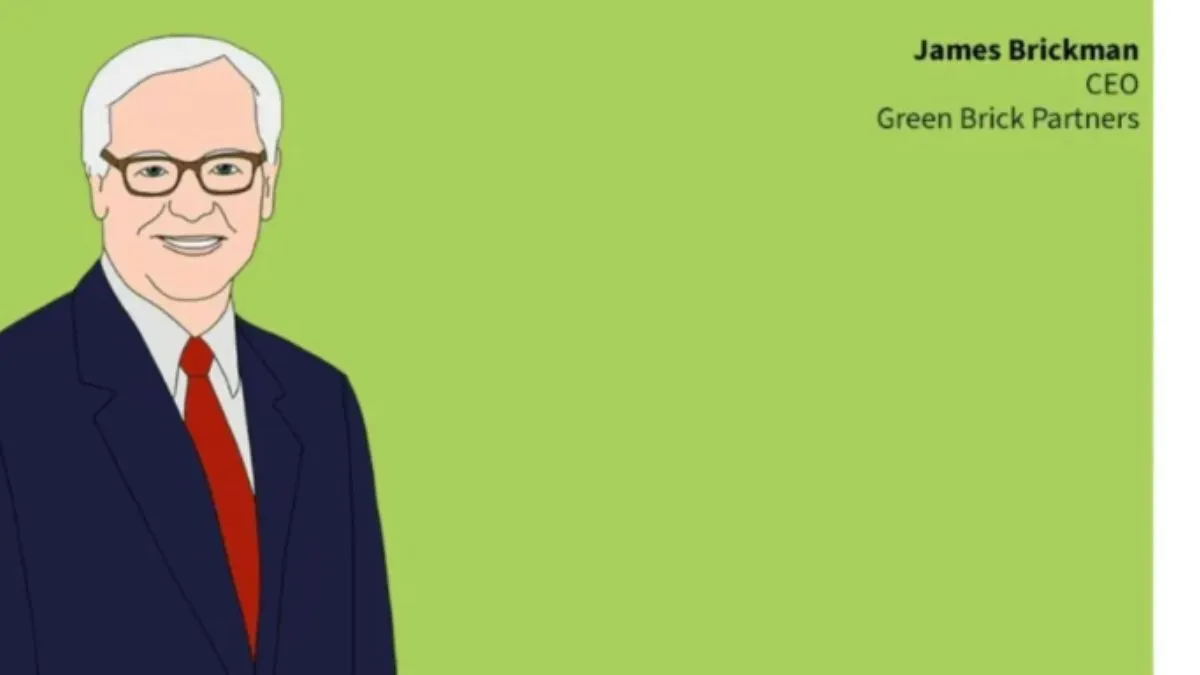
CEO Jim Brickman has been vocal about the risks associated with the industry’s reliance on land banking. During the Q2 earnings call, Brickman noted that high-interest land-banking relationships can distort a builder’s economic leverage and grant external entities indirect control over a builder’s operational timing. By maintaining a portfolio of approximately 52,000 owned and controlled lots, primarily in high-growth markets, Green Brick has insulated itself from the rising costs of land acquisition that are currently squeezing the margins of its peers.
The Financial Impact of Margin Resilience
The 29.8% gross margin achieved in Q2 is particularly noteworthy when compared to the broader industry. For context, Hovnanian Enterprises recently reported a gross profit margin of 14.3%, while KB Home stood at 15.2%. The nearly 1,500 basis point gap between Green Brick and some of its competitors provides the company with what executives describe as "strategic optionality."
This margin cushion acts as a financial shock absorber. In a market where mortgage rates remain volatile, builders are increasingly forced to offer incentives—such as mortgage rate buydowns and price discounts—to maintain sales volume. Green Brick increased its incentives to 9.1% on net new orders in the last quarter, a year-over-year increase of 120 basis points. Despite this, the company’s internal efficiencies and low lot costs allowed it to maintain record-level profitability.
Chief Financial Officer Jeff Cox attributed the sequential margin improvement to several factors. Beyond the land strategy, the company benefited from a decrease in construction costs, specifically in labor and raw materials. Furthermore, the strong execution of the Trophy Signature Homes brand, which has become a primary driver of the company’s sales mix, contributed significantly to the bottom line.
Trophy Signature Homes: Capturing the Entry-Level Market
While many builders are shifting their focus toward "move-up" buyers—those looking for larger, more expensive homes—Green Brick has doubled down on its entry-level brand, Trophy Signature Homes. This subsidiary focuses on "spec-driven" construction, meaning homes are built before a buyer is secured. This allows for a more efficient construction schedule and provides immediate inventory for buyers who are increasingly looking for a quick move-in to lock in mortgage rates.
The results of this pivot have been significant. Trophy Signature Homes represented 44% of the company’s backlog units in Q2, up from 26% just one year prior. The brand now accounts for approximately 60% of Green Brick’s total deliveries. The demand for these homes is driven by their price point, typically ranging from $325,000 to $400,000, which targets the largest segment of the market: first-time homebuyers.

Trophy’s operational efficiency is a cornerstone of Green Brick’s success. In the Dallas-Fort Worth (DFW) market, the brand achieved a record-fast cycle time, reducing average build times from 103 days to just 84 days. This rapid turnover of inventory reduces carrying costs and allows the company to respond more quickly to changes in market demand. In Q2, Trophy Signature Homes sold an average of 6.1 homes per community per month, nearly double the company-wide average of 3.3.
Regional Performance: The Texas Powerhouse vs. Atlanta Softness
Green Brick’s performance is also a tale of two distinct geographic regions. The company’s operations are heavily concentrated in Texas, particularly in Dallas-Fort Worth, Austin, and Houston. These markets continue to benefit from robust job growth and a steady influx of residents from higher-cost states.
In DFW, Trophy Signature Homes has ascended to become the third-largest builder, leveraging the company’s extensive land holdings to create affordable, master-planned communities. These communities often feature high-end amenities, such as multimillion-dollar recreation centers and pools, which Green Brick is able to fund by spreading the cost across a large volume of lots.
However, the company’s operations in Atlanta present a different set of challenges. Unlike its Texas portfolio, Green Brick’s Atlanta brand, The Providence Group, focuses on the move-up segment with an average selling price (ASP) of approximately $700,000. Executives admitted that this segment of the market has been "tougher" as higher interest rates have a more pronounced impact on buyers at this price point. While Texas remains the "locus of strength" for the company, the softness in Atlanta highlights the current sensitivity of the $600,000+ market to broader economic conditions.
Strategic Outlook and Market Implications
The success of Green Brick’s model suggests a potential shift in how investors view homebuilding stocks. For years, the market has rewarded the "land-light" model for its perceived lower risk and higher ROE. However, Green Brick’s ability to generate nearly 30% margins through direct ownership challenges the notion that land banking is the only path to success.
The company’s deep inventory of "A" sites—well-located properties in high-demand areas—provides a long-term runway for growth. By focusing on quality over quantity and maintaining a disciplined approach to land acquisition, Green Brick has positioned itself to be a "price maker" rather than a "price taker" in its core markets.
Looking ahead, the company expects limited pressure from rising land costs because it does not carry significant capitalized interest in its inventory. This lack of "hidden costs" allows for more transparent financial reporting and a more stable outlook for future margins. As Jed Dolson, the newly named co-CEO, noted, the company’s pricing decisions remain grounded in expected returns rather than a desperate need to maintain volume.
Conclusion: A Blueprint for the Future?
Green Brick Partners’ second-quarter results serve as a case study in the power of specialized, regional expertise combined with a disciplined capital allocation strategy. By identifying the entry-level market as the area of highest demand and securing the land necessary to serve that market affordably, the company has insulated itself from the margin compression affecting much of the industry.
While the broader housing market continues to grapple with the "lock-in effect"—where homeowners with low-interest mortgages are reluctant to sell—new homebuilders like Green Brick are filling the void. Their ability to offer newly constructed, energy-efficient homes at price points that rival existing inventory, while still maintaining industry-leading profitability, suggests that the "Green Brick way" may become a more widely studied model if current economic trends persist. For now, the company remains focused on expanding its Trophy Signature Homes brand deeper into Houston and Austin, betting that the appetite for affordable, high-quality housing in Texas will remain the primary engine of its growth for years to come.
