

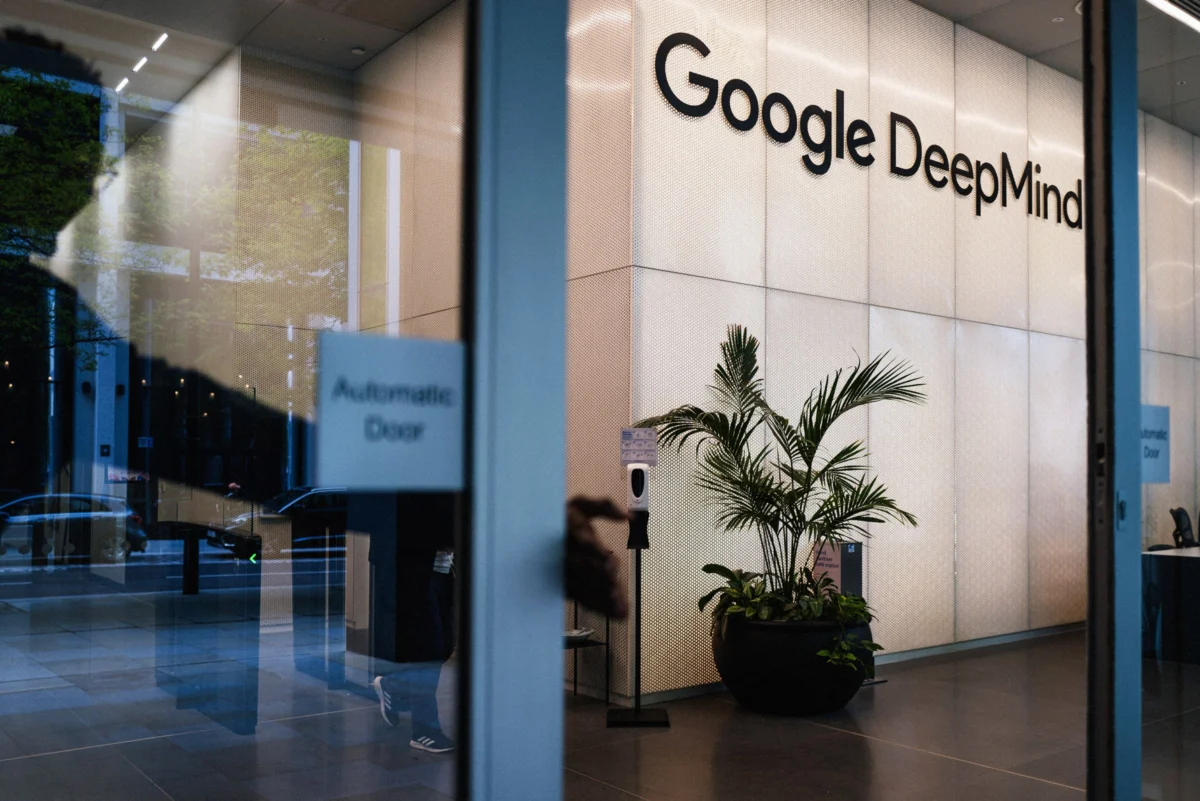
Employees at Google DeepMind’s UK operations have formally requested government intervention to facilitate their push for unionization, signaling a significant escalation in labor disputes within the cutting-edge artificial intelligence sector. The move comes after a period of perceived inaction from management regarding employee concerns over the ethical deployment of AI, particularly in relation to military and government contracts.
The Push for Collective Bargaining
On Thursday, representatives from the Communication Workers Union (CWU) and Unite the Union, acting as joint representatives for Google DeepMind staff, submitted an application to the Central Arbitration Committee (CAC). The CAC is a statutory body tasked with resolving disputes between employers and trade unions in the United Kingdom. This application seeks formal confirmation that the unions have garnered sufficient support among the workforce to trigger a formal unionization ballot. Should this ballot be successful, the company would be legally obligated to recognize the union, granting approximately 1,000 employees in product-focused roles at Google DeepMind the right to collective bargaining.
The decision to involve the CAC was precipitated by a series of meetings between employees, union representatives, and Google DeepMind management. According to sources close to the employees, these discussions failed to adequately address the core concerns raised, leaving staff with the impression that their grievances were being dismissed.
"They have been ignored. They feel like their problems have been minimized," stated John Chadfield, national officer for technology at the CWU, in comments to WIRED. "Management has refused to come to the table. They sent it to the HR and labor relations people, who dealt with it as an administrative box-ticking exercise." This sentiment underscores a growing frustration among employees who believe their ethical considerations are being treated as procedural rather than substantive issues.
A spokesperson for Google DeepMind, Tom Hewett, provided a statement to WIRED, asserting the company’s respect for employee rights. "We respect the right of employees to make an informed decision about whether or not to join a union," Hewett said. "We have consistently listened to both those seeking to unionize and those opposed, and have acted in good faith from the outset. We remain committed to constructively participating in this process, and have maintained open and transparent communication with our employees and the unions throughout."
Roots of the Unionization Effort: Ethical Red Lines and Shifting Policies
The impetus for this organized unionization effort can be traced back to February 2025. At that time, Alphabet, Google’s parent company, controversially removed a specific pledge from its ethics guidelines. This pledge had previously stated that the company would not utilize AI for purposes such as weapons development. The removal of this ethical safeguard was a pivotal moment, sparking widespread concern among employees about the future direction of AI research and deployment within the company.
"When I joined, we really made a big deal about the principles – the red lines. We were really looking to benefit humanity and make the world a better place," shared a Google DeepMind employee who requested anonymity due to fear of professional repercussions. "A lot of this is about reestablishing that ethical and moral framework that we started with." This perspective highlights a fundamental concern among some employees: a perceived drift away from the company’s foundational ethical commitments.
The employees pushing for unionization have specifically voiced objections to recent agreements struck between Google DeepMind and military entities in the United States and Israel. These collaborations, which involve the provision of AI services and infrastructure, are viewed by a significant segment of the workforce as being in direct conflict with the company’s initial ethical mission. A secondary Google DeepMind employee, also speaking anonymously, expressed profound unease: "We feel extremely concerned about the direction that this technology is going in."
If successful in their unionization bid, these employees intend to leverage collective bargaining power to demand that Google withdraw from these sensitive contracts. This objective reflects a desire for greater employee influence over the strategic direction and ethical implications of the company’s AI development and deployment.
A Timeline of Escalation
The events leading up to the CAC application represent a gradual but determined escalation of employee activism:
- February 2025: Alphabet removes its pledge not to use AI for weapons development from its ethics guidelines. This action serves as a major catalyst for employee concern and the initial discussions about collective action.
- Early 2025 – Mid-2026: A series of internal meetings and discussions take place between Google DeepMind employees, CWU, and Unite the Union. Simultaneously, employees engage in dialogue with company representatives regarding voluntary unionization.
- Mid-2026: Following what employees describe as a lack of substantive response from management, the decision is made to pursue formal union recognition through the CAC.
- November 12, 2026: The CWU and Unite the Union formally file an application with the Central Arbitration Committee (CAC) in the UK, seeking to trigger a unionization ballot for approximately 1,000 Google DeepMind employees.
Broader Implications and Industry Context
The unionization drive at Google DeepMind is occurring within a broader context of increasing scrutiny and ethical debate surrounding artificial intelligence. As AI technologies become more powerful and integrated into critical infrastructure, including defense and national security, the question of who controls their development and deployment becomes paramount.
The employees at Google DeepMind are not alone in grappling with these complex ethical dilemmas. Similar concerns have been voiced by employees at other leading AI research labs, such as OpenAI and Anthropic. The success of the Google DeepMind unionization effort could potentially serve as a precedent-setting model for workers in other high-profile AI companies operating in the UK.
"It’s pretty rare that there’s been an industry that exercises such dominance and power over the economy, where there’s so little opportunity for employees or regulators to have any checks and balances," commented the second anonymous employee. "We want to show what can happen when employees collectively organize and articulate a shared vision for the way their technology should be used."
This sentiment highlights a perceived democratic deficit in the governance of AI. The employees’ desire for a union stems from a fundamental belief that those who build and develop these transformative technologies should have a meaningful say in their ethical application. This aligns with a growing global conversation about the need for greater accountability and oversight in the AI industry.
Company’s Position on Military AI Contracts
Google has previously defended its collaborations with government entities, particularly concerning national security. In April, Jenn Crider, a Google spokeswoman, stated in an interview with The New York Times regarding Project Nimbus (a cloud computing contract with the Israeli government), "We are proud to be part of a broad consortium of leading AI labs and technology and cloud companies providing AI services and infrastructure in support of national security. We remain committed to the private and public sector consensus that AI should not be used for domestic mass surveillance or autonomous weaponry without appropriate human oversight."
This statement underscores the company’s nuanced position, acknowledging the role of AI in national security while simultaneously reiterating commitments to ethical guidelines regarding specific applications like autonomous weaponry and mass surveillance. However, for the employees pushing for unionization, the perception remains that the removal of the explicit pledge against weapons development represents a significant compromise of these ethical principles.
The Path Forward
The application to the CAC is the next crucial step in this unfolding labor dispute. The committee will now assess the submitted evidence to determine if the unions have demonstrated sufficient support to warrant a formal ballot. If the CAC approves the application, employees will have the opportunity to cast their votes. The outcome of this ballot will have significant implications not only for Google DeepMind’s workforce but potentially for the broader landscape of labor relations and ethical governance within the rapidly evolving AI industry.
In an email delivered to all UK staff on Thursday, the employees involved in the unionization push urged their colleagues to participate in the anticipated ballot. "We want a union, we want collective bargaining, and we want a say in how AI is developed and deployed," the message read. This call to action encapsulates the core objectives of the unionization movement: to secure a voice and influence in the critical decisions shaping the future of artificial intelligence. The upcoming months will be pivotal in determining whether these aspirations translate into tangible collective rights and a recalibrated ethical framework for one of the world’s leading AI laboratories.
