

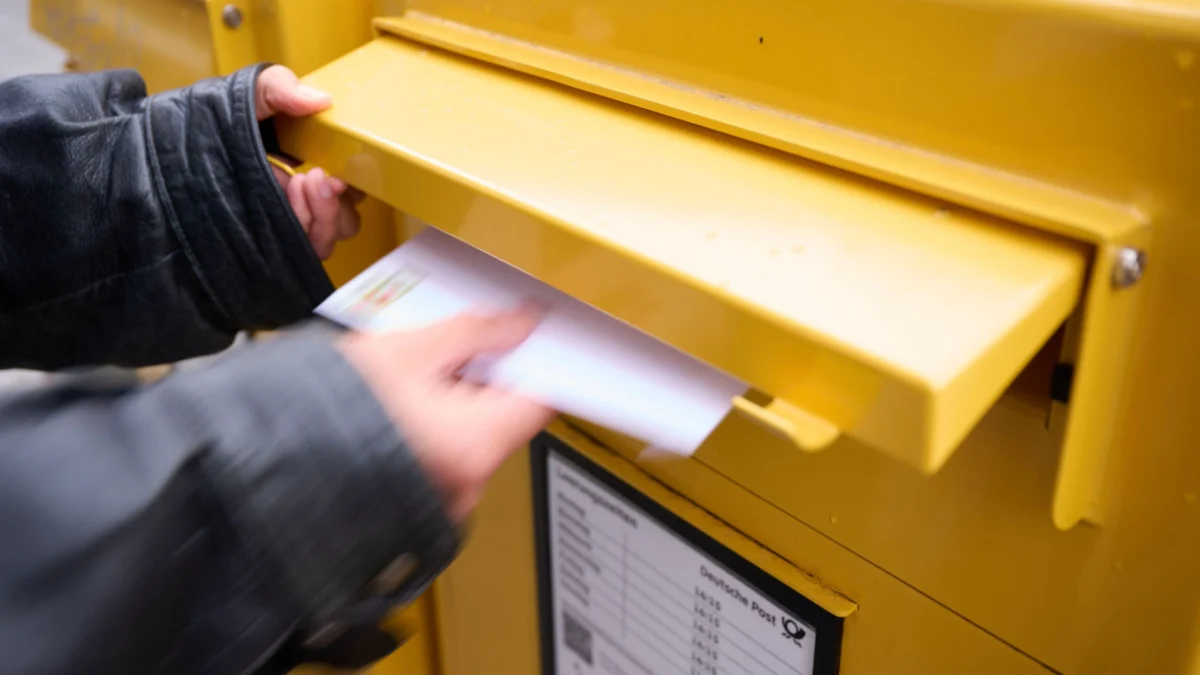
Germany is on the cusp of experiencing its most substantial postal rate increase ever, as the Bundesnetzagentur (Federal Network Agency) has unveiled plans for a significant hike in letter postage. The regulatory body’s proposal, released in Bonn, indicates that letter postage could rise by a staggering 20.35% starting in January 2027. This proposed increase, referred to as the "price increase allowance," will permit Deutsche Post to raise prices for its projected total volume of letters and postcards for the years 2027 and 2028.
This proposed adjustment far surpasses previous increments. In 2022, the average price increase stood at 4.6%. The previous record was set in 2025, with an anticipated 10.48% rise, a figure that this new proposal nearly doubles. Historically, Deutsche Post has consistently utilized the full extent of these price-setting allowances, a trend that is expected to continue. Beyond letters, significant price increases are also anticipated for package services.
The precise cost for each type of letter remains undetermined, as Deutsche Post will make these decisions at a later date. However, if the proposed increase is applied uniformly across all letter categories, a standard domestic letter weighing up to 20 grams would cost €1.14 starting in January 2027, a substantial jump from the current 95 cents. It is also possible that Deutsche Post may opt for increments of 5 cents, leading to prices of either €1.10 or €1.15, with other letter types potentially seeing higher or lower adjustments than the average allows.
The implications of this projected surge in postal costs are far-reaching, particularly for businesses and individuals who rely on traditional mail services. This development underscores a broader trend of rising operational costs for postal services globally, juxtaposed against declining mail volumes.
The Declining Landscape of Physical Mail
The impetus behind these substantial price hikes is rooted in a fundamental shift in communication habits. In the digital age, the volume of physical mail has been steadily declining for years. Companies and consumers alike are increasingly opting for electronic alternatives such as emails and instant messaging. This digital transformation has had a profound impact on the postal industry. In 2005, Germany saw approximately 16.9 billion letters sent. By 2025, this figure is projected to fall to just under 9.4 billion, with a continued downward trend anticipated.
Conversely, the operational costs for postal services have not diminished commensurately. Deutsche Post, like other postal operators, maintains an extensive infrastructure that includes numerous mailboxes, post offices, and a large fleet of postal workers. The fixed costs associated with this widespread network must now be distributed across a significantly smaller volume of mail. This economic reality is a primary driver behind the regulatory approval of increased postage rates.
The Bundesnetzagentur, in its role as the national regulatory authority for telecommunications, post, energy, and railway markets, is tasked with ensuring fair competition and consumer protection. Its decisions regarding postal pricing are guided by principles aimed at maintaining the economic viability of universal postal services while balancing the interests of both service providers and users.

A Historical Perspective on Postal Pricing
The proposed 20.35% increase represents a dramatic acceleration in the upward trajectory of postal costs. To put this into perspective, the price of a standard letter has nearly doubled since 2012, when it cost just 55 cents. This gradual but consistent rise has been a feature of the postal market for over a decade, reflecting evolving economic conditions and the structural changes within the industry.
The current price of 95 cents for a standard letter, weighing up to 20 grams, has been in place for some time. The proposed increase to approximately €1.14 signifies a significant adjustment, signaling a potential tipping point for many users. Beyond the standard letter, other mail categories such as Maxibrief (large letters), Großbrief (big letters), postcards, and various other specialized mail services will also be subject to revised pricing structures.
International Comparisons: Germany’s Position in Europe
While the upcoming price increase in Germany may seem substantial, a comparative analysis with neighboring European countries reveals that German postal rates have historically been relatively competitive. For instance, in Austria, the postage for a standard letter currently stands at €1. In the Netherlands, it is €1.40, and in France, it is €1.52. Notably, France has already announced an increase in its standard letter postage to €1.67 at the turn of the year.
This international context suggests that Germany’s postal rates, even after the proposed hikes, may remain within a comparable range to its European counterparts. However, the magnitude of the German increase is particularly noteworthy, given the relatively stable pricing in recent years.

Regulatory Framework and Price Setting
The Deutsche Post does not have the autonomy to unilaterally set its postal prices. Instead, it is subject to the oversight and approval of the Bundesnetzagentur. This process involves a multi-stage "price cap mechanism." Following the publication of the proposed price increase allowance, industry stakeholders, including logistics companies, are invited to provide their input. Based on these consultations, the regulatory authority establishes the final pricing parameters. Subsequently, Deutsche Post decides how to allocate this allowance across its various letter and parcel services. The Bundesnetzagentur then reviews and approves these specific tariffs for the designated period, in this case, for 2027.
The Bundesnetzagentur’s president, Klaus Müller, has articulated the rationale behind these adjustments. He stated, "When costs, due to increasing digitalization among other factors, have to be distributed among fewer letters, prices rise." Müller also highlighted that the postal service had initially sought even more significant price increases. He pointed out that the regulatory authority had adhered to the proposed adjustments and had not approved all the price hike requests submitted by the Bonn-based corporation.
The Two-Year Pricing Cycle
The new postal rates, once finalized, are set to remain in effect for a two-year period, covering 2027 and 2028. This established cycle provides a degree of predictability for both Deutsche Post and its customers, allowing for financial planning. However, the substantial nature of the proposed increase for this period has generated considerable discussion.
Beyond Letters: Package and Business Mail Impacts
The planned price adjustments are not limited to standard letters. Deutsche Post’s parcel services and business customer mailings (mail from companies and authorities) are also slated for price increases. Parcels are expected to see a price hike of 10.72%, which is considerably higher than the 7.21% increase observed two years prior. For business customer mail, the Bundesnetzagentur is proposing a similar increase allowance of 20.35%, mirroring the rate for private customers. This indicates a comprehensive approach to adjusting prices across Deutsche Post’s core service offerings.

Market Dominance and Competition
Deutsche Post, operating as the dominant force in Germany’s letter and parcel market, holds a significant market share. While smaller competitors exist, such as Citipost, Pin Mail GmbH, and BWPost, none operate on a nationwide scale. These regional players often rely on Deutsche Post for nationwide delivery, necessitating payments to the incumbent operator. In the parcel sector, competitors include Hermes, DPD, GLS, and UPS.
Crucially, these competing companies are not bound by the same price regulations as Deutsche Post. As they are not designated as universal service providers, they have not undertaken the commitment to deliver mail across the entire country or to maintain an extensive infrastructure. This regulatory distinction allows them greater flexibility in their pricing strategies.
Deutsche Post’s business model indicates that approximately 85% of its letter business is with corporate and government clients, while 15% is with private customers. The category of "private customers" encompasses letters deposited in public mailboxes or submitted at post office branches. This segment also includes mail from tax advisors, lawyers, associations, and small businesses that handle their own postage.
Delivery Speed and Regulatory Mandates
A key operational aspect for Deutsche Post is the mandated delivery speed for letters. The current regulation, implemented at the beginning of 2025, requires that 95% of letters posted today must reach the recipient within three working days, and 99% within four working days. This is a slight relaxation from previous, more stringent deadlines. These performance standards are a critical component of the universal service obligation, ensuring a baseline level of service for all citizens. The economic pressure to meet these delivery timelines, while handling a declining volume of mail, further contributes to the need for increased revenue.

The Bundesnetzagentur’s Role in Shaping the Future of Mail
The Bundesnetzagentur’s decision to permit such a significant price increase reflects a recognition of the economic challenges facing the postal sector. The agency’s mandate is to ensure the continued provision of universal postal services, even as the volume of physical mail diminishes. By allowing Deutsche Post to adjust its prices, the agency aims to enable the company to maintain its extensive network and operational capacity.
However, the substantial nature of the increase also raises questions about its impact on consumers and businesses, particularly those with limited budgets or a heavy reliance on mail services. The long-term implications of these rising costs will likely further accelerate the shift towards digital communication, potentially leading to a further contraction of the traditional postal market. The agency’s ongoing monitoring of the postal market and its future pricing decisions will be crucial in navigating this evolving landscape. The balance between ensuring financial viability for postal operators and affordability for users remains a central challenge for regulators worldwide.
