


The international airport in Riyadh was attacked again. Air traffic has been suspended. Saudi Arabia is suspending in-person classes until Thursday.
Escalating Tensions: Saudi Airports Targeted in Renewed Houthi Assaults
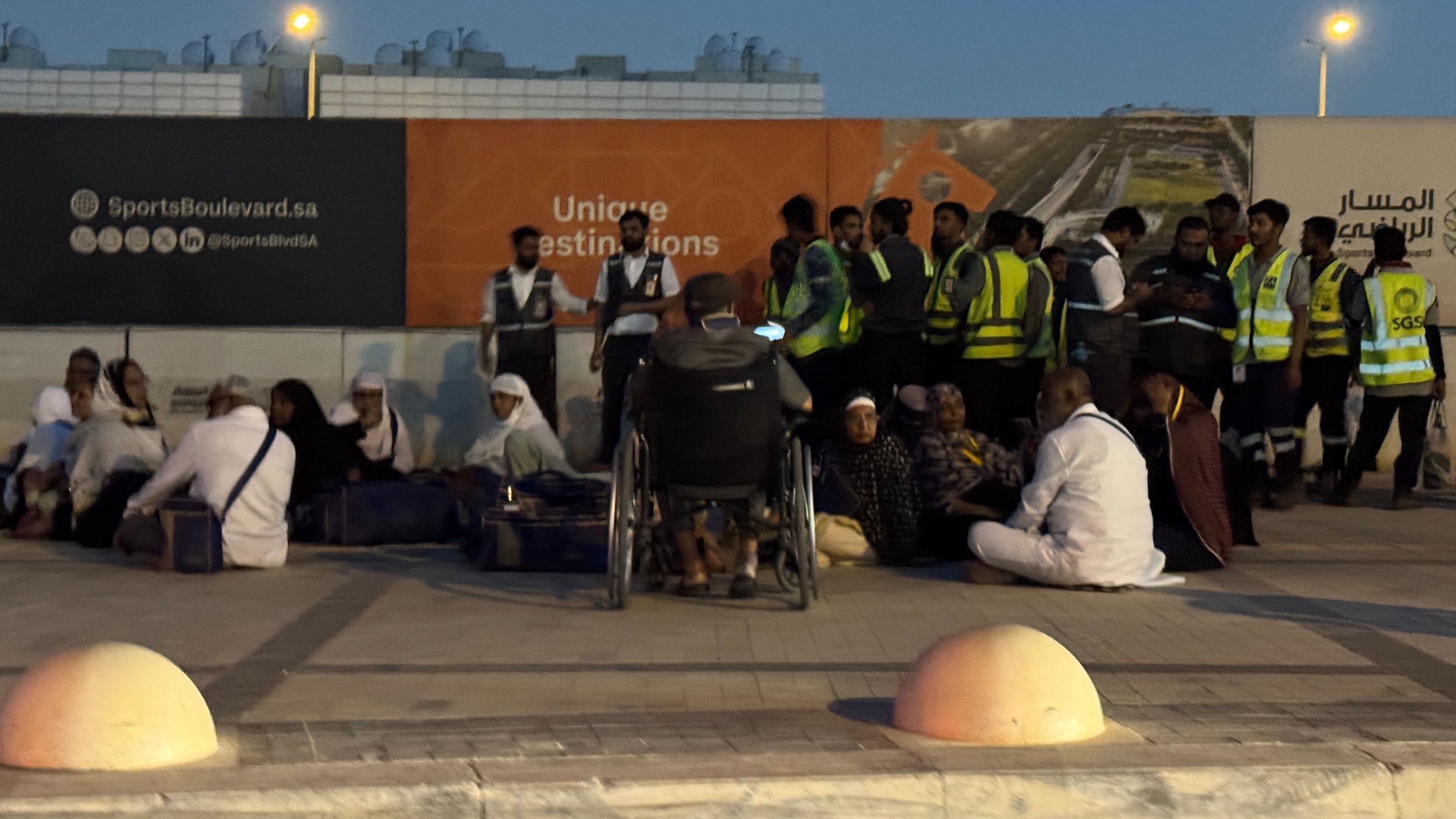
The Kingdom of Saudi Arabia is once again grappling with escalating regional tensions following a series of coordinated attacks targeting its vital air infrastructure. The international airport in Riyadh bore the brunt of a renewed assault, leading to the immediate suspension of all air traffic. In a related development, Saudi authorities confirmed an attack on the airport in Dammam, prompting investigations into potential damage. These incidents, attributed to the Iran-aligned Houthi rebels in Yemen, have prompted significant domestic measures, including the suspension of in-person schooling across the Kingdom until Thursday, with a shift to remote learning.
The latest attacks underscore the persistent threat posed by the Houthi insurgency and their capacity to strike deep into Saudi territory. The international airport in Riyadh, a critical hub for both commercial and military operations, has become a recurring target, highlighting the vulnerability of such key infrastructure. The reported interception of a cruise missile near the Riyadh airport by Saudi air defense forces indicates the sophistication and range of the weaponry employed by the rebels.
Timeline of Escalation and Impact

The events of the past few days represent a significant escalation in the ongoing conflict that has plagued Yemen and spilled over into neighboring Saudi Arabia. While the precise timing of the most recent attacks is still being fully elucidated, they follow a pattern of increasing boldness and reach by the Houthi forces.
Saturday’s Deadly Attack in Riyadh:
The most devastating incident occurred on Saturday, when an attack on the Riyadh airport resulted in a substantial loss of life and widespread casualties. Official reports indicate that at least twelve people were killed and over 300 others were injured. This marked the highest casualty count from an attack on the US-allied Gulf state since the beginning of the Iran-related conflict in late February, suggesting a potential shift in the intensity and nature of the hostilities. The Houthi rebels, in a televised address, claimed responsibility for this attack, underscoring their intent to inflict significant damage and sow fear.
Renewed Assaults and Air Traffic Disruption:
In the immediate aftermath of Saturday’s attack, the Houthi rebels appear to have intensified their campaign. The confirmed attack on the Riyadh airport, which led to a fire and the subsequent grounding of flights, demonstrates their continued focus on disrupting Saudi Arabia’s air connectivity. The parallel confirmation of an attack on Dammam’s airport, a major economic and transportation center in the Eastern Province, suggests a coordinated effort to cripple key infrastructure across the Kingdom. The Saudi Civil Aviation Authority’s involvement in assessing damage at Dammam highlights the seriousness of the situation and the potential for widespread disruption.
Official Responses and Domestic Measures:
The Saudi government has responded swiftly to these grave security threats. The decision to suspend in-person schooling nationwide and transition to remote learning until Thursday reflects a proactive approach to safeguarding the nation’s youth. This measure aims to mitigate the risk of civilian casualties and ensure continuity of education amidst the heightened security concerns. The closure of schools is a significant undertaking, impacting millions of students, teachers, and families, and underscores the perceived severity of the threat.
The Saudi-led military coalition operating in Yemen has been actively engaged in defending against Houthi incursions. Their statement regarding the successful interception of a cruise missile near the Riyadh airport is a testament to their air defense capabilities. However, the repeated successful strikes on civilian infrastructure raise questions about the effectiveness of existing defensive measures and the ongoing challenges in neutralizing such threats.

Broader Context: The Yemen Conflict and Regional Implications
These attacks are intrinsically linked to the protracted and devastating conflict in Yemen. The Houthi movement, which controls significant portions of northern Yemen, has been engaged in a brutal civil war against a Saudi-led coalition since 2015. The rebels, with alleged support from Iran, have increasingly employed ballistic missiles and drones to target strategic locations within Saudi Arabia, including airports, oil facilities, and cities.
Iran’s Role and Geopolitical Dynamics:
The accusation of Iranian backing for the Houthi attacks places these incidents within a larger geopolitical framework. The rivalry between Saudi Arabia and Iran, two major powers in the Middle East, has fueled proxy conflicts across the region. The Houthi attacks can be seen as an extension of this broader struggle, aimed at exerting pressure on Saudi Arabia and its allies, and potentially influencing regional power dynamics. The international community has long expressed concerns about Iran’s ballistic missile program and its alleged proliferation to regional proxies.

Economic and Humanitarian Impact:
The repeated attacks on Saudi airports have significant economic implications. Disruption to air travel affects not only the Kingdom’s tourism and business sectors but also its role as a major transit hub for international flights. Furthermore, the ongoing conflict in Yemen has created one of the world’s worst humanitarian crises, with millions facing starvation and disease. The continued militarization of the conflict, with cross-border attacks and retaliatory airstrikes, exacerbates this humanitarian catastrophe.
Analysis of Implications:
The recent attacks on Saudi airports represent a critical juncture in the regional security landscape. The Houthis’ demonstrated ability to penetrate Saudi airspace and strike at critical civilian infrastructure poses a significant challenge to Saudi Arabia’s national security and its regional standing.

Deterrence and Defense:
The effectiveness of current defense strategies will be under increased scrutiny. While air defense systems have shown some success in intercepting incoming threats, the fact that attacks continue to occur, and some cause damage and casualties, suggests a need for enhanced defensive capabilities and potentially a re-evaluation of proactive measures. The cost of maintaining robust air defense systems and responding to such attacks is substantial, placing a significant financial burden on the Kingdom.
Diplomatic and Political Ramifications:
These attacks are likely to intensify diplomatic efforts to find a resolution to the Yemen conflict. International pressure on all parties involved to de-escalate and engage in meaningful peace negotiations may increase. The attacks could also have implications for broader regional security dialogues and the ongoing efforts to manage tensions between Saudi Arabia and Iran. The international community’s response, particularly from key allies like the United States, will be closely watched.
Humanitarian Imperative:
Beyond the immediate security concerns, the attacks serve as a stark reminder of the devastating human cost of the ongoing conflict. The international community faces an urgent imperative to redouble efforts towards a lasting peace in Yemen, alleviating the suffering of millions and preventing further escalation of violence that spills across borders. The disruption to civilian life, as evidenced by the school closures, highlights the pervasive impact of these regional conflicts on ordinary citizens.

The sustained targeting of Saudi airports underscores the complex and volatile nature of the Middle East. As the situation continues to evolve, the focus will remain on the Kingdom’s efforts to ensure its security, the diplomatic pathways towards de-escalation, and the urgent need to address the humanitarian crisis in Yemen. The resilience of Saudi Arabia in the face of these challenges, and its ability to maintain stability in a turbulent region, will be a key determinant of future regional dynamics.
