

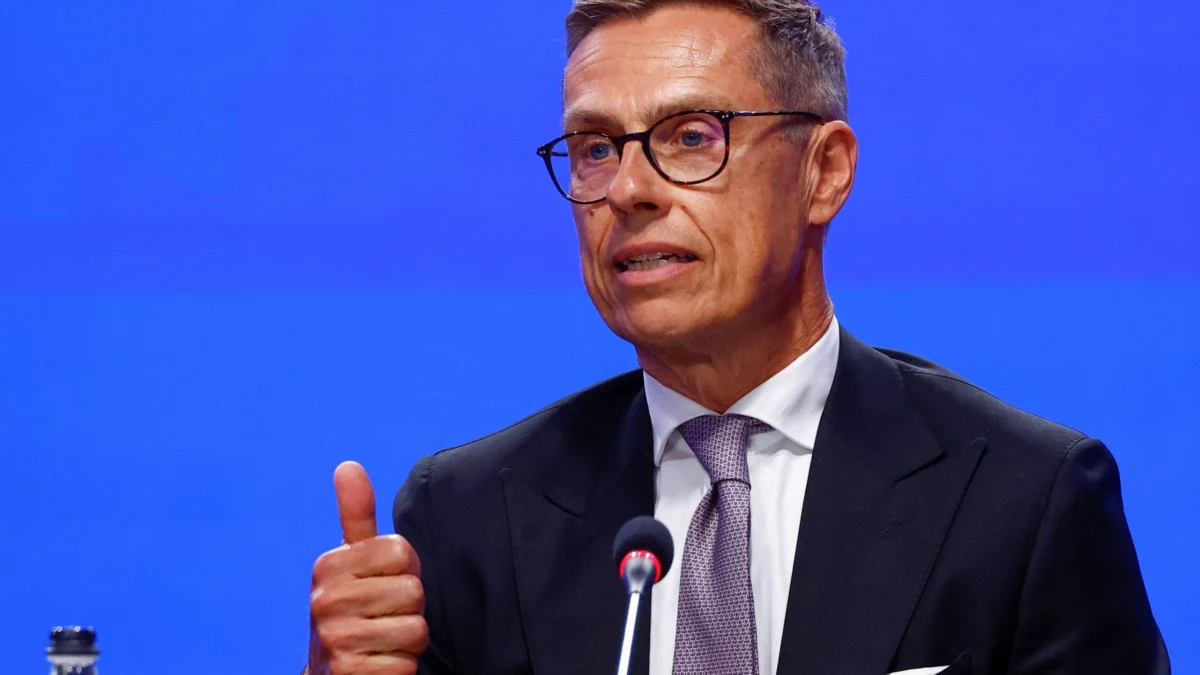
The ongoing conflict in Ukraine continues to be a focal point of global security concerns, with leaders from various nations offering perspectives on the trajectory of the war and its potential implications. In a recent statement that has garnered significant attention, Finnish President Alexander Stubb expressed his conviction that Russia is unlikely to launch a direct military attack against NATO. Stubb’s assessment, shared with the German publication “Bild,” hinges on the formidable deterrence capabilities of the North Atlantic Treaty Organization. He articulated that Russia would not logically seek to confront an alliance whose collective military strength, encompassing conventional forces, advanced weaponry, and nuclear capabilities, is unparalleled globally. The Finnish President emphasized that challenging NATO’s resolve would be an irrational move for any global power. However, he also acknowledged Russia’s strategic objective of sowing fear and uncertainty, noting that Moscow actively seeks to provoke anxieties among European populations regarding potential escalation, including the use of nuclear weapons and direct aggression against NATO and Europe.

Russia’s Strategic Aims and European Anxieties
President Stubb’s remarks shed light on the psychological dimension of the conflict, where Russia’s actions and rhetoric are perceived as deliberate attempts to create an atmosphere of apprehension. The Kremlin’s strategy, as interpreted by Stubb, involves compelling European nations to engage in constant speculation about Russia’s next moves, thereby diverting resources and attention from other critical areas. This tactic aims to keep European decision-makers in a perpetual state of alert and strategic uncertainty, potentially hindering their ability to formulate long-term policies or respond effectively to evolving threats. The underlying message is that Russia’s objective is not necessarily immediate military conquest of NATO territory, but rather to destabilize the European security order and undermine Western unity through psychological warfare and the threat of escalation.
Economic Pressures and the War’s Endurance
Beyond the immediate military and security considerations, President Stubb also addressed the economic ramifications of the conflict. He indicated that Russia’s internal economic struggles are unlikely to be a catalyst for ending the war in Ukraine. Citing historical resilience demonstrated during the Soviet era, Stubb posited that Russia possesses a capacity to withstand prolonged periods of economic hardship. He asserted that fluctuations in the Ruble’s exchange rate, runs on banks, inflation, or interest rate hikes would not independently compel Moscow to cease its military operations. Stubb explained that a nation engaged in wartime can endure significantly more economic strain than one at peace. This perspective suggests that Western economic sanctions, while intended to exert pressure, may not achieve their ultimate objective of forcing a withdrawal from Ukraine without a broader shift in Russia’s strategic calculus or internal political dynamics.

Deteriorating Russia-EU Relations
The diplomatic landscape between Russia and the European Union appears to be at a nadir, with little prospect for immediate improvement. Kremlin spokesperson Dmitry Peskov articulated a bleak outlook, stating that there are no foreseeable opportunities for enhanced relations with the EU. Peskov pointed to statements from European leaders that characterize Russia as an “opponent and even an enemy.” While the specific remarks were not detailed, the sentiment reflects a deep-seated antagonism and a perception of aggressive posturing from the EU. Peskov further accused EU politicians of engaging in confrontational actions against Russia, both verbally and physically, by mobilizing European military capabilities and directing them against Russia, and by directly participating in hostilities. This rhetoric underscores the breakdown in diplomatic channels and the hardening of positions on both sides, creating a significant impediment to any potential de-escalation or reconciliation.
Escalating Drone Warfare and Ukraine’s Defensive Adaptation
Ukraine has reported a significant increase in Russia’s deployment of jet-powered drones, signaling an escalation in aerial warfare tactics. Pawlo Palissa, the deputy head of Ukraine’s Presidential Office, indicated that the number of these drones is likely to rise as Moscow recognizes their effectiveness. This development presents a new challenge for Ukraine’s air defense systems. Palissa noted that while existing Ukrainian interceptor drones theoretically possess the capability to engage jet-powered drones, their effectiveness has not yet met expectations. Ukraine is actively working on adapting its defense mechanisms to counter this evolving threat, acknowledging that such adaptations will require time and resources. This ongoing technological arms race in drone warfare highlights the dynamic nature of the conflict and the continuous need for innovation and adaptation by both sides.
Germany’s Planned Sanctions Package Against Russia
In response to alleged Russian involvement in an attempted drone attack in Leipzig, the German government is reportedly preparing a comprehensive package of measures against Russia. According to reports from “Welt am Sonntag” and “Politico,” Germany intends to formally attribute responsibility for the incident to Russia and announce a series of substantial countermeasures. These measures are expected to comprise a combination of direct actions by Germany and new EU sanctions, which are being coordinated in Brussels. The announcement is anticipated at the beginning of the upcoming week, coinciding with an EU Foreign Ministers’ meeting in Ireland. However, the timing could be accelerated depending on decisions made by Chancellor Friedrich Merz. A government spokesperson declined to confirm or deny the reports, stating only that the Chancellery does not engage in speculation and that the official attribution of responsibility will be made by the German government at its own discretion, following a thorough assessment of all investigative findings. This planned action indicates a growing assertiveness from Germany in its response to Russian aggression.
Poland’s Warning of Russian Escalation and Provocation
Donald Tusk, the Prime Minister of Poland, has issued a stark warning regarding the potential for Russia to expand the conflict and provoke NATO members. Tusk stated that, as he had previously cautioned, Russian escalation is progressing. He emphasized that the next six months will be critical and that provocations against NATO members cannot be ruled out. His remarks followed a conversation with NATO Secretary General Mark Rutte, suggesting a high level of concern within Poland and among NATO leadership regarding the evolving security situation. Tusk’s warning comes in the wake of reports about a visit by CIA Director John Ratcliffe to Moscow, which fueled global speculation about potential Russian intentions. While the Kremlin denied these reports, attributing the speculation to the West, the underlying concerns about Russian intent remain a significant factor in regional security discussions.
Casualties and Destruction in Ukraine Amidst Ongoing Attacks
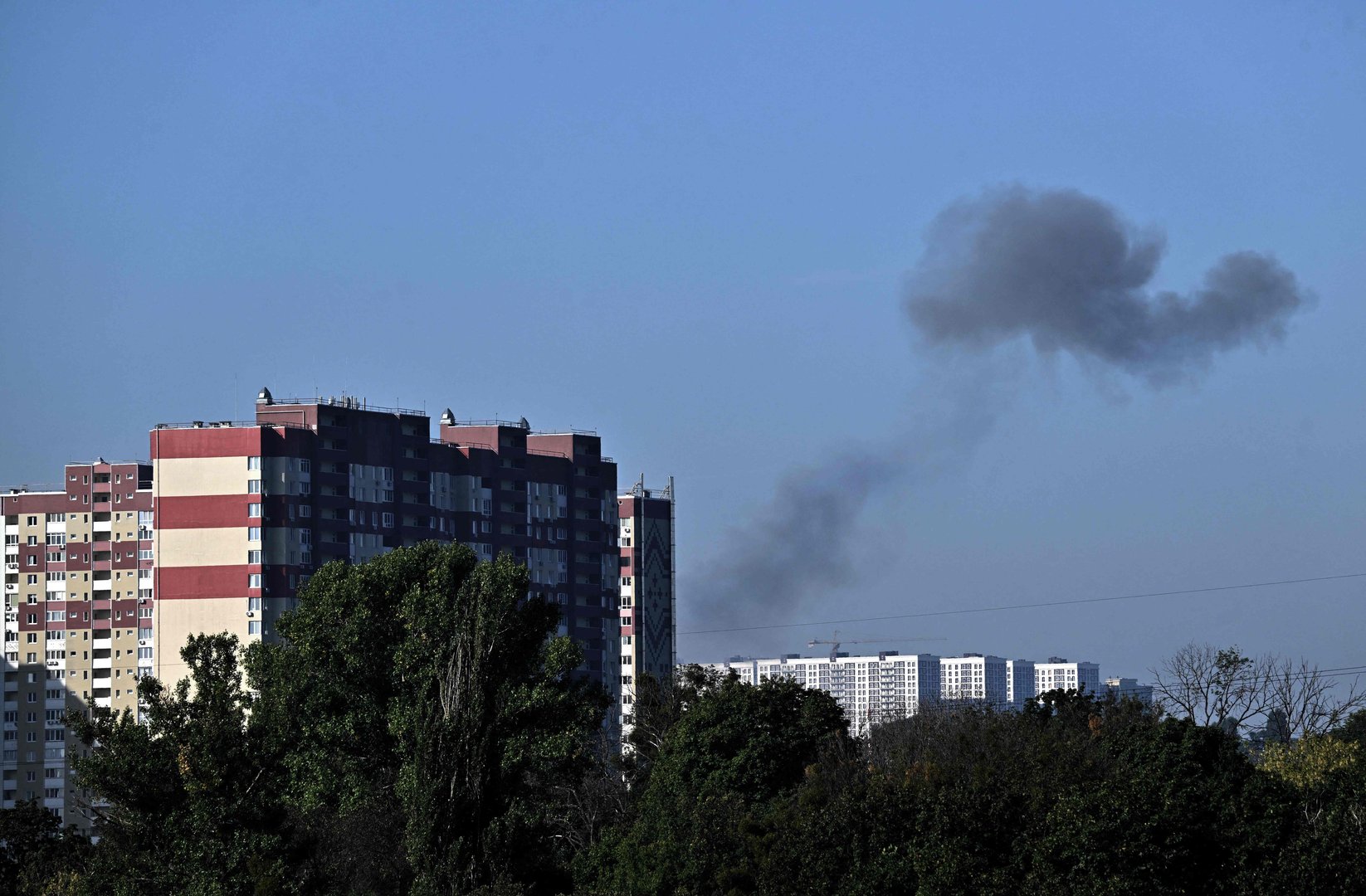
The conflict continues to inflict a heavy toll on civilian infrastructure and lives in Ukraine. Reports indicate that a Russian drone attack on an ammunition depot near Kyiv resulted in at least 37 fatalities. President Volodymyr Zelenskyy reported significant damage to surrounding areas, including residential buildings and a senior and disability care home, via Telegram. This incident underscores the devastating impact of the war on civilian populations and infrastructure.
Simultaneously, Ukraine’s counter-drone efforts have also led to casualties within Russia and on the annexed Crimean Peninsula. Authorities reported at least four deaths resulting from Ukrainian drone attacks. In Russia’s Belgorod region, three people were killed and nine injured, with three in serious condition, according to local authorities. In Sevastopol, Crimea, one person was killed and three injured in a Ukrainian drone strike. Russia has continued its own offensive operations, with its Ministry of Defense claiming to have struck a transshipment terminal in the Ukrainian port of Mykolaiv, along with a berth for tankers and refueling points. These reciprocal attacks highlight the pervasive nature of the conflict and the constant threat faced by both civilian and military targets.

Russia’s Expanding Use of Jet-Powered Drones
Ukraine has observed a notable increase in Russia’s use of jet-powered drones, a development that poses a significant challenge to existing air defense capabilities. Pawlo Palissa, deputy head of Ukraine’s Presidential Office, noted that the effectiveness of these drones is likely driving their expanded deployment. He indicated that while Ukraine’s current interceptor drones have the theoretical capacity to counter these threats, their practical effectiveness has not yet been fully realized. Ukraine is actively working to adapt its defense strategies to this evolving aerial threat, acknowledging that such adjustments will require time and dedicated effort. This technological advancement in drone warfare underscores the dynamic nature of the conflict and the ongoing struggle for air superiority.
German Sanctions and EU Coordination
Germany’s planned retaliatory measures against Russia, stemming from the alleged drone attack in Leipzig, signify a potentially significant escalation in economic pressure. The coordinated approach with the EU suggests a unified stance among member states regarding accountability for Russian actions. The timing of the announcement, aligned with an EU Foreign Ministers’ meeting, aims to leverage collective diplomatic and economic power. However, the official attribution of responsibility by the German government will be a crucial step, requiring thorough investigation and evidence. The spokesperson’s statement emphasizes the government’s commitment to a measured and evidence-based response, avoiding premature speculation.

Polish Concerns and NATO’s Vigilance
Poland’s heightened alert regarding potential Russian provocations against NATO members reflects its strategic position as a frontline state. Prime Minister Tusk’s direct warning, coupled with his discussions with NATO leadership, underscores the ongoing assessment of Russian intentions and capabilities. The context of the CIA Director’s visit to Moscow, regardless of the Kremlin’s denial, adds another layer of complexity to the security environment. Poland’s vigilance serves as a reminder of the persistent threat of escalation and the importance of maintaining a robust and united NATO defense posture.
Civilian Impact and Infrastructure Damage
The ongoing aerial attacks have had a devastating impact on civilian infrastructure in Ukraine. The destruction of an ammunition depot near Kyiv, resulting in numerous casualties, highlights the indiscriminate nature of some of these strikes. The damage to residential areas, elderly care facilities, and other civilian infrastructure underscores the severe humanitarian consequences of the conflict. Similarly, attacks on logistics and supply chains, such as those targeting food storage facilities, threaten to exacerbate food security issues within Ukraine. The Ukrainian government is exploring alternative supply routes and direct distribution methods to mitigate the impact of these attacks on its population.

Russia’s Strategic Objectives and Global Ramifications
President Stubb’s assertion that Russia aims to sow fear rather than directly attack NATO is a critical distinction. It suggests a strategy focused on psychological warfare and destabilization, rather than outright military confrontation with the alliance. This approach seeks to exploit existing anxieties within Europe and potentially divide Western resolve. The economic resilience of Russia, as described by Stubb, implies that sanctions alone may not be sufficient to compel a change in Moscow’s strategic objectives. This points to a protracted conflict where diplomatic solutions remain elusive, and the economic and social costs continue to mount.
The expanding use of advanced drone technology by Russia, and Ukraine’s efforts to counter it, represent a significant development in modern warfare. This technological arms race is likely to continue, with both sides seeking to gain an advantage through innovation and adaptation. The effectiveness of these drones in striking critical infrastructure and military targets underscores the evolving nature of the battlefield.

Diplomatic Stalemate and the Search for Peace
The acknowledgment by the Kremlin that peace talks with Ukraine are in a "deep pause" and that there are no new ideas underscores the current impasse in diplomatic efforts. The lack of progress in negotiations, coupled with the ongoing military hostilities, paints a grim picture for the immediate future of the conflict. While Ukraine has not entirely ruled out the possibility of renewed talks, the conditions for meaningful dialogue appear distant. The conflicting statements from Ukrainian officials regarding the possibility of negotiations and the Kremlin’s firm stance highlight the deep chasm between the two sides’ objectives and expectations.
International Reactions and the Geopolitical Landscape
The statements from various international leaders, including those from Finland, Poland, and the United States, reveal a complex geopolitical landscape shaped by the ongoing conflict. President Stubb’s focus on deterrence and psychological warfare, Prime Minister Tusk’s warnings of escalation, and former President Trump’s skepticism regarding a direct NATO attack all contribute to a multifaceted understanding of the current security environment. The reported discussions between CIA Director John Ratcliffe and Russian officials, even if denied by the Kremlin, suggest a continued, albeit cautious, channel of communication between major global powers regarding de-escalation and risk mitigation.

The German government’s planned sanctions package against Russia, if implemented, would represent a significant step in holding Russia accountable for its actions and demonstrating a unified European response. The coordinated effort with the EU signals a commitment to leveraging economic and diplomatic tools to influence Russian behavior.
The ongoing international efforts to provide military and financial aid to Ukraine, alongside the imposition of sanctions on Russia, demonstrate a sustained commitment from Western allies. However, the challenges in maintaining this support, as evidenced by internal debates within the EU regarding the use of frozen Russian assets, highlight the complexities of international cooperation in times of prolonged conflict. The dynamic interplay of military actions, diplomatic maneuvers, and economic pressures continues to shape the trajectory of the war in Ukraine and its broader implications for global security and stability.
