

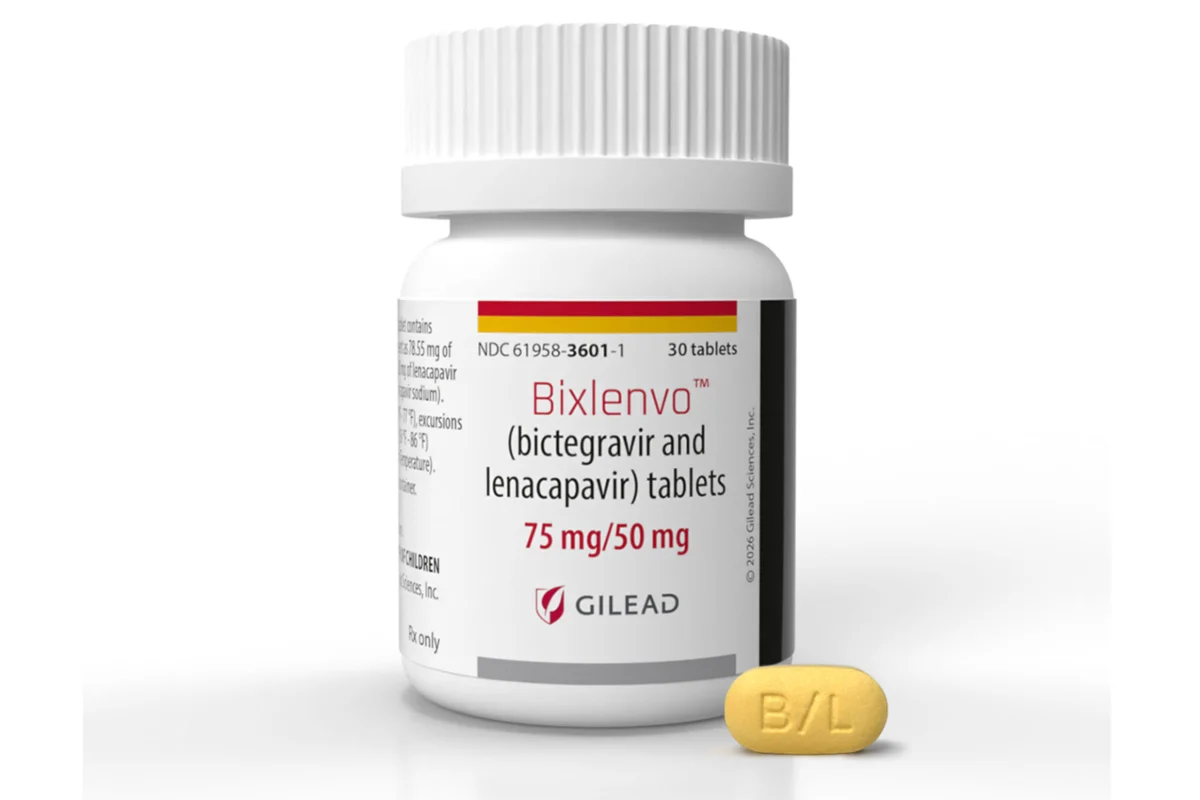
The U.S. Food and Drug Administration (FDA) has granted approval for Bixlenvo, a novel once-daily oral pill developed by Gilead Sciences, marking a significant advancement in the management of Human Immunodeficiency Virus (HIV). This new single-tablet regimen, a combination of bictegravir and lenacapavir, is designed to simplify care for a specific cohort of adults living with HIV whose viral load is already suppressed but who face limitations with currently available single-pill treatment options or are seeking new alternatives. The announcement, made by Gilead on Thursday, underscores the pharmaceutical giant’s continued commitment to innovating HIV care and expanding the therapeutic landscape.
Bixlenvo represents a crucial addition to the arsenal against HIV, particularly for patients navigating complex treatment regimens due to factors such as drug resistance developed from older therapies, intolerable side effects, or challenging drug-drug interactions with other medications. For many years, managing HIV involved a demanding daily regimen of multiple pills, often with strict dosing schedules. While significant progress has been made with the advent of single-tablet regimens, a subset of patients still struggles to find an optimal solution. Gilead estimates this population to constitute 5% or more of individuals living with HIV in the United States, highlighting a substantial unmet medical need that Bixlenvo aims to address.
A New Paradigm in HIV Treatment: The Science Behind Bixlenvo
At the heart of Bixlenvo’s innovation is its unique combination of two potent antiretroviral agents: bictegravir and lenacapavir. Bictegravir is an integrase strand transfer inhibitor (INSTI), a well-established class of antiretrovirals known for its high efficacy and favorable safety profile. It forms the backbone of Gilead’s highly successful HIV medication, Biktarvy, which has been a cornerstone of first-line HIV treatment globally. Lenacapavir, on the other hand, is a first-in-class capsid inhibitor. This novel mechanism of action disrupts the HIV capsid, a protein shell that protects the virus’s genetic material, at multiple stages of the viral life cycle. By targeting the virus in two distinct ways, Bixlenvo offers a robust defense against viral replication and the development of drug resistance. This dual-action approach is particularly vital for patients with a long history of treatment and pre-existing resistance mutations.
Dr. Jared Baeten, Gilead’s clinical development and virology therapeutic area head, emphasized the drug’s significance in an interview preceding the approval. "It fulfills an unmet need, particularly for individuals who are on complex regimens who just would not otherwise consolidate down to something really meaningful for them and prescribers," Dr. Baeten stated. He further added that the drug also caters to individuals "seeking options for something new," reflecting a broader strategy to offer diverse choices that cater to individual patient preferences and lifestyles for long-term adherence and success.
Evolution of HIV Treatment: A Historical Perspective
The journey of HIV treatment has been one of remarkable scientific progress, transforming a once-fatal diagnosis into a manageable chronic condition. In the early 1980s, an HIV diagnosis often meant a rapid decline in health and a grim prognosis, with limited therapeutic options like AZT offering only modest benefits and severe side effects. The mid-1990s brought the advent of highly active antiretroviral therapy (HAART), a combination of multiple drugs that dramatically improved outcomes by suppressing viral load and allowing immune systems to recover. However, HAART regimens were notoriously complex, involving dozens of pills taken multiple times a day, often with significant dietary restrictions and unpleasant side effects, leading to challenges with patient adherence.
Gilead Sciences has played a pivotal role in revolutionizing HIV care over the past two decades. They pioneered the development of single-pill, once-daily regimens, beginning with products like Atripla and Truvada, which significantly simplified treatment and improved the quality of life for millions living with HIV. These innovations reduced pill burden, enhanced adherence, and made it easier for individuals to integrate treatment into their daily lives. The subsequent introduction of drugs like Biktarvy further refined these regimens, offering even greater efficacy and tolerability. Bixlenvo builds on this legacy, extending the benefits of simplified, highly effective treatment to a patient population previously underserved by existing single-tablet options. This continuous evolution underscores the dynamic nature of HIV research and the ongoing pursuit of more patient-friendly and effective therapies.
Addressing the Needs of an Aging Population with HIV
One of the critical populations Bixlenvo targets is older adults living with HIV, many of whom have endured decades of treatment and the cumulative effects of both the virus and earlier, more toxic medications. As Dr. Baeten highlighted, "It’s incredibly meaningful to develop a medicine… for people aging with HIV." This demographic often presents unique challenges, including polypharmacy (taking multiple medications for various co-morbidities), increased risk of drug interactions, and a higher prevalence of conditions such as heart disease, diabetes, and high cholesterol, which HIV can accelerate.
Many long-term survivors, like Timothy Cameron, a 64-year-old retired Seattle resident, have complex treatment histories. Cameron, who has been living with HIV for over 40 years, recounted his arduous journey through experimental drugs and multi-pill regimens that often failed due to his "super resistant" virus. Such patients often accumulate drug resistance mutations, making them ineligible for or unresponsive to standard single-tablet regimens. For these individuals, Bixlenvo’s novel mechanism of action with lenacapavir, combined with bictegravir, offers a renewed opportunity for effective viral suppression with a significantly reduced pill burden. Simplifying their regimen can lead to better adherence, fewer side effects, and an overall improvement in their quality of life, allowing them to focus on managing other age-related health issues.
Clinical Validation: Efficacy and Safety Profile

The FDA’s approval of Bixlenvo is predicated on robust data derived from two Phase 3 clinical trials: ARTISTRY-1 and a study evaluating patients switching from Biktarvy. These trials rigorously assessed the efficacy and safety of Bixlenvo in adults with HIV whose virus was already suppressed on their existing treatment regimens.
The ARTISTRY-1 trial specifically enrolled patients with extensive treatment histories and documented drug resistance, many of whom were on complex multi-pill regimens. Participants in this study had a median age of 60 and were taking between two and 11 HIV medications daily prior to switching to Bixlenvo. The results from both studies demonstrated that Bixlenvo maintained viral suppression at rates comparable to patients’ previous regimens at 48 weeks. Crucially, the drug was generally well tolerated, with no new safety concerns identified. The most commonly reported side effects, occurring in at least 2% of participants across the two trials, were headache, nausea, and diarrhea—side effects typically manageable and consistent with other antiretroviral therapies. This clinical evidence provides strong assurance of Bixlenvo’s ability to offer sustained viral control and a favorable safety profile for its target patient population.
Patient Perspective: A Story of Simplified Living
Timothy Cameron’s experience vividly illustrates the profound impact Bixlenvo can have on patients’ lives. Diagnosed in the 1980s, Cameron faced decades of medical uncertainty and the challenge of managing a virus that repeatedly developed resistance to available treatments. He describes the early days as "just like throwing darts at a dartboard," highlighting the trial-and-error nature of treatment before modern diagnostics and therapies. Even after finding a regimen that controlled his virus a few years ago, it still required taking one HIV pill twice daily along with another medication.
Cameron’s transition to Bixlenvo as part of the Phase 3 trial was, in his words, "seamless." He recounted the ease of switching to a "smaller than my pinky nail" once-daily pill that effectively maintained viral control without causing new side effects. For Cameron, the greatest benefit extends beyond mere convenience. "It’s one less thing I’m putting in my body, and it preserves options if I need them," he explained. This sentiment resonates deeply with long-term survivors who understand the critical importance of having future treatment avenues available should resistance emerge or their needs change. The psychological relief of a simplified regimen and the confidence in its long-term efficacy cannot be overstated.
Economic Considerations and Patient Access
The list price of Bixlenvo is set at $4,595 for a 30-day supply before discounts or rebates, a figure Gilead states is in line with other daily single-tablet HIV treatments on the market. The cost of HIV medication remains a significant concern for many patients and healthcare systems globally. Recognizing these financial barriers, Gilead has established programs to ensure access. Individuals without health insurance may be eligible to receive Bixlenvo for free through Gilead’s patient assistance program. Additionally, those with commercial or private insurance may qualify for co-pay support through a separate savings program. These initiatives are vital in ensuring that financial constraints do not impede access to this new therapy, especially for vulnerable populations.
The economic implications of HIV treatment extend beyond the list price. Effective treatment not only improves individual health outcomes but also has broader public health benefits by reducing viral transmission, aligning with the "treatment as prevention" (TasP) strategy. Investing in highly effective, patient-friendly therapies like Bixlenvo can ultimately reduce healthcare costs associated with advanced HIV disease, opportunistic infections, and long-term complications.
Broader Implications and Future of HIV Care
The approval of Bixlenvo carries significant implications for patient care, public health, and the pharmaceutical landscape. For patients, it offers a new pathway to simplified, effective treatment, particularly for those who have exhausted other options or are burdened by complex regimens. This can lead to improved adherence, better health outcomes, and an enhanced quality of life, allowing individuals to live longer, healthier lives with HIV.
From a public health perspective, expanding the range of effective and easy-to-use treatment options contributes to the global effort to end the HIV epidemic. When more people achieve and maintain viral suppression, the rate of new HIV infections decreases, moving closer to the ambitious goal of an HIV-free generation.
For Gilead, Bixlenvo reinforces its leadership position in the HIV market. Lenacapavir, the novel capsid inhibitor component, is a centerpiece of the company’s long-term strategy for HIV treatment and prevention. Gilead is actively developing a diverse portfolio of lenacapavir-based therapies, including daily pills, weekly oral regimens, and long-acting injectable therapies. This multi-modal approach aims to provide unprecedented flexibility for patients, allowing them to choose the treatment modality that best fits their preferences and lifestyle. As Dr. Baeten articulated, "We’re going to build enough options that people can make the choice that’s going to work for them. Some people like the surety of once a day, and some people would want ‘set it and forget it’ once every six months." This vision points towards a future of highly individualized HIV care, where patients have greater autonomy in managing their condition.
In conclusion, the FDA’s approval of Bixlenvo marks a pivotal moment in the ongoing fight against HIV. By offering a potent, simplified, once-daily regimen with a novel mechanism of action, Bixlenvo is poised to address critical unmet needs, particularly for those with complex treatment histories and an aging population living with the virus. This development not only underscores Gilead’s relentless innovation but also reaffirms the collective commitment of the scientific and medical communities to providing comprehensive, effective, and patient-centered solutions for people living with HIV worldwide.
