

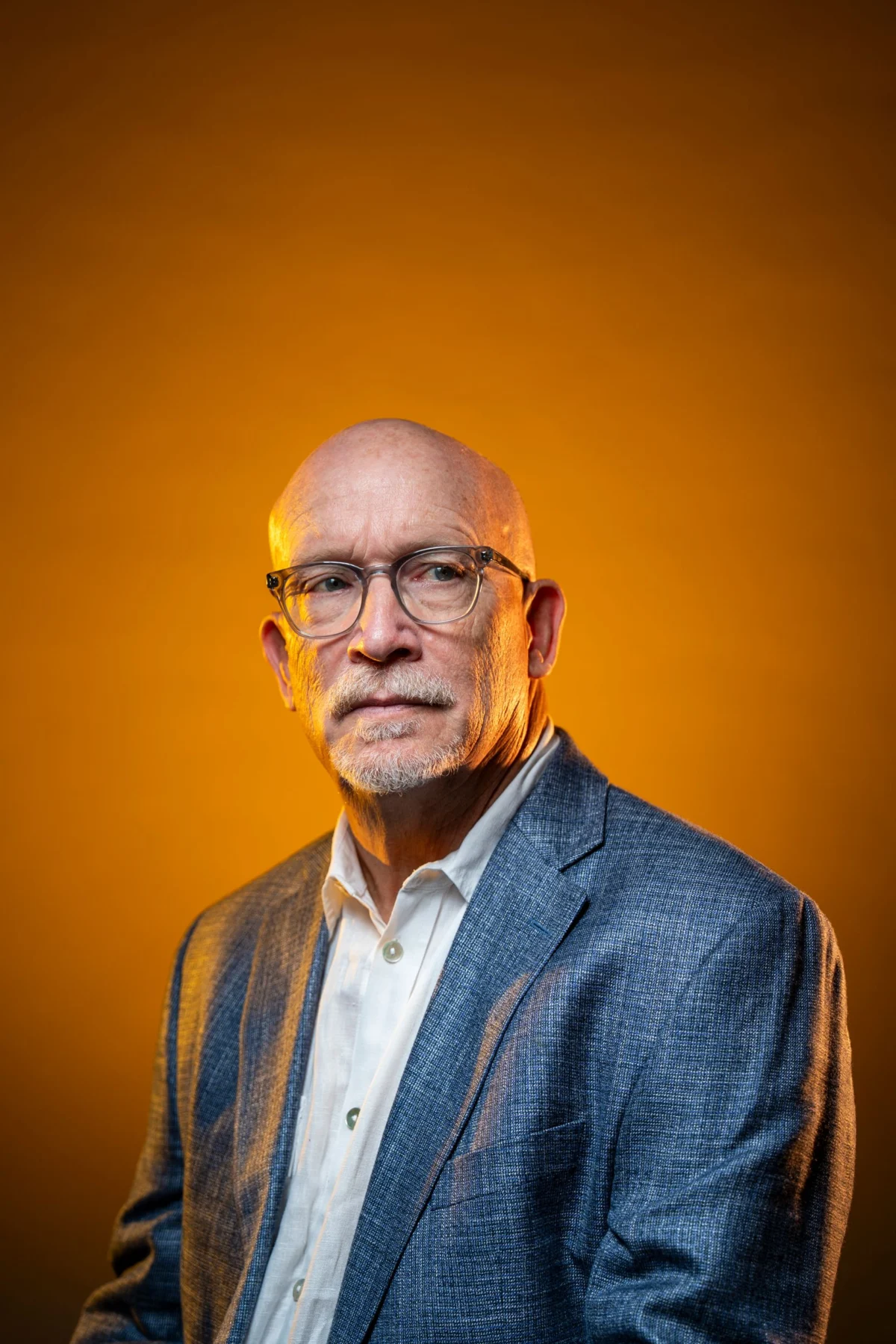
As the United States Congress prepares for a significant shift in its legislative landscape with the anticipated ushering in of a Democratic majority, acclaimed filmmaker Alex Gibney, director of the documentary "Musk," has voiced critical questions regarding the potential for renewed government scrutiny into the business practices of entrepreneur Elon Musk. Speaking with WIRED contributing editor Zoë Schiffer in the wake of a screening of his film at the WIRED World Fair, Gibney articulated his concern about the capacity of the American political system to withstand financial influence and conduct robust investigations.
"Is our political system capable—assuming the Democrats win the House and the Senate—of ignoring the power of money… to hold really tough investigations?" Gibney posed, reflecting on the confluence of events shortly before major congressional races were called, predominantly in favor of Democratic candidates. Gibney’s comprehensive documentary, "Musk," meticulously details a series of investigations launched by various United States government agencies into Musk’s multifaceted business empire. The film posits that these governmental actions may have served as a partial impetus for Musk’s significant financial support of Donald Trump and other Republican candidates in recent election cycles.
A Shifting Landscape: Political Contributions and Electoral Outcomes
Gibney’s observations were particularly salient following a period of intense political campaigning. On Tuesday, he highlighted the substantial financial commitments made by Musk, pointing to over $474 million donated to Republican political groups during the recent election cycle. "Last I looked, things weren’t going Elon’s way, particularly in Texas," Gibney remarked, a statement that gained immediate significance with subsequent electoral results.
In a development that underscored Gibney’s concerns, James Talarico was declared the winner of his Senate race, and Gina Hinojosa was elected governor, marking a rare Democratic victory in a Texas statewide election in over three decades. This outcome directly contrasted with the political alignment of Musk, who has cultivated long-standing and close relationships with influential figures in Texas. Records indicate that Musk contributed at least $158 million to super PACs that supported Ken Paxton, the Texas attorney general and Talarico’s opponent. This substantial investment in a particular political faction raises questions about the efficacy and strategic allocation of such vast sums in influencing electoral outcomes.
"Musk now has such an extraordinary amount of money that dropping $500 million on an election means nothing to him," Gibney stated, underscoring the sheer scale of Musk’s financial resources. However, he also introduced a critical nuance: much of this wealth is intrinsically linked to the stock value of his companies. "The question is: What if that stock begins to fall?" This query introduces a layer of financial vulnerability that could potentially alter Musk’s philanthropic and political engagement strategies in the future.
The Making of "Musk": A Deep Dive into a Controversial Figure
The production of "Musk" involved extensive research and interviews with a diverse range of individuals. Gibney spoke with numerous tech entrepreneurs and former employees who had direct experience with Musk’s ventures. Of particular note were two deeply revealing interviews conducted with Musk’s former partners: his first wife, Justine Wilson, and his ex-girlfriend, Ashley St. Clair. These personal accounts, as highlighted by WIRED, are described as particularly damning, offering intimate perspectives on Musk’s personal and professional life. The documentary also features insights from WIRED’s own contributors, including Zoë Schiffer and global editorial director Katie Drummond, providing a journalistic lens on the subject matter.
Elon Musk himself declined to be interviewed for the film. In lieu of direct participation, Gibney’s production team employed an innovative approach, utilizing Musk’s extensive archive of public statements. These actual quotes were then paired with a digitally rendered, simulated version of Musk – described as a tanned, chiseled avatar clad in a leather jacket – to create a visual representation for the documentary. This method, while creative, also positions the film as an interpretation rather than a direct dialogue with its subject.
Legal Challenges and Distribution Hurdles
The documentary "Musk" has faced significant pushback from its subject. On the social media platform X, formerly known as Twitter, Musk has publicly characterized the film as a "hit piece." This criticism escalated in September when Alex Spiro, an attorney representing Musk, sent a letter to Gibney’s production company, Jigsaw Productions, threatening legal action for defamation prior to the film’s official release. This legal threat underscores the high stakes and controversial nature of the documentary.
The distribution strategy for "Musk" has also been marked by complexity and notable challenges. In early October, Bleecker Street, the independent film distributor holding the domestic theatrical rights, advanced the film’s release date by one week. This decision followed positive reception and strong reviews at various film festivals. However, the film encountered significant hurdles in its promotional efforts. According to reports from The Hollywood Reporter, major digital platforms including YouTube, TikTok, and Meta initially declined to run advertisements for the trailer of "Musk" in the lead-up to its debut. Notably, X, the platform owned by Musk himself, did not advertise the trailer at all, further highlighting the contentious relationship between the filmmaker and the documentary’s subject.
"Musk" is slated to become available for rent or purchase starting November 6, marking the end of its theatrical run. This staggered release strategy, common for independent films, allows for broader accessibility while capitalizing on initial theatrical buzz.
Broader Implications: The Interplay of Wealth, Politics, and Scrutiny
Alex Gibney’s central question—whether the incoming Democratic majority in Congress will possess the fortitude to conduct rigorous investigations into powerful figures like Elon Musk, irrespective of financial influence—resonates deeply within the current socio-political climate. The documentary implicitly argues that Musk’s substantial political donations may be an attempt to preempt or mitigate potential governmental oversight. His investments in Republican campaigns, particularly in light of ongoing investigations into entities like SpaceX and Tesla by agencies such as the Securities and Exchange Commission (SEC) and the National Labor Relations Board (NLRB), are viewed through this lens.
The film’s narrative suggests a pattern where regulatory and legal challenges faced by Musk’s companies have coincided with increased political engagement and financial contributions to candidates who may be amenable to his interests or less inclined to pursue stringent oversight. For instance, past investigations have touched upon issues ranging from workplace safety and environmental regulations to potential conflicts of interest and market manipulation. The outcomes of these investigations, and the processes through which they are conducted, can have profound implications for the operational freedom and financial standing of Musk’s vast corporate empire.
The sheer scale of Musk’s wealth, estimated to be in the hundreds of billions of dollars, places him in a unique position of influence. His ability to contribute hundreds of millions to political campaigns raises legitimate concerns about the equitable functioning of democratic processes. The principle of one person, one vote can be perceived as diluted when significant financial power is wielded to sway political discourse and legislative outcomes.
The documentary’s exploration of Musk’s relationships, particularly with his ex-partners, aims to provide a more humanized, and perhaps critical, dimension to his public persona. Such personal insights can shed light on his motivations, leadership style, and the pressures he may face, contributing to a more nuanced understanding of his actions and their broader impact.
The refusal of major social media platforms to advertise the documentary’s trailer, with the exception of X’s complete abstention, also speaks volumes about the complex dynamics of online discourse and the influence of powerful individuals and corporations. These decisions by platforms, ostensibly guided by advertising policies, can inadvertently shape public perception and limit the reach of critical narratives, particularly when those narratives involve highly influential figures who also happen to be major advertisers or platform stakeholders.
As the political landscape in the United States continues to evolve, the questions posed by Alex Gibney in "Musk" remain critically relevant. The documentary serves as a catalyst for a broader conversation about the intersection of wealth, political power, corporate accountability, and the role of investigative journalism in a democratic society. The upcoming congressional term, with its anticipated shift in power, will be a crucial period to observe whether the political system can indeed transcend the influence of money and uphold its commitment to rigorous oversight and transparency, particularly when dealing with figures of Elon Musk’s stature and influence. The outcome of such scrutiny, or the lack thereof, will undoubtedly have far-reaching consequences for regulatory frameworks, corporate governance, and the very integrity of the democratic process.
