

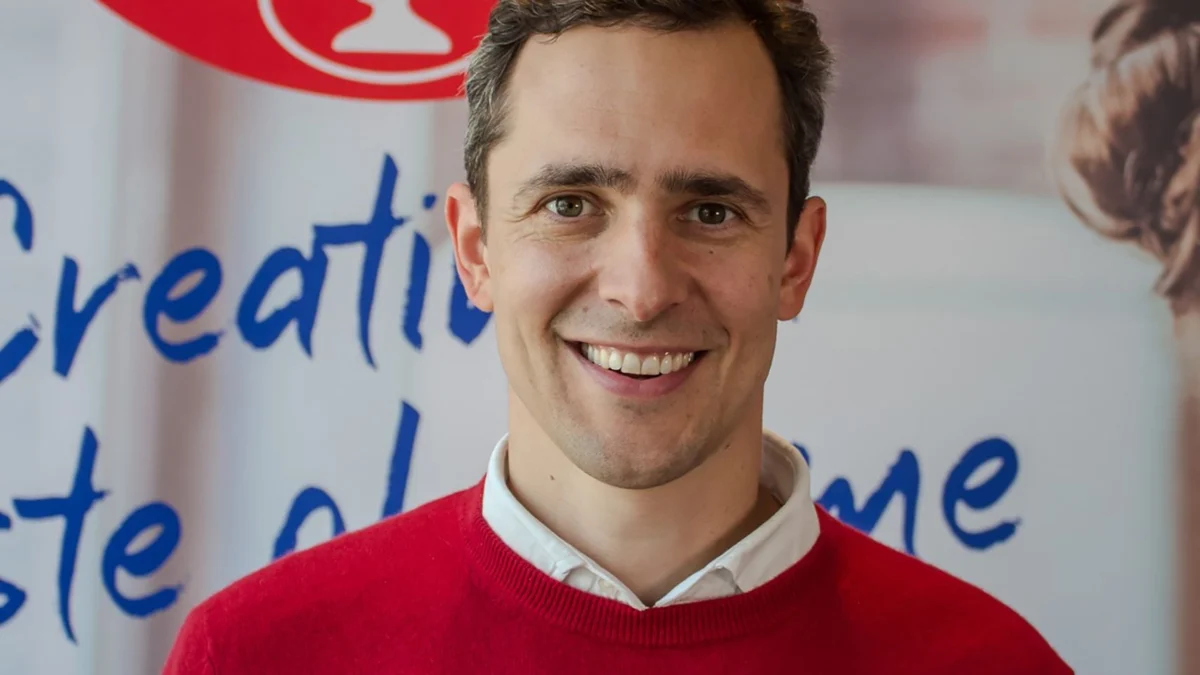
The Oetker Group, a diversified German conglomerate with interests spanning food, beverages, and hospitality, has announced its financial results for the fiscal year 2025, revealing a marginal increase in overall revenue. The company’s total turnover reached 7.1 billion Euros, marking a 0.3 percent rise compared to the previous year. However, this growth fell short of the ambitious targets the food giant had set for itself, according to its annual business report.
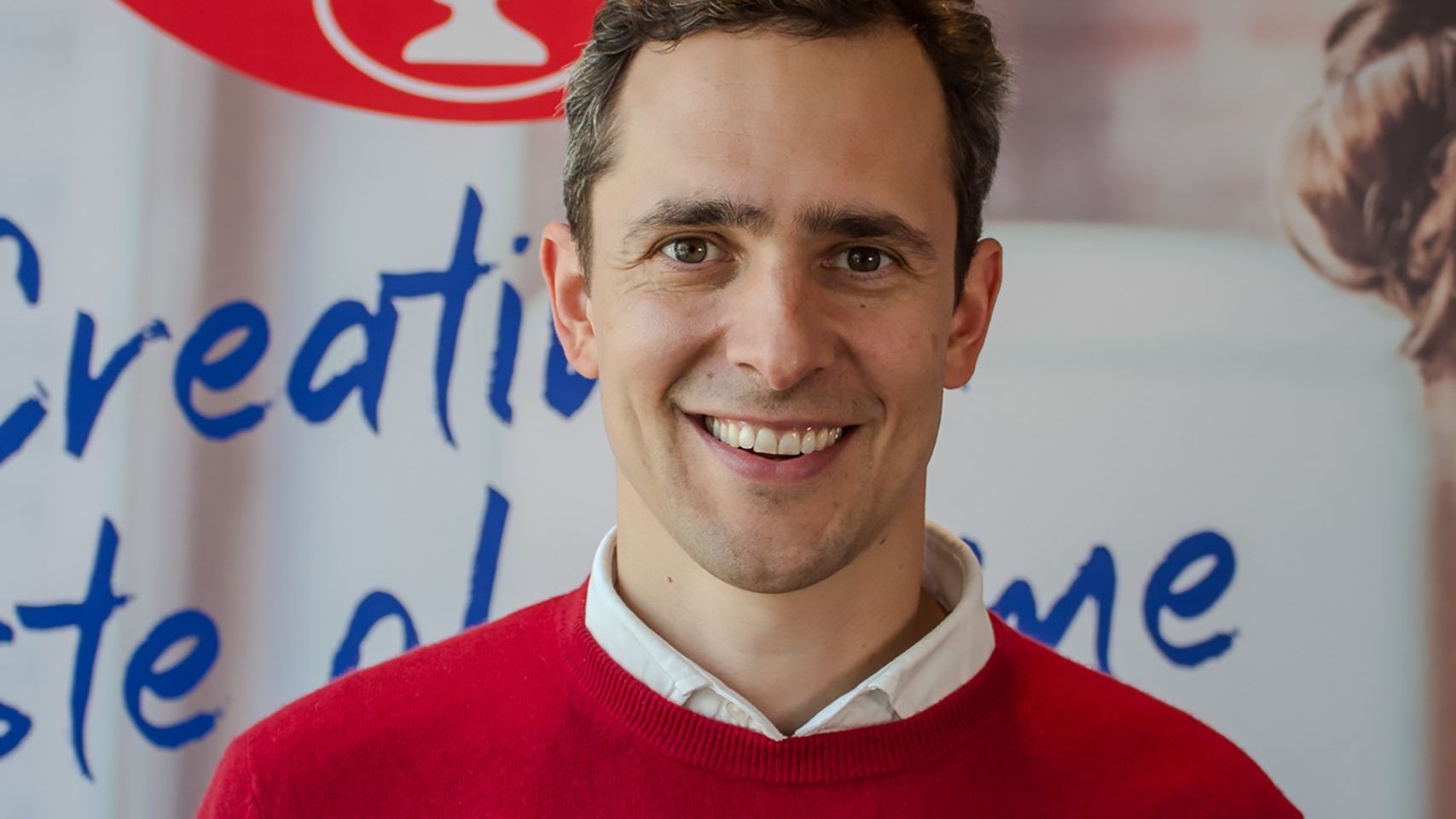
This period marks the first full year under the leadership of Carl Oetker, who took the helm in May 2025, succeeding Albert Christmann. Christmann, the first non-family member to lead the company in its extensive history, transitioned to the advisory board, the group’s highest supervisory body. Carl Oetker, a great-great-grandson of founder August Oetker, inherited a company with a robust business model and a strong brand identity.
"He has taken on a demanding legacy and made a good start," commented one industry insider on Carl Oetker’s tenure. "It’s not easy to forge one’s own path when a business model is already running so well. With such a strong brand and a secure business, the risk of disappointing is much greater than when one has to restructure a company." This perspective highlights the challenge of driving significant change within a well-established and successful enterprise.
A Mixed Financial Performance in a Challenging Year
In the preceding year, 2024, the Oetker Group had experienced more robust growth, with global revenues across its diverse portfolio – encompassing products like pudding, pizza, beer, the delivery service Flaschenpost, and luxury hotels – increasing by 2.5 percent. The company traditionally remains tight-lipped about specific profit figures, but this year’s report offered a terse assessment, stating that the annual result was "satisfactory."
The year 2025 presented a complex operating environment for the Oetker Group. Carl Oetker navigated a landscape marked by escalating geopolitical tensions, including ongoing trade conflicts and the ripple effects of international wars. Domestically, Germany faced noticeable economic sluggishness, further impacting consumer spending. These macroeconomic factors undoubtedly contributed to the company’s inability to meet its more aggressive growth projections.
Performance Across Key Business Segments
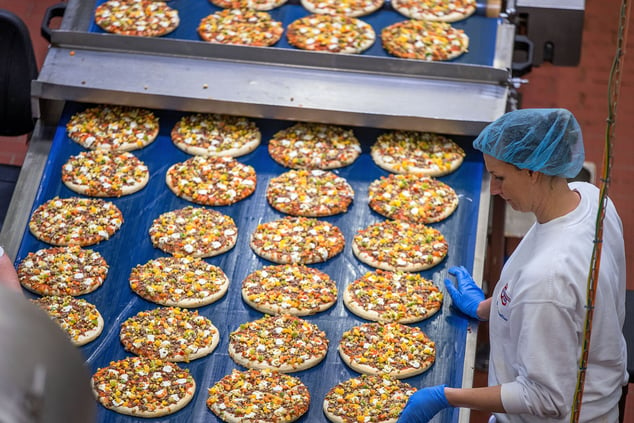
The food division, historically the largest and Carl Oetker’s declared "passion," generated 4.3 billion Euros in revenue, a modest increase of nearly one percent. This segment, which includes well-known brands in baking ingredients, pudding, pizza, and breakfast cereals, also underperformed against its internal forecasts.
Within the food sector, the premium frozen pizza segment, particularly the "Suprema" line, emerged as a growth driver. The company plans to expand this product range and explore new international markets in the upcoming year. The frozen food market, in general, demonstrated resilience. Sabine Eichner, managing director of the German Frozen Food Institute, noted that the sector "once again held its ground in 2025 despite a continued tense economic and consumer situation." Indeed, per capita consumption of frozen foods in Germany reached a record high of 51.6 kilograms in 2025, up from 50.8 kilograms the previous year, indicating sustained consumer demand for convenience and value.
The beverage division, centered around the Radeberger Gruppe, experienced a decline in sales. Revenue in this segment decreased by 2.6 percent, though it still surpassed the 2 billion Euro mark. Radeberger, Germany’s largest brewery group, which includes popular brands like Jever, Clausthaler, and Schöfferhofer, faced a challenging market. Domestic sales are estimated to have dropped by 4.3 percent to 9.5 million hectoliters in 2025, according to the trade publication "Getränke Info." This decline was steeper than the overall German brewing industry’s contraction of 5.8 percent.
However, the non-alcoholic beer segment showed promise. Both Radeberger’s alcohol-free offerings and Jever Fun experienced significant sales increases, mirroring a broader industry trend where non-alcoholic beverages are gaining traction. This suggests a potential area for future growth and strategic focus within the beverage portfolio. The broader challenges facing the brewing industry were articulated by Holger Eichele, CEO of the German Brewers’ Association, who pointed to "rising costs for energy, raw materials, and logistics, as well as intense competition in retail, are placing massive burdens on breweries." He also highlighted demographic shifts, noting that "younger people are drinking less alcohol."
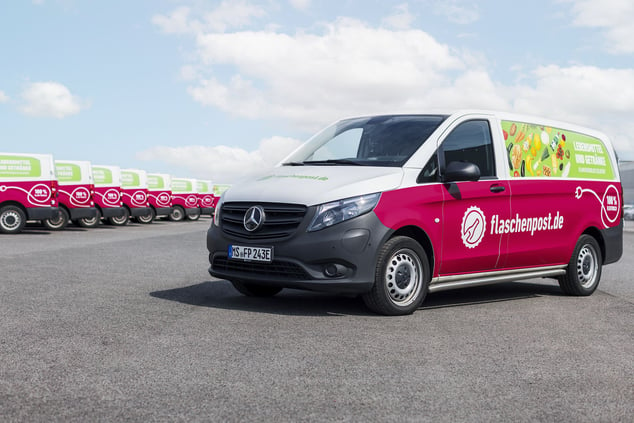
The "Other Interests" segment, encompassing newer ventures and diverse services, proved to be the strongest performer, achieving a 5.1 percent revenue increase, reaching 800 million Euros. This category includes the online grocery delivery service Flaschenpost, the IT service provider Oediv, and a portfolio of luxury hotels. Flaschenpost, in particular, has been a significant investment for Oetker. Following a substantial expansion of its delivery network across Germany in the past year, the service now reaches over 40 percent of all households nationwide from 31 warehouses. This expanded reach contributed positively, albeit modestly, to the segment’s revenue. Oetker acquired the Münster-based Flaschenpost in 2020 for an estimated 800 million Euros. The company aims to further enhance operational efficiency in the coming months.
The hotel division, featuring prestigious properties such as Brenner’s Park-Hotel in Baden-Baden and the Hôtel du Cap-Eden-Roc in Antibes, reported a "significant revenue increase." The IT service provider Oediv also saw moderate revenue growth.
Leadership and Succession: A New Era for Oetker
Carl Oetker’s ascent to the leadership of the Oetker Group is a significant moment for the family-run business. At 44 years old, he represents a younger generation of leaders in Germany’s prominent family-owned enterprises, joining the ranks of figures like Christoph Werner of dm-drogerie markt and Raoul Rossmann of the Rossmann drugstore chain.
"Indeed, we are seeing a significant decrease in the leadership of very large family companies by members of the entrepreneurial family," observed Tom Rüsen, CEO of the WiFu Foundation for Family Businesses. He noted a trend where subsequent generations are increasingly taking on roles within supervisory and control bodies rather than direct operational management, particularly in families with established multi-generational histories.
Carl Oetker’s professional background includes a stint as a consultant at the Boston Consulting Group. His strategic vision for the group, particularly his focus on the food business, has been evident since he took office.
Investment and Future Outlook
Looking ahead to 2026, the Oetker Group’s management anticipates a moderate increase in overall revenue. The company has maintained a consistent investment strategy, with annual expenditures exceeding 300 million Euros for several years, and expects this level of investment to continue. A significant portion of these investments is directed towards the company’s home market, Germany. Oetker has invested over one billion Euros in Germany over the past five years, with 250 million Euros allocated in 2025 alone. This sustained commitment underscores the group’s dedication to its German roots and operations.

Broader Societal and Political Context
Beyond financial performance, the Oetker leadership has also articulated views on broader societal and political issues. In the foreword of their annual report, Carl Oetker, along with co-CEOs Ute Gerbaulet and Niels Lorenz, called upon the federal government, led by Chancellor Friedrich Merz, to foster an environment where German companies can thrive in volatile domestic and international markets.
The company’s leadership expressed a deep concern about societal polarization. They noted that the division of societies into "us" and "them" is no longer solely an American phenomenon but affects nearly all nations, including Germany. The Oetker leadership expressed a strong hope that the "super election year" of 2026 will lead to a "widespread (re)awakening to our liberal democratic values."
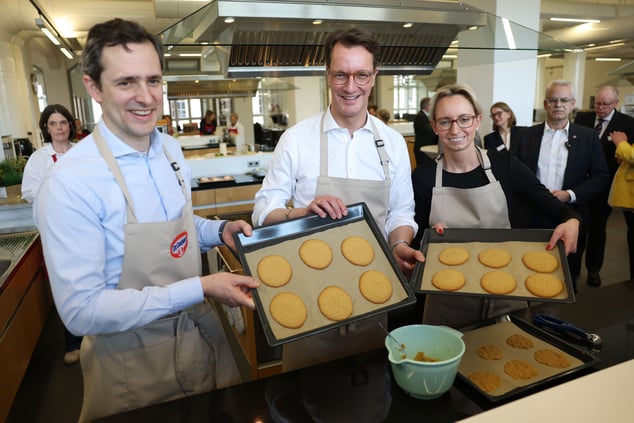
Carl Oetker himself maintains a relatively low public profile. His most notable public engagement since assuming leadership of the group was a visit from North Rhine-Westphalia’s Minister-President Hendrik Wüst (CDU) and the mayor of Bielefeld in February of the current year. This interaction highlights the company’s engagement with political stakeholders, particularly concerning its home region.

The Oetker Group’s journey in 2025 reflects the complexities of operating a global, multi-generational family business in an era of economic uncertainty and evolving consumer preferences. While modest revenue growth was achieved, the missed ambitious targets underscore the challenges ahead, particularly for Carl Oetker as he continues to shape the future of this venerable German enterprise. The company’s strategic focus on premium products, emerging markets, and its unwavering commitment to its domestic base suggest a path forward aimed at resilience and sustainable growth.
