

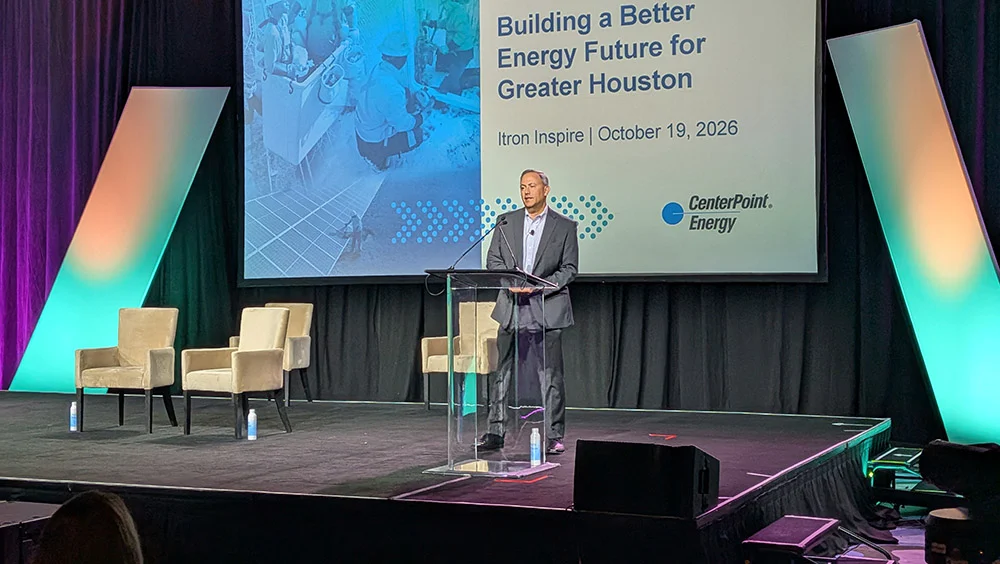
CenterPoint Energy is currently spearheading a transformative overhaul of the Texas Gulf Coast power infrastructure, aiming to establish the most resilient coastal grid in the United States through its comprehensive Greater Houston Resiliency Initiative (GHRI). As the fourth-largest city in the United States, Houston serves as a critical nexus for the global energy industry, international trade, and healthcare innovation. However, this economic prominence is frequently threatened by its geographic vulnerability to extreme meteorological events, ranging from catastrophic hurricanes and tropical storms to unprecedented winter freezes and localized flooding. To address these vulnerabilities, CenterPoint Energy has shifted its operational philosophy from traditional reactive maintenance to a data-centric, proactive strategy that leverages the latest advancements in Advanced Metering Infrastructure (AMI) and edge computing.
The Strategic Necessity of Grid Hardening in Southeast Texas
The impetus for the Greater Houston Resiliency Initiative stems from a series of high-impact weather events that exposed the limitations of legacy grid designs. Throughout 2024, the Houston metropolitan area faced a succession of severe weather challenges, including a destructive derecho in May and the landfall of Hurricane Beryl in July. These events caused widespread outages, highlighting the urgent need for a more robust and flexible distribution system capable of withstanding 21st-century climate realities.
Ed De Varona, Senior Vice President of CenterPoint Energy’s electric business, recently addressed these challenges during a keynote presentation at the Itron Inspire conference. De Varona emphasized that the rapid commercial and population growth in Houston necessitates a utility infrastructure that can not only withstand physical stress but also adapt to surging demand. The GHRI represents a multi-year commitment to integrating structural hardening with digital intelligence, ensuring that the grid remains functional even when subjected to extreme external pressures.
The initiative is designed around three primary pillars: physical hardening, system automation, and enhanced vegetation management. By addressing both the structural integrity of the lines and the digital "nervous system" that controls them, CenterPoint aims to minimize the frequency and duration of outages for its millions of customers.
Data Integration and the Evolution of Advanced Metering Infrastructure
A central theme of CenterPoint’s strategy is the belief that data is the foundational element of modern utility management. The transition to Advanced Metering Infrastructure (AMI) has fundamentally changed how the utility interacts with its hardware. In the past, utilities often relied on customer phone calls to identify the location and extent of power outages. Today, real-time data streams allow CenterPoint to diagnose system health autonomously.
De Varona noted that the current iteration of AMI allows information to be transferred automatically into the utility’s central systems. This connectivity provides a granular view of equipment health, allowing maintenance teams to identify failing components before they result in a service interruption. This "proactive care" model is essential for managing a grid of Houston’s scale, where the density of the population makes manual inspections of every asset logistically impossible.
Furthermore, the integration of intelligence at the "edge" of the grid—meaning at the transformer and meter level—enables faster decision-making. By moving computation closer to the source of the data, the system can respond to anomalies in milliseconds. This capability is the backbone of the "self-healing" grid, where automated switches can reroute power around a damaged section of the line, keeping the majority of customers online while technicians focus on the specific point of failure.
Chronology of Progress: Milestones in the Resiliency Journey
The Greater Houston Resiliency Initiative has moved rapidly from the planning phase to large-scale implementation. Following the severe weather events of early 2024, CenterPoint accelerated its deployment schedules to ensure that critical upgrades were in place before the peak of subsequent storm seasons.
By the end of 2025, the company had already recorded significant milestones in its hardening efforts. The vegetation management program, which is often the most effective way to prevent outages during high-wind events, saw a massive expansion. Higher-risk tree branches and invasive plants were cleared or trimmed across more than 14,000 miles of power lines. This effort alone was a primary contributor to the elimination of more than 100 million minutes of customer interruptions during the 2025 calendar year.

As of September 2026, the physical transformation of the Houston landscape has become increasingly visible. CenterPoint has installed more than 83,500 "hardened" poles. Unlike standard wooden poles, these upgraded structures are engineered to withstand extreme wind speeds, significantly reducing the likelihood of a "domino effect" where one falling pole brings down an entire circuit. Additionally, the company has successfully transitioned more than 900 miles of overhead power lines to underground configurations. While undergrounding is significantly more expensive and complex than overhead construction, it provides near-total immunity from wind and debris-related damage, making it a vital tool for the most vulnerable or critical corridors of the city.
Technical Innovation: The Role of Intelligent Devices
A key component of the 2026 rollout is the installation of over 300 intelligent, self-healing devices across the network. These devices, which include automated reclosers and smart switches, act as the "brain" of the distribution system. In a traditional grid, a branch falling on a line might trip a circuit breaker, cutting power to thousands of homes until a crew can manually reset the system. In a self-healing grid, the intelligent devices detect the fault, isolate the specific damaged segment, and automatically restore power to the unaffected parts of the loop.
De Varona highlighted that these upgrades are no longer considered optional "luxury" technologies but are now essential requirements for coastal utilities. The goal is to ensure that when issues do occur, they impact the fewest number of customers for the shortest possible duration. This focus on "duration reduction" is a critical metric for CenterPoint, as it directly correlates with public safety and economic stability during emergency situations.
The integration of these devices also allows for better management of "new loads." As Houston expands, particularly with the rise of electric vehicle charging stations and large-scale data centers, the grid must be able to balance these heavy demands without compromising reliability. The data provided by intelligent devices allows CenterPoint to perform "integrated planning," ensuring that infrastructure is built out ahead of demand rather than in response to it.
Economic and Public Safety Implications
The implications of a more resilient grid extend far beyond the utility’s balance sheet. For a city like Houston, power reliability is a matter of public health. During extreme heatwaves, which are becoming more frequent in Texas, a prolonged power outage can lead to heat-related illnesses and fatalities, particularly among vulnerable populations. Similarly, during winter storms, the loss of electricity can disable home heating systems, leading to dangerous conditions.
From an economic perspective, the 100 million minutes of interruptions saved in 2025 represent a significant preservation of productivity. For industrial customers in the Houston Ship Channel or the Texas Medical Center, even a momentary "flicker" in power can result in millions of dollars in lost research, spoiled products, or operational downtime. By hardening the grid, CenterPoint is essentially providing a form of economic insurance for the region.
Market analysts and regulatory bodies, including the Public Utility Commission of Texas (PUCT), have closely monitored the GHRI. The initiative serves as a potential blueprint for other coastal regions facing similar threats. The success of the program suggests that the high upfront costs of grid hardening—such as undergrounding and smart-device deployment—can be justified by the long-term reduction in emergency repair costs and the stabilization of the local economy.
Future Outlook: Building the Blueprint for National Resilience
As CenterPoint Energy moves toward its goal of creating the nation’s most resilient coastal grid, the lessons learned in Houston are likely to influence utility strategies across the country. The shift toward edge computing and autonomous diagnostics represents the "Grid 2.0" model, where the infrastructure is as much a digital network as it is a physical one.
Looking ahead, CenterPoint intends to continue its aggressive expansion of the GHRI. The targets for pole replacement, undergrounding, and device installation are expected to grow as the company identifies new areas of vulnerability. The ongoing challenge will be to maintain this momentum while balancing the costs to ratepayers and navigating the regulatory environment of the Texas energy market.
The Greater Houston Resiliency Initiative demonstrates that while weather hazards may be unpredictable, the grid’s response to them does not have to be. Through the strategic application of data, the reinforcement of physical assets, and a commitment to proactive innovation, CenterPoint Energy is redefining what it means to be a modern utility in an era of environmental uncertainty. The success of these efforts will ultimately be measured by the lights staying on in Houston, regardless of what the Gulf of Mexico sends its way.
