

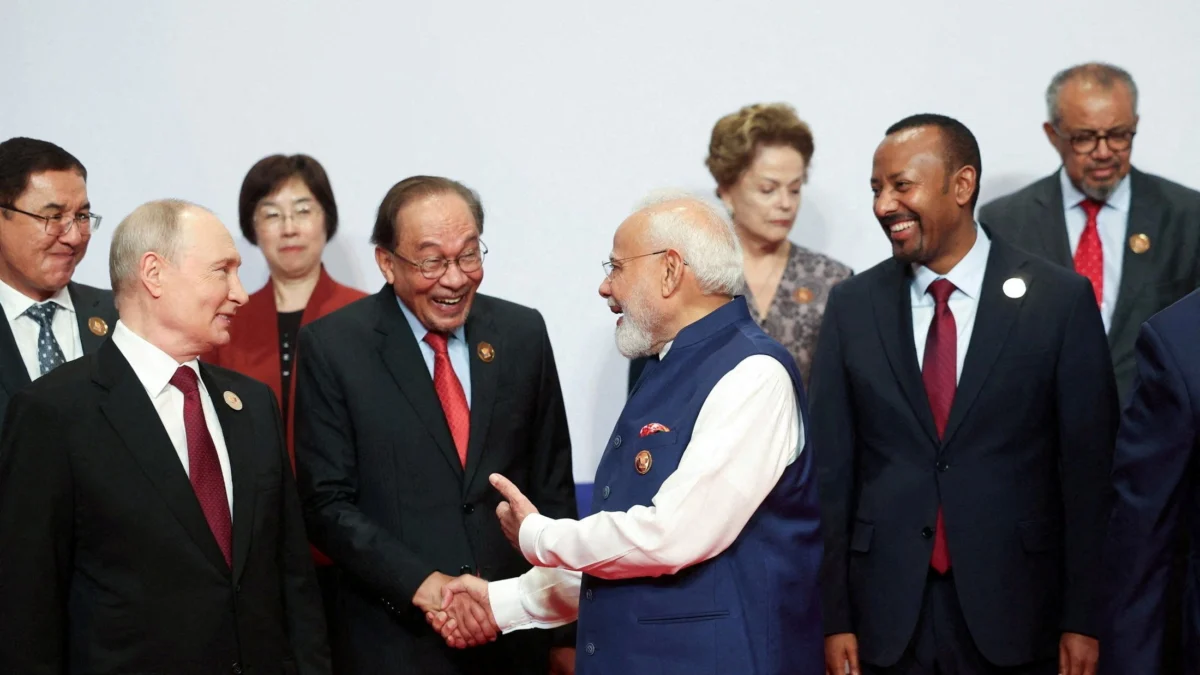
The BRICS nations, at their summit in India, presented a united front despite some internal disagreements, emphasizing a call for an end to the conflict in Iran. While criticism was voiced regarding the ongoing war, Russia’s military campaign in Ukraine remained conspicuously absent from the summit’s concluding statements. This diplomatic maneuver underscores the complex geopolitical landscape the bloc is navigating, particularly in light of upcoming high-stakes meetings involving key global leaders.
Context of the BRICS Summit
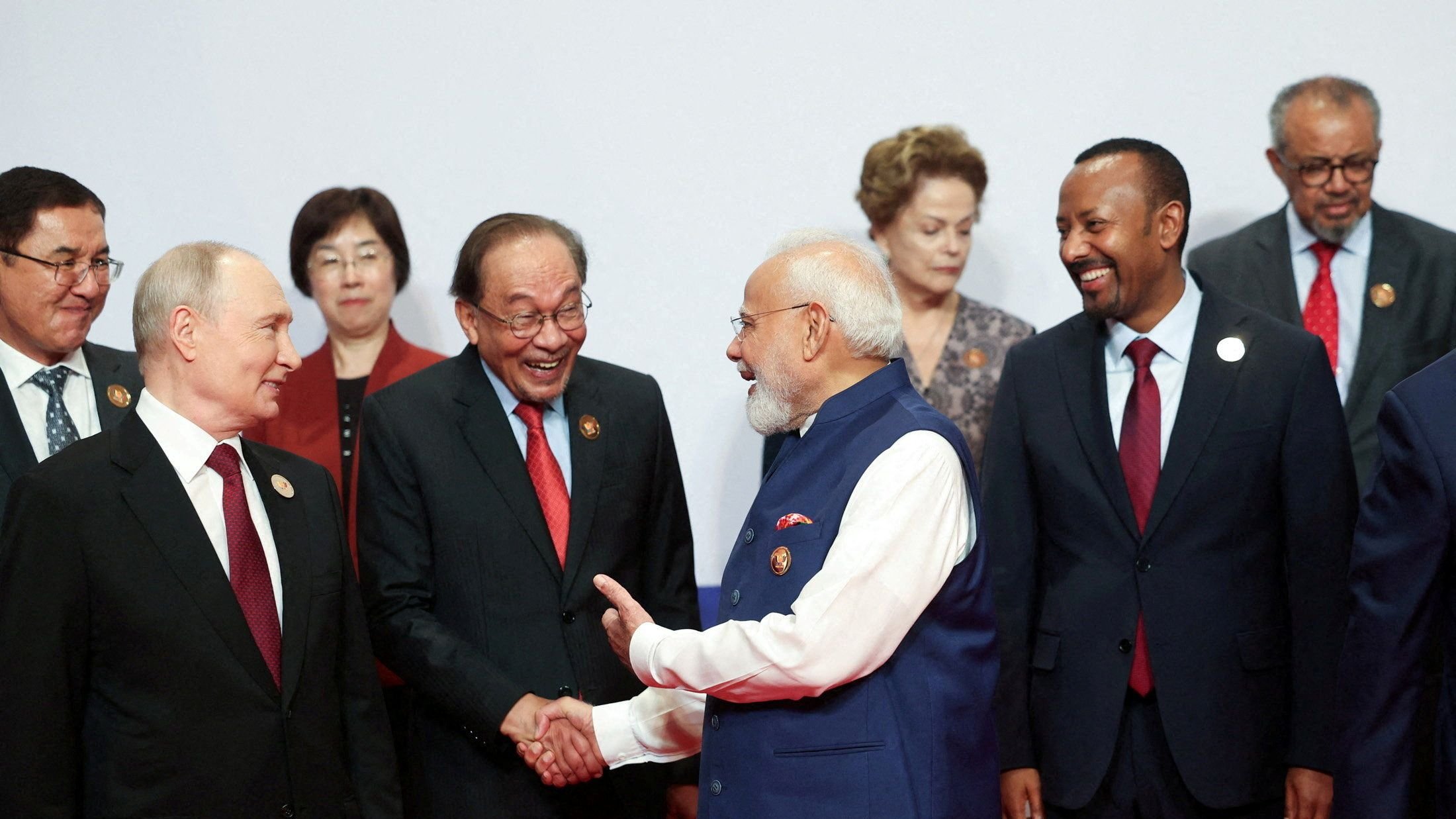
The summit, held in New Delhi, India, brought together leaders from Brazil, Russia, India, China, and South Africa, the founding members of the BRICS economic bloc. This gathering, occurring against a backdrop of escalating global tensions and shifting economic alliances, was seen as a crucial platform for these emerging economies to articulate their collective stance on pressing international issues. India, as the host nation, aimed to foster a spirit of cooperation and consensus among the members, a task made more challenging by divergent national interests and ongoing geopolitical conflicts.
The BRICS bloc has increasingly sought to position itself as a counterweight to Western-dominated international institutions, advocating for a more multipolar world order. This year’s summit was particularly significant as it preceded a scheduled meeting between U.S. President Donald Trump and Chinese President Xi Jinping, highlighting the strategic importance of the BRICS nations’ pronouncements on global affairs. China, set to assume the rotating presidency of BRICS next year, has been actively working to enhance the bloc’s influence and economic leverage.
China’s Stance on the Iran Conflict
Chinese President Xi Jinping used the BRICS summit as a platform to strongly condemn the war in Iran, stating that the conflict "does not serve the common interests of the international community." He further emphasized that the war had inflicted severe losses on the people of all countries in the region, though he notably refrained from directly naming the United States as the perpetrator. This statement, delivered less than two weeks before President Trump’s planned visit to the White House on September 24th, signals China’s strategic engagement with global issues and its desire to shape international discourse.
Xi’s remarks are particularly noteworthy given the timing. The U.S. initiated military operations in Iran earlier this year, leading to widespread international concern and condemnation. China, as a permanent member of the UN Security Council and a major global economic power, has a significant interest in regional stability and the unimpeded flow of international trade, which is often disrupted by prolonged conflicts. By publicly criticizing the Iran war at the BRICS summit, China aimed to demonstrate its commitment to multilateralism and its role as a peacemaker, while simultaneously subtly signaling its opposition to unilateral military actions.
The Absence of Discussion on Ukraine
A striking omission from the BRICS summit’s concluding declaration was any mention of Russia’s ongoing military campaign in Ukraine. While China and India reportedly offered their mediation services to find a peaceful resolution to the conflict, according to Russian authorities, this was not explicitly addressed in the joint statement. This suggests a deliberate effort by the BRICS nations to avoid contentious issues that could expose internal divisions.
Russia has been subjected to extensive international sanctions and diplomatic isolation following its invasion of Ukraine. India and China, while not openly supporting Russia’s actions, have maintained a more neutral stance, emphasizing diplomatic solutions and non-interference. Their offers of mediation, if genuinely pursued, could present an alternative avenue for de-escalation, potentially circumventing traditional Western diplomatic channels. Russian President Vladimir Putin welcomed these offers, indicating a potential willingness to explore new avenues for resolving the conflict, albeit on terms that may not align with Western expectations.

The strategic silence on Ukraine within the BRICS communiqué can be interpreted in several ways. It could reflect a desire to preserve the unity of the bloc, particularly as it seeks to expand its membership and influence. It may also indicate a coordinated effort to present a united front on broader geopolitical issues, such as the Iran conflict, without getting bogged down in the highly divisive issue of Ukraine. For some BRICS members, particularly those with strong economic ties to Russia, outright condemnation of the Ukraine war would be politically and economically challenging.
Implications for Global Geopolitics
The BRICS summit’s emphasis on the Iran conflict and its deferral of the Ukraine issue carry significant implications for the global geopolitical landscape.

- Shifting Alliances and Multipolarity: The BRICS nations are increasingly asserting their collective influence, seeking to reshape the global order and reduce the dominance of Western powers. Their coordinated stance on the Iran war, even without naming specific actors, signals a growing assertiveness in addressing international crises.
- U.S.-China Relations: The timing of President Xi’s remarks on the Iran war, preceding his meeting with President Trump, suggests a strategic move to frame the global narrative and potentially influence the agenda of the U.S.-China dialogue. China’s critique of military intervention could be a subtle warning against further escalation of tensions in various global hotspots.
- The Future of BRICS: The bloc’s ability to present a somewhat unified front on certain issues, while sidestepping others, highlights its evolving nature. As it considers potential expansion, the internal dynamics and the capacity to forge consensus on complex issues will be critical to its long-term effectiveness and credibility on the international stage.
- Impact on Regional Conflicts: The BRICS’ call for an end to the Iran war, coupled with offers of mediation for Ukraine, could signal a desire to play a more active role in conflict resolution. However, the effectiveness of these efforts will depend on the willingness of the involved parties to engage with the BRICS nations and the extent to which their proposals align with broader international peace objectives.
Broader Economic Considerations
Beyond the geopolitical pronouncements, the BRICS summit also touched upon economic cooperation. The bloc has been working to deepen trade ties, promote the use of local currencies in bilateral trade, and explore avenues for financial integration. These efforts are aimed at reducing reliance on the U.S. dollar and strengthening the economic resilience of member nations. Discussions likely included initiatives such as the New Development Bank (NDB), which provides funding for infrastructure and sustainable development projects in BRICS and other emerging economies. The NDB has been seen as a key pillar of BRICS’ ambition to create alternative financial institutions.
The economic implications of the ongoing conflicts in Iran and Ukraine are substantial, affecting global supply chains, energy prices, and inflation rates. By calling for an end to the Iran war, BRICS nations are implicitly advocating for a return to stability that would benefit global economic recovery. Their stance on Ukraine, while less direct, also points to a desire for a resolution that would alleviate economic pressures stemming from sanctions and geopolitical instability.

Looking Ahead
The BRICS summit in New Delhi has underscored the bloc’s growing assertiveness on the global stage. While presenting a united front on issues like the Iran conflict, the internal dynamics and the approach to more contentious matters like the war in Ukraine reveal the complexities and nuances of this emerging economic and political power. The upcoming meeting between President Trump and President Xi will be closely watched for any signs of how these BRICS pronouncements might influence broader international relations and the ongoing efforts to navigate a turbulent global landscape. The BRICS nations’ call for an end to conflict, irrespective of the specific context, reflects a broader aspiration for a more stable and cooperative international order, even as they chart their own distinct path in global affairs.
