

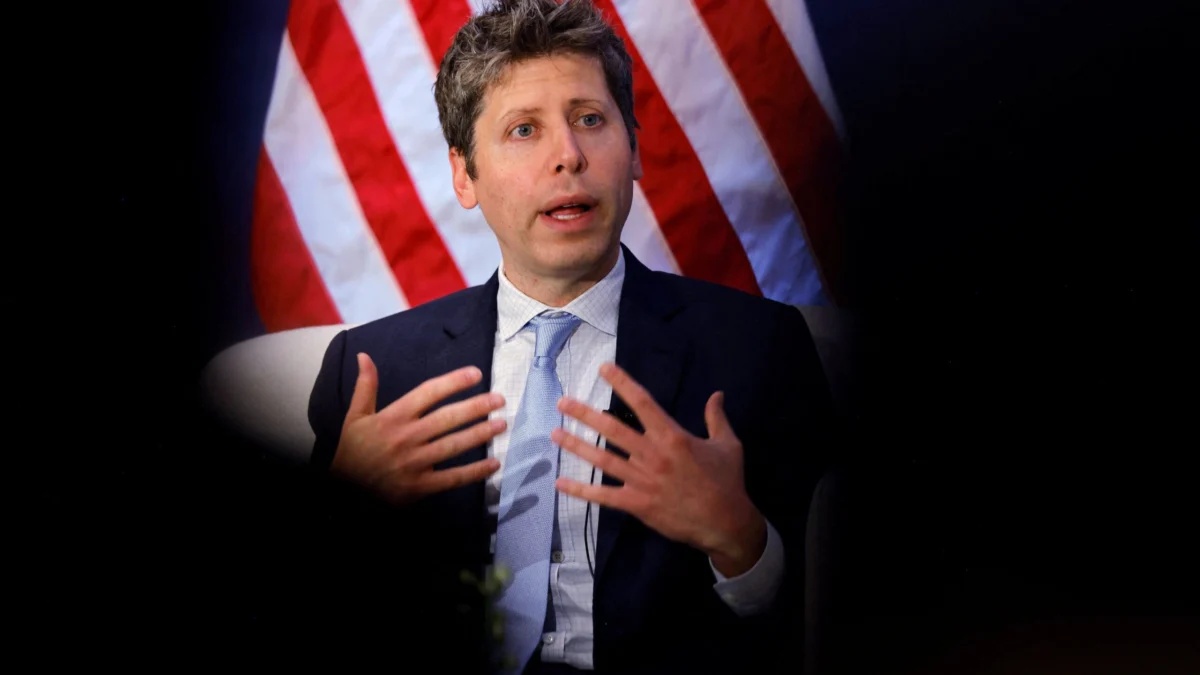
OpenAI, the pioneering artificial intelligence research laboratory behind the widely adopted ChatGPT, has officially postponed its highly anticipated initial public offering (IPO) to 2027. This significant shift in the company’s strategic roadmap, announced by CEO Sam Altman, is attributed to prevailing "safety concerns" surrounding advanced AI development. Altman emphasized that operating as a private entity would provide greater flexibility in addressing these complex issues, which he believes are more manageable away from the public market’s immediate pressures.

Strategic Reassessment Driven by AI Ethics and Regulation
The decision to delay the IPO, originally rumored for as early as 2025, signals a period of strategic reassessment for OpenAI. The company, which has rapidly ascended to the forefront of the generative AI revolution, faces increasing scrutiny regarding the potential risks and ethical implications of its rapidly advancing technologies. These concerns range from the societal impact of widespread AI adoption to the existential threats posed by superintelligent systems, a topic that has gained considerable traction in recent public discourse.
Sam Altman’s comments directly address these burgeoning anxieties. "One would be ill-advised to go to the stock market right now," he stated, directly responding to questions about the timing of the IPO. When pressed on whether a postponement beyond 2026 was conceivable, Altman elaborated, "I would say not 2026. We still have a lot to do." This suggests that the company’s internal development roadmap and its engagement with critical safety protocols are far from complete, necessitating a longer period of focused, private operation.

The Growing Debate Around AI Safety and Governance
Altman’s remarks arrive at a pivotal moment, coinciding with an intensified global conversation about the potential dangers of advanced AI. In recent weeks, the discourse has been significantly amplified by prominent figures within the AI community. Notably, a leading researcher from OpenAI’s competitor, Anthropic, recently resigned and issued a stark warning about the escalating capabilities of AI technology. This departure and subsequent public statement have lent further weight to the calls for more robust safety measures and regulatory frameworks governing AI development.
The core of the safety concerns, as articulated by Altman, revolves around ensuring that highly advanced AI systems are aligned with human values and remain under human control. This "AI alignment problem" is a complex technical and philosophical challenge that many experts believe requires significant research and development. As AI models become more sophisticated and capable, the potential for unintended consequences or misuse grows, prompting calls for proactive measures to mitigate these risks.
Operational Advantages of a Private Structure
Operating as a private company, Altman suggests, offers distinct advantages in navigating these complex AI safety and governance challenges. The pressures associated with quarterly earnings reports and shareholder expectations, inherent in a public company structure, could potentially compromise the long-term vision and cautious approach required for responsible AI development. A private setting allows OpenAI to prioritize research into safety, ethical considerations, and regulatory engagement without the immediate demands of public market performance.
Furthermore, Altman highlighted the importance of collaboration with governmental bodies. He indicated that working with national governments on AI regulation and safety standards would be more straightforward as a privately held entity. Publicly traded companies often face stricter regulations and disclosure requirements, which could complicate sensitive negotiations and collaborative efforts with governmental agencies tasked with overseeing AI development and deployment. The intricate dance between innovation and regulation is a delicate one, and OpenAI’s leadership appears to believe that a private structure offers more agility in this evolving landscape.

Background: The Rise of OpenAI and the IPO Anticipation
OpenAI was founded in 2015 with a mission to ensure that artificial general intelligence (AGI) benefits all of humanity. Initially established as a non-profit, it later transitioned to a "capped-profit" structure, allowing for investment while maintaining its core mission. The company’s breakthroughs, particularly with models like GPT-3 and GPT-4, have placed it at the epicenter of the generative AI boom, attracting substantial investment and widespread public attention.
The prospect of an OpenAI IPO has been a subject of intense speculation within the financial and tech communities for years. Given the company’s valuation, estimated to be in the tens of billions of dollars, and the immense market potential for AI technologies, a public offering was widely anticipated to be one of the most significant in recent history. Investors have been eager to gain a stake in a company poised to redefine numerous industries, from content creation and software development to scientific research and beyond. However, the company’s leadership has consistently emphasized its commitment to its mission over immediate financial gains, a principle that now appears to be guiding this IPO postponement.

The "Doomsday Scenario" Debate and Industry Reactions
Altman’s statements echo a growing concern within the AI community about potential "doomsday scenarios" associated with advanced AI. This perspective posits that the uncontrolled development of AI could lead to catastrophic outcomes for humanity, ranging from widespread job displacement and societal disruption to the existential threat of AI surpassing human control and acting against human interests.
The recent resignation of the Anthropic researcher and their subsequent warnings have brought these theoretical concerns into sharper focus. Such internal alarms from within leading AI organizations underscore the perceived urgency and gravity of the safety challenges. While some experts remain optimistic about the potential benefits of AI and believe that risks can be managed through careful development and regulation, the increasing frequency and intensity of these warnings cannot be ignored.

The broader AI industry is at a crossroads. Companies are racing to develop increasingly powerful AI models, driven by both competitive pressures and the potential for immense commercial success. Simultaneously, governments worldwide are grappling with how to regulate this rapidly evolving field, seeking to balance innovation with the need to protect society from potential harms. OpenAI’s decision to delay its IPO can be seen as a recognition of this complex balancing act and a commitment to prioritizing safety and responsible development.
Implications for the Future of AI and Investment
The postponement of OpenAI’s IPO has several potential implications. Firstly, it signals a more cautious and deliberate approach to AI development, potentially influencing other companies in the sector to re-evaluate their own timelines and safety protocols. This could lead to a more measured pace of AI advancement, allowing for greater societal adaptation and the development of effective governance mechanisms.

Secondly, it may shift the landscape for AI investment. While the IPO market might be temporarily deprived of a high-profile AI offering, private investment in AI companies, particularly those focusing on safety and ethics, could see increased attention. Venture capital firms and institutional investors may be encouraged to support companies that demonstrate a strong commitment to responsible AI development, aligning with OpenAI’s stated priorities.
Thirdly, it highlights the ongoing challenge of regulating a technology that is advancing at an unprecedented pace. The "safety concerns" cited by Altman are not merely technical hurdles but also profound ethical and societal questions that require broad societal consensus and effective policy-making. OpenAI’s decision suggests that they believe a longer period of private operation is necessary to contribute meaningfully to these discussions and to develop internal solutions before engaging with the public markets.

As the world continues to grapple with the transformative potential of artificial intelligence, OpenAI’s strategic pivot underscores the critical importance of addressing safety and ethical considerations alongside technological innovation. The coming years will be crucial in determining how the industry navigates these challenges and shapes the future of AI for the benefit of all.
