

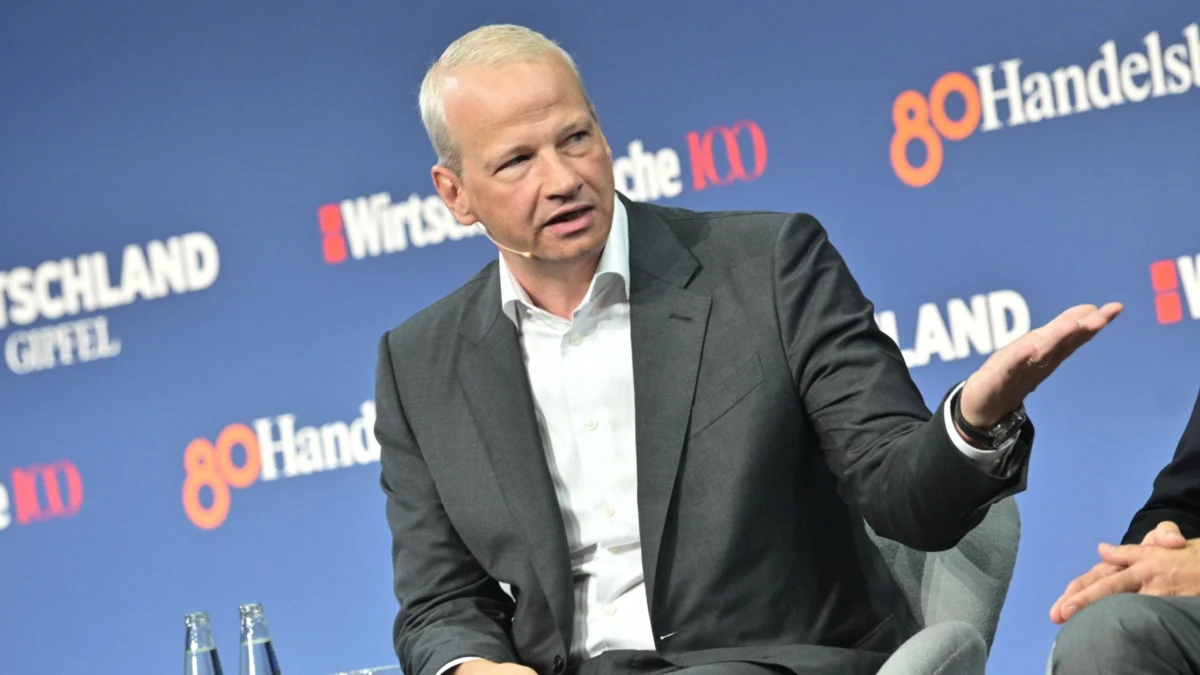
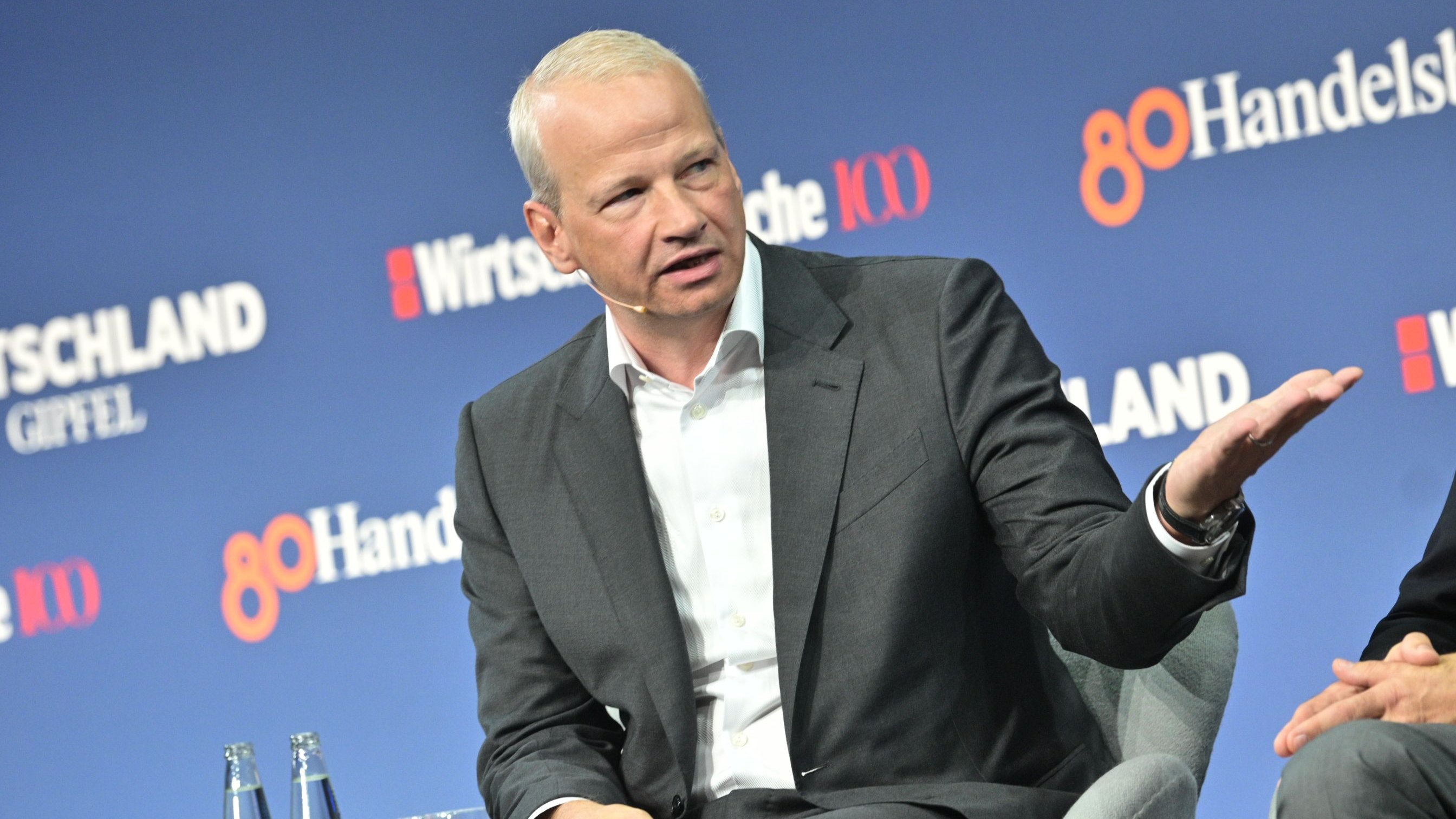
BASF CEO Markus Kamieth has offered his most direct, albeit indirect, public commentary to date regarding the company’s acquisition interest in Evonik, suggesting a strong industrial rationale behind a potential combination. Speaking at the Deutschland-Gipfel, Kamieth emphasized the compelling logic of integrating a specialty chemicals provider like Evonik with BASF’s established strengths. This statement comes weeks after BASF reportedly submitted a takeover bid for Evonik, a move that was subsequently rejected by the Essen-based specialty chemicals company.
The German chemical giant, BASF, known for its integrated "Verbund" production system and its extensive portfolio ranging from basic chemicals to highly specialized products, has been rumored to be pursuing Evonik, a key player in specialty chemicals, for a sum estimated to be around ten billion euros. The unsolicited offer, if confirmed by the reported figures, represents a significant strategic move by BASF to bolster its position in higher-margin specialty markets. Evonik, with its focus on high-performance materials, nutrition, and care chemicals, presents a potential avenue for BASF to diversify and enhance its product offerings.
Background and Context
The chemical industry, a cornerstone of the German economy, has been navigating a complex landscape characterized by fluctuating energy prices, global supply chain disruptions, and increasing regulatory pressures. In this environment, consolidation and strategic acquisitions are often viewed as pathways to achieving greater efficiency, economies of scale, and enhanced market competitiveness. For a company like BASF, which operates on a massive scale, the acquisition of a specialized entity like Evonik could be a strategic imperative to move up the value chain and capture higher profit margins.
Evonik, headquartered in Essen, has carved out a niche as a global leader in specialty chemicals, focusing on areas such as coatings and additives, nutrition and care, and smart materials. Its business model emphasizes innovation and tailored solutions for specific industrial applications, often commanding higher price points and enjoying more resilient demand compared to basic chemicals. The company’s strong performance in these segments has made it an attractive target for a diversified chemical conglomerate like BASF.
The Reported Offer and Evonik’s Response
While official confirmation from either company regarding the exact terms or even the existence of a formal offer has been scarce, reports in the German business press suggest that BASF submitted a bid in the range of €10 billion for Evonik. This valuation would represent a substantial premium and a significant investment for BASF.
However, Evonik’s management has reportedly been unsupportive of the unsolicited approach. The company’s board, tasked with acting in the best interests of its shareholders, likely assessed the offer against its own strategic objectives and market valuation. The rejection of the bid, as reported, indicates a belief within Evonik’s leadership that the offer did not adequately reflect the company’s intrinsic value or its future growth potential. Furthermore, Evonik has historically emphasized its independence and its strategic focus on innovation and organic growth within its specialized segments. A forced merger or acquisition could disrupt these long-term strategies and potentially lead to a dilution of its core strengths.
BASF’s Strategic Rationale: "Strong Industrial Logic"
In his remarks at the Deutschland-Gipfel, BASF CEO Markus Kamieth articulated the strategic thinking behind such a potential union. He stated, "A combination of BASF and another strong player from the specialty chemicals sector makes a lot of sense." This statement, while not a direct confirmation of an offer, strongly signals BASF’s strategic intent and its assessment of the synergistic potential.
Kamieth elaborated on this by highlighting how BASF could leverage its established strengths in basic chemistry to complement Evonik’s specialty focus. "BASF can also contribute its strength in basic chemistry in such a connection," he explained. BASF’s core competency lies in its integrated "Verbund" system, where production plants are interconnected to efficiently use by-products from one plant as raw materials for another. This system allows for significant cost efficiencies in the production of basic chemicals, which form the foundation for many downstream products, including specialty chemicals.

By acquiring a company like Evonik, BASF could integrate its upstream production capabilities with Evonik’s downstream expertise in developing and marketing specialized chemical solutions. This vertical integration could lead to:
- Enhanced Cost Efficiency: BASF could potentially supply key raw materials to Evonik at a lower cost than Evonik might otherwise procure them, improving Evonik’s profit margins.
- Streamlined Innovation: Combining R&D efforts could accelerate the development of new, high-value products by leveraging the combined scientific expertise and market insights of both companies.
- Broader Market Reach: The merged entity would possess a more comprehensive product portfolio, catering to a wider range of industries and customer needs, thereby strengthening its competitive position globally.
- Synergies in Operations and Procurement: Consolidation would likely lead to operational efficiencies and increased bargaining power with suppliers.
The Specialty Chemicals Landscape
The specialty chemicals sector is a high-growth, high-margin segment of the chemical industry. Companies in this space typically differentiate themselves through innovation, customer-specific solutions, and deep technical expertise. Unlike commodity chemicals, which are largely undifferentiated and price-sensitive, specialty chemicals offer unique performance characteristics that are critical for their end applications.

This segment is also characterized by its resilience to economic downturns, as the demand for specialty chemicals is often driven by essential applications in sectors like healthcare, agriculture, automotive, and consumer goods. For a diversified chemical giant like BASF, a stronger presence in specialty chemicals could provide a buffer against the cyclicality of its traditional commodity chemical businesses and contribute to more stable earnings.
Potential Implications and Analysis
The potential acquisition of Evonik by BASF, if it were to materialize, would have significant implications for the global chemical industry:

- Industry Consolidation: A deal of this magnitude would likely spur further consolidation within the European and global chemical sectors, as other players assess their competitive positions and potential strategic responses.
- Market Dynamics: The combined entity would become a formidable force in the specialty chemicals market, potentially reshaping competitive dynamics and influencing pricing strategies.
- Innovation and R&D: The integration of research and development capabilities could lead to accelerated innovation and the introduction of novel chemical solutions across various industries.
- Employment and Operations: Significant operational and structural changes would be expected, including potential impacts on employment and the rationalization of production sites, although specific details would depend on the final deal structure and the companies’ strategic integration plans.
- Regulatory Scrutiny: A merger of this scale would undoubtedly attract the attention of antitrust regulators in Germany, the European Union, and other key markets, who would assess the potential impact on competition.
Future Outlook
While BASF’s CEO has signaled a clear strategic interest, the path to a potential acquisition of Evonik remains uncertain. Evonik’s board has demonstrated a firm stance against the current overtures, suggesting that any future negotiations would require a significant shift in either the offer’s terms or Evonik’s strategic outlook.
The chemical industry is in constant evolution, driven by technological advancements, sustainability imperatives, and market demands. BASF’s interest in Evonik underscores the strategic importance of specialty chemicals in achieving long-term growth and profitability. The coming months will likely see continued discussions and strategic maneuvering as both companies, and the broader industry, navigate this pivotal moment. The ultimate outcome will depend on the ability of both parties to find common ground that aligns with their respective strategic goals and shareholder interests, while also satisfying regulatory requirements.
