

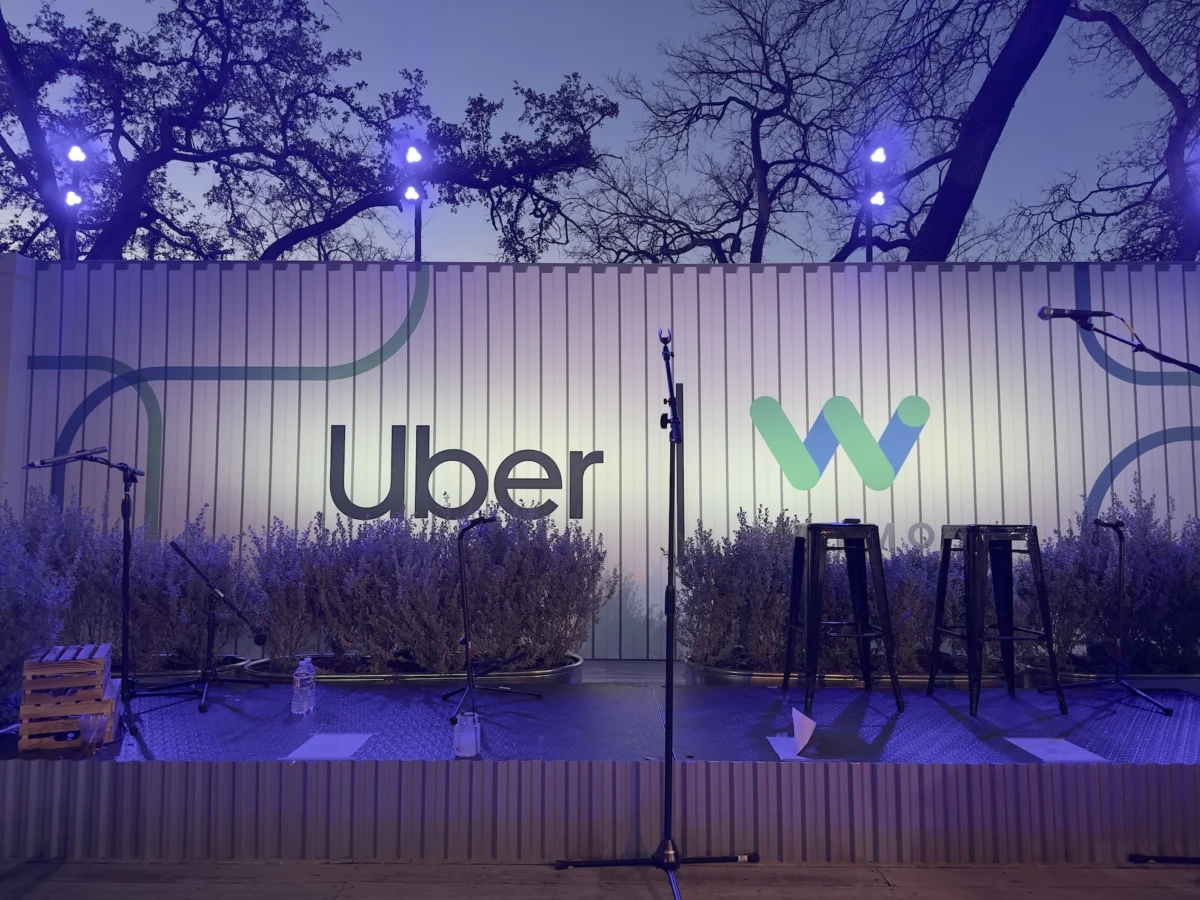
The future of autonomous vehicle (AV) deployment in Washington D.C. hangs in the balance, as a proposed bill aimed at regulating robotaxi operations has ignited a fierce behind-the-scenes battle between industry giants Uber and Waymo. The conflict, which has recently spilled into public discourse, underscores the intense competition and divergent strategic interests within the rapidly evolving mobility sector, particularly as artificial intelligence (AI) increasingly shapes its trajectory. This regulatory skirmish highlights critical questions about market access, competition, and the role of human drivers in an automated future.
The D.C. Regulatory Battleground: A Deep Dive into Conflicting Interests
For several weeks, the D.C. Council has been deliberating a legislative proposal designed to establish a framework for autonomous vehicles to operate within the nation’s capital. While seemingly a standard regulatory process, investigations into correspondence and lobbying efforts reveal a significant schism, particularly between former partners Uber and Waymo. The crux of the conflict lies in Uber’s vehement opposition to the current draft of the bill, arguing that its provisions would inadvertently create a de facto monopoly for Waymo while simultaneously displacing human for-hire drivers.
Uber’s primary contention is that the bill, as currently written, would grant Waymo an unfair competitive advantage. Uber has actively lobbied for a "hybrid" operational model, which would mandate that robotaxis integrate into existing ride-hailing networks, operating alongside human drivers. This approach, according to Uber, would foster a more equitable market and prevent the immediate mass displacement of human workers who rely on ride-hailing platforms for their livelihoods. Sources close to the D.C. Council, however, suggest that Uber’s hybrid proposal faces an uphill battle, with slim chances of being enacted into law. Should it pass, AV developers like Waymo would be presented with two unpalatable choices: either surrender control of their meticulously developed autonomous fleets to third-party ride-hailing applications such as Uber, or incur the substantial additional costs of employing human safety drivers alongside their multi-million dollar robotaxi investments.
Conversely, Waymo appears to be one of the few industry players largely content with the proposed legislation. The company has already been conducting extensive testing of its autonomous vehicles in Washington D.C., albeit with human safety operators. Crucially, Waymo has surpassed the bill’s stringent mandatory testing requirements of 180 days and 250,000 miles. This compliance positions Waymo to gain a significant six-month head start in the D.C. market if the bill passes without substantial amendments, allowing them to commence commercial operations well ahead of competitors still struggling to meet these thresholds.

The D.C. Council hearing held on Monday drew a wide array of stakeholders, reflecting the multifaceted impact of AV deployment. Representatives from major mobility companies including Lyft, Tesla, Uber, and Waymo were present. Their testimonies were complemented by the voices of dozens of disability rights and accessibility advocates, local business and industry groups, highway safety organizations, government officials, labor unions, and think tanks. This broad participation underscores the complex interplay of economic, social, and safety considerations inherent in integrating autonomous technology into urban environments.
The consensus from the hearing, echoed by subsequent industry feedback, indicated widespread dissatisfaction with the bill among most AV developers, with Waymo being a notable exception. Tesla’s senior policy adviser, India Herdman, articulated several common industry objections. These included the aforementioned 180-day, 250,000-mile mandatory testing requirement, which many deem overly prescriptive and inefficient, especially for companies with extensive testing data from other jurisdictions. Further concerns were raised regarding the substantial financial barriers to entry: a $1 million application fee, a $5 million permit fee, and a $0.15-per-mile tax on operations. Tesla, alongside other companies, argued for the recognition of testing miles accumulated in other states, advocating for a more streamlined and less costly path to market entry that acknowledges the national scope of AV development.
The broader implications of the D.C. bill extend beyond immediate market access. The capital city’s regulatory framework could serve as a precedent for other municipalities contemplating similar legislation. If D.C. adopts a highly restrictive and costly model, it could stifle innovation and limit competition, potentially entrenching dominant players like Waymo who have the resources to meet such demands. Conversely, a more flexible framework, perhaps incorporating elements of Uber’s hybrid model, could foster a more diverse ecosystem, albeit with potential challenges regarding operational complexity and liability. The outcome in D.C. will be closely watched by the entire AV industry, influencing future investment decisions and deployment strategies across the country.
Strategic Moves and Market Consolidation: Uber’s Global Expansion and Key Investments
Beyond the regulatory skirmishes, the mobility sector continues to witness significant financial activity, signaling both growth and consolidation. Uber, already a global behemoth in ride-hailing and delivery, is poised to dramatically expand its delivery footprint through a colossal $14.8 billion acquisition of Germany’s Delivery Hero. This ambitious deal, if it clears the inevitable regulatory hurdles, would grant Uber access to nearly 100 new markets spanning Europe, the Middle East, Latin America, and Asia, effectively doubling its global delivery reach. The strategic rationale is clear: by integrating Delivery Hero’s operations, Uber aims to solidify its dominance in the burgeoning online food and grocery delivery market, leveraging economies of scale and cross-platform synergies. As part of this broader transaction, Delivery Hero also struck a separate agreement to divest its business in 14 markets where Uber Eats already operates, selling these assets to New York-based investment firm SSW Partners for $1.6 billion. This intricate series of transactions underscores the intense competitive pressures and the drive for market consolidation within the global delivery landscape.
The investment landscape also saw several notable funding rounds for innovative startups:

- Self Inspection: This San Diego-based startup, dedicated to revolutionizing the vehicle inspection process through AI, successfully raised $10 million in a funding round spearheaded by Sheryl Sandberg’s family office. Strategic investments also came from tire distributor U.S. AutoForce and automotive lender Westlake Financial, indicating strong industry interest in leveraging AI for greater efficiency and accuracy in vehicle maintenance and resale. Early-stage funds such as Costanoa Ventures, Rebellion Ventures, and BrightCap Ventures also participated, signaling confidence in the company’s disruptive potential. The increasing complexity of modern vehicles and the growing market for used cars create a fertile ground for AI-powered solutions that can streamline and standardize inspection procedures.
- Senra: Addressing a critical, often overlooked component of advanced manufacturing, Senra secured $65 million in a Series B round. This startup is focused on modernizing the production of wire harnesses, a notoriously labor-intensive and error-prone process that remains largely rooted in Cold War-era techniques. The round was co-led by Lowercarbon and Interlagos, with participation from an impressive roster of venture capital heavyweights including General Catalyst, Sequoia Capital, Andreessen Horowitz, and Founders Fund. The substantial investment highlights the urgent need for innovation in foundational manufacturing processes, particularly as the automotive and aerospace industries demand increasingly complex and reliable wiring systems for electric vehicles, autonomous systems, and advanced avionics. Senra’s success reflects a broader trend of VCs targeting "deep tech" solutions that can improve industrial efficiency and supply chain resilience.
- Zepto: The Indian fast-delivery company, which had previously achieved a peak valuation of $7 billion, is reportedly facing a significantly lower valuation for its upcoming initial public offering (IPO), according to Bloomberg. This development underscores the shifting investor sentiment towards rapid-delivery services, which have faced increased scrutiny regarding their profitability models and long-term sustainability. While the quick commerce sector boomed during the pandemic, investors are now prioritizing companies with clearer paths to profitability over sheer growth metrics, leading to more conservative valuations in public markets.
Broader Mobility Trends and Regulatory Scrutiny
The mobility sector continues to be a hotbed of technological innovation, regulatory challenges, and evolving societal impacts.
- Emerging EV Concepts: Chip Motors, a Miami-based startup, unveiled a low-speed small electric vehicle (EV) tailored for short errands and family use. This compact EV features some automated driving capabilities, representing a niche in the market for urban mobility solutions that blend manual driving with assistive automation, distinct from full self-driving systems.
- Privacy Concerns in Law Enforcement: The Los Angeles Police Department (LAPD) reportedly allowed its contract with Flock Safety to expire, citing "serious concerns over civil liberties and privacy." Flock Safety is a prominent surveillance company that provides license plate cameras to law enforcement agencies across the United States. This decision by one of the nation’s largest police forces reflects a growing public and governmental apprehension regarding the widespread deployment of surveillance technologies and their potential impact on individual privacy rights. The debate over balancing public safety with civil liberties continues to be a critical issue in the adoption of advanced monitoring systems.
- Turbulence in the EV Market: Lucid Motors, a high-profile electric vehicle manufacturer, vehemently denied reports suggesting it was considering filing for Chapter 11 bankruptcy. The initial, unsubstantiated report caused the company’s stock to plummet by over 50% in a single day, marking its largest intra-day drop ever. The company’s communications team, its CEO, and an official filing with the U.S. Securities and Exchange Commission (SEC) all swiftly refuted the rumors, leading to a subsequent recovery in its stock price, which now trades about 28% higher than before the incident. This episode vividly illustrates the volatility and investor sensitivity surrounding EV startups, many of which are capital-intensive and face intense competition, making them susceptible to market speculation.
- Competitive Landscape in Ride-Hailing: Lyft CEO David Risher made headlines with his assertion that Lyft is the "Good Uber," a remark that encapsulates the ongoing efforts by ride-hailing companies to differentiate themselves in a competitive market often plagued by public relations challenges. This statement reflects a strategic attempt to cultivate a more positive brand image, emphasizing perceived ethical or user-friendly aspects compared to its dominant rival.
- The Demise of Manual Transmissions: Preliminary government data for 2025 indicates a significant decline in manual transmission vehicles, with only 0.6% of new vehicles manufactured for the U.S. market featuring stick shifts. This statistic underscores the accelerating shift towards automatic transmissions and, increasingly, electric vehicles, which inherently lack traditional gearboxes. The cultural icon of the "stick shift" is steadily fading, reflecting changes in driving preferences, technological advancements, and the evolving automotive landscape.
- Autonomous Driving Incidents and Accountability: The National Transportation Safety Board (NTSB) confirmed that the driver of a Tesla involved in a fatal crash in June had pressed the accelerator pedal to 100%, overriding the vehicle’s Full Self-Driving (Supervised) software. This finding reignites critical discussions surrounding driver responsibility, the limitations of current autonomous driving systems, and the complex interaction between human input and AI control in semi-autonomous vehicles. It emphasizes the need for robust driver monitoring and clearer understanding of system capabilities and limitations.
- San Francisco’s Stance on Robotaxis: Following a chaotic July 4th incident where Waymo robotaxis became immobile in heavy traffic, ran out of power, and obstructed key streets, San Francisco Mayor Daniel Lurie has urged state regulators to implement tougher rules for autonomous vehicles. In a detailed letter, Mayor Lurie outlined four core requirements he believes are essential to ensure robotaxi companies can "perform reliably" during extraordinary events, addressing public safety concerns and operational integrity in challenging urban conditions. This move reflects increasing scrutiny from local authorities regarding the real-world performance and reliability of AVs, particularly in congested and unpredictable environments.
- Space Exploration Progress: SpaceX experienced an abrupt abort during its second attempted launch of the upgraded Starship rocket system. The abort occurred moments after the booster ignited at the company’s South Texas complex, highlighting the inherent complexities and challenges in developing next-generation space launch vehicles. Such setbacks are a common part of iterative development in space engineering, emphasizing the high-risk, high-reward nature of the industry.
- AV Software Recalls: Zoox, another prominent autonomous vehicle developer, issued a software recall after one of its robotaxis became "confused" by smoke emanating from an emergency fire scene in June. This incident underscores the ongoing challenges in preparing AV systems for unpredictable and novel environmental conditions, emphasizing the critical need for sophisticated perception and decision-making capabilities to handle real-world ambiguities and hazards. Software recalls are a standard part of the automotive industry, but for AVs, they carry heightened public safety implications.
The Evolving Role of AI and the Future of Mobility
The dynamic landscape of mobility, characterized by intense competition and rapid technological evolution, is increasingly shaped by advancements in artificial intelligence. Uber’s Chief Product Officer, Sachin Kansal, recently offered insights into the company’s strategy regarding travel, AI agents, and its dual approach to the robotaxi race during a podcast interview. Kansal’s perspective underscores how Uber is not only adapting to the rise of autonomous vehicles but also actively attempting to influence their integration into existing ride-hailing ecosystems, reflecting its ongoing efforts to maintain market leadership across various facets of personal transportation and delivery. This strategic duality — simultaneously investing in human-driven services and preparing for an autonomous future — illustrates the complex tightrope walk many mobility companies are navigating.
The events unfolding in Washington D.C., coupled with the significant investment activity and operational challenges faced by AV developers, paint a vivid picture of an industry in flux. The push for market dominance, the intricate dance with regulators, and the continuous refinement of AI-driven technologies will undoubtedly define the future of how people and goods move, setting precedents for urban planning, labor markets, and technological adoption for decades to come. The interplay between human needs, technological capabilities, and regulatory frameworks remains the critical frontier for mobility innovation.
