

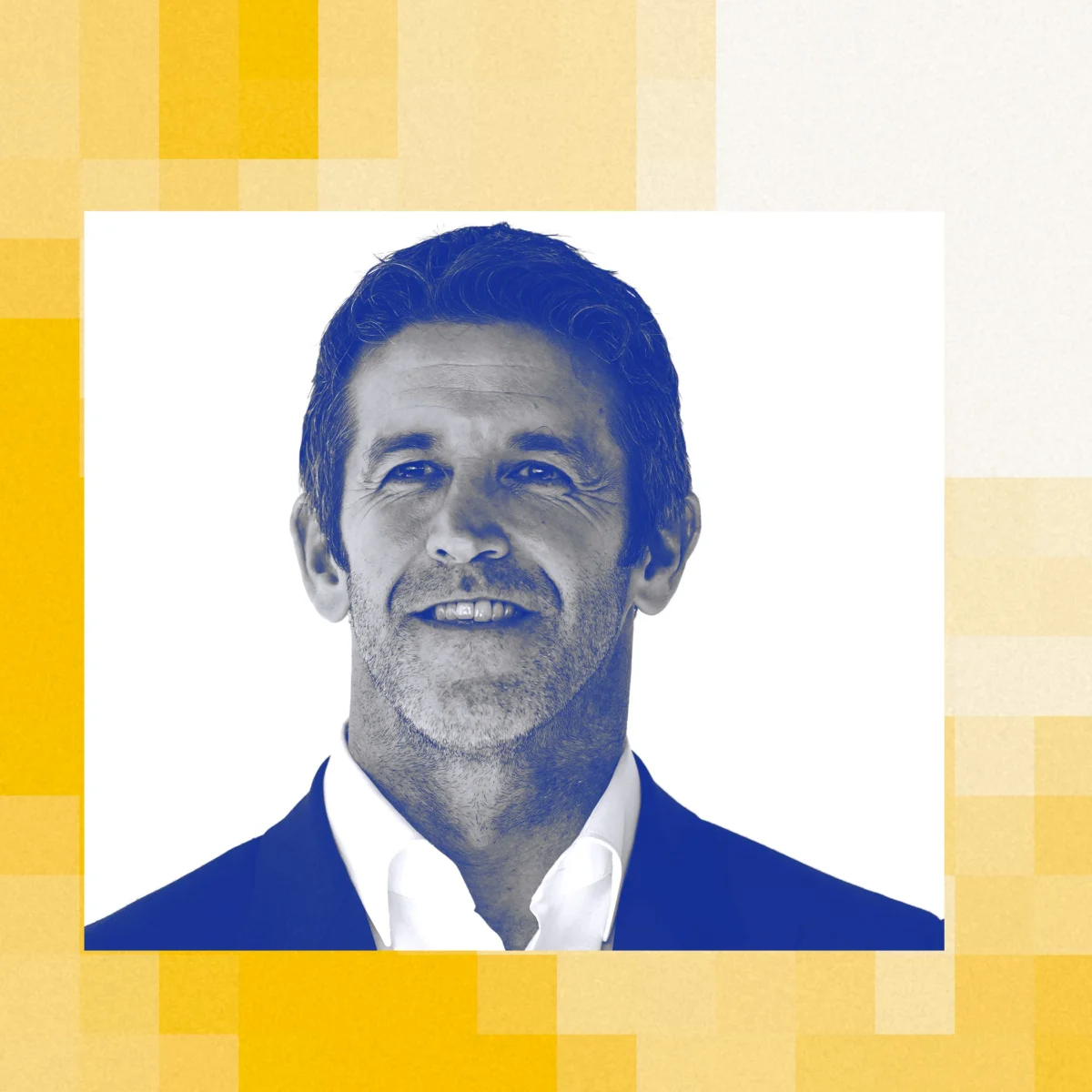
The unveiling of Apple’s latest MacBook Pro was characterized by a quiet confidence, mirroring the understated demeanor of its new CEO, John Ternus. Stepping onto a modest stage at a Los Angeles venue, Ternus, who assumed the top leadership role less than two months prior, eschewed grand pronouncements. Instead, the focus was squarely on the product itself: a video showcasing the first Mac to feature a touchscreen, followed by an opportunity for journalists and industry creators to experience the device firsthand. Demonstrations highlighted the laptop’s capabilities across diverse creative fields, from music production and filmmaking to photography and fashion design. The resurgence of the illuminated Apple logo on the new device, a detail that garnered significant attention, has been interpreted by some as a symbolic declaration of hardware’s enduring relevance in an era increasingly defined by artificial intelligence.
The Ascent of a Product-Centric Leader
John Ternus, a seasoned Apple veteran of 25 years, represents a deliberate choice for continuity at the helm of the technology giant. His leadership trajectory, marked by a deep understanding of product development and engineering, stands in contrast to the more externally focused leadership styles of some predecessors. This emphasis on product excellence is a recurring theme in discussions surrounding Ternus’s appointment, with colleagues highlighting his innate ability to identify and cultivate successful products.
"John innately has a great sense for great products, and that’s what Apple is," remarked Greg Joswiak, Apple’s SVP of worldwide marketing and a 40-year company veteran. "You can’t teach that." This sentiment suggests that Ternus’s promotion is rooted in a long-standing commitment to the core principles that have defined Apple’s success.
Ternus’s background offers a unique perspective on his leadership philosophy. Having spent four years at a virtual reality company immediately after college, he joined Apple and steadily rose through the ranks. His tenure included a significant period as VP for Mac, iPad, Ecosystem, and Audio Engineering, where he gained extensive experience in product development and problem-solving. An anecdote from a 2015 visit to Apple’s Input Design Lab illustrates this meticulous approach: Ternus reportedly undertook an exhaustive investigation to pinpoint the source of a peculiar sound emanating from a redesigned mouse. This level of detail, a hallmark of Apple’s engineering culture, is seen as a direct legacy of the perfectionism championed by Steve Jobs and sustained by Tim Cook.
A Philosophy of Continuity and Collaboration
Ternus’s leadership style appears to be deeply rooted in Apple’s established culture, emphasizing internal collaboration and a profound respect for the company’s history and product-driven ethos. When pressed about his admiration for non-Apple CEOs or influential business literature, Ternus often deflected, stating his primary learning comes from his colleagues. This suggests a leadership model that prioritizes collective wisdom and the development of internal talent over external benchmarks.
"But I’ve always felt like sort of a student of Steve’s teachings," Ternus shared, reflecting on his interactions with the late co-founder. "And then being able to work very closely with Tim, I’ve been very lucky." This statement underscores a sense of apprenticeship and a commitment to carrying forward the foundational principles of Apple’s operational philosophy.
The recent organizational restructuring, which merged Apple’s hardware engineering and technology divisions under Johny Srouji, the architect of the company’s custom silicon, further solidifies this emphasis on integrated product development. Srouji’s reporting directly to Ternus signals a strengthened collaboration between key engineering functions.
"John is going to be a great CEO," Srouji stated. "He’s a product guy at heart, but Apple’s secret weapon is the DNA, the culture, which is not going to change. Remember, John has been here for 25 years. It’s not like he’s going to come and everything’s going to be different." This assertion from a pivotal figure within Apple’s engineering hierarchy reinforces the narrative of continuity under Ternus’s leadership.
Navigating a Multifaceted Corporate Landscape
While product development remains a central focus, Ternus acknowledges the multifaceted nature of leading a corporation valued in the trillions of dollars. This includes managing a substantial services business, overseeing vast infrastructure, and navigating the complexities of global operations. His approach to this expanded portfolio is characterized by a commitment to continuous learning and a desire to deepen his understanding of diverse operational areas.
"One of the amazing privileges of this job is getting to learn so many new things," Ternus remarked. "I have been and will continue to learn and go deeper into different areas. But, you know, I do love product. I’m super passionate about it." This statement highlights his enduring passion for the core of Apple’s business while embracing the broader responsibilities of his role.
The intersection of technology and public policy is another significant aspect of the CEO role at a company of Apple’s stature. While Tim Cook is expected to retain some high-level policy duties, Ternus indicated a collaborative approach to these responsibilities. He emphasized Cook’s availability for guidance and highlighted his own efforts in building new relationships within the political and regulatory spheres. The fact that Ternus has yet to meet former President Donald Trump suggests that the development of these high-level relationships is an ongoing process.
The AI Frontier: A Strategic Approach
Perhaps the most significant technological challenge facing Apple and its new CEO is the rapid evolution of artificial intelligence. The company’s approach to AI, particularly concerning its virtual assistant Siri, has been a subject of ongoing debate, with some critics pointing to perceived shortcomings while others defend Apple’s deliberate strategy of integrating AI with a focus on privacy.
Ternus expressed confidence in Apple’s current AI trajectory, stating, "Everyone has an opinion—I really like where we’re at." He articulated a philosophy of developing AI to enhance user experience rather than for its own sake. "We don’t want to ship AI for AI’s sake," he explained. "When we’re doing it right, people won’t have to think about whether it was AI that made this happen or more traditional software. What matters is, did we build something that they really love?"
This perspective suggests that Apple’s AI strategy aims for seamless integration, where the technology becomes an invisible enabler of user-centric features. It contrasts with the notion of AI as a disruptive force that could fundamentally alter the current technological ecosystem. Ternus’s view that product creation is a "deeply human and personal thing" implies a resistance to scenarios where AI autonomously generates content or subsumes existing creative applications.
Regarding AI regulation, Ternus echoed Apple’s long-standing emphasis on security and user privacy. "Our focus is on making sure that our products are secure and safe, and protecting the users’ information," he stated, indicating that while aware of the potential implications, Apple’s immediate priority remains safeguarding user data.
A Product-Centric Vision for the Future
John Ternus’s leadership at Apple is poised to be defined by a steadfast commitment to product excellence and a philosophy of continuity. While the broader responsibilities of a global tech CEO are undeniable, his personal passion and evident expertise lie in the realm of product development. The renewed emphasis on hardware, symbolized by the illuminated Apple logo, and the deliberate integration of AI into user-centric experiences suggest a forward-looking strategy that builds upon Apple’s core strengths. As the tech industry navigates unprecedented technological shifts, Ternus’s tenure will be closely watched to see how this product-centric vision shapes the future of one of the world’s most influential companies. His closing question to the interviewer, "What did you think of the logo?" serves as a poignant reminder of his unwavering focus on the tangible elements that define Apple’s enduring appeal.
