

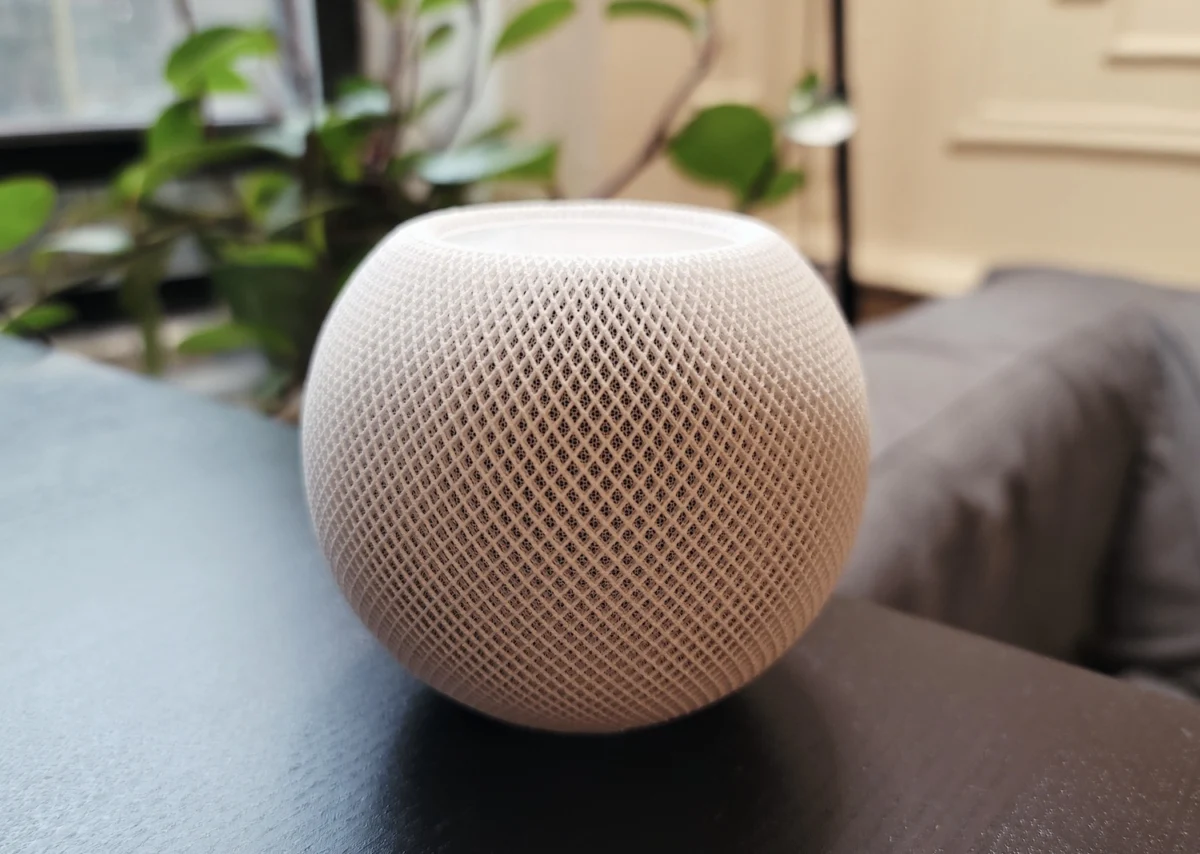
Apple is reportedly set to announce a new cornerstone for its smart home ecosystem, a device named HomeView, on Tuesday, October 13, 2026. This highly anticipated unveiling, corroborated by Bloomberg’s esteemed Apple correspondent Mark Gurman, signals a robust re-commitment from the Cupertino giant to the burgeoning smart home market, an arena where its previous ventures, HomeKit and the HomePod, have faced significant headwinds. The HomeView, described as a Siri-powered hub featuring a display and Apple’s advanced A18 chip, is slated for a mid-November release, positioning it as a pivotal product in the competitive holiday shopping season.
The HomeView Unveiling: A New Chapter for Apple’s Smart Home Ambitions
The forthcoming HomeView is designed to serve as a centralized control interface for a user’s entire smart home setup. Integrating a high-resolution display, the device promises a more intuitive and visually rich interaction than voice-only smart speakers. The inclusion of the A18 chip, a testament to Apple’s commitment to powerful on-device processing, suggests advanced capabilities ranging from enhanced Siri responsiveness and sophisticated machine learning for personalized experiences to robust privacy features. This strategic hardware choice positions the HomeView not merely as a smart speaker with a screen, but as a genuine intelligent hub capable of handling complex computational tasks locally.
Gurman’s report indicates that the HomeView will be available in two distinct form factors, catering to varied home aesthetics and functional needs. One model is designed for countertop placement, akin to existing smart displays from competitors, offering flexibility in kitchens, living rooms, or bedrooms. The second, a wall-mounted variant, suggests a more permanent and integrated fixture within a home’s design, potentially serving as a central command panel for lighting, climate, security, and entertainment systems. This dual-model approach highlights Apple’s intent to capture a broader segment of the smart home market, offering solutions that blend seamlessly into diverse home environments.
This move comes after years of speculation and multiple reports detailing Apple’s efforts to develop a more compelling smart home product. Earlier iterations of these rumors often pointed to challenges, particularly concerning Siri’s integration and overall smart home strategy. The imminent launch of HomeView suggests that Apple has refined its approach, leveraging its proprietary hardware and software integration strengths to deliver a more cohesive and powerful user experience.
A History of Hurdles: Apple’s Smart Home Journey
Apple’s journey into the smart home landscape has been characterized by ambition tempered by market realities. Its initial foray began with HomeKit, a software framework introduced in 2014, designed to allow users to securely control compatible smart home accessories using iOS devices and Siri. While HomeKit offered a strong emphasis on privacy and ease of setup within the Apple ecosystem, its adoption was initially slow, hampered by stringent certification requirements for accessory manufacturers and a relatively limited range of compatible devices compared to competitors. The lack of a dedicated, always-on Apple hub also meant that HomeKit functionality often relied on an iPad, Apple TV, or a perpetually-connected HomePod, which wasn’t always ideal for seamless automation.
The introduction of the original HomePod in 2018 was Apple’s first significant hardware entry into the smart speaker market. Positioned as a premium audio device with integrated Siri capabilities, the HomePod aimed to combine audiophile-grade sound quality with smart assistant functionality. While critically acclaimed for its sound, its high price point ($349 at launch), limited third-party app support, and Siri’s perceived shortcomings compared to Amazon’s Alexa and Google Assistant in broader knowledge domains, constrained its market penetration. The HomePod struggled to compete with the aggressively priced and feature-rich offerings from Amazon Echo and Google Nest, which rapidly gained market share. Apple subsequently discontinued the original HomePod in 2021, shifting its focus to the more affordable HomePod mini, launched in late 2020. The HomePod mini, at $99, offered a more accessible entry point into Apple’s smart speaker ecosystem, featuring respectable sound for its size and acting as a Thread border router for Matter-compatible devices, signaling a continued, albeit more cautious, interest in the smart home.
Despite these efforts, Apple has consistently lagged behind its main rivals in the smart home device market. According to various market research firms, Amazon and Google have commanded dominant shares, largely due to their early entry, aggressive pricing strategies, and broad ecosystem of compatible devices and services. For instance, reports from Strategy Analytics and Canalys have often placed Amazon and Google’s smart speaker and smart display shipments significantly ahead of Apple’s. The HomeView represents Apple’s most "serious bet" to date, indicating a renewed and potentially more aggressive strategy to carve out a substantial niche in this lucrative sector.
The Competitive Landscape: Battling Giants in the Connected Home
The smart home market is a fiercely contested arena, currently dominated by Amazon with its Echo Show line and Google with its Nest Hub devices. These competitors have established strong footholds by offering a wide range of devices at various price points, integrating extensive third-party services, and building robust ecosystems. The Echo Show, for example, leverages Amazon’s vast e-commerce platform and its ubiquitous Alexa voice assistant, offering video calls, recipe guides, and smart home control. Similarly, the Nest Hub integrates Google Assistant, YouTube, and seamless connectivity with Nest security cameras and thermostats.
For the HomeView to succeed, it must offer compelling differentiation. While Apple’s emphasis on privacy and its tightly integrated ecosystem are traditional strengths, the company will need to demonstrate superior user experience, advanced features, and seamless compatibility with a growing array of accessories. The reported inclusion of a display and the powerful A18 chip suggests Apple is aiming for a premium experience that justifies its likely higher price point compared to some mainstream competitors. Industry analysts speculate that Apple might leverage its expertise in user interface design to create a visually appealing and highly intuitive control panel that surpasses existing offerings in terms of fluidity and aesthetic integration. The success of the HomeView will heavily depend on its ability to offer a truly distinctive and valuable proposition that resonates with consumers beyond the existing Apple loyalists.
Beyond the Hub: Expanding the Ecosystem
The HomeView announcement is not an isolated event but part of a broader strategic initiative to bolster Apple’s presence in the home. Gurman’s report also details the impending unveiling of updated versions of two other critical home devices: the Apple TV set-top box and the HomePod mini.

The Apple TV, a cornerstone of Apple’s entertainment strategy, is expected to receive upgrades that could enhance its role as a smart home hub. With improved processing power and potentially deeper HomeKit integration, the new Apple TV could further solidify its position as a central component for home automation, especially for users who prioritize entertainment alongside smart home control. Similarly, an updated HomePod mini would likely bring performance enhancements, improved sound quality, and potentially new sensors, making it an even more versatile and attractive entry-level smart speaker for the Apple ecosystem. These concurrent updates underscore Apple’s commitment to creating a comprehensive and interconnected suite of home devices, where each product complements and enhances the others.
Crucially, earlier in the week, Gurman also reported on a significant partnership between Apple and LG, a major player in home appliances and electronics. This collaboration is expected to yield a new line of smart home accessories, including a smart lock, a thermostat, and a doorbell. This partnership is a strategic masterstroke for Apple, addressing a key weakness of HomeKit: the relative scarcity of first-party or tightly integrated accessories compared to the vast ecosystems supported by Amazon and Google. By partnering with a reputable brand like LG, Apple can rapidly expand its official HomeKit-compatible product portfolio, ensuring high-quality, seamless integration and a consistent user experience. This move could significantly accelerate the adoption of HomeKit by providing consumers with a wider and more reliable selection of essential smart home devices directly endorsed by Apple.
Technological Backbone: The A18 Chip and Siri’s Evolution
The reported inclusion of Apple’s A18 chip in the HomeView is a critical detail. This chip, likely a variant of the processor found in Apple’s flagship iPhones, signifies a profound commitment to on-device intelligence and performance. The A18 chip will enable the HomeView to execute complex tasks locally, reducing reliance on cloud processing for many functions. This has several key advantages: enhanced privacy, as more data processing occurs on the device rather than being sent to external servers; improved speed and responsiveness for Siri and other smart home commands; and the potential for more sophisticated machine learning capabilities. For example, local processing could allow the HomeView to learn user habits, recognize family members through voice or facial recognition (if equipped with a camera), and provide more personalized and proactive assistance without compromising data security.
Siri, Apple’s intelligent assistant, has long been a point of contention for users when compared to competitors. However, with a dedicated display and the powerful A18 chip, Siri is poised for a significant evolution within the HomeView. The display opens up possibilities for visual feedback, richer information presentation, and direct touch interaction, overcoming the limitations of voice-only interfaces. Imagine asking Siri for a recipe and having it displayed on the screen with step-by-step instructions, or requesting to see who’s at the door and getting a live video feed. The A18 chip could power a more contextually aware Siri, capable of understanding more complex commands, engaging in more natural conversations, and proactively offering relevant information based on learned routines and sensor data. This blend of powerful hardware and an enhanced visual interface could finally allow Siri to shine in a way it hasn’t fully achieved on other Apple devices.
Strategic Implications: A Full-Frontal Assault on the Smart Home
The launch of HomeView, coupled with the updated Apple TV, HomePod mini, and the LG partnership, represents a significant strategic pivot for Apple. It signals a renewed and comprehensive commitment to establishing a dominant presence in the smart home sector. This is not merely an iterative update but a foundational shift designed to integrate Apple’s ecosystem more deeply into users’ daily lives.
From a business perspective, a successful smart home platform offers multiple benefits. It increases customer lock-in within the Apple ecosystem, driving sales of other Apple devices and services. It creates new avenues for recurring revenue through subscriptions (e.g., iCloud storage for camera footage, Apple Music, Apple Arcade, Fitness+). Furthermore, a robust smart home offering strengthens Apple’s competitive stance against tech rivals who are also vying for control of the connected home. By positioning HomeView as a premium, privacy-focused, and seamlessly integrated hub, Apple aims to appeal to a demographic willing to invest in a cohesive and high-quality smart home experience. This strategy aligns with Apple’s long-standing approach of offering premium products that command higher margins and foster strong brand loyalty.
Industry analysts suggest that Apple’s renewed focus on the smart home is a necessary move to secure its long-term growth trajectory. As smartphone sales mature, diversifying into new product categories and strengthening existing ecosystems becomes paramount. The smart home, with its vast potential for integration and services, offers a fertile ground for such expansion. Experts like Ben Wood, Chief Analyst at CCS Insight, have often highlighted the importance of a comprehensive smart home strategy for tech giants. While specific statements on HomeView are yet to emerge from official channels, the strategic intent is clear: Apple is aiming to be a central orchestrator of the modern connected home.
User Experience and Privacy Considerations
A core tenet of Apple’s product philosophy has always been the seamless integration of hardware and software to deliver an unparalleled user experience. With HomeView, this principle is expected to be paramount. The visual interface on the display, powered by the A18 chip, will likely offer intuitive controls and rich information displays. Users could potentially customize dashboards, view multiple camera feeds simultaneously, manage climate zones with a glance, and control entertainment with simple taps or voice commands. The integration with existing Apple services, such as Apple Music, Apple TV+, and FaceTime, would create a cohesive multimedia and communication hub within the home.
Privacy, a cornerstone of Apple’s brand identity, is also expected to be a significant differentiator for HomeView. In an era where data security and personal privacy are growing concerns for consumers, especially regarding always-listening microphones and cameras in the home, Apple’s strong stance on privacy could resonate powerfully. The use of the A18 chip for on-device processing minimizes the amount of personal data sent to the cloud, reinforcing Apple’s commitment to user data protection. This could be a compelling selling point against competitors whose business models often rely more heavily on data collection and targeted advertising. Apple will likely emphasize end-to-end encryption for smart home communications and transparent data handling practices, offering consumers peace of mind in their increasingly connected dwellings.
Conclusion
The reported unveiling of the HomeView marks a pivotal moment for Apple in the smart home market. After years of incremental steps and challenges with HomeKit and the HomePod, this new smart hub, coupled with updates to existing devices and a strategic partnership with LG, signifies a comprehensive and aggressive push into the connected home. By leveraging its strengths in hardware design, software integration, powerful silicon, and a strong commitment to user privacy, Apple is positioning the HomeView not just as another smart display, but as the central nervous system for a truly intelligent and seamlessly integrated home ecosystem. The coming months will reveal whether this renewed bet will finally allow Apple to claim a significant share of the smart home future, challenging the established dominance of its tech rivals and redefining the user experience in the connected era.
