

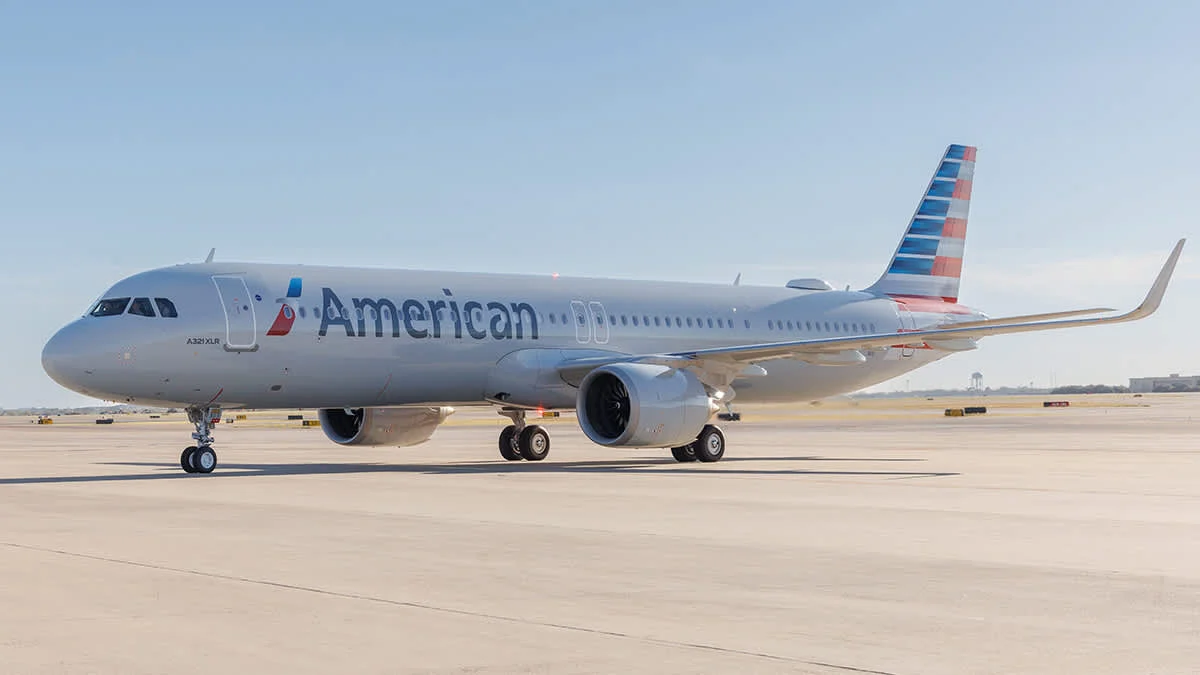
American Airlines, a cornerstone of the global aviation industry, announced a significant expansion of its international network on Thursday, unveiling seven new routes slated for its 2027 schedule. This strategic move, heavily reliant on the advanced capabilities of its new Airbus A321XLR aircraft, underscores the carrier’s intensified focus on high-yield international markets and its ambition to bridge the profitability gap with key rivals. In a separate but related development aimed at enhancing connectivity on a critical transatlantic corridor, the airline also confirmed the addition of a fourth daily flight between New York’s John F. Kennedy International Airport (JFK) and London Heathrow Airport (LHR), set to commence operations on March 28 using a Boeing 787-9 Dreamliner.
A Strategic Pivot Towards International Expansion
The announcement comes amidst a dynamic period for the airline industry, marked by a robust resurgence in international travel demand following the global pandemic. For American Airlines, this expansion is more than just adding destinations; it represents a calculated strategic pivot. The airline has openly stated its objective to close a profit gap with competitors like United Airlines and Delta Air Lines, and a key component of this strategy is to grow its international footprint. Currently, American’s flying operations are segmented at approximately 80% domestic and 20% international. Increasing the international segment is critical, as these routes typically command higher premium fares and feature more luxurious cabin configurations, translating into superior revenue per available seat mile (RASM) and enhanced profitability for carriers.
The decision to add seven new routes for 2027 signals American’s long-term commitment to reshaping its network. While the specific destinations for all seven new routes were not immediately detailed in the announcement, American Airlines outlined a clear strategic focus: leveraging its new Airbus A321XLR fleet to tap into smaller, previously underserved European cities from its key hubs, particularly Philadelphia (PHL) and New York City (JFK). This approach aligns with industry trends seeing carriers seeking to diversify their international portfolios beyond traditional gateway cities.
The Game-Changer: Airbus A321XLR and Its Operational Advantages
Central to American Airlines’ ambitious international expansion is the Airbus A321XLR, an acronym for "Extra Long Range." This next-generation single-aisle aircraft boasts an impressive range of up to 4,700 nautical miles, a capability that fundamentally redefines the economics of transatlantic and other long-haul operations. Unlike larger widebody aircraft such as the Boeing 777 or Boeing 787 Dreamliner, the A321XLR offers significantly lower operating costs due to its smaller size, reduced fuel consumption, and optimized maintenance requirements. This efficiency makes it economically viable to launch direct services to destinations that would otherwise be too "thin" or demand-constrained to support a widebody aircraft.
Brian Znotins, American Airlines’ senior vice president of network and schedule planning, articulated this strategic advantage last year, stating, "It really opens up the menu for all these destinations that are just too small for a widebody." This sentiment underscores the aircraft’s role as a market opener, allowing American to penetrate secondary European markets directly, offering convenience to passengers and creating new revenue streams for the airline. The A321XLR represents a critical tool in American’s strategy to enhance connectivity and market reach without incurring the substantial operational overhead associated with larger long-haul jets.
American Airlines has placed a substantial order for 50 A321XLRs, with the first deliveries anticipated to have commenced around late 2024 or early 2025, allowing the airline to conduct its "inaugural XLR flight last year," as referenced in the announcement. This timeline positions American Airlines as one of the early adopters of this transformative aircraft, giving it a potential competitive edge in developing these new routes. The airline has also invested in a new interior and configuration for its A321XLR fleet, notably allocating more space to premium seats than on its other aircraft. A significant one-fifth of the plane’s capacity is dedicated to premium cabin products, a clear indication of American’s intent to capture high-value business and leisure travelers on these new long-range single-aisle routes. This premium focus further supports the goal of improving international route profitability.
Enhanced Connectivity and Hub Strategy
The new international routes for 2027 are expected to emanate primarily from American’s East Coast hubs. Philadelphia International Airport (PHL) and John F. Kennedy International Airport (JFK) are poised to serve as crucial gateways for these new XLR-operated services. This hub strategy aims to leverage existing domestic networks to feed passengers into the new international flights, maximizing load factors and connectivity.
Beyond the seven new XLR routes, the addition of a fourth daily flight between JFK and London Heathrow, utilizing a Boeing 787-9, beginning March 28, 2027, signifies American’s commitment to strengthening its presence on one of the world’s most lucrative and competitive transatlantic routes. This high-frequency service provides greater flexibility for business and leisure travelers and demonstrates American’s intent to compete vigorously with other carriers on this key corridor, including its joint venture partner, British Airways. The use of a Dreamliner on this route ensures a consistent premium experience, complementing the XLR’s role in opening new, thinner markets.
A notable example of American’s nuanced approach to route planning is the decision to extend its Vienna route through early January 2028. This move is specifically designed to attract tourists seeking to visit Europe’s renowned Christmas markets, a growing segment of the leisure travel market. This strategy reflects a broader industry trend where airlines are increasingly adding capacity during shoulder seasons and even off-peak winter periods. Travelers are demonstrating a growing preference for flying during these times, often motivated by cooler weather, cultural events, and more favorable pricing, allowing airlines to optimize aircraft utilization and flatten seasonal demand peaks.
Competitive Landscape and Industry Trends
American Airlines’ expansion comes in a highly competitive environment. Just this week, rival United Airlines also unveiled its 2027 international destinations, showcasing its own ambitious growth plans. United’s new routes include less traditionally popular tourist destinations for U.S. travelers, such as Ljubljana, Slovenia, and Okinawa, Japan. United Airlines currently offers the most extensive international service among U.S. carriers, setting a high benchmark for its competitors. American’s move can be seen as a direct response to this competitive pressure, aiming to carve out its niche and expand its global market share.
The broader implications for the transatlantic market are significant. With both American and United expanding, and Delta Air Lines consistently reinforcing its own international network, particularly through robust joint ventures with European partners, consumers can anticipate increased choices and potentially more competitive pricing on routes between the U.S. and Europe. This heightened competition is expected to drive innovation in product offerings and service quality as airlines vie for passenger loyalty.
Economic and Operational Implications
The financial implications for American Airlines could be substantial. By strategically deploying the fuel-efficient A321XLR on new, premium-focused routes, the airline aims to enhance its revenue streams and improve its overall profitability. The lower operating costs of the A321XLR compared to widebody aircraft will contribute to better margins, particularly on routes that might not sustain larger planes. The emphasis on premium seating also means higher average fares per passenger, further bolstering revenue.
Operationally, the A321XLR provides American with unprecedented flexibility. Its ability to serve long-haul routes with a single-aisle aircraft means quicker turnarounds, potentially simpler gate operations at smaller airports, and the ability to tailor capacity more precisely to demand. This agility can lead to improved aircraft utilization rates across the fleet. However, the successful integration of a new aircraft type and the launch of multiple new international routes also present challenges, including the need for extensive pilot training, maintenance infrastructure development, and effective marketing to build demand in nascent markets.
Looking Ahead: The Future of Long-Haul Single-Aisle Travel
American Airlines’ latest announcement is indicative of a broader industry shift towards the "middle of the market," where aircraft like the A321XLR bridge the gap between traditional narrowbody and widebody capabilities. This trend empowers airlines to offer more direct, non-stop services, eliminating the need for connecting flights through major hubs and significantly enhancing passenger convenience, especially for travelers destined for secondary cities.
From a passenger experience perspective, the A321XLR offers the benefit of direct flights, reducing travel time and complexity. However, flying long distances in a single-aisle cabin, even with an enhanced premium section, presents a different experience than a widebody aircraft with more space to move around. American Airlines’ focus on premium seating aims to mitigate this by offering a more comfortable and luxurious environment for those willing to pay for it.
Furthermore, the introduction of more fuel-efficient aircraft like the A321XLR aligns with the aviation industry’s increasing focus on sustainability. These newer generation aircraft produce lower emissions per seat-mile compared to older widebody jets, contributing to airlines’ efforts to reduce their environmental footprint, an increasingly important consideration for both regulators and environmentally conscious travelers.
In conclusion, American Airlines’ unveiling of seven new international routes for 2027, primarily powered by the A321XLR, represents a pivotal moment in its strategy to expand its global reach and enhance its financial performance. This move, coupled with an increased presence on established high-demand routes like JFK-London Heathrow, signifies a deliberate and aggressive push into the lucrative international travel market. By leveraging advanced aircraft technology and adapting to evolving traveler preferences, American Airlines is positioning itself for sustained growth and a stronger competitive stance in the dynamic landscape of global aviation.
