

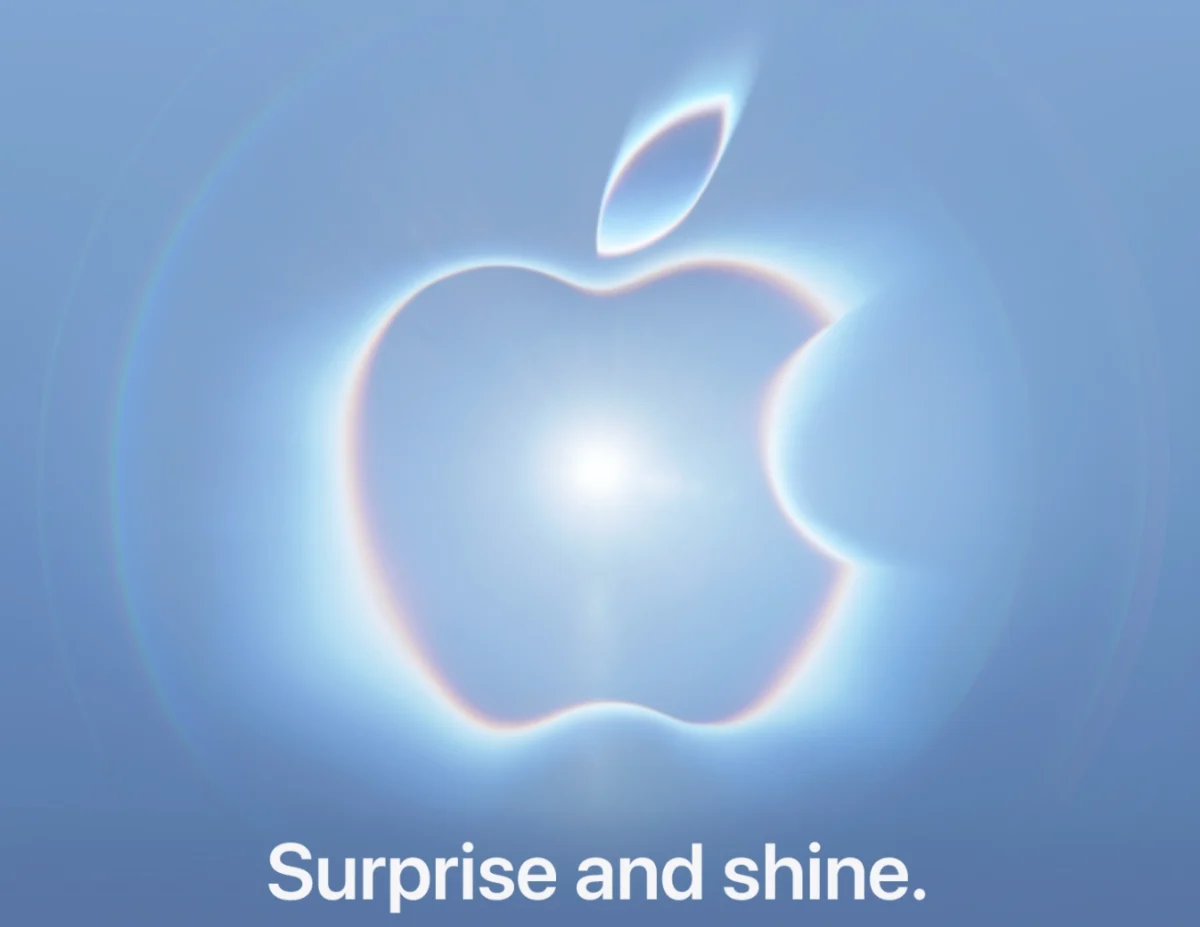
Cupertino, California – Apple is set to host its highly anticipated annual iPhone event on Wednesday, September 9, 2026, at 10 AM PDT, a spectacle aptly dubbed "Surprise and Shine." This year’s event is generating unprecedented industry buzz, with all indicators pointing towards Apple’s long-awaited foray into the foldable smartphone market, a move that would see the technology giant finally ship this innovative hardware approximately seven years after its pioneering competitor, Samsung, introduced the concept. The timing of this pivotal product launch coincides with a significant leadership transition, marking the first major product announcement under the stewardship of new Apple CEO John Ternus, who assumed the role following the departure of longtime CEO Tim Cook.
The Dawn of the Foldable Era: Apple’s Anticipated Entry with iPhone Ultra
The centerpiece of the "Surprise and Shine" event is widely expected to be the debut of the iPhone Ultra, Apple’s inaugural foldable smartphone. Rumors surrounding the device suggest a premium design philosophy, characteristic of Apple’s high-end offerings, coupled with advanced display technology and a robust hinge mechanism, addressing some of the durability concerns that plagued early foldable models from other manufacturers. Industry analysts and supply chain leaks hint at a sophisticated design that could differentiate Apple’s foldable from existing market players, potentially focusing on a seamless user experience that integrates the foldable form factor into the iOS ecosystem in novel ways. While specific features remain under wraps, expectations include a high-resolution, crease-resistant flexible display, a powerful A-series chip optimized for multitasking across the foldable interface, and an advanced camera system.
Apple’s entry into the foldable segment is particularly significant given its cautious approach to adopting new form factors. Samsung introduced its first foldable smartphone, the Galaxy Fold, in 2019, followed by numerous iterations and the popular Z Flip series. Other major players like Huawei, Motorola, Google, and OnePlus have also launched their own foldable devices, steadily improving design, durability, and software integration. For years, Apple remained on the sidelines, likely observing market trends, supply chain maturation, and consumer feedback on existing foldable devices. This delay is consistent with Apple’s historical strategy of refining nascent technologies before integrating them into its product lines, ensuring a polished and premium user experience rather than being first to market. The rumored price tag of approximately $2,000 for the iPhone Ultra underscores its positioning as an ultra-premium device, targeting early adopters and those seeking the pinnacle of mobile innovation.
Beyond the Fold: The iPhone 18 Pro and Pro Max Models
While the foldable iPhone Ultra is set to capture headlines, Apple is also expected to unveil its traditional flagship upgrades: the iPhone 18 Pro and iPhone 18 Pro Max. These models cater to a substantial segment of Apple’s user base who seek an upgrade to their existing devices but may not be swayed by the foldable form factor, or who prefer not to invest in the higher price point of the iPhone Ultra. Industry speculation suggests these devices will feature iterative yet significant enhancements over their predecessors, focusing on areas critical to the premium smartphone experience.
Expected improvements include advancements in camera technology, potentially introducing larger sensors, enhanced computational photography capabilities, and new video recording modes. The integration of Apple’s next-generation A-series chip (likely the A18 Bionic or similar) is a certainty, promising substantial gains in processing power, graphics performance, and neural engine capabilities, further enhancing AI-driven features and overall system efficiency. Display technology is also anticipated to see refinements, possibly offering brighter panels, improved refresh rates, and enhanced ProMotion adaptive technology. Battery life improvements are also a perennial expectation, driven by more efficient components and software optimizations.
Interestingly, the standard iPhone 18 model is not expected to launch alongside its Pro counterparts this year, with reports indicating a potential release in the following year. This strategic segmentation could signal a shift in Apple’s product release cadence, possibly to allow the iPhone Ultra and the Pro models to command the spotlight, or to stagger releases for more consistent market engagement throughout the year. It could also reflect a strategy to simplify the initial launch window, focusing resources and marketing efforts on the higher-margin premium devices.
Expanding the Ecosystem: Other Potential Hardware Announcements
Apple events are rarely limited to iPhones, and the "Surprise and Shine" event is anticipated to showcase updates across Apple’s broader hardware ecosystem, reinforcing its integrated product strategy. Among the potential unveilings are:
- Updated HomePod: Rumors suggest a refresh for Apple’s smart speaker line. This could involve improvements to audio fidelity, new smart home integration features, enhanced Siri capabilities powered by on-device AI, or even a model with a display, akin to competitors’ smart displays. An updated HomePod would further solidify Apple’s presence in the smart home market, a segment where it has been steadily building its offerings.
- Camera-enabled AirPods: This intriguing possibility has been a subject of significant discussion. While previous speculation centered on privacy concerns, a camera integrated into AirPods could open doors to advanced augmented reality (AR) experiences, health monitoring functionalities (e.g., posture correction, environmental sensing), or even discreet communication tools. If realized, this could represent a significant step in wearable technology, pushing the boundaries of what earbuds can accomplish beyond audio.
- New Apple Watches: The Apple Watch series typically receives an annual refresh, and this year is unlikely to be an exception. Expected enhancements could include more advanced health sensors (e.g., improved glucose monitoring, blood pressure capabilities), further refinements to fitness tracking, updated processors for snappier performance, and potentially new design elements or materials. The Apple Watch continues to be a crucial component of Apple’s health and wellness strategy, and new models would aim to maintain its leadership in the smartwatch market against strong competition from Google’s Pixel Watch and Samsung’s Galaxy Watch.
These potential hardware releases underscore Apple’s commitment to creating a cohesive and interconnected ecosystem, where each device enhances the utility and experience of the others.
A New Chapter: John Ternus Takes the Helm
This "Surprise and Shine" event marks a significant milestone as it will be the first major product announcement overseen by John Ternus as Apple’s CEO. Ternus, who previously served as Senior Vice President of Hardware Engineering, brings a deep understanding of product development and a track record of delivering iconic Apple hardware. His ascent to the top leadership position follows the departure of Tim Cook, who steered Apple through a period of unprecedented growth and diversification over more than a decade.
Tim Cook’s tenure as CEO, which began in 2011, saw Apple become the world’s most valuable company. He presided over the launch of multiple iPhone generations, the introduction of the Apple Watch, AirPods, and the nascent Vision Pro, as well as a strategic pivot towards services, which now constitute a substantial portion of Apple’s revenue. Cook’s legacy is defined by his mastery of supply chain management, operational efficiency, and a steady hand in navigating complex global markets and regulatory challenges. He meticulously built upon Steve Jobs’s foundation, expanding Apple’s reach and fortifying its ecosystem.
John Ternus steps into a role with immense pressure and opportunity. His background in hardware engineering suggests a potential renewed focus on groundbreaking product innovation, while also maintaining the operational excellence and services growth championed by Cook. This event will be a critical test, offering the first glimpse into how Ternus intends to lead Apple’s product strategy and innovation pipeline in an increasingly competitive and dynamic tech landscape. Challenges for the new CEO include navigating ongoing supply chain complexities, intensifying regulatory scrutiny worldwide, and sustaining Apple’s innovation edge in a maturing technology market.
Market Dynamics and Competitive Landscape
Apple’s entry into the foldable market is poised to be a game-changer for the entire smartphone industry. While the foldable segment has seen steady growth, it remains a niche market compared to traditional smartphones. According to reports from Counterpoint Research and IDC, global foldable smartphone shipments are projected to grow significantly, from approximately 15 million units in 2023 to potentially over 50 million units by 2027-2028, representing a compound annual growth rate (CAGR) exceeding 20%. Apple’s participation could accelerate this adoption dramatically, lending mainstream legitimacy to the form factor and potentially spurring wider consumer interest.
The competitive landscape will undoubtedly react to Apple’s move. Samsung, as the current market leader in foldables, will face its most formidable challenge yet. We can anticipate intensified innovation from Samsung in its future Galaxy Fold and Flip series, potentially focusing on further durability enhancements, software optimizations, and more aggressive pricing strategies to retain market share. Other Android manufacturers, including Google with its Pixel Fold, Huawei, and OnePlus, will also be forced to innovate more rapidly to compete with Apple’s brand power and ecosystem integration.
Apple’s rumored $2,000 price point for the iPhone Ultra positions it firmly in the ultra-premium segment. This strategy aligns with Apple’s historical approach of targeting the high-end market, where profit margins are typically higher. While this price may be a barrier for some, Apple’s loyal customer base and the allure of a "first-generation" Apple product often drive significant sales despite high costs. Analysts suggest that Apple’s robust supply chain and manufacturing capabilities could also help scale production of foldable displays and components more efficiently than smaller players, potentially driving down costs in the long run.
The ‘Surprise and Shine’ Spectacle: Event Logistics and Viewing
The "Surprise and Shine" event will be streamed live globally, allowing millions to tune in simultaneously. Apple has a dedicated YouTube stream prepared, where viewers can set reminder notifications to ensure they don’t miss the unveiling. Additionally, the livestream will be available on Apple’s official events site, offering multiple avenues for access.
Apple events are renowned for their highly polished production values, meticulously crafted presentations, and carefully choreographed reveals. The choice of the tagline "Surprise and Shine" is particularly telling. It strongly hints at a significant, unexpected revelation – almost certainly the foldable iPhone – while also suggesting a future that is bright and innovative. These events are not merely product launches; they are carefully constructed marketing spectacles designed to generate maximum excitement and reinforce Apple’s brand image as a leader in innovation and design.
Broader Implications for Apple and the Tech Industry
The implications of this event extend far beyond individual product sales. For Apple, the introduction of a foldable iPhone could reignite consumer excitement in the smartphone market, which has seen slower growth and more incremental updates in recent years. It represents a bold step in design and engineering, potentially opening new avenues for user interaction and application development within the iOS ecosystem. Success in the foldable market could solidify Apple’s position as a premium innovator and further differentiate its offerings in a crowded market.
From an industry perspective, Apple’s entry could legitimize foldables for a mainstream audience in a way no other manufacturer has managed. The "Apple effect" often drives broader adoption of new technologies, and a foldable iPhone could catalyze a significant shift in consumer preferences, pushing other manufacturers to accelerate their own foldable roadmaps and potentially leading to more competitive pricing and diverse form factors across the industry.
Challenges in supply chain and manufacturing for foldable components remain, but Apple’s immense resources and long-standing relationships with suppliers could lead to advancements that benefit the entire industry. Furthermore, the integration of a foldable device into Apple’s already robust ecosystem — encompassing services like Apple Music, iCloud, and the App Store, along with complementary hardware like the Apple Watch and AirPods — will likely create an even stronger "lock-in" effect for its users, making it harder to switch to competing platforms.
Financially, a successful foldable iPhone launch could provide a significant boost to Apple’s revenue, especially given its premium pricing. The market’s reaction, including analysts’ revised forecasts and immediate stock performance, will be closely watched as a barometer of the event’s perceived success.
In conclusion, the "Surprise and Shine" event on September 9, 2026, is poised to be a pivotal moment in Apple’s history and for the broader technology landscape. With the anticipated unveiling of the foldable iPhone Ultra, alongside iterative updates to its flagship lineup and other ecosystem enhancements, Apple under John Ternus is signaling a renewed commitment to innovation and a bold step into the future of mobile computing. The world watches to see if Apple can indeed "surprise and shine" and once again redefine the smartphone experience.
