

Despite escalating military actions between the United States and Iran, crude oil prices have remained surprisingly stable, trading around $97 per barrel on Monday, with a weekly increase of nearly eight percent. This price point is significantly lower than the $200 per barrel predictions some analysts made at the onset of the conflict. The relative calm in the oil markets stands in stark contrast to the sharp price surge experienced in late February when the conflict initially escalated, with prices climbing from $72 to over $119 within days. This unexpected market resilience prompts an examination of the underlying factors that are preventing a major oil price shock, even as tensions rise in the Persian Gulf.
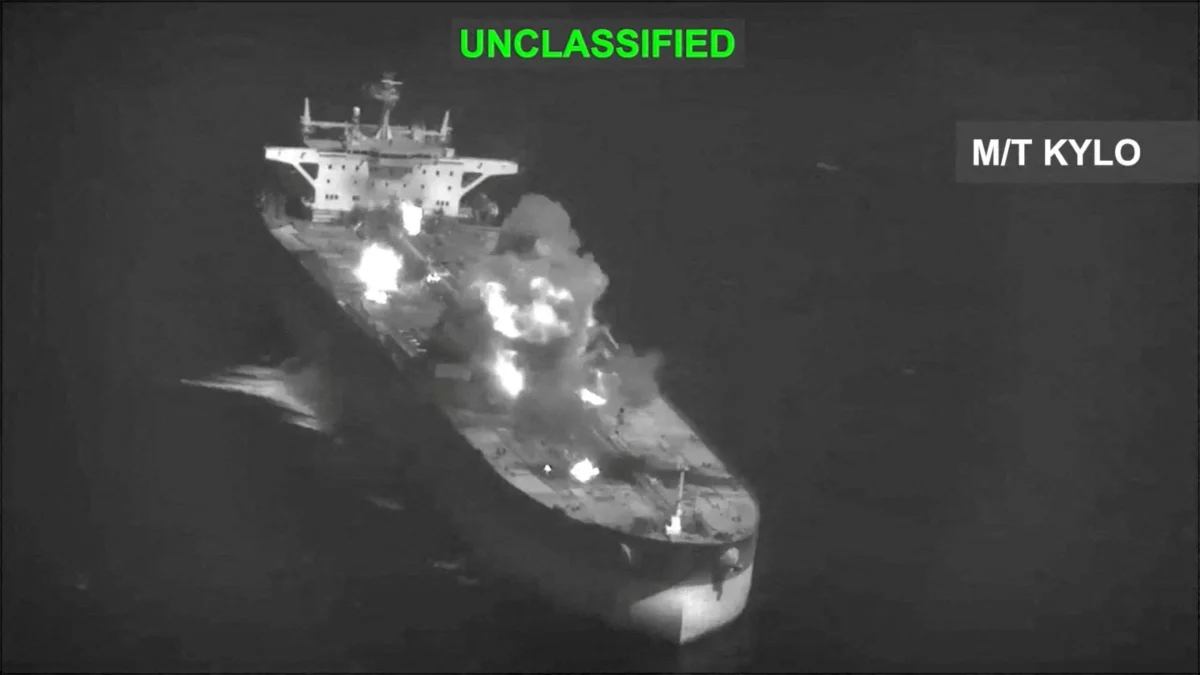
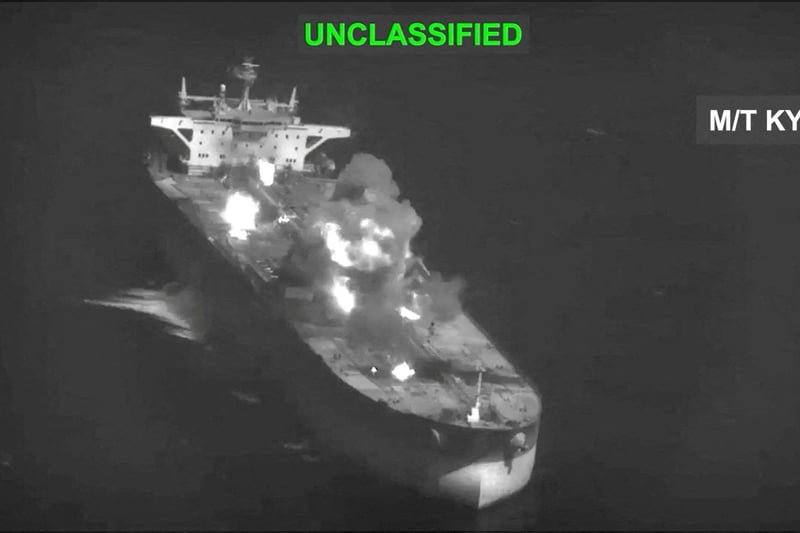
The current situation is marked by a series of tit-for-tat attacks. Over the weekend, the U.S. military reported sinking the Iranian oil tanker "M/T Kylo" in the Gulf of Oman. In response, Iran claimed to have attacked a U.S. military vessel, an assertion the United States has denied. These events, which would typically send shockwaves through the global oil market and drive prices significantly higher, have instead been met with a muted reaction. This suggests a growing market maturity or a strategic recalibration in how such geopolitical events are priced into commodities.

Background and Escalation of Tensions
The current geopolitical friction between the United States and Iran has deep roots, stemming from a complex interplay of regional rivalries, nuclear proliferation concerns, and economic sanctions. The initial escalation of conflict in late February triggered widespread concern among market participants. Analysts, drawing parallels to past conflicts that disrupted oil supplies, widely anticipated a significant price spike. The reasoning was straightforward: Iran is a significant oil-producing nation, and any disruption to its exports, or to the shipping lanes crucial for its trade, could lead to a substantial deficit in global supply.
The predictions of oil prices reaching $200 per barrel were not without justification. Historical precedents, such as the 1973 oil crisis and the Iranian Revolution in 1979, demonstrated the potent effect that Middle Eastern supply disruptions can have on global energy markets. In those instances, oil prices quadrupled and more, leading to significant economic hardship worldwide. Therefore, when direct military confrontations began to occur, the market’s immediate reaction was to price in a scenario of significant supply constraints.
The "M/T Kylo" Incident and Iranian Retaliation
The sinking of the "M/T Kylo" by the U.S. military represents a significant escalation. The vessel, reportedly an Iranian oil tanker, was sunk in the Gulf of Oman, a critical chokepoint for global oil transportation. The U.S. military’s action, if verified as a direct response to Iranian provocations, signals a hardening of stance and a willingness to directly target Iranian assets.
The Iranian claim of retaliating against a U.S. military vessel, though denied by Washington, underscores the volatile nature of the situation. Such claims, even if unsubstantiated, can influence market sentiment and contribute to an atmosphere of heightened risk. However, the market’s current detachment from these events suggests that either the impact of these specific actions is perceived as limited, or that other factors are mitigating the price impact.
Market Resilience: Key Factors at Play
Several key factors contribute to the oil market’s current resilience in the face of escalating tensions:
-
Strategic Petroleum Reserves (SPRs): Major oil-consuming nations, particularly the United States, have substantial Strategic Petroleum Reserves. These reserves are designed to buffer the market against sudden supply disruptions. In the event of a significant shortfall, governments can release oil from these reserves to stabilize prices. The U.S. has demonstrated its willingness to tap into its SPR in the past, and the existence of these reserves provides a psychological backstop for the market.

-
Increased Production from Other Nations: While Iranian exports may be under pressure, other major oil-producing nations, particularly within OPEC+, have the capacity to increase their output. Saudi Arabia, for example, has historically played a crucial role in moderating oil prices by adjusting production levels. If Iranian supply were to be significantly curtailed, it is plausible that these producers would step in to fill the void, thereby mitigating a global shortage. Data from the International Energy Agency (IEA) consistently shows that OPEC+ has the spare capacity to respond to market needs.
-
Diversified Supply Chains and Alternative Energy Sources: The global energy landscape has evolved since previous major oil crises. There is a greater reliance on diverse sources of energy, including natural gas and a growing contribution from renewable energy sources. While oil remains dominant in transportation, the diversification of the energy mix means that the global economy is less singularly dependent on crude oil than in decades past. Furthermore, advancements in logistics and shipping have made supply chains more robust, although they remain vulnerable to specific chokepoints.
-
Market Saturation and Demand Factors: Global oil demand, while robust, is also subject to economic cycles and shifts in consumption patterns. If global economic growth were to slow, demand for oil could soften, creating a natural buffer against price increases. While current demand appears strong, any signs of weakening would temper the market’s reaction to supply-side jitters.

-
Sanctions Evasion and Black Market Activity: Iran has a history of circumventing international sanctions, including those related to its oil exports. While official exports may be restricted, there is evidence of a robust black market for Iranian oil, often facilitated by opaque shipping practices and intermediaries. This means that even under sanctions, a certain volume of Iranian crude may still find its way to the market, albeit at discounted prices and with greater difficulty.
-
Psychological "Dulling" of the Market: As the article suggests, the market may be experiencing a form of "dulling" or desensitization to geopolitical tensions in the region. Repeated confrontations, without leading to a sustained and severe supply shock, can lead traders and investors to discount the potential impact of future events. The market has, in essence, "priced in" a certain level of risk associated with the Iran-US conflict, and unless a truly catastrophic supply disruption occurs, the reaction may be less dramatic than anticipated.
Impact on Global Oil Exports

Despite the market’s apparent resilience, it is crucial to note that oil exports from the Gulf region are still operating at approximately two-thirds of their pre-conflict levels. This indicates that while a full-blown supply crisis has been averted, there are still underlying constraints and vulnerabilities in the global oil market. The sustained reduction in exports from this vital region implies that any further escalation or disruption could still have a significant impact.
Analysis of Implications
The current market behavior has several key implications:

-
Strategic Advantage for Consumers: For major oil-importing nations, the stability in oil prices provides a significant economic advantage. Lower and stable energy costs reduce inflationary pressures, support economic growth, and ease the burden on consumers. This is particularly important in a global economic environment that is already facing challenges from inflation and supply chain disruptions.
-
Geopolitical Signaling: The muted market reaction might also be interpreted as a signal of confidence in the existing geopolitical order or a belief that neither side wishes for a full-scale conflict that would severely disrupt oil supplies. It could suggest that both the U.S. and Iran, despite their rhetoric and actions, are seeking to manage the conflict within certain boundaries to avoid a complete breakdown of energy markets, which would be detrimental to all parties involved, including Iran itself.
-
Increased Volatility Risk: While the market has shown resilience, the underlying geopolitical tensions remain high. Any miscalculation or unintended escalation could rapidly change the market dynamics. The current stability should not be interpreted as a guarantee of future calm. The potential for significant price spikes remains a constant risk as long as the conflict persists.

-
Shift in Market Expectations: The market’s reaction suggests a potential shift in how geopolitical risks are assessed. Traders and analysts may be recalibrating their models to account for factors like SPRs, increased production capacity from other nations, and the evolving energy landscape. This could lead to more nuanced price reactions in the future, with less automatic correlation between geopolitical events and immediate oil price surges.
Conclusion: A Fragile Equilibrium
The current oil price situation, with prices hovering around $97 per barrel despite escalating U.S.-Iran tensions, represents a complex equilibrium. The market has demonstrated a remarkable ability to absorb shocks, thanks to a combination of strategic reserves, diversified supply options, and perhaps a growing market maturity in pricing geopolitical risk. However, this stability is fragile. The ongoing military engagements, though not yet causing a catastrophic supply disruption, highlight the persistent risks in a critical energy-producing region. As long as the conflict between the United States and Iran continues, the potential for a significant oil price shock remains a looming threat, capable of disrupting global economic stability. The coming weeks and months will be crucial in determining whether this equilibrium can be maintained or if the market will be forced to confront the more dire predictions of a true oil shock.
