

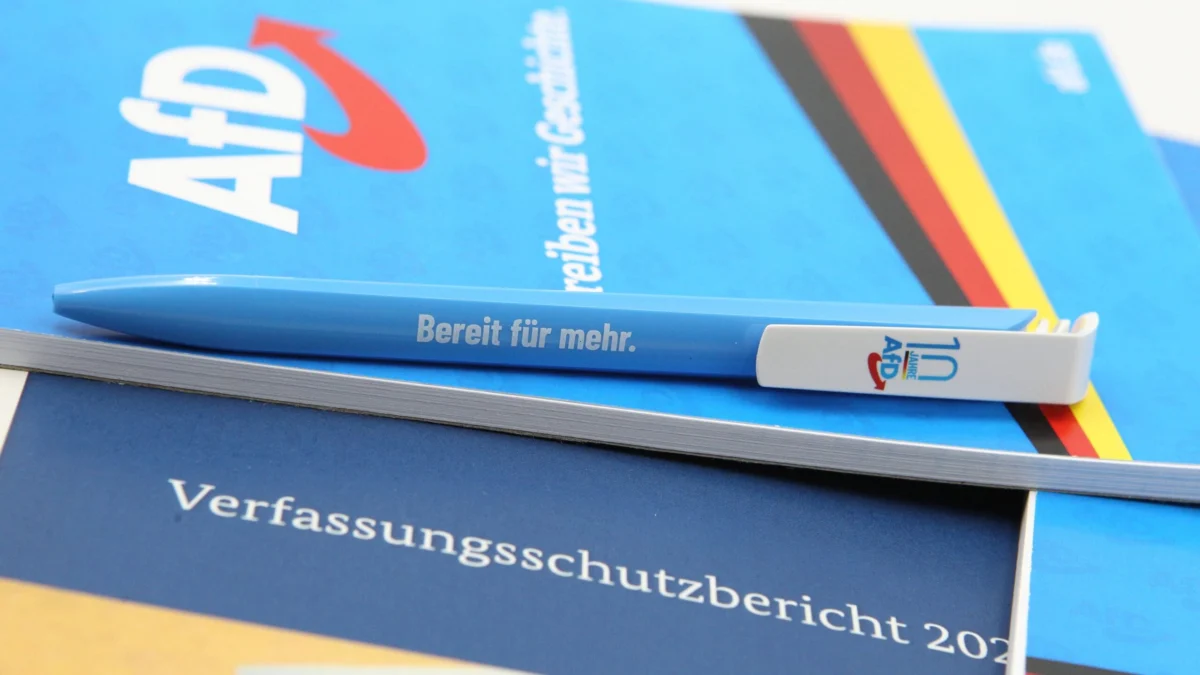
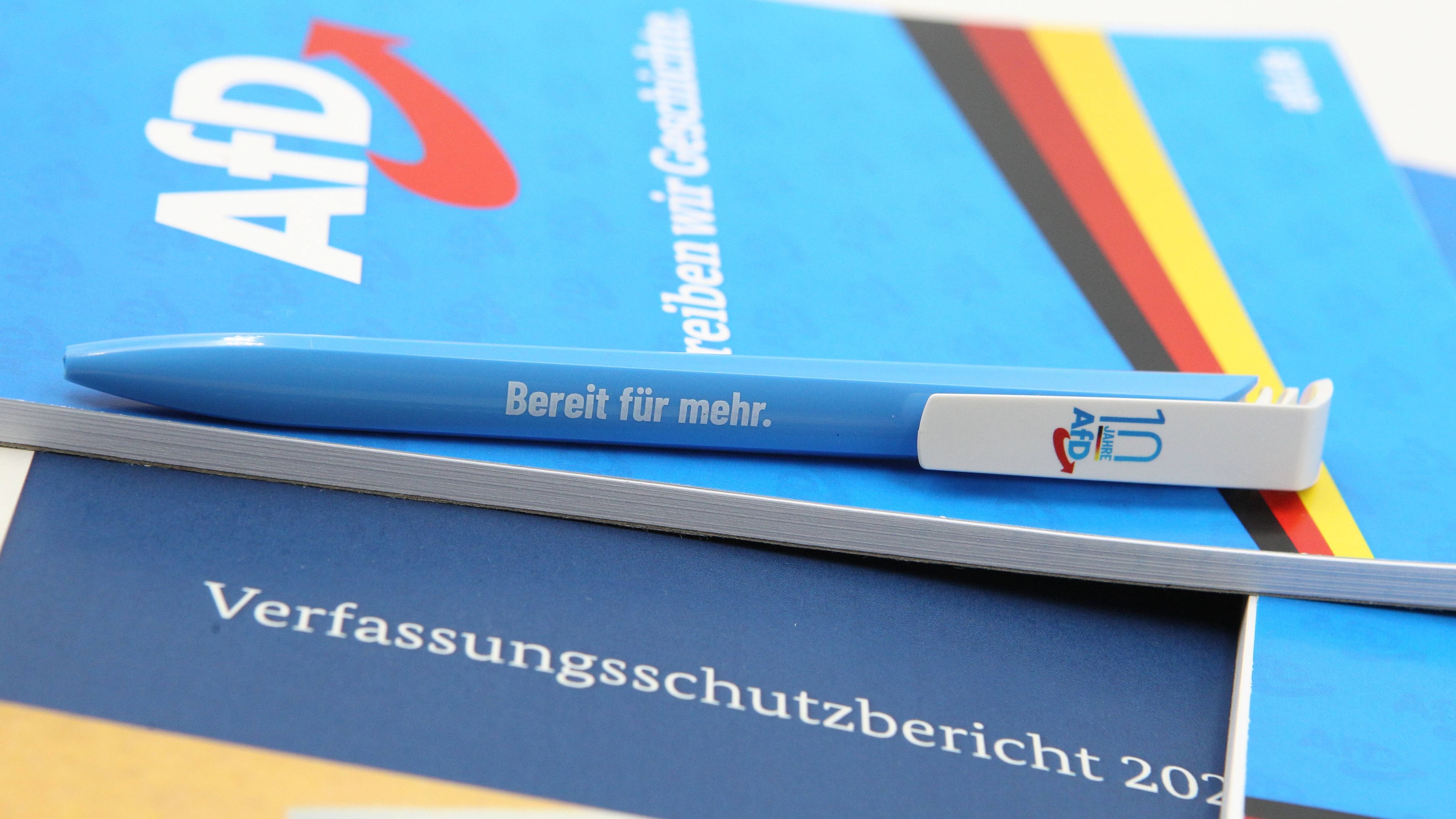
A seemingly innocuous item, a pen, has become a point of contention in the educational landscape of Brandenburg, Germany. The state’s Ministry of Education has issued a directive permitting the prohibition of writing implements bearing the logo of the Alternative for Germany (AfD) party on school grounds. This decision, enacted despite the AfD not being officially banned as a political entity, has ignited a fervent debate regarding the boundaries of political expression in educational institutions and the state’s role in shaping young minds. The Ministry’s justification for the ban rests on the AfD’s classification as extremist in the state’s domestic intelligence report, a designation that has led to its inclusion in lists of concerning organizations. This move raises fundamental questions about how much political tutelage is permissible in the pursuit of fostering independent and critical thinking among students.
Background: The AfD and its Classification
The Alternative for Germany (AfD) emerged in 2013 as a Eurosceptic party, initially focusing on criticism of the Eurozone’s bailout policies. Over time, its platform has evolved, embracing more nationalistic and anti-immigration stances. This shift has led to increased scrutiny from Germany’s domestic intelligence agency, the Federal Office for the Protection of the Constitution (Verfassungsschutz). In Brandenburg, as in several other German states, the AfD’s youth organization and specific regional chapters have been placed under observation or classified as "suspected cases of right-wing extremism." The state’s domestic intelligence report has further categorized the party’s Brandenburg branch as extremist, providing the legal and political basis for the Ministry of Education’s recent directive.
This classification is a significant development. While not constituting a formal ban, it signals to state authorities that the organization’s activities and ideology are deemed a threat to the democratic order. This is typically based on evidence of anti-constitutional sentiments, xenophobia, or attempts to undermine democratic principles. The implications of such a classification extend beyond surveillance, influencing how public institutions interact with and regulate the presence of the party and its symbols.
Chronology of Events and the Directive
The directive regarding the AfD pens is not an isolated incident but appears to be a response to an evolving approach to managing political symbolism within schools. While a precise timeline of the internal discussions leading to the directive is not publicly available, the decision likely stems from a period of heightened awareness and concern regarding the increasing visibility of far-right ideologies.
The core of the issue lies in the interpretation of existing regulations concerning political neutrality and the protection of minors within the school environment. Educational authorities are generally tasked with ensuring a safe and conducive learning atmosphere, free from undue political influence or provocation. The directive allows school administrators to confiscate items, such as pens, that carry AfD insignia, based on the premise that such items can be interpreted as promoting an extremist ideology, even if indirectly.
The directive itself, though specific in its target (pens), represents a broader policy stance. It empowers schools to act proactively against what they perceive as potentially disruptive or harmful political symbols. This approach mirrors similar measures taken in other contexts, where symbols associated with banned organizations or extremist ideologies are prohibited. However, the AfD’s current legal status as a non-banned party complicates this parallel.
Supporting Data and Legal Precedents
The decision to ban AfD-branded pens hinges on the classification of the party as extremist by the Brandenburg Office for the Protection of the Constitution. This classification is not arbitrary; it is based on thorough analysis and evidence gathering by intelligence services. The reports typically detail activities, statements, and ideological leanings that are considered to be in opposition to Germany’s Basic Law (Grundgesetz).
While specific data on the prevalence of AfD-branded pens in Brandenburg schools is not readily available, the directive suggests that such items are present and have become a concern for educational authorities. The ministry’s action can be seen as a preemptive measure to prevent potential conflicts or the normalization of extremist symbols among students.
The legal framework for such actions is rooted in the principle of protecting minors and maintaining the neutrality of public institutions, including schools. While freedom of expression is a fundamental right, it is not absolute, particularly within the context of educational settings where the primary goal is to provide a safe and apolitical environment for learning. Previous legal challenges concerning political symbols in schools have often centered on the balance between these rights. For instance, debates have arisen regarding the display of religious symbols or symbols associated with controversial political movements. The current situation in Brandenburg adds another layer to this ongoing discussion, focusing on symbols of a party designated as extremist by intelligence agencies.
Official Responses and Reactions
The Brandenburg Ministry of Education has defended its stance, emphasizing that the directive is aimed at protecting students from potentially harmful ideologies and maintaining a neutral learning environment. A spokesperson for the ministry stated that the decision aligns with the obligation to protect democratic values and prevent the propagation of extremist views within schools. The argument is that while the AfD is not banned, its designation as extremist warrants a cautious approach within educational institutions, particularly concerning visible symbols.
Reactions from other political parties have been mixed. Some have lauded the Ministry’s move as a necessary step to safeguard the educational system from extremist influences. They argue that schools should be bastions of democratic values and that allowing symbols of extremist groups to proliferate undermines this role.
Conversely, the AfD has vehemently condemned the ban, decrying it as an infringement of political freedom and an act of ideological discrimination. Party officials have argued that prohibiting pens is an overreach of authority and that such measures are designed to silence political opposition. They contend that students should be exposed to diverse political viewpoints and that banning even symbolic items is a step towards censorship. Critics of the ban also point to the potential for a "slippery slope," where other political symbols or expressions could be targeted in the future.
Civil liberties organizations have also weighed in, with some expressing concern about the potential for overreach and the implications for freedom of expression. Others have acknowledged the delicate balance that educational authorities must strike between protecting students and upholding democratic freedoms. The debate highlights the inherent tension between state authority and individual liberties, particularly when dealing with politically charged symbols.
Broader Impact and Implications
The decision in Brandenburg has significant implications beyond the immediate issue of pens. It raises fundamental questions about the role of schools in a democratic society and the extent to which they should actively curate the political environment for students.
Firstly, it underscores the ongoing societal debate about how to address the rise of extremist ideologies and their potential impact on younger generations. By allowing the prohibition of AfD symbols, Brandenburg is signaling a more assertive approach to combating perceived extremism within its educational institutions. This could set a precedent for other states or even influence national policy discussions.
Secondly, the ban forces a re-examination of the concept of political neutrality in schools. While schools are generally expected to be apolitical, the presence of political parties and their ideologies is an undeniable reality. The question is how educational authorities should navigate this reality without resorting to censorship or appearing to endorse specific political viewpoints.
Thirdly, the directive prompts consideration of the educational objectives of fostering critical thinking and independent judgment. Critics of the ban argue that instead of prohibiting symbols, schools should focus on educating students about different ideologies, their historical context, and their potential consequences. This approach, they argue, empowers students to make informed decisions rather than shielding them from certain ideas.
The situation in Brandenburg also highlights the challenges faced by intelligence agencies and government bodies in defining and responding to extremism. The classification of a party as extremist, even without a formal ban, carries significant weight and can lead to a cascade of policy decisions. The effectiveness and proportionality of these decisions, however, remain subjects of ongoing debate.
Ultimately, the ban on AfD pens in Brandenburg is more than just a minor administrative decision. It is a flashpoint in a larger conversation about the intersection of politics, education, and democratic values in contemporary Germany. The long-term consequences of this policy will likely depend on how it is implemented, challenged, and debated in the coming months and years, shaping the discourse on political expression within educational settings. The case serves as a potent reminder that even the most mundane objects can become charged symbols in the arena of political and social discourse.
