

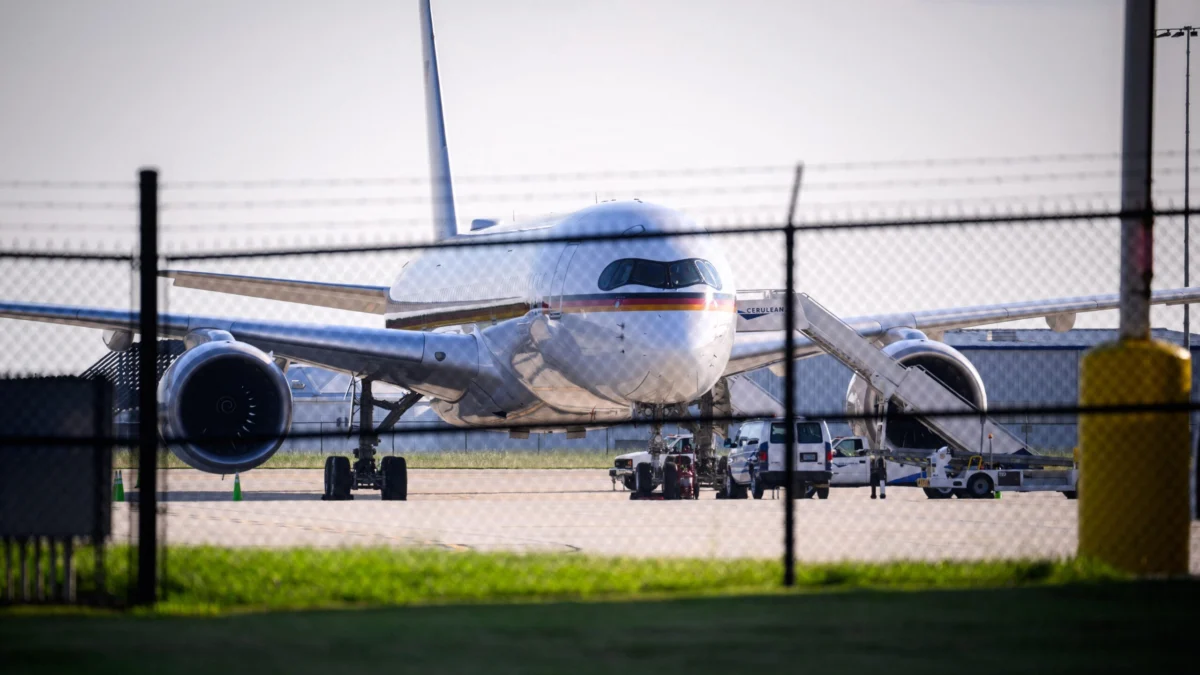
German Finance Minister Lars Klingbeil has found himself unexpectedly stranded in the United States following the conclusion of the G20 Finance Ministers’ meeting, due to a mechanical issue with his official aircraft. This unforeseen delay means he will miss a crucial cabinet meeting in Berlin where his significant tax reform package is slated for approval. The incident has thrown a spotlight on the logistical challenges faced by government officials and the potential impact of such disruptions on legislative processes.
The G20 Summit and the Unforeseen Detour
The G20 Finance Ministers’ meeting, held in Asheville, North Carolina, concluded on Sunday. The summit aimed to address pressing global economic issues, including inflation, supply chain disruptions, and the ongoing geopolitical landscape’s impact on international finance. Minister Klingbeil, a key figure in these discussions, was scheduled to return to Germany on Tuesday evening to prepare for a pivotal cabinet session on Wednesday. This session was to mark the formal endorsement of his proposed income tax reform, a cornerstone of the current government’s economic policy.
The G20, a forum for international economic cooperation, typically brings together the finance ministers and central bank governors from 19 countries and the European Union. These meetings serve as vital platforms for coordinating economic policies and tackling shared challenges. For Germany, represented by Klingbeil, the summit provided an opportunity to advocate for its economic priorities and engage in crucial bilateral discussions.
A Crucial Legislative Agenda Halted
The significance of the missed cabinet meeting cannot be overstated. The proposed tax reform, spearheaded by Klingbeil, aims to provide relief for middle and lower-income earners while potentially increasing the tax burden on high earners. According to the Federal Ministry of Finance, the reform is projected to reduce taxes by approximately four billion euros in the coming year and ten billion euros by 2028. Specifically, a family with two children is estimated to benefit from an annual tax reduction of 614 euros. This measure is a key component of the government’s strategy to stimulate domestic demand and support households facing economic headwinds.
The delay in its approval is not merely an administrative hiccup; it has political ramifications. The opposition parties, particularly the CDU/CSU, have been vocal in their criticism of Klingbeil’s tax reform. Just days prior to the G20 meeting, a letter from Economic Minister Katherina Reiche (CDU) publicly urged Klingbeil to reconsider and further alleviate the tax burden on citizens. The delay provides the opposition with further ammunition to scrutinize and potentially undermine the reform, especially in the absence of its chief proponent to defend it.
The Technical Glitch: A Cascade of Consequences
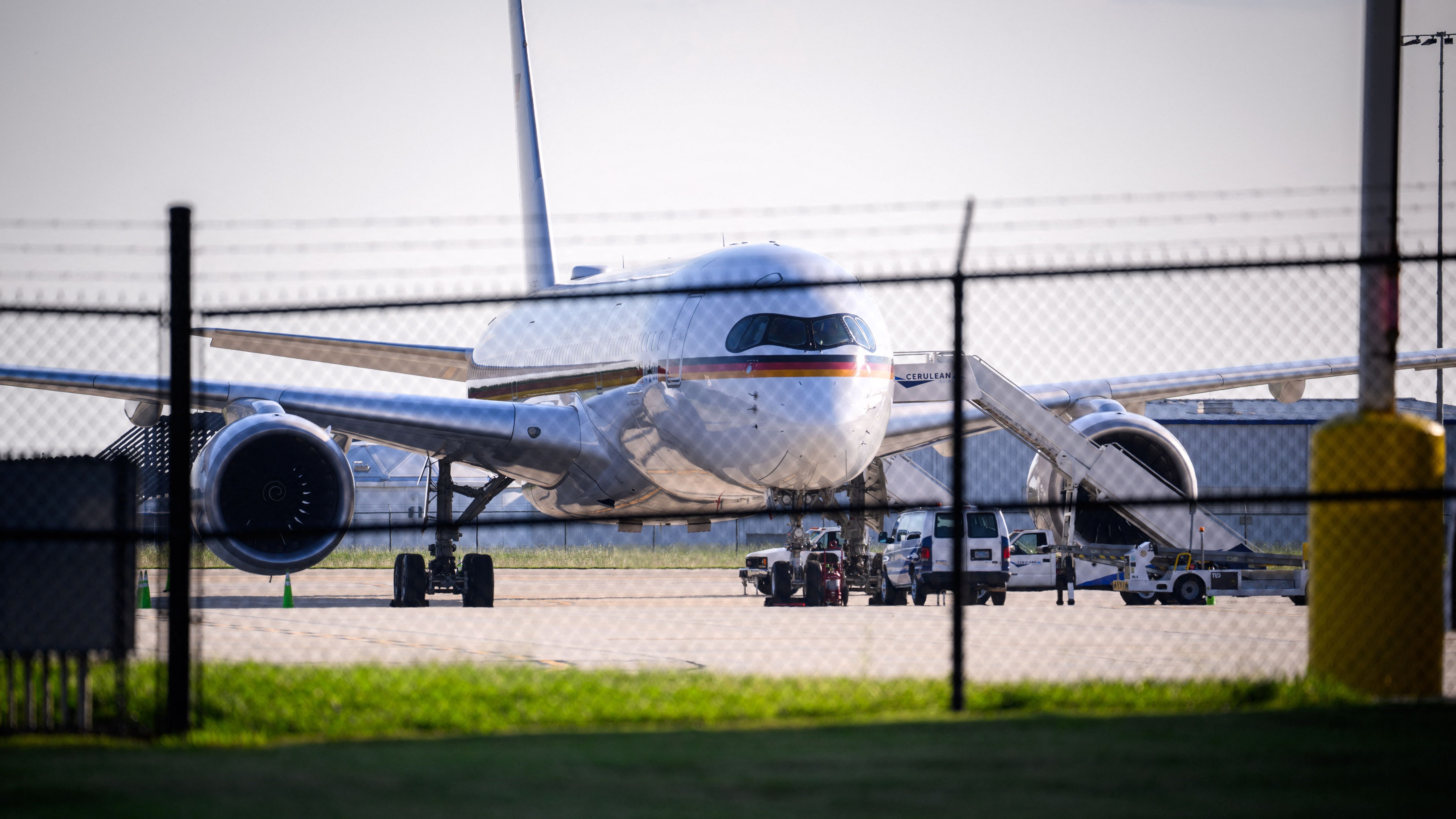
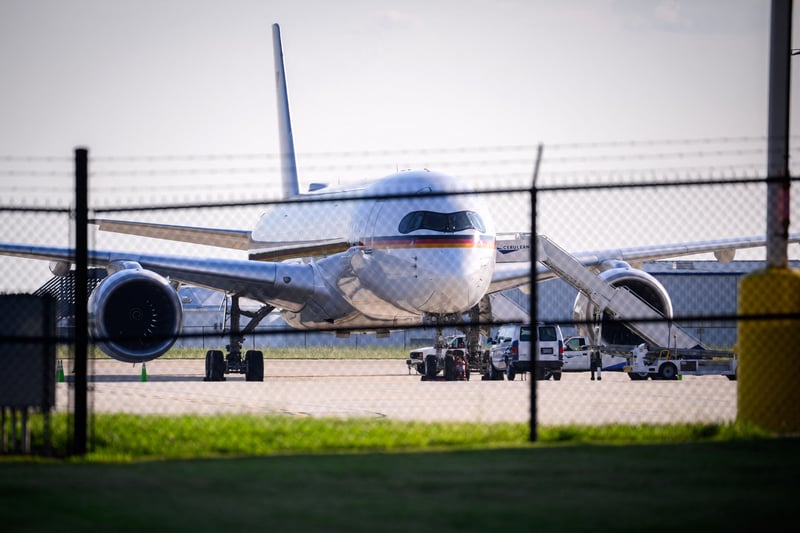
The disruption stems from a technical malfunction with the official government aircraft, an Airbus A350 operated by the German Air Force’s Special Air Mission Wing. While the exact nature of the defect has not been publicly detailed, it was severe enough to prevent the aircraft from completing its scheduled departure on Tuesday evening. This forced Klingbeil and his delegation to remain grounded in Spartanburg, South Carolina, at the Greenville-Spartanburg International Airport.
The Special Air Mission Wing is responsible for transporting high-ranking government officials, including the Chancellor, ministers, and the Federal President. These aircraft are crucial for ensuring timely and efficient travel for Germany’s political leadership, enabling them to fulfill their domestic and international duties. The reliability of this fleet is paramount, and any significant technical issue can have far-reaching consequences, as demonstrated by this incident.

Timeline of Events
- Sunday: The G20 Finance Ministers’ meeting concludes in Asheville, North Carolina.
- Tuesday Afternoon: Minister Klingbeil and his delegation prepare for their return flight to Germany.
- Tuesday Evening: The official government aircraft experiences a technical defect, preventing its departure. Minister Klingbeil and his delegation are forced to remain in the United States.
- Wednesday Morning: The German Federal Cabinet convenes in Berlin to vote on the proposed income tax reform. Minister Klingbeil is absent and unable to present or defend his policy.
Broader Implications and Context
This incident highlights the inherent vulnerabilities in governmental travel logistics, particularly when relying on specialized aircraft. While such aircraft are equipped to high standards, mechanical failures can occur. The situation also underscores the tight schedules and demanding responsibilities of senior government officials, where even a short delay can lead to missed critical engagements.
The debate surrounding Klingbeil’s tax reform is indicative of broader economic policy discussions within Germany and the European Union. While the government aims to provide targeted relief to households, concerns remain about the overall fiscal impact and the potential for unintended consequences. The opposition’s criticism, focusing on the need for greater tax relief, reflects a different approach to economic stimulus and fiscal policy.

Furthermore, the incident could reignite discussions about the preparedness and maintenance of the government’s air transport fleet. While such malfunctions are rare, their impact can be significant. Ensuring the operational readiness of these critical assets is essential for the effective functioning of government.
Potential Reactions and Future Considerations
While specific statements from all parties involved are pending, it can be inferred that the Federal Ministry of Finance will be working diligently to ensure the tax reform’s passage despite Klingbeil’s absence. A close colleague or deputy minister may be tasked with presenting the legislation and addressing any immediate questions.

The opposition parties are likely to seize upon Klingbeil’s absence as a sign of his government’s perceived disarray or inability to manage its affairs effectively. They may use this opportunity to further press their demands for broader tax cuts.
In the longer term, this incident may prompt a review of contingency plans for government travel. This could include exploring options for alternative transportation in the event of aircraft unavailability or establishing clearer protocols for handling such unforeseen circumstances. The focus will remain on ensuring that essential legislative processes are not unduly hampered by logistical challenges.

The G20 meeting itself, while now overshadowed by the travel mishap, was a critical juncture for global economic dialogue. The issues discussed—inflation, supply chain resilience, and international economic stability—remain paramount. The effectiveness of international cooperation in addressing these challenges will continue to be a key focus for finance ministers worldwide. Minister Klingbeil’s eventual return to Germany will see him immediately engaging with the aftermath of this legislative delay and continuing the vital work of shaping the nation’s economic policy.
