

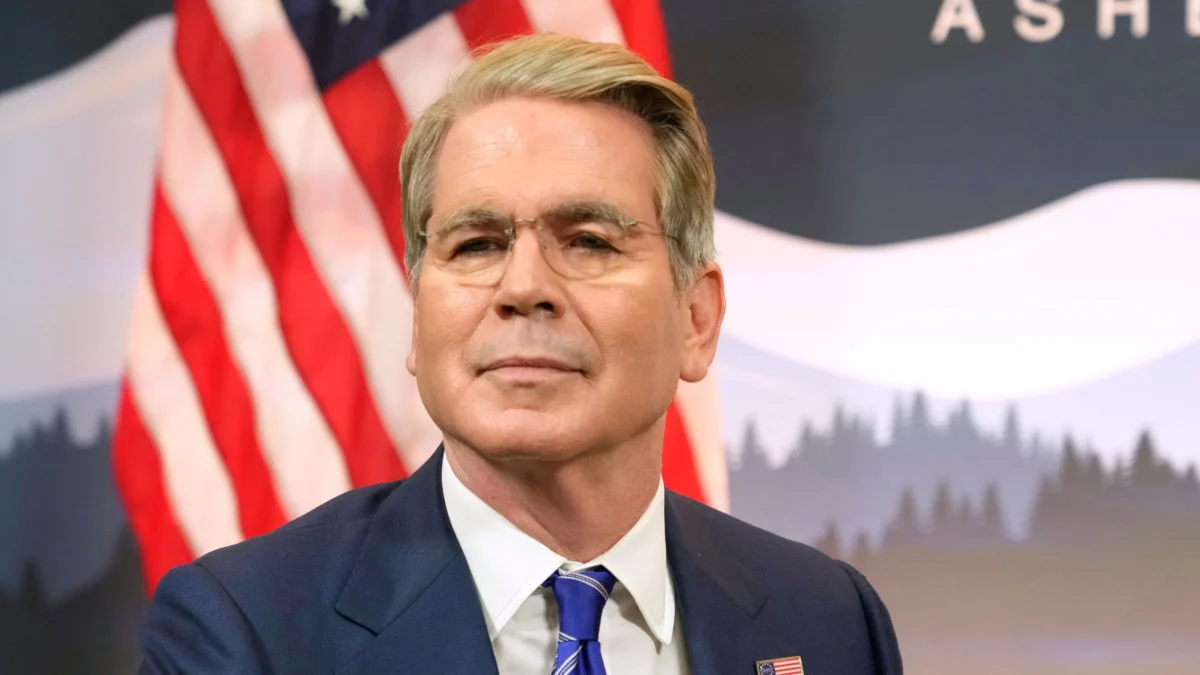
The United States is intensifying its economic pressure on Iran, with Treasury official Scott Bessent announcing plans for weekly secondary sanctions targeting entities involved in financial dealings with the Islamic Republic. This strategic move, aimed at further isolating Iran and curtailing its financial resources, comes amid escalating regional tensions and ongoing concerns over Iran’s nuclear program and its support for various militant groups. The intensified sanctions regime signals a robust commitment from the U.S. to leverage financial tools as a primary instrument of foreign policy in its dealings with Tehran.
Escalating Sanctions and Financial Warfare
Scott Bessent, speaking with Reuters, detailed the U.S. Treasury’s intention to implement a systematic schedule of secondary sanctions. "We will make it clear to financial institutions that it is not acceptable to manage Iranian money and support the regime," Bessent stated, underscoring the administration’s resolve to penalize any financial entity, regardless of its jurisdiction, that facilitates transactions with Iran. This approach aims to create a significant deterrent, compelling banks and financial institutions worldwide to sever ties with Iran to avoid severe repercussions from the U.S.
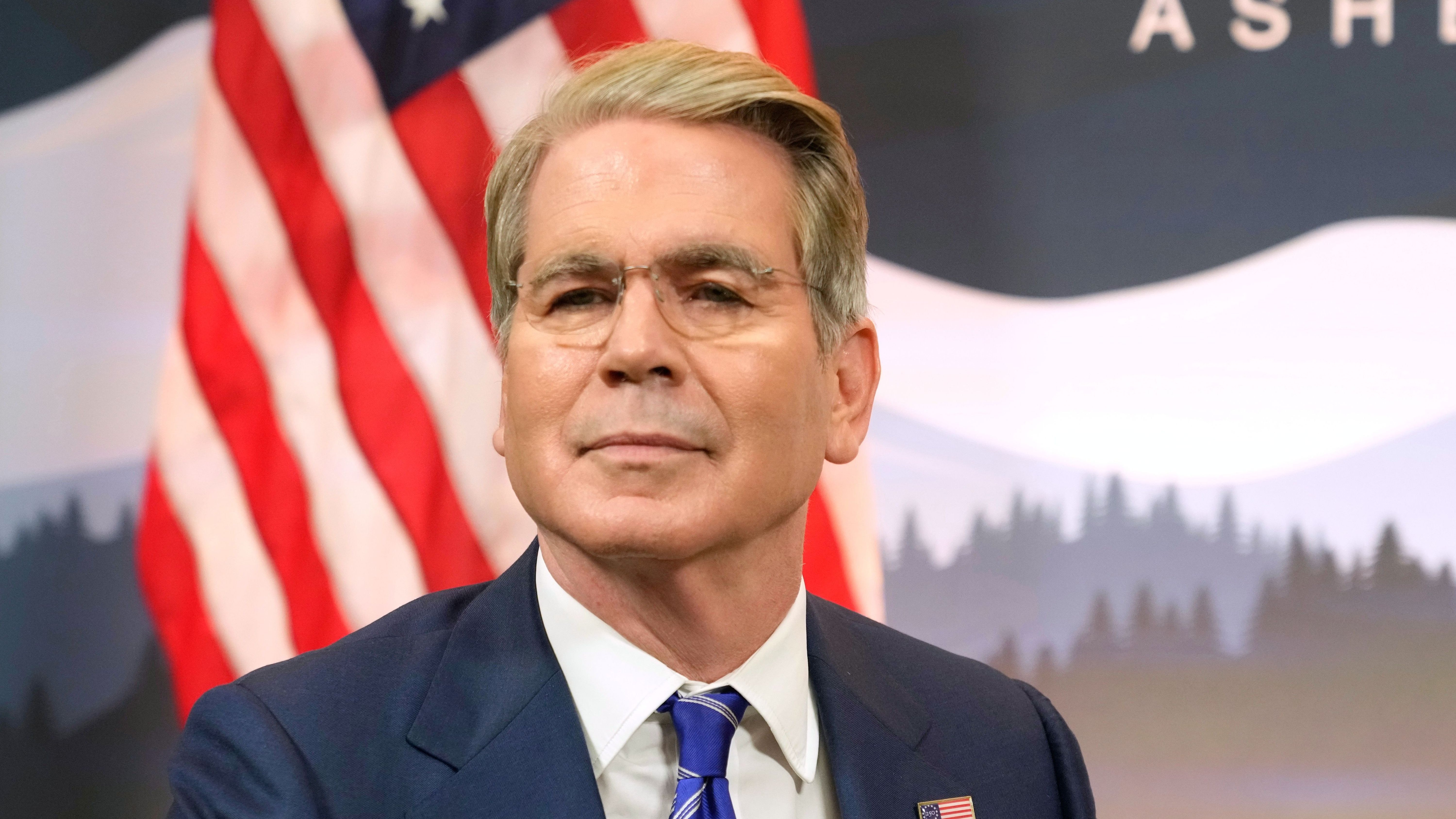
The strategy involves a phased escalation. Initially, the focus will be on financial institutions that manage Iranian funds. However, Bessent indicated that the next step could involve completely cutting off certain institutions from the U.S. dollar-based financial system, a move that would severely cripple their global operations. This aggressive stance is intended to convey a clear message to the international community: complicity in supporting Iran’s economy will not be tolerated.
Bessent plans to convey this message directly to his counterparts at the upcoming G20 finance ministers’ meeting. His objective is to rally support from major industrialized and emerging economies, urging them to align with the U.S. policy of economic isolation. The core of his address will be a stark warning: countries that fail to cease their economic relations with Iran will face secondary sanctions. This diplomatic offensive aims to build a broad international coalition against Iran’s financial infrastructure, further amplifying the economic pressure.
Regional Flashpoints and Military Posturing
The increased focus on sanctions coincides with heightened military activity and rhetoric in the Middle East. Fox News reported Iranian Revolutionary Guards claiming responsibility for attacking two U.S. bases in Jordan with ballistic missiles. This purported retaliation was framed as a response to a U.S. strike on the Iranian island of Larak. Iranian media cited by Fox News stated that the military bases, King Hussein and Al Azraq, were targeted. However, early reports from Fox News, citing U.S. sources, indicated that most incoming missiles were intercepted, suggesting limited immediate impact from the alleged strikes.

The Pentagon has also actively addressed reports concerning the U.S. military’s operations against Iran. Pentagon spokesperson Sean Parnell on the platform X dismissed aspects of a Washington Post report as "simply false." The report, which cited individuals familiar with classified documents, suggested that several senior U.S. military officials had warned Defense Secretary Pete Hegseth about the unsustainability of prolonging U.S. operations against Iran. Parnell emphasized that the publication of classified situation reports constitutes a "crime" and characterized the article as a "poorly researched report full of inaccuracies." While declining to comment on specific operational details or risk assessments, his firm denial highlights internal disagreements or differing interpretations of the situation within the U.S. defense establishment.
The Washington Post report, referencing a document known as the Secretary of Defense Orders Book (SDOB), indicated that prolonging large-scale operations against Iran could compromise the military’s capacity to respond to domestic threats. This underscores a strategic debate within the U.S. about the long-term viability and potential consequences of sustained military engagement in the region.
Background Context and Escalation Dynamics
The current diplomatic and economic standoff is rooted in a complex history of U.S.-Iran relations, marked by periods of intense animosity and intermittent attempts at dialogue. Following the 1979 Islamic Revolution, the U.S. imposed sanctions on Iran, which have waxed and waned depending on geopolitical developments. The Obama administration’s landmark Joint Comprehensive Plan of Action (JCPOA) in 2015 temporarily eased some sanctions in exchange for Iran limiting its nuclear program. However, the Trump administration withdrew the U.S. from the JCPOA in 2018 and reimposed stringent sanctions, a policy that has largely been continued by the Biden administration, albeit with some adjustments.
The recent surge in tensions can be partly attributed to Iran’s alleged involvement in supporting regional proxy groups, including Hezbollah in Lebanon and various militias in Iraq and Syria, which have been implicated in attacks on U.S. interests and allies. Furthermore, concerns over Iran’s ballistic missile program and its pursuit of nuclear capabilities continue to be a significant driver of U.S. policy.
The reported attacks on U.S. bases in Jordan, if confirmed and attributed to Iran, would represent a significant escalation. Such actions could trigger a more direct military response from the United States, potentially drawing regional allies into a wider conflict. The intercepted nature of the alleged attacks, as reported by Fox News, might indicate a measured response from Iran, seeking to signal capability and resolve without provoking an overwhelming U.S. military retaliation.
The G20 Forum: A Diplomatic Battleground
The G20 finance ministers’ meeting provides a crucial platform for Bessent to articulate the U.S. strategy and seek international alignment. The Group of Twenty (G20) comprises major economies, and their collective stance on financial matters can significantly influence global economic policies. Bessent’s objective is not merely to inform but to persuade other nations to actively participate in the economic isolation of Iran. This involves convincing them to scrutinize their own financial institutions and to implement measures that would effectively cut off Iran from international financial flows.

The challenge for Bessent will be to overcome potential resistance from countries that have maintained significant economic ties with Iran, either due to existing trade agreements or strategic considerations. Some nations might be hesitant to implement measures that could disrupt their own economies or jeopardize their diplomatic relations with Iran. However, the threat of U.S. secondary sanctions provides a powerful incentive for compliance, as being cut off from the U.S. dollar system is an outcome that most countries would seek to avoid.
Analysis of Implications and Broader Impact
The U.S. strategy of weekly sanctions represents a sustained and systematic campaign to cripple Iran’s economy. The goal is to choke off the flow of funds that Iran allegedly uses to finance its nuclear program, develop ballistic missiles, and support regional proxies. The effectiveness of this strategy hinges on its ability to compel international financial institutions to comply. If successful, it could lead to a significant contraction of Iran’s economy, potentially fueling domestic unrest and pressuring the Iranian government to alter its behavior.
However, there are also potential downsides. Overly aggressive sanctions could lead to humanitarian concerns, impacting the daily lives of ordinary Iranians. Furthermore, if sanctions are perceived as excessively punitive or unilateral, they could alienate some international partners and push Iran closer to countries that are less inclined to enforce such measures.

The interconnectedness of the global financial system means that U.S. sanctions have a ripple effect. Banks and businesses worldwide must navigate complex compliance requirements, and any misstep can lead to substantial fines and reputational damage. This creates a challenging environment for international trade and investment involving Iran.
A Timeline of Tensions
The recent intensification of U.S. sanctions policy and the concurrent rise in regional military actions suggest a strategic recalibration in response to evolving geopolitical dynamics. The timeline of these events indicates a pattern of escalating pressure and counter-pressure.
- Pre-2015: Years of U.S. sanctions against Iran, largely in response to its nuclear program and support for terrorism.
- 2015: The signing of the Joint Comprehensive Plan of Action (JCPOA), which provided sanctions relief in exchange for Iran limiting its nuclear activities.
- 2018: The Trump administration withdraws from the JCPOA and reimposes stringent sanctions.
- 2020-2023: Continued economic pressure, coupled with increased regional tensions, including incidents in the Strait of Hormuz and alleged attacks on U.S. interests in Iraq and Syria.
- Early 2024: Reports emerge of intensified U.S. efforts to tighten financial controls and implement new rounds of sanctions.
- Recent Weeks: Specific announcements by Treasury officials like Scott Bessent outlining a schedule for weekly sanctions and increased diplomatic engagement to secure international cooperation.
This chronology highlights a pattern of actions and reactions, where U.S. policies are often met with responses from Iran, leading to a cycle of escalation. The current strategy of systematic, weekly sanctions suggests a deliberate and sustained effort to achieve a specific outcome, rather than reactive measures.

Official Responses and International Reactions
While specific reactions from all G20 nations are yet to be fully documented, the U.S. diplomatic outreach indicates an expectation of varied responses. European allies, while generally aligned with U.S. policy on Iran’s nuclear program, have historically expressed concerns about the extraterritorial application of U.S. sanctions and their impact on European businesses. Russia and China, who maintain closer ties with Iran, are likely to be more resistant to U.S. pressure and may seek to circumvent sanctions through alternative financial mechanisms.
Iran’s official response has been one of defiance. The Iranian Foreign Ministry has condemned U.S. sanctions as "state terrorism" and "crimes against humanity," asserting that they jeopardize the livelihoods of millions. Tehran has also emphasized its commitment to diplomacy and defense, vowing not to be deterred from its course. President Hassan Rouhani has previously indicated a willingness for negotiations, but under conditions that respect Iran’s sovereignty and interests.
The broader international implications of this intensified sanctions regime are significant. It risks further fragmenting the global financial system if nations increasingly seek alternatives to dollar-denominated transactions. It also raises questions about the long-term efficacy of economic sanctions as a tool of foreign policy, particularly when facing a determined adversary like Iran. The success of the U.S. strategy will ultimately depend on its ability to forge a unified international front and to demonstrate that the economic costs of non-compliance outweigh the benefits of continued engagement with Iran.
