

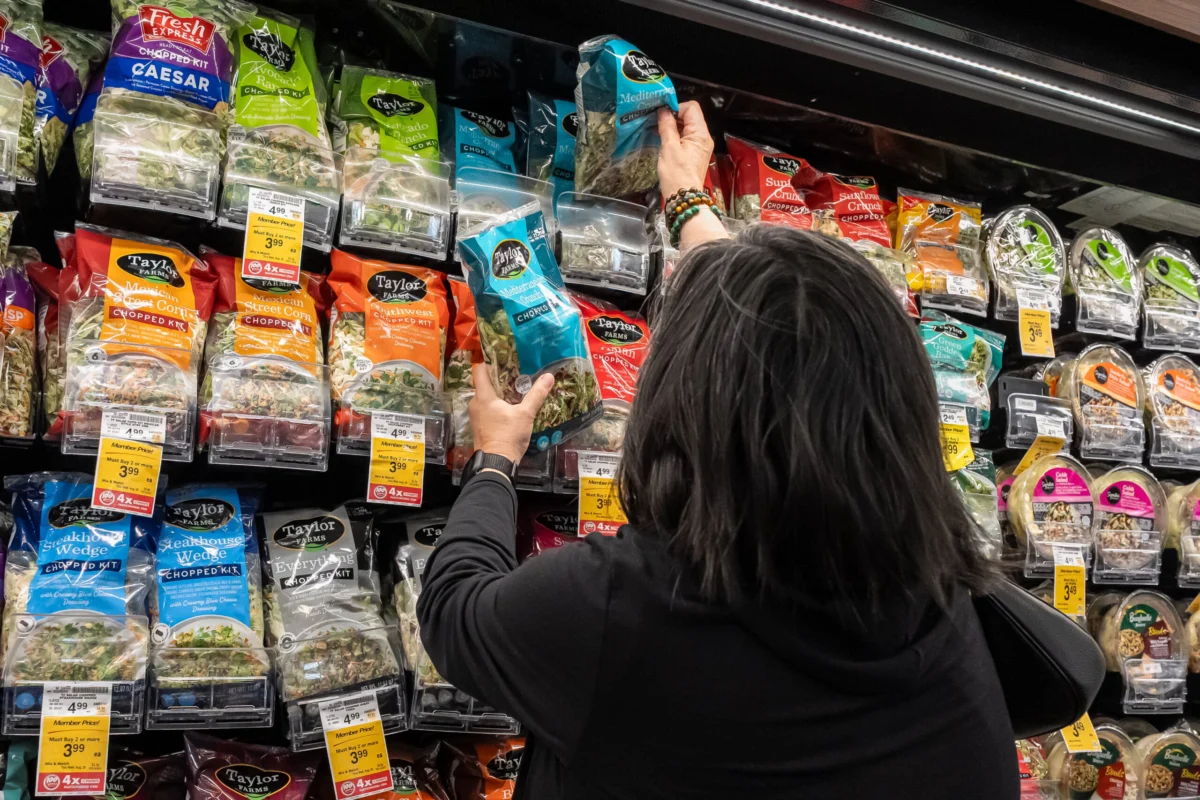
The widespread cyclospora outbreak, which has sickened thousands across multiple U.S. states, has cast a glaring spotlight on the integral, yet often unseen, role played by massive food suppliers like Taylor Farms in the nation’s complex food system. The company, identified by the Food and Drug Administration (FDA) as a key link in the parasite’s recent spread, stands as one of the globe’s preeminent producers of fresh-cut vegetables and salads, serving an expansive network of major grocery chains and restaurant corporations throughout the United States. This incident not only underscores the vulnerabilities inherent in a highly consolidated food supply but also reignites debates about the efficacy of current food safety regulations and the potential influence of corporate lobbying.
The Cyclospora Outbreak: A Deeper Look
The current cyclospora outbreak, described by some as one of the largest in recent U.S. history, began to surface with increasing reports of gastrointestinal illness in late spring and early summer. Cyclospora cayetanensis is a microscopic parasite that can cause cyclosporiasis, an intestinal infection characterized by severe watery diarrhea, loss of appetite, weight loss, abdominal cramps, nausea, and fatigue. Symptoms typically appear about a week after consuming contaminated food or water, but can range from 2 to 14 days. The illness can last for weeks or even months if not treated, and symptoms may recur. Transmission occurs when people ingest food or water contaminated with feces containing the parasite. Fresh produce, particularly leafy greens, has frequently been implicated in past outbreaks due to potential contamination during cultivation, harvesting, or processing.
As health agencies like the Centers for Disease Control and Prevention (CDC) and the FDA began their traceback investigations, a common thread emerged: iceberg lettuce processed at a Taylor Farms facility in central Mexico. This connection prompted significant public health actions, including voluntary recalls and withdrawals of specific products. Walmart, for instance, initiated a recall of certain bagged salads, while Taco Bell proactively pulled lettuce from its menus at various locations, particularly those in affected states. The sheer geographic breadth of the outbreak, spanning numerous states and impacting a diverse range of consumers through both retail and restaurant channels, immediately signaled a systemic issue rather than an isolated incident. The challenge in testing for cyclospora lies in its incubation period and the short shelf life of fresh produce; by the time symptoms manifest, the contaminated product may no longer be available for sampling, making definitive product identification arduous.
Taylor Farms: A Giant in Fresh Produce
Founded in 1995 by Bruce Taylor, Taylor Farms has strategically grown into an agricultural behemoth, leveraging a combination of scale, technological innovation, and aggressive acquisitions. With an estimated $7.3 billion in sales last year, according to PitchBook, the company’s operational footprint spans virtually the entire fresh produce supply chain. From collaborating with hundreds of family farms to meticulous processing, packaging, labeling, and refrigerated distribution, Taylor Farms has perfected a model of vertical integration and extensive reach.
Its products are ubiquitous, gracing the shelves of major retailers such as Walmart, Kroger, Whole Foods, and Target. On the foodservice front, its clientele includes industry giants like McDonald’s, Taco Bell, and Chipotle. The company proudly states that approximately 40% of all salad kits sold in U.S. grocery stores originate from its facilities, underscoring its profound influence on consumer choices for convenient and affordable vegetable options. This dominance is not accidental; it’s a result of a business strategy that prioritizes consistent supply on a massive scale, an attractive proposition for multi-location institutions that value reliability and standardized products.
As Stephen Zagor, a seasoned restaurant consultant and adjunct associate professor at Columbia Business School, explains, "They can promise institutions that have multiple locations all over the country that they can supply what they need on a regular basis. For a restaurant chain, it’s easier for them to deal with a major multinational company than it is to deal with local farmers." This infrastructure allows chains to outsource labor-intensive preparation, enabling Taylor Farms to supply pre-diced onions for McDonald’s or shredded lettuce for Taco Bell, streamlining operations and reducing costs for their partners.
Company Response and Food Safety Commitments
In the wake of the cyclospora outbreak, Taylor Farms has publicly addressed the allegations and outlined its response. While declining an interview with CNBC, a spokesperson for Taylor Fresh Foods, the corporate entity, issued statements defending the company’s robust food safety protocols. "We are confident in our food and food safety systems and will continue to be transparent as more information becomes available," the spokesperson affirmed.
The company claims to invest over $200 million annually in food safety initiatives, characterizing it as their "biggest area of funding by several orders of magnitude." As a proactive measure, Taylor Farms voluntarily suspended iceberg lettuce sourcing and production from its central Mexico facility, the site linked to the outbreak. Furthermore, it commissioned independent experts to conduct a comprehensive review of food safety practices at that specific facility, signaling an intent to identify and rectify any deficiencies. These actions are crucial, especially given the difficulty for regulatory bodies like the FDA to obtain positive product samples for cyclospora due to the rapid consumption and short shelf life of fresh produce.
The Double-Edged Sword of Consolidation
The cyclospora incident has intensified a long-standing debate about the ramifications of consolidation within the food industry. Taylor Farms’ growth strategy has heavily relied on acquisitions and investments, including notable purchases such as Earthbound Farm in 2019 and agricultural robotics company Farmwise in 2025. This expansion strategy has been mirrored by other food service giants like US Foods and Sysco, leading to a landscape dominated by a few large players.

Proponents of consolidation highlight benefits such as enhanced supply chain efficiency, consistent product quality, economies of scale, and potentially lower consumer costs. These large companies can invest in advanced logistics, technology, and food safety measures that smaller entities might not afford. However, the downside, as Zagor points out, is significant: "The consolidation has camouflaged sources. It’s all put in one big pot. And if that pot has now gone bad, that affects the entire downstream logistic food chain." He dramatically termed such a scenario a "culinary national nightmare," aptly capturing the systemic risk posed when a single point of failure in a highly concentrated supply chain can trigger a widespread public health crisis. The complexity of tracing a pathogen through a labyrinthine network of farms, processors, distributors, and retailers becomes exponentially more challenging when multiple products from a single large supplier feed countless outlets.
A History of Incidents and Legal Challenges
This is not the first instance where Taylor Farms has found itself at the center of a foodborne illness investigation. Food safety lawyer Bill Marler, whose firm Marler Clark specializes in foodborne illness litigation, has compiled a comprehensive list of outbreaks linked to Taylor Farms dating back to 2009. These include a salmonella outbreak associated with shredded lettuce in 2009 and an E. coli outbreak tied to slivered onions served at McDonald’s in 2024. This pattern raises questions about the effectiveness of existing food safety protocols, even with substantial investments.
In response to the current cyclospora outbreak, Marler Clark has already filed five complaints in states including Ohio, Michigan, and Kentucky. These lawsuits target not only various Taco Bell franchise operators and the restaurant chain itself but also multiple Taylor entities, including specific operators and a supplier, seeking accountability for the illnesses sustained by their clients. Such legal actions underscore the severe human and financial toll that foodborne outbreaks exact, often leading to protracted legal battles and significant damages.
Regulatory Oversight and Political Influence
The increased scrutiny on Taylor Farms also extends to the regulatory environment in which these large corporations operate. The question of whether government agencies adequately review and challenge acquisitions by such dominant players remains pertinent. When CNBC inquired with the Justice Department and Federal Trade Commission (FTC) about their review of Taylor Farms’ acquisitions, the DOJ did not respond, and the FTC cited a lack of specific purchase price details, which are critical for determining agency review thresholds. No public record suggests the FTC has ever challenged a Taylor Farms acquisition, despite these deals occurring across multiple presidential administrations and under various FTC leaderships. This suggests a potential gap in antitrust scrutiny within the food sector, allowing consolidation to proceed largely unchecked.
Adding another layer of complexity to the narrative are revelations concerning Taylor Fresh Foods’ political activities. Reports highlighted a $1 million donation made by the company to the pro-Trump super PAC MAGA Inc. last year. This contribution coincided with the Trump administration’s decision to delay a crucial rule related to food tracing requirements, specifically FSMA Rule 204, which mandates enhanced traceability records for certain high-risk foods. Furthermore, the company has reportedly spent millions on anti-regulatory lobbying efforts.
Marion Nestle, professor emerita of nutrition, food studies, and public health at New York University, views this as a significant concern. "If what you want is light enforcement of anything that’s going to be expensive and cost you money, it’s very nice to have political power," Nestle observed. "You can go to Congress and say, we don’t want to do that." While Taylor Fresh Foods vehemently denies any suggestion that its political contributions have resulted in favorable regulatory treatment, stating, "Taylor Farms categorically rejects any suggestion that the company has attempted or received favorable regulatory treatment as a result of political contributions or any other improper influence. The allegations are false," the perception of potential influence persists.
Nestle articulates a broader worry: "Companies want to produce food as cheaply as possible. And that means you need oversight." As a handful of colossal companies become increasingly indispensable to the national food system, the capacity and authority of regulators to enforce stringent safety standards become paramount. The cyclospora outbreak serves as a stark reminder that the pursuit of efficiency and cost reduction, while beneficial in many aspects, must be balanced with robust, independent oversight to safeguard public health.
Broader Implications for the Food System
The cyclospora outbreak linked to Taylor Farms is more than an isolated incident; it’s a critical stress test for the entire U.S. food supply chain. It highlights the inherent risks of hyper-consolidation, where a problem at a single, dominant supplier can ripple through countless grocery stores and restaurants, affecting thousands of consumers.
The implications are far-reaching:
- Consumer Confidence: Each major foodborne illness outbreak erodes public trust in the safety of the food system. Consumers become warier of fresh-cut produce, potentially shifting purchasing habits or demanding more rigorous labeling and traceability information.
- Regulatory Reform: The incident could spur renewed calls for strengthening food safety regulations, particularly concerning traceability and the enforcement powers of agencies like the FDA. It may also reignite discussions about antitrust policies within the agricultural and food processing sectors.
- Industry Practices: Other large food suppliers and their clients may re-evaluate their own food safety protocols, supplier vetting processes, and contingency plans. There could be a push for greater transparency throughout the supply chain and increased investment in advanced pathogen detection technologies.
- Economic Impact: Beyond legal costs and lost sales for affected companies, outbreaks can lead to significant economic disruption for restaurants and retailers forced to pull products or lose customer patronage.
In conclusion, the cyclospora outbreak and the subsequent scrutiny on Taylor Farms serve as a potent reminder of the delicate balance between efficiency, cost-effectiveness, and public health in a globalized and consolidated food system. It underscores the critical need for unwavering commitment to food safety at every stage, robust regulatory oversight independent of political influence, and a transparent, accountable industry that prioritizes consumer well-being above all else. The lessons learned from this outbreak will undoubtedly shape the future trajectory of food production, distribution, and consumption in the United States.
