

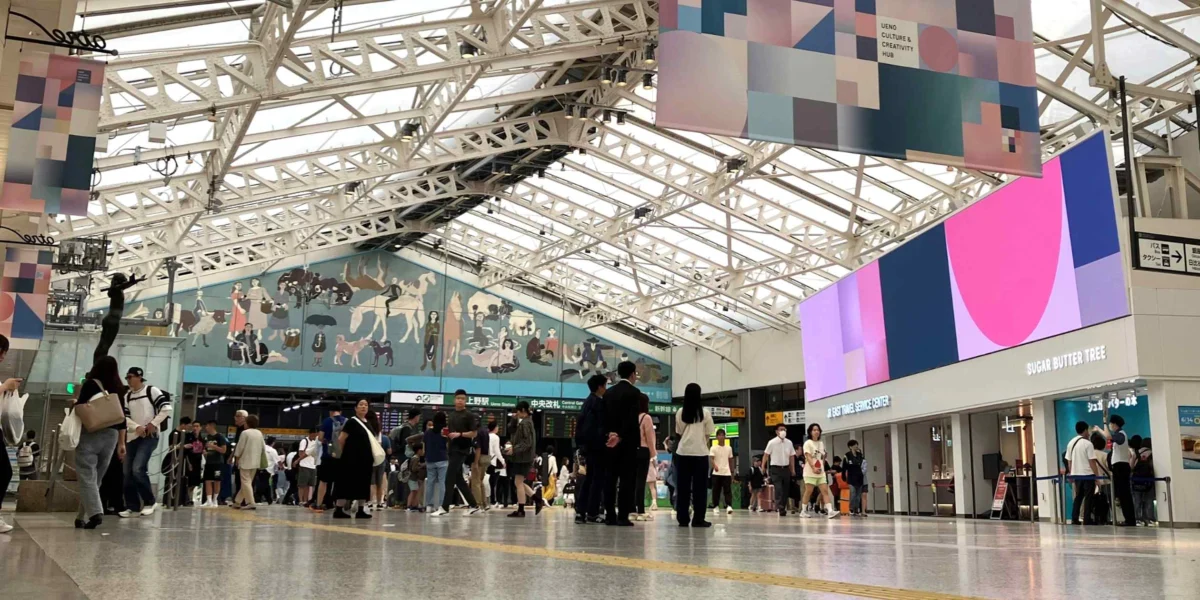
TOKYO — After a significant two-year overhaul, Ueno Station, a pivotal transportation hub in north-central Tokyo, has completed a comprehensive renovation project designed to elevate the traveler experience and seamlessly integrate the station with the surrounding cultural landscape. The extensive upgrades culminate in the introduction of a state-of-the-art, large-format LED display in the Grand Concourse, a dynamic information nexus offering real-time insights into nearby attractions, cultural events, and essential travel services. This initiative marks a strategic shift in station design, moving beyond mere transit functionality to foster a more engaging and informative environment for the millions of passengers who pass through its doors annually.

A Revitalized Gateway to Culture and Connectivity
The renovation, which commenced in late 2024, focused on modernizing Ueno Station’s infrastructure while simultaneously enhancing its aesthetic appeal and passenger amenities. The station, a critical interchange for numerous JR East lines, including the Yamanote Line, Keihin-Tohoku Line, Takasaki Line, Utsunomiya Line, and Joban Line, as well as the Tokyo Metro Ginza and Hibiya lines, serves as a vital artery for both local commuters and international tourists. Its strategic location adjacent to Ueno Park, a cultural epicenter boasting museums, a zoo, and numerous historical sites, has long positioned it as a gateway to the city’s rich heritage. The renovation project aimed to amplify this connection, making the station a more intuitive and welcoming prelude to the cultural riches that lie just beyond its exits.
The centerpiece of the revitalization is the colossal LED display, a technological marvel that dominates the Grand Concourse. Far more than a digital billboard, this sophisticated system is engineered to provide a curated stream of information tailored to the needs of arriving and departing passengers. It dynamically displays real-time updates on train schedules, platform changes, and potential disruptions, crucial for a station of Ueno’s magnitude. However, its most innovative function lies in its ability to showcase nearby points of interest. Leveraging sophisticated algorithms and real-time data feeds, the display highlights current exhibitions at the Tokyo National Museum, upcoming performances at the Tokyo Metropolitan Art Museum, events at Ueno Zoo, and even the seasonal beauty of Shinobazu Pond. This integration of local cultural information aims to encourage longer stays, spontaneous exploration, and a deeper appreciation for the Ueno area.

A Legacy of Art and Modernization
The Grand Concourse itself has been thoughtfully enhanced, with the preservation and prominent display of Genichiro Inokuma’s iconic mural, "Freedom," serving as a testament to the station’s artistic heritage. This vibrant artwork, which has graced the concourse for years, now serves as a backdrop to the modern digital information hub, creating a striking juxtaposition of classic artistry and cutting-edge technology. The mural’s inclusion in the renovation narrative underscores a commitment to respecting the station’s history while embracing future advancements.
The renovation project, managed by East Japan Railway Company (JR East), was a multi-phased undertaking. Initial stages involved structural upgrades and the modernization of ticketing and information facilities. Concurrently, efforts were made to improve passenger flow and accessibility, with the installation of new escalators and elevators to enhance mobility for all travelers. The integration of advanced climate control systems and improved lighting further contributes to a more comfortable and inviting atmosphere. The project’s timeline, spanning nearly two years from its commencement in August 2024 to its completion in August 2026, reflects the scale and complexity of modernizing a major urban transit facility.

Data-Driven Passenger Engagement
The strategic implementation of the LED display is underpinned by a data-driven approach to passenger engagement. JR East has indicated that the system is designed to adapt its content based on passenger volume, time of day, and even prevailing weather conditions, to offer the most relevant information. For instance, during periods of high tourist traffic, the display might prioritize information on popular museums and guided tours. On weekends, it could highlight family-friendly events at the zoo or park.
Supporting data from JR East suggests that Ueno Station handles an average of over 400,000 passengers daily. This significant footfall presents a unique opportunity for promoting local businesses and cultural institutions. The new digital display is expected to drive a measurable increase in visitor numbers to nearby attractions. Early projections, based on similar digital information initiatives in other major transit hubs globally, suggest a potential uplift of 5-10% in visitor engagement with advertised attractions. This could translate into substantial economic benefits for the Ueno district.

Official Statements and Future Outlook
While official statements from JR East executives have been limited, a spokesperson for the company emphasized the project’s core objective: "Our aim is to transform Ueno Station from a mere transit point into an integrated urban destination. By leveraging advanced digital technology and highlighting the incredible cultural assets of the Ueno area, we are creating a richer, more informative, and ultimately more enjoyable experience for every passenger."
The renovation also aligns with Tokyo’s broader vision of creating smart cities that prioritize sustainability and citizen well-being. The use of energy-efficient LED technology in the display and modernized infrastructure contributes to the station’s environmental footprint. Furthermore, by encouraging exploration of local attractions, the project supports the decentralization of tourism, potentially easing congestion in more heavily trafficked areas of the city and distributing economic benefits more widely.

Broader Implications for Urban Transit
The Ueno Station renovation serves as a compelling case study for the future of urban transit infrastructure. As cities worldwide grapple with increasing urbanization and evolving passenger expectations, the trend towards integrating transportation hubs with cultural, commercial, and informational services is likely to accelerate. The success of Ueno Station’s digital concourse could inspire similar projects in other major railway stations, both within Japan and internationally.
The implications extend beyond mere passenger convenience. By acting as a proactive information provider, the station can play a crucial role in shaping visitor itineraries, promoting cultural understanding, and fostering a deeper connection between residents and their city. The blend of historical art and contemporary technology at Ueno Station is not just a renovation; it is a vision for how public spaces can evolve to become more dynamic, informative, and enriching components of the urban fabric. The station, once primarily a point of departure and arrival, is now poised to become a destination in its own right, a vibrant hub where the journey of discovery begins.
