

Bad Homburg, Germany – The healthcare conglomerate Fresenius SE has announced a further reduction in its significant stake in its subsidiary, Fresenius Medical Care AG & Co. KGaA (FMC), a leading global provider of products and services for individuals with renal diseases. The company disclosed after market close on Thursday that it had divested approximately 7.8 million FMC shares, representing about 2.9% of FMC’s share capital. This transaction, valued at approximately €300 million, brings Fresenius’s ownership in FMC down from roughly 27.8% to around 25%.
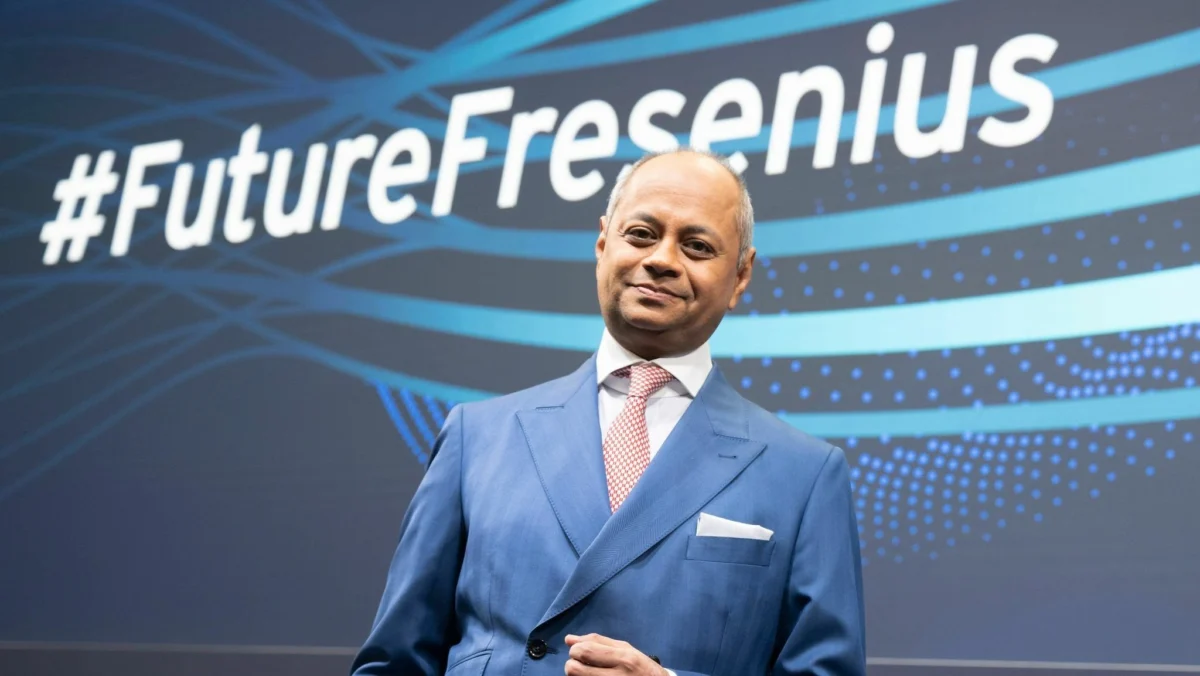
This latest divestment marks another step in Fresenius’s ongoing strategic realignment under the leadership of CEO Michael Sen, who has been instrumental in reshaping the company’s focus since his appointment four years ago. The move signals a continued emphasis on concentrating resources on Fresenius’s core operating subsidiaries, Kabi (infusion therapy, clinical nutrition, and medical devices) and Helios (hospital operations).
Background: A Long-Standing Relationship and Evolving Strategy
The relationship between Fresenius SE and Fresenius Medical Care has been a cornerstone of the German healthcare giant’s portfolio for decades. FMC, a publicly traded entity itself, has historically been a major growth engine for Fresenius SE, benefiting from the parent company’s financial strength and strategic guidance. However, as the global healthcare landscape evolves and the competitive pressures intensify, Fresenius SE has been undergoing a period of strategic re-evaluation.
The decision to reduce its stake in FMC is not an isolated event but rather a continuation of a deliberate strategy. In recent years, Fresenius SE has been progressively streamlining its holdings and sharpening its focus on areas where it believes it can achieve the most significant returns and strategic impact. This includes bolstering its Kabi and Helios segments, which are seen as key drivers of future growth.
Details of the Transaction and Financial Implications
The sale of 7.8 million FMC shares to institutional investors was executed on Thursday, with the financial terms disclosed post-market. The approximate value of the transaction at €300 million underscores the substantial, albeit diminishing, stake Fresenius SE held in its dialysis subsidiary.
Fresenius SE anticipates recognizing a book gain in the low to mid-double-digit million Euro range from this transaction. This gain is slated to be incorporated into Fresenius’s financial results for the third quarter of 2026. While the sale reduces Fresenius SE’s direct ownership, a lock-up period of up to 45 days has been imposed on the remaining shares, suggesting a measured approach to any further potential dispositions.
Official Rationale: Strategic Flexibility and Capital Allocation
Michael Sen, CEO of Fresenius SE, articulated the strategic rationale behind the divestment, emphasizing the need for greater financial flexibility. "With this step, we create additional leeway to invest capital specifically in our growth platforms," Sen stated. This suggests that the proceeds from the sale are earmarked for strategic investments within Fresenius SE’s core businesses, Kabi and Helios, as well as potentially for debt reduction.
The company’s stated intention to use the funds for both targeted investments and debt reduction highlights a dual approach to financial management. By deleveraging its balance sheet, Fresenius SE can enhance its financial stability and reduce interest expenses. Simultaneously, by channeling capital into its growth platforms, the company aims to secure future revenue streams and market share in its chosen strategic areas.
Market Reaction and Share Performance
The market reaction to the news was somewhat mixed, reflecting the complex interplay of strategic shifts and investor sentiment. Following the announcement on Thursday, Fresenius SE’s shares experienced a modest increase of approximately one percent in after-hours trading on the Tradegate platform.
Conversely, Fresenius Medical Care’s stock saw a slight decline of just over one percent. This dip can be attributed to several factors, including the dilution effect of the increased number of outstanding shares held by institutional investors, and perhaps a degree of investor uncertainty regarding the long-term implications of Fresenius SE’s reduced influence. However, it is important to note that FMC remains a significant and independent entity, and its operational performance will continue to be the primary driver of its stock valuation.
Broader Implications for Fresenius SE and FMC
The reduction in Fresenius SE’s stake in FMC signifies a notable shift in the corporate structure and strategic priorities of the Fresenius group. For Fresenius SE, this move allows for a more streamlined operational focus and a more agile capital allocation strategy. By reducing its exposure to FMC, Fresenius SE can concentrate its management attention and financial resources on Kabi and Helios, where it sees greater potential for organic growth and strategic expansion. This could involve acquisitions, research and development investments, or market penetration initiatives within these segments.
For Fresenius Medical Care, while no longer having the same level of direct ownership by its parent company, it continues to operate as a leading independent entity in the dialysis market. The company’s future success will depend on its ability to navigate the competitive landscape, innovate in its product and service offerings, and adapt to evolving healthcare policies and patient needs. The reduced ownership by Fresenius SE may also present opportunities for FMC to forge new strategic partnerships or pursue its own independent growth strategies.
Analysis of Fresenius SE’s Strategic Realignment
Michael Sen’s tenure as CEO has been characterized by a clear vision for transforming Fresenius SE into a more focused and agile healthcare company. The strategy of divesting non-core assets and strengthening operational subsidiaries is a common approach for large conglomerates seeking to unlock shareholder value and improve operational efficiency.
The decision to reduce the stake in FMC, while a significant move, is consistent with this broader strategy. Fresenius SE is effectively de-risking its portfolio by lessening its dependence on a single, albeit substantial, subsidiary. This allows for a more diversified growth strategy across its other business units.
The dialysis market, while essential, faces its own set of challenges, including reimbursement pressures, increasing competition, and the need for continuous innovation in treatment modalities. By stepping back from a majority ownership in FMC, Fresenius SE may be seeking to gain more strategic freedom to pursue opportunities in emerging areas of healthcare, such as digital health, personalized medicine, or biopharmaceuticals, which might be outside the traditional scope of FMC.
Looking Ahead: Future Outlook for Both Entities
The ongoing strategic adjustments by Fresenius SE are expected to continue shaping the group’s future trajectory. The company’s commitment to investing in its growth platforms suggests an ambitious outlook for Kabi and Helios. Investors will be closely watching the execution of these investment plans and the subsequent impact on revenue and profitability.
For Fresenius Medical Care, the path forward will involve continued operational excellence and strategic adaptation. The company’s established market position, extensive global network, and commitment to patient care remain strong foundations. However, it will need to demonstrate its ability to innovate and grow independently, potentially attracting new investors and strategic partners who align with its long-term vision.
The reduction in stake by Fresenius SE is a testament to the evolving dynamics of the global healthcare industry and the strategic imperatives faced by large, diversified corporations. It signifies a move towards greater focus, agility, and a more targeted allocation of capital, aiming to secure long-term growth and value creation for all stakeholders involved. The long-standing relationship between the two entities may evolve into a more partnership-based approach, with Fresenius SE retaining a significant, but not controlling, interest in FMC, while prioritizing its own distinct growth avenues.
