

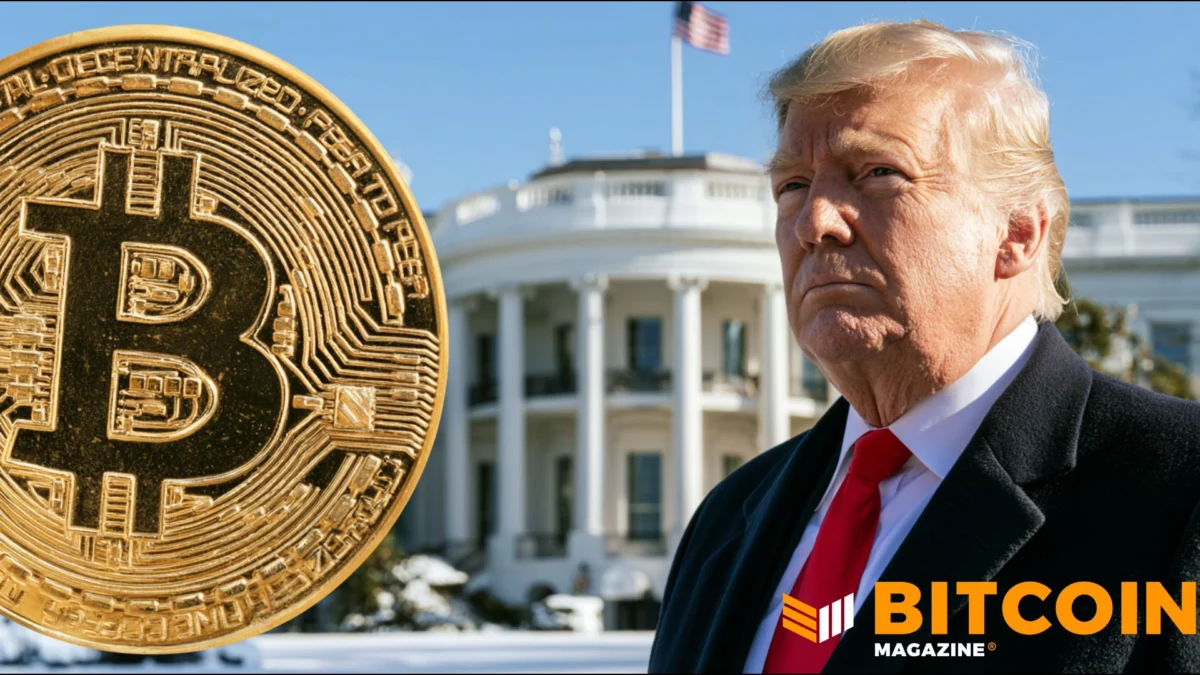
President Donald Trump is scheduled to host a significant gathering of executives from the cryptocurrency and digital asset sectors at the White House on Wednesday. This high-level meeting, initially reported by POLITICO last week, signals a concerted effort by the administration to engage directly with key players in the rapidly evolving blockchain and digital finance landscape. The agenda is reportedly focused on the complex and often contentious issue of regulation, a critical factor influencing the future growth and stability of the crypto industry.
The assembly is expected to draw prominent figures from major cryptocurrency exchanges and related technology firms. While specific names are not yet publicly confirmed, sources indicate that representatives from leading entities such as Coinbase, the parent company of Kraken (Payward), and Blockchain.com are among those invited. The inclusion of these industry heavyweights underscores the administration’s intent to solicit direct input from those at the forefront of digital asset innovation and adoption. The absence of confirmed prediction market executives, despite their inclusion in the initial reports, leaves a question mark regarding the full scope of discussion topics.
This White House summit occurs at a pivotal moment for cryptocurrency regulation in the United States. Despite the ongoing delays surrounding the long-anticipated crypto market structure bill, colloquially known as the Clarity Act, regulatory bodies are actively pursuing their own initiatives. Just one day prior to the scheduled White House meeting, the Securities and Exchange Commission (SEC) unveiled its proposed framework for crypto asset offerings. This move by the SEC demonstrates a proactive approach to addressing digital asset regulation, even as legislative efforts face procedural hurdles.
The Clarity Act, a bipartisan effort aimed at establishing a comprehensive regulatory framework for digital assets, had been a point of hope for pro-crypto lawmakers. Their initial expectation was for the bill to be passed before Congress’s departure for the August recess. However, the legislative timeline has shifted, with a vote now slated for September. This delay has amplified the significance of the administration’s direct engagement with industry leaders, suggesting an alternative avenue for policy development and stakeholder consultation.
Discussions surrounding a revised draft of the Clarity Act had been underway in July. This iteration of the bill, which had previously passed the House of Representatives, included provisions designed to address ethical concerns within the crypto space. Notably, it proposed a ban on government officials from promoting or financially benefiting from cryptocurrency ventures. Such measures reflect a growing awareness of the potential for conflicts of interest and the need for robust ethical guidelines in this nascent sector.
The administration’s engagement with the crypto industry has not been without its controversies. Some Democratic lawmakers have raised concerns regarding alleged conflicts of interest, pointing to reported financial gains by the Trump family from cryptocurrency ventures. President Trump and the White House have consistently denied any allegations of wrongdoing, asserting that their actions are in the best interest of fostering American innovation and economic growth.
It is pertinent to recall President Trump’s campaign promises, which included a vision of the United States becoming a global leader in cryptocurrency. He actively sought and received support from influential figures within the digital asset community during his campaign. Since taking office, the administration has overseen a period marked by several policy shifts perceived as favorable to the crypto sector. Notably, high-profile lawsuits against crypto companies have been curtailed, and the SEC has adopted a more measured approach to oversight, a departure from previous more stringent stances.
Furthermore, public financial disclosures have indicated that President Trump himself has reported significant income, exceeding $1.4 billion, derived from his family’s cryptocurrency ventures. This financial involvement adds another layer of complexity to the administration’s engagement with crypto regulation and policy.
Background and Context of the Meeting
The White House meeting with crypto executives is not an isolated event but rather a culmination of several converging factors. The rapid growth of the cryptocurrency market, its increasing integration into the global financial system, and the persistent calls for regulatory clarity have created an environment where direct dialogue between policymakers and industry leaders is becoming increasingly necessary.
The cryptocurrency market has experienced explosive growth over the past decade, evolving from a niche interest to a significant asset class. Bitcoin, the first and most well-known cryptocurrency, was launched in 2009, and since then, thousands of other digital assets have emerged. The market capitalization of the entire crypto market has fluctuated wildly, reaching trillions of dollars at its peak, underscoring its economic significance. This rapid expansion has outpaced the development of comprehensive regulatory frameworks, leading to a patchwork of rules and guidelines across different jurisdictions.
The United States, as a global economic powerhouse, plays a crucial role in shaping international regulatory approaches to digital assets. Policymakers have grappled with how to balance the potential benefits of blockchain technology and cryptocurrencies – such as increased financial inclusion, efficiency, and innovation – with the risks they pose, including market volatility, illicit activities, consumer protection concerns, and systemic financial stability.
Timeline of Regulatory Developments
The path to crypto regulation in the U.S. has been characterized by a series of legislative proposals, regulatory pronouncements, and evolving market dynamics.
- Early Years (2010s): Initial discussions focused on understanding the technology and its potential applications. Regulatory bodies like the SEC and the Commodity Futures Trading Commission (CFTC) began issuing guidance on how existing laws might apply to digital assets, often classifying them as securities or commodities.
- Increased Market Capitalization and Scrutiny (Late 2010s – Early 2020s): As the crypto market grew in size and influence, so did the calls for more specific and comprehensive regulation. Initial Coin Offerings (ICOs) became a popular fundraising method, leading to increased SEC enforcement actions against unregistered securities offerings.
- Legislative Efforts (2023-2024): Bipartisan efforts gained momentum to create a dedicated legislative framework. The House of Representatives passed the Lummis-Raines bill (later evolving into various iterations including aspects of the Clarity Act) aiming to define roles for different regulatory agencies and establish rules for digital asset markets.
- July 2024: Lawmakers began deliberating over a new draft of the crypto market structure bill, incorporating ethical considerations.
- August 2024: The SEC proposed its own framework for crypto asset offerings, signaling an independent regulatory push.
- September 2024 (Projected): A vote on the Clarity Act is anticipated following the congressional recess.
- Wednesday (This Week): The White House hosts a meeting with crypto industry leaders to discuss regulation.
This timeline highlights the dynamic and often reactive nature of regulatory development in the crypto space, with legislative and executive branches both seeking to establish control and provide clarity.
Supporting Data and Industry Trends
The significance of the White House meeting can be further understood by examining key data points and trends within the cryptocurrency industry:
- Market Size and Growth: The total market capitalization of cryptocurrencies has reached hundreds of billions of dollars, and at its peak, surpassed $3 trillion. While volatile, this indicates a substantial and growing economic footprint.
- Institutional Adoption: Major financial institutions, including investment banks and asset managers, have increasingly explored and invested in crypto-related products and services, such as Bitcoin ETFs. This institutional interest signals a growing acceptance of digital assets as a legitimate investment class.
- Technological Advancements: Beyond cryptocurrencies, the underlying blockchain technology is finding applications in various sectors, including supply chain management, decentralized finance (DeFi), and non-fungible tokens (NFTs). This broader technological impact necessitates a regulatory approach that considers more than just speculative trading.
- Global Regulatory Landscape: Other major economies are also actively developing their crypto regulations. The European Union’s Markets in Crypto-Assets (MiCA) regulation, for instance, provides a comprehensive framework for crypto-asset service providers. The U.S. approach, particularly with the pending Clarity Act and SEC proposals, will have significant implications for its global competitiveness in the digital asset space.
- Job Creation and Economic Impact: The crypto industry has contributed to job creation in areas such as software development, cybersecurity, and financial services. Understanding this economic impact is crucial for policymakers crafting regulations.
Official Responses and Reactions (Inferred)
While direct quotes from all parties involved are not available, the actions and statements of various stakeholders provide insight into their perspectives:
- White House/Administration: The decision to host this meeting suggests a desire for a more direct, hands-on approach to understanding and potentially shaping crypto policy. The administration’s previous pro-crypto actions and the President’s reported personal investments indicate a leaning towards fostering the industry, but with an acknowledgement of the need for regulatory guardrails.
- Crypto Industry Executives: Representatives from companies like Coinbase and Kraken are likely to advocate for regulations that provide legal certainty, foster innovation, and avoid stifling growth. They will likely emphasize the positive aspects of the technology and the industry’s commitment to compliance and consumer protection. Their presence signifies a willingness to engage with policymakers and contribute to the regulatory dialogue.
- Pro-Crypto Lawmakers: Those who have championed the Clarity Act will likely view this White House meeting as a positive development, potentially accelerating the legislative process or at least ensuring that the administration is fully briefed on industry concerns. They may also use the meeting to reiterate their support for a balanced regulatory approach.
- SEC: The SEC’s recent proposal for crypto asset offerings indicates that the agency is prepared to act within its existing authority to regulate the space, even as legislative efforts continue. Their approach has historically been more enforcement-oriented, and their current proposals suggest an attempt to provide clearer guidance.
- Skeptical Lawmakers: Those who have voiced concerns about conflicts of interest and potential risks associated with cryptocurrencies may view the meeting with a degree of caution. They will likely continue to scrutinize the administration’s actions and advocate for robust investor protections and measures to prevent illicit activities.
Broader Impact and Implications
The White House meeting carries significant implications for the future of cryptocurrency and digital assets in the United States and globally.
- Regulatory Certainty: A key outcome of such discussions could be a clearer understanding of the administration’s regulatory priorities. This clarity is crucial for businesses operating in the crypto space, enabling them to make informed investment and operational decisions. Ambiguity in regulation can lead to hesitancy, reduced investment, and a potential exodus of talent and capital to more favorable jurisdictions.
- Policy Direction: The input gathered from industry leaders can directly influence the development of future legislation and executive actions. This could lead to a regulatory framework that is more aligned with the practical realities of the crypto market, potentially fostering innovation while mitigating risks.
- Economic Competitiveness: The U.S. aims to remain at the forefront of technological innovation. A well-defined and supportive regulatory environment for digital assets can attract businesses, talent, and investment, thereby enhancing the nation’s economic competitiveness in this rapidly growing sector. Conversely, overly restrictive or unclear regulations could lead to the U.S. falling behind other countries that have established clearer frameworks.
- Investor Protection and Market Integrity: The meeting provides an opportunity to discuss mechanisms for enhancing investor protection and ensuring the integrity of digital asset markets. This includes addressing issues such as fraud, market manipulation, and consumer safety. A balanced approach is essential to building trust and encouraging broader participation in the digital asset economy.
- Technological Advancement: By engaging with the innovators and developers in the crypto space, the administration can gain a deeper appreciation for the transformative potential of blockchain technology. This understanding can inform policies that encourage responsible innovation and the development of new applications that benefit society.
In conclusion, President Trump’s decision to convene a meeting with cryptocurrency leaders at the White House underscores the growing importance of digital assets in the national and global economy. As the U.S. navigates the complex landscape of crypto regulation, such direct engagement with industry stakeholders is a critical step towards developing a framework that balances innovation, investor protection, and financial stability. The outcomes of this meeting, alongside ongoing legislative efforts and regulatory actions, will shape the future trajectory of the cryptocurrency industry in the United States for years to come.
