

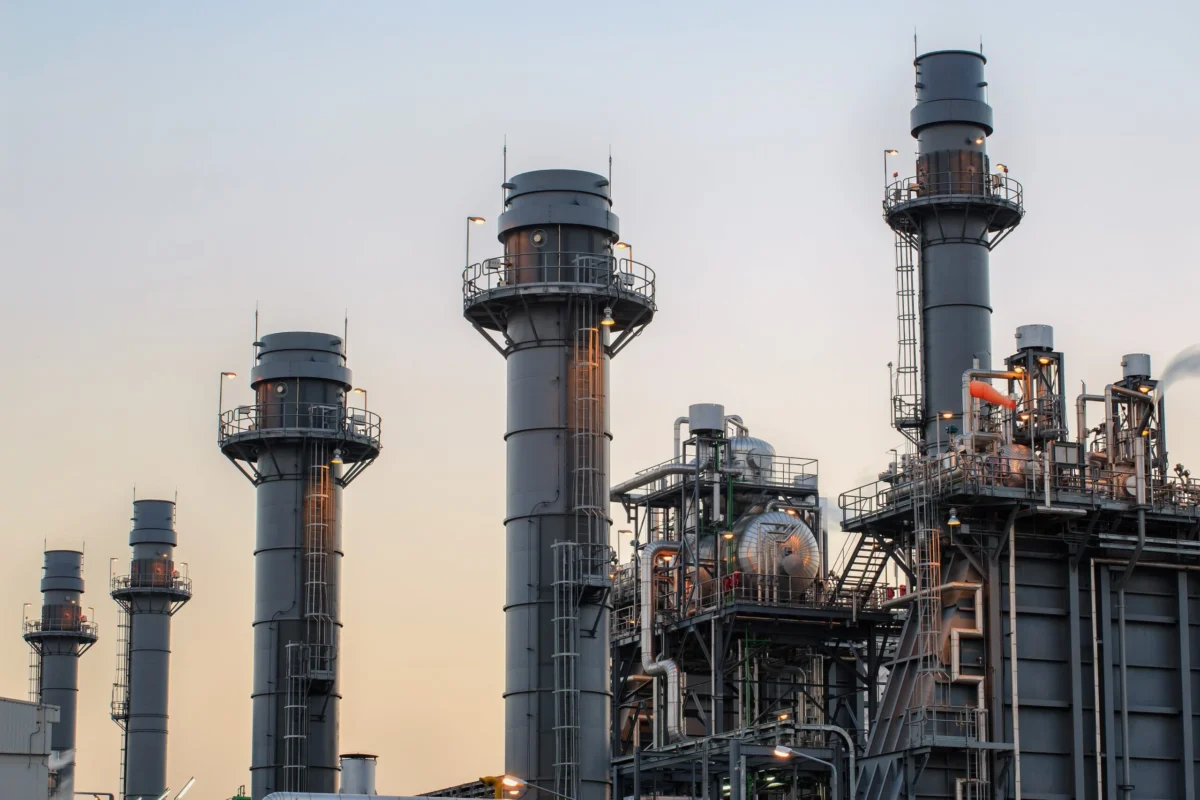
Pecos County, Texas, is poised to become the site of what could be the United States’ single largest source of climate pollution, as Amazon proceeds with plans to construct an on-site natural gas power plant to fuel a new data center. According to a report by The New York Times on August 8, 2026, the proposed facility is permitted to release an staggering 33 million tons of carbon dioxide annually, a figure that surpasses the emissions of any other power plant currently operating in the U.S. This significant investment by Amazon, a company that co-founded "The Climate Pledge" with a commitment to achieve net-zero carbon emissions by 2040, raises critical questions about the actual trajectory of corporate sustainability efforts in the face of accelerating technological demands, particularly those driven by artificial intelligence.
The Scale of Emissions and the Texas Energy Landscape
The 33 million tons of carbon dioxide projected to be emitted annually by Amazon’s Pecos County plant is a monumental figure, equivalent to the annual emissions of approximately 7.2 million passenger vehicles or roughly 8 coal-fired power plants. To put it in further perspective, this single facility’s emissions could account for a substantial percentage of several smaller states’ total annual carbon footprints, making it a critical point of concern for environmental advocates and climate scientists alike. The choice of Pecos County, located in West Texas, is strategic, leveraging the region’s abundant natural gas reserves and a regulatory environment often perceived as favorable to energy development. Texas, with its independent energy grid operated by ERCOT (Electric Reliability Council of Texas), relies heavily on natural gas, which fuels over 40% of its electricity generation. The state has also seen significant growth in renewable energy, particularly wind and solar, but the continuous, high-load demands of data centers often push developers toward dispatchable, always-on power sources like natural gas.
Amazon’s spokesperson confirmed the data center "will be powered by new on-site generation that won’t raise electricity costs for Texas families," framing the investment as a measure to stabilize energy supply and costs. This statement arrives at a time when data centers across the nation face growing political opposition, partly due to their substantial electricity consumption, which can indeed impact grid stability and drive up utility rates for residential and commercial users. For instance, in July 2026, New York State reportedly halted the construction of all new data centers, citing concerns over energy demand and environmental impact. The promise of not raising electricity costs for Texans likely aims to preempt similar local opposition, positioning the on-site plant as a self-sufficient energy solution rather than an additional burden on the existing grid.
The Climate Pledge and a Shifting Global Context
Amazon’s climate strategy has been largely defined by its co-founding of The Climate Pledge in 2019, an initiative committing signatories to reach net-zero carbon emissions by 2040, a decade ahead of the Paris Agreement’s goal. The pledge boasts over 400 signatories today, representing a significant portion of global economic activity. However, the company’s recent emissions data paints a challenging picture. In July 2026, Amazon reported a 16% increase in its carbon emissions last year, a stark reversal from the progress needed to meet its 2040 target. This uptick was largely attributed to the burgeoning demands of artificial intelligence infrastructure, alongside continued expansion of its logistics and cloud computing operations.
The spokesperson’s explanation for this apparent contradiction, "The world looks different now than when we co-founded the climate pledge," while simultaneously asserting, "Our commitment hasn’t changed," highlights a growing tension within the tech industry. It suggests an acknowledgment that the pace and scale of technological advancement, particularly in AI, were perhaps underestimated when initial climate targets were set. The unprecedented computational requirements of training and running large AI models, from sophisticated language processors to advanced image recognition systems, demand immense power, pushing companies like Amazon and Google to explore massive energy infrastructure projects, including new natural gas plants, as reported in April 2026. This underscores a significant challenge: how to reconcile rapid technological growth with urgent climate imperatives.
The Insatiable Appetite of Artificial Intelligence
The rise of artificial intelligence is undeniably one of the most transformative technological trends of the decade, yet its environmental footprint is rapidly becoming a major point of concern. AI models, especially large language models (LLMs) and deep learning systems, require staggering amounts of computational power for both training and inference (the application of trained models). Training a single complex AI model can consume as much electricity as hundreds of homes over several months. This energy demand translates directly into a need for vast data center infrastructure, which in turn requires reliable and often carbon-intensive power sources.
Data centers, the physical backbone of the digital economy and AI, are already significant energy consumers. Globally, they account for an estimated 1-1.5% of total electricity consumption, a figure projected to grow substantially. The energy required not only powers the servers and networking equipment but also the extensive cooling systems necessary to prevent overheating, which can account for up to 40% of a data center’s total energy use. As AI capabilities expand, so too does the size and complexity of the models, leading to a exponential increase in their energy footprint. This creates a difficult dilemma for tech giants committed to sustainability: how to fuel this explosive growth without backtracking on climate promises.
Chronology of Concerns and Corporate Responses
The narrative surrounding Amazon’s climate impact and data center expansion has unfolded with increasing urgency over the past year:
- April 3, 2026: Reports surface detailing how AI companies, including major tech players, are backing the development of huge natural gas plants specifically to power their rapidly expanding, energy-hungry data centers. This marks an early indication of the industry’s strategic shift towards fossil fuels for foundational AI infrastructure.
- July 2, 2026: Amazon publicly releases its carbon emissions data, revealing a 16% increase in the preceding year. The company explicitly links this rise to the demands of its AI operations, serving as a "warning sign about AI’s real cost" to the environment, as noted by TechCrunch. This disclosure puts Amazon’s climate pledge under renewed scrutiny.
- July 14, 2026: New York State announces a halt to the construction of all new data centers, citing concerns over their impact on electricity costs and grid strain. This move highlights a growing political and regulatory pushback against unbridled data center expansion without adequate consideration for energy and environmental consequences.
- August 8, 2026: The New York Times breaks the story about Amazon’s planned Pecos County natural gas plant, detailing its potential to become the largest single source of carbon emissions in the U.S., directly fueling the company’s data center expansion. This report crystallizes the broader trend into a specific, high-stakes project.
In response to the growing criticism, Amazon has maintained that its commitment to The Climate Pledge remains steadfast. However, the company’s spokesperson elaborated on the practicalities, stating, "The world looks different now than when we co-founded the climate pledge." This suggests a recognition of unforeseen challenges, particularly the unprecedented energy demands of generative AI, which were not as prominent when the pledge was initially conceived. The challenge for Amazon and other tech companies now lies in demonstrating how they intend to reconcile these immediate energy needs with their long-term sustainability targets, especially as the Pecos County project comes online.
Broader Implications and Stakeholder Reactions
The development in Pecos County carries significant implications across several domains:
- Environmental Impact: The sheer volume of projected emissions poses a substantial threat to regional and national climate targets. It could undermine efforts to reduce greenhouse gas emissions and exacerbate air quality issues in the vicinity of the plant. Environmental advocacy groups, such as the Sierra Club or Greenpeace, are likely to voice strong opposition, calling for greater corporate accountability and a shift towards genuinely renewable energy sources for data centers. They would argue that while on-site generation might prevent immediate grid strain, it does so at an unacceptable cost to the atmosphere.
- Corporate Credibility and Greenwashing Concerns: For Amazon, the project risks severely damaging its reputation as a leader in corporate sustainability. Critics may accuse the company of "greenwashing" – presenting a public image of environmental responsibility while engaging in practices that contradict those claims. This could lead to increased scrutiny from investors, consumers, and regulatory bodies regarding the authenticity of its ESG (Environmental, Social, and Governance) commitments.
- Tech Industry Precedent: Amazon’s move could set a concerning precedent for the broader tech industry. If one of the world’s largest companies opts for a massive natural gas plant to power its AI infrastructure, it could legitimize similar choices by other tech giants, potentially accelerating the reliance on fossil fuels across the sector at a critical juncture for climate action. This could trigger a wider debate on the sustainability model of the digital economy.
- Energy Policy and Infrastructure: The Pecos County project highlights the ongoing tension between rapidly expanding industrial energy demand and the transition to a low-carbon energy grid. It underscores the need for robust, scalable renewable energy infrastructure that can meet the continuous, high-load requirements of data centers. Policymakers and grid operators will face increasing pressure to incentivize and accelerate the deployment of renewables, energy storage, and smart grid technologies to avoid reliance on fossil fuels for new energy-intensive industries.
- Local Community Impact: While Pecos County may see economic benefits from job creation and local tax revenue associated with the data center and power plant, residents could also face environmental consequences, including potential impacts on air quality and local ecosystems. The long-term health and environmental costs would need careful consideration against the short-term economic gains.
This development underscores a pivotal moment where the ambition of technological advancement, particularly in AI, is colliding directly with the urgent demands of climate action. Amazon, and by extension the entire tech industry, faces the complex challenge of innovating at an unprecedented pace while simultaneously upholding and accelerating commitments to environmental stewardship. The Pecos County project will serve as a significant case study in how these competing priorities are navigated in the coming years.
