

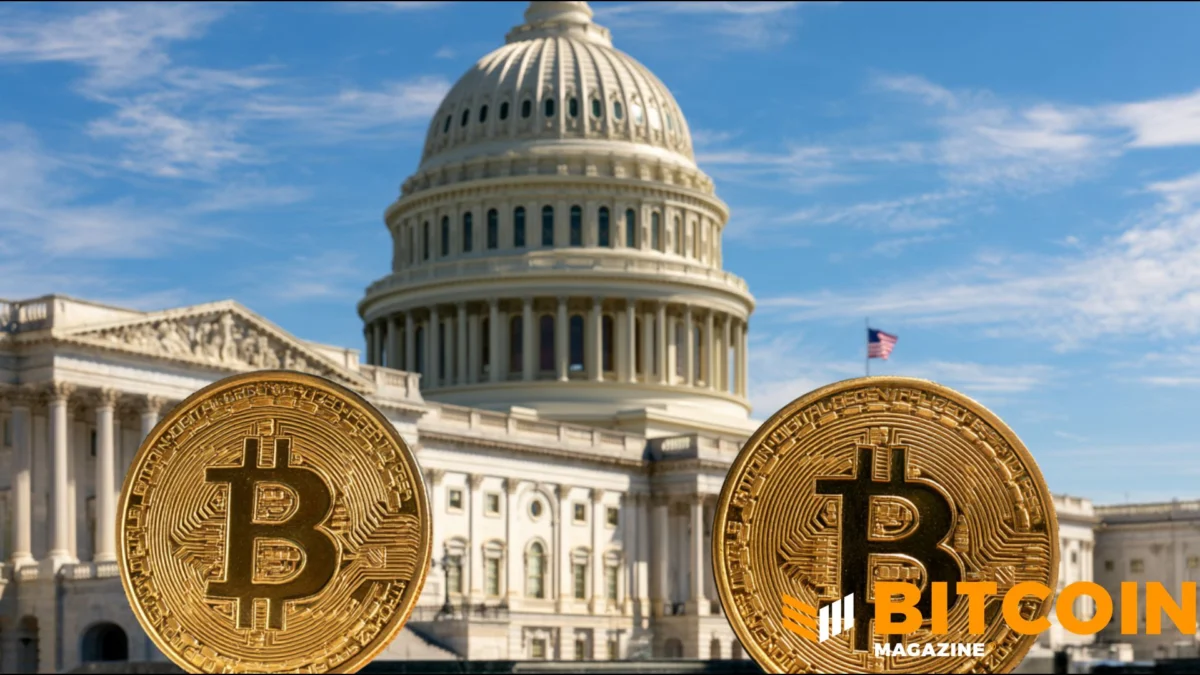
The path to enacting comprehensive digital asset regulation in the United States, embodied by the Clarity Act, appears increasingly promising, despite lingering reservations from some veteran Democrats. Faryar Shirzad, Chief Policy Officer at Coinbase, expressed a confident outlook, characterizing the cryptocurrency landscape as perhaps the most bipartisan issue currently debated in Washington D.C. His remarks, delivered on The Hill’s “Rising” program, suggest a growing consensus, driven by a generational shift in understanding and acceptance of digital finance.
Shirzad articulated that while a segment of older Democrats might be hesitant, younger members of the party are demonstrating a keen awareness of the transformative potential of cryptocurrencies and the evolving financial ecosystem. This generational divide, he posited, is central to the legislative momentum. “A lot of the opposition is generational – so it is Democrats who oppose it – but I think younger members who understand the technology, understand that money is transforming how we should engage financially, how we need to adapt, and so it’s really a generational shift,” Shirzad stated. This perspective suggests that as more individuals, particularly younger generations, engage with and understand digital assets, the political will to regulate them constructively will grow.
The implications of such a legislative shift are substantial. With an estimated 67 million Americans now owning cryptocurrency, the economic and social relevance of this sector is undeniable. Shirzad’s assertion that "We’ve got ethics nailed down, we’ve got nominations nailed down, we’ve got a bipartisan bill on the substance, we should be good to go" indicates a belief that the core tenets of the Clarity Act have achieved a broad base of support, overcoming previous hurdles related to ethical considerations and governmental appointments.
Genesis of the Clarity Act and Evolving Regulatory Landscape
The Clarity Act represents a significant effort to establish a clear and predictable regulatory framework for digital assets in the United States. The bill has been under consideration for an extended period, with various drafts circulating and undergoing scrutiny from lawmakers, industry participants, and regulators. Its primary objective is to provide legal certainty for businesses and consumers operating within the digital asset space, fostering innovation while mitigating potential risks.
The legislative journey has been marked by complex negotiations and competing interests. Early drafts of the bill likely focused on fundamental definitions of digital assets, consumer protection measures, and the roles of different regulatory bodies. However, as the cryptocurrency market matured and its integration with traditional finance deepened, new concerns emerged, necessitating revisions.
One of the key challenges has been balancing the desire for innovation with the need for robust oversight. Policymakers have grappled with questions surrounding stablecoin stability, anti-money laundering (AML) and know-your-customer (KYC) requirements for crypto platforms, and the potential for illicit activities. Furthermore, the burgeoning yield-generating products offered by crypto exchanges have drawn the attention of banking regulators, who fear a destabilization of traditional deposit markets.
Addressing Ethical Concerns and Generational Divides
A pivotal element in the recent progress of the Clarity Act, according to Shirzad, has been the successful navigation of ethical concerns. The latest draft reportedly includes provisions that prohibit government officials and their immediate family members from issuing or promoting cryptocurrencies. This measure directly addresses a significant point of contention that had previously stalled legislative progress. Opposition lawmakers had raised valid concerns about potential conflicts of interest and insider advantages if individuals in positions of power could benefit from their regulatory influence.
By incorporating these ethical safeguards, the bill aims to ensure a level playing field and build public trust. This specific amendment demonstrates a willingness by proponents of the bill to engage with and address the valid critiques raised by a segment of the Democratic caucus. The inclusion of these provisions is likely a strategic move to broaden support and overcome the objections that have contributed to the bill’s deadlock.
The generational divide highlighted by Shirzad is a recurring theme in discussions about technological adoption and policy. Younger generations, having grown up with the internet and increasingly digital forms of communication and commerce, often exhibit a greater innate understanding and acceptance of emerging technologies like blockchain and cryptocurrencies. Conversely, older lawmakers may be more entrenched in traditional financial paradigms and less familiar with the intricacies of digital assets. This gap in understanding can lead to apprehension and resistance to new regulatory frameworks.
Shirzad’s observation that "younger members who understand the technology… understand that money is transforming how we should engage financially" suggests that educational efforts and direct engagement with the crypto community are proving effective. As more young professionals enter public service, their fluency in digital technologies is likely to influence policy debates, fostering a more progressive approach to digital asset regulation.
Supporting Data and Market Context
The scale of cryptocurrency adoption in the United States provides a compelling backdrop for the legislative push. The figure of 67 million American crypto owners, cited by Shirzad, underscores the significant portion of the population that has a vested interest in the clarity and stability of the regulatory environment. This demographic represents a substantial voting bloc, making it politically advantageous for lawmakers to address their concerns and support industry growth.
The market capitalization of cryptocurrencies globally has fluctuated but remains in the trillions of dollars, indicating a significant asset class. Bitcoin, the largest cryptocurrency by market capitalization, has seen its price and adoption grow exponentially since its inception. Ethereum, with its smart contract capabilities, has become the backbone for a vast array of decentralized applications (dApps), including those in decentralized finance (DeFi) and non-fungible tokens (NFTs).
Timeline of Key Developments (Illustrative, based on typical legislative processes):
- Early 2020s: Initial proposals and discussions surrounding digital asset regulation gain traction in Congress. Concerns about consumer protection and financial stability emerge.
- Mid-2020s: The Clarity Act, or similar comprehensive legislation, is introduced, reflecting a growing recognition of the need for a dedicated framework. Debates intensify around specific provisions, including stablecoin regulation and ethical conduct for officials.
- Late 2020s (Current Period): A revised draft of the Clarity Act circulates, incorporating amendments to address previous objections, particularly concerning ethics. Coinbase and other industry stakeholders express optimism about its passage.
The banking industry’s concerns, as mentioned, revolve around the competitive threat posed by crypto exchanges offering attractive yields on customer deposits. This has been a significant point of discussion, as it pits the traditional banking sector against the burgeoning digital asset industry. If crypto platforms can offer significantly higher returns, it could lead to a substantial outflow of deposits from traditional banks, potentially impacting their lending capacity and overall financial stability. The Clarity Act, by providing a regulatory framework, could also indirectly influence how these yield products are structured and offered, potentially leveling the playing field or creating new rules of engagement.
Industry Reactions and Broader Implications
The cryptocurrency industry, represented by entities like Coinbase, has been actively lobbying for regulatory clarity. For years, the lack of a definitive legal framework has created uncertainty, hindering investment and innovation. Businesses have operated in a gray area, facing the risk of future enforcement actions or shifting regulatory landscapes.
The passage of the Clarity Act would mark a watershed moment for the U.S. digital asset market. It would provide businesses with the certainty needed to make long-term investments, expand their operations, and develop new products and services. This, in turn, could foster job creation and economic growth within the sector.
For consumers, a clear regulatory framework would offer enhanced protection against fraud and scams. It would also clarify their rights and responsibilities when engaging with digital assets, fostering greater confidence and participation in the market.
Potential Implications of the Clarity Act:
- Increased Institutional Investment: Regulatory clarity is a prerequisite for many large financial institutions to allocate significant capital to digital assets. The Clarity Act could unlock substantial institutional investment, further legitimizing the market.
- Innovation Hub: A well-defined regulatory environment can position the U.S. as a leader in digital asset innovation, attracting talent and businesses from around the world.
- Consumer Protection Enhancement: Clear rules for exchanges and service providers would offer consumers greater recourse and protection against malfeasance.
- Taxation Clarity: The bill could also bring greater clarity to the taxation of digital assets, a complex area that has often been a source of confusion for individuals and businesses.
- Global Regulatory Alignment: As the world’s largest economy, U.S. regulatory decisions often influence global trends. The Clarity Act could serve as a blueprint for other nations seeking to regulate digital assets.
While Shirzad’s optimism is palpable, the legislative process is inherently complex and subject to unforeseen developments. The remaining opposition, even if generational, represents genuine concerns that will need to be fully addressed to ensure broad and sustainable support. The ongoing discussions highlight the dynamic nature of financial regulation in the face of technological disruption. The Clarity Act, if enacted as anticipated, will undoubtedly shape the future of finance in the United States and potentially set a precedent for the global digital asset landscape. The inclusion of ethical considerations, the acknowledgment of generational shifts in understanding, and the sheer number of Americans invested in crypto all point towards a legislative outcome that is not only probable but also increasingly necessary.
