

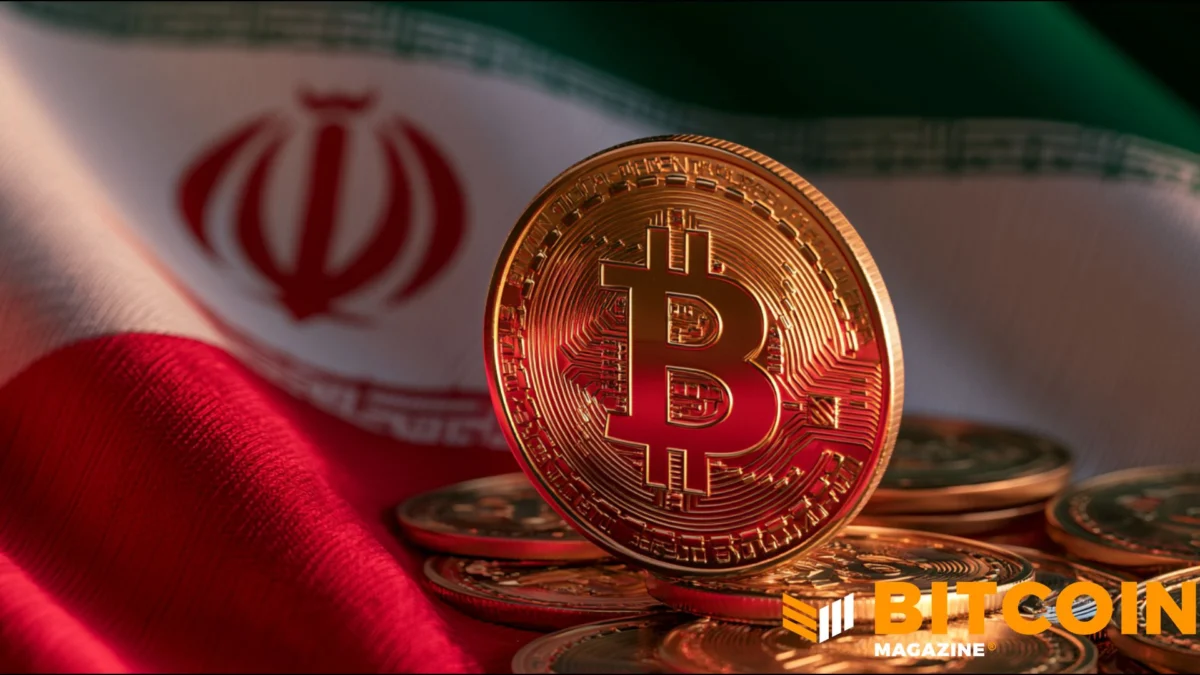
Iran has been actively circumventing international sanctions by accepting payments in Bitcoin and other digital assets for maritime services, particularly for vessels transiting the strategically vital Strait of Hormuz. This revelation, disclosed by the U.S. Treasury Department’s Office of Foreign Assets Control (OFAC) on Friday, has led to the sanctioning of several entities allegedly complicit in this scheme. The move highlights the growing use of cryptocurrencies by sanctioned nations to facilitate financial transactions and maintain economic activity.
The Strait of Hormuz, a narrow waterway through which approximately one-fifth of the world’s oil passes, has seen a significant reduction in vessel traffic following a series of escalating tensions and reported attacks involving the U.S. and Iran in February. This disruption to global oil supply routes underscores the critical importance of the strait and the potential economic ramifications of its continued instability.
OFAC Unveils Sanctioned Network Facilitating Bitcoin Payments
According to the OFAC statement, a key entity involved in this operation is "Hormuz Safe," a system reportedly developed by Iran’s Ministry of Economy. OFAC explicitly stated that Hormuz Safe "accepts payment in Bitcoin and other digital assets" as a direct mechanism to bypass existing economic sanctions. This assertion directly links the cryptocurrency transactions to Iran’s efforts to mitigate the impact of international financial restrictions.
Secretary of the Treasury Scott Bessent articulated the U.S. government’s stance, emphasizing the dire economic situation within Iran. "With its economy in freefall and inflation in the triple digits, the regime is desperate for cash," Bessent stated. He further asserted, "The United States will not allow Iran to hold global commerce hostage or use international shipping to finance the IRGC’s terrorism, aggression, and repression." The reference to the Islamic Revolutionary Guard Corps (IRGC) suggests a perceived link between the cryptocurrency scheme and Iran’s broader geopolitical activities.
The OFAC announcement specifically targeted two companies: the Persian Gulf Marine Insurance Company (PGMIC) and Hormuz Safe Marine Services Authority (Hormuz Safe). These entities are accused of operating an IRGC-backed initiative that allegedly compels commercial vessels to purchase mandatory "insurance" to transit the Strait of Hormuz. The implication is that these "insurance" payments are being channeled through the Bitcoin-based system, thereby providing revenue to the sanctioned Iranian regime.
Background: A Chronicle of Escalating Tensions and Evolving Sanctions Evasion
The recent revelations by OFAC are situated within a broader context of ongoing geopolitical tensions between Iran, the United States, and its allies, as well as the evolving landscape of international sanctions. For years, Iran has faced a complex web of sanctions aimed at curtailing its nuclear program, ballistic missile development, and alleged support for regional militant groups. These sanctions have significantly impacted Iran’s economy, leading to currency devaluation and high inflation.
The use of cryptocurrencies as a tool for sanctions evasion is not entirely new, but this instance marks a significant public acknowledgement by a major global power of such a scheme involving a crucial global trade chokepoint. Reports suggesting Iran’s exploration of Bitcoin-backed insurance services for its shipping companies first emerged in May, according to a Bloomberg report. This indicates that the strategy may have been in development or testing phases prior to the formal OFAC announcement.
The U.S. Treasury Department has previously taken action against crypto assets linked to the Iranian regime. Earlier this month, the U.S. announced the freezing of cryptocurrencies, predominantly in the form of the Tether stablecoin, that were allegedly connected to Iran. This previous action underscores the U.S. government’s growing focus on monitoring and disrupting illicit financial flows involving digital assets.
The Technical Nuances: Bitcoin vs. Stablecoins in Sanctions Evasion
The distinction between Bitcoin and stablecoins like Tether is critical in understanding the implications of these sanctions evasion tactics. Stablecoins, such as Tether’s USDT, are pegged to a stable asset, often the U.S. dollar, and are typically issued by a centralized entity. This centralization allows for a degree of control, meaning that the issuing company can, in principle, freeze or block transactions associated with specific wallets or accounts if directed by authorities. This was reportedly the mechanism employed in the recent U.S. action against Iran’s crypto holdings.
Bitcoin, however, operates on a decentralized blockchain network with no single issuer or central authority. While transactions on the Bitcoin network can be traced, the underlying decentralized nature makes it significantly more challenging to freeze or seize Bitcoin once it has been transferred. This inherent characteristic of Bitcoin makes it an attractive option for entities seeking to conduct transactions outside the purview of traditional financial systems and regulatory oversight. The OFAC’s focus on Iran’s use of Bitcoin suggests a recognition of this inherent difficulty in controlling decentralized cryptocurrencies.
Economic Ramifications: A Threat to Global Commerce and Energy Markets
The implications of Iran’s alleged use of Bitcoin to circumvent sanctions and the potential disruption of the Strait of Hormuz are far-reaching. The strait’s pivotal role in global energy markets means that any sustained closure or significant reduction in traffic could lead to a sharp increase in oil prices. This, in turn, could trigger broader economic instability, potentially leading to a global recession.
Experts have voiced concerns about such a scenario. The possibility of a recession being exacerbated by the conflict between the U.S. and Iran, coupled with elevated oil prices resulting from a blocked Strait of Hormuz, represents a significant risk to the global economy. The interconnectedness of global markets means that disruptions in one critical region can have ripple effects across various sectors.
Official Statements and International Reactions
The U.S. Treasury Department’s public announcement and subsequent sanctions are a clear signal of its intent to aggressively counter Iran’s efforts to undermine international economic restrictions. Secretary Bessent’s strong statement indicates a commitment to preventing Iran from leveraging its strategic location and the global shipping infrastructure for illicit financial gains.
While specific reactions from other nations or international bodies are not detailed in the initial report, such actions often prompt diplomatic engagement and calls for cooperation in enforcing sanctions. The use of cryptocurrencies in sanctions evasion is a growing concern for governments worldwide, and this incident is likely to fuel further discussions and potential policy responses aimed at addressing this evolving challenge.
The Iranian government has not yet issued a formal public statement directly addressing these specific allegations from OFAC. However, historically, Iran has often denied accusations of illicit activities and has criticized what it perceives as unfair and politically motivated sanctions. Any response from Tehran would likely be closely scrutinized by the international community.
The Broader Implications: The Future of Sanctions and Cryptocurrency
This development raises critical questions about the effectiveness of traditional sanctions in the digital age and the evolving role of cryptocurrencies in international finance. As nations like Iran explore innovative methods to circumvent restrictions, governments and regulatory bodies face the challenge of adapting their strategies to monitor and regulate the increasingly complex digital asset landscape.
The incident underscores the dual nature of cryptocurrencies: their potential to foster financial innovation and inclusion, and their susceptibility to misuse by illicit actors. The ongoing efforts by the U.S. Treasury and other agencies to track and disrupt crypto-based sanctions evasion highlight a burgeoning area of financial warfare and regulatory oversight.
The reliance on Bitcoin, a decentralized and largely pseudonymous cryptocurrency, by a state actor seeking to evade comprehensive international sanctions presents a significant challenge. It necessitates a deeper understanding of blockchain technology, cryptocurrency tracing capabilities, and international cooperation to effectively counter such tactics.
As the situation unfolds, the global financial community will be closely watching the impact on oil markets, the effectiveness of the U.S. sanctions, and Iran’s response. This incident serves as a potent reminder of the dynamic interplay between geopolitics, economics, and emerging financial technologies. The long-term consequences for both sanctions regimes and the cryptocurrency industry remain to be seen, but it is clear that the landscape of international finance and its regulation is undergoing a profound transformation. The strategic importance of the Strait of Hormuz, combined with the decentralized nature of Bitcoin, creates a complex challenge that will likely shape future policy and enforcement strategies.
