

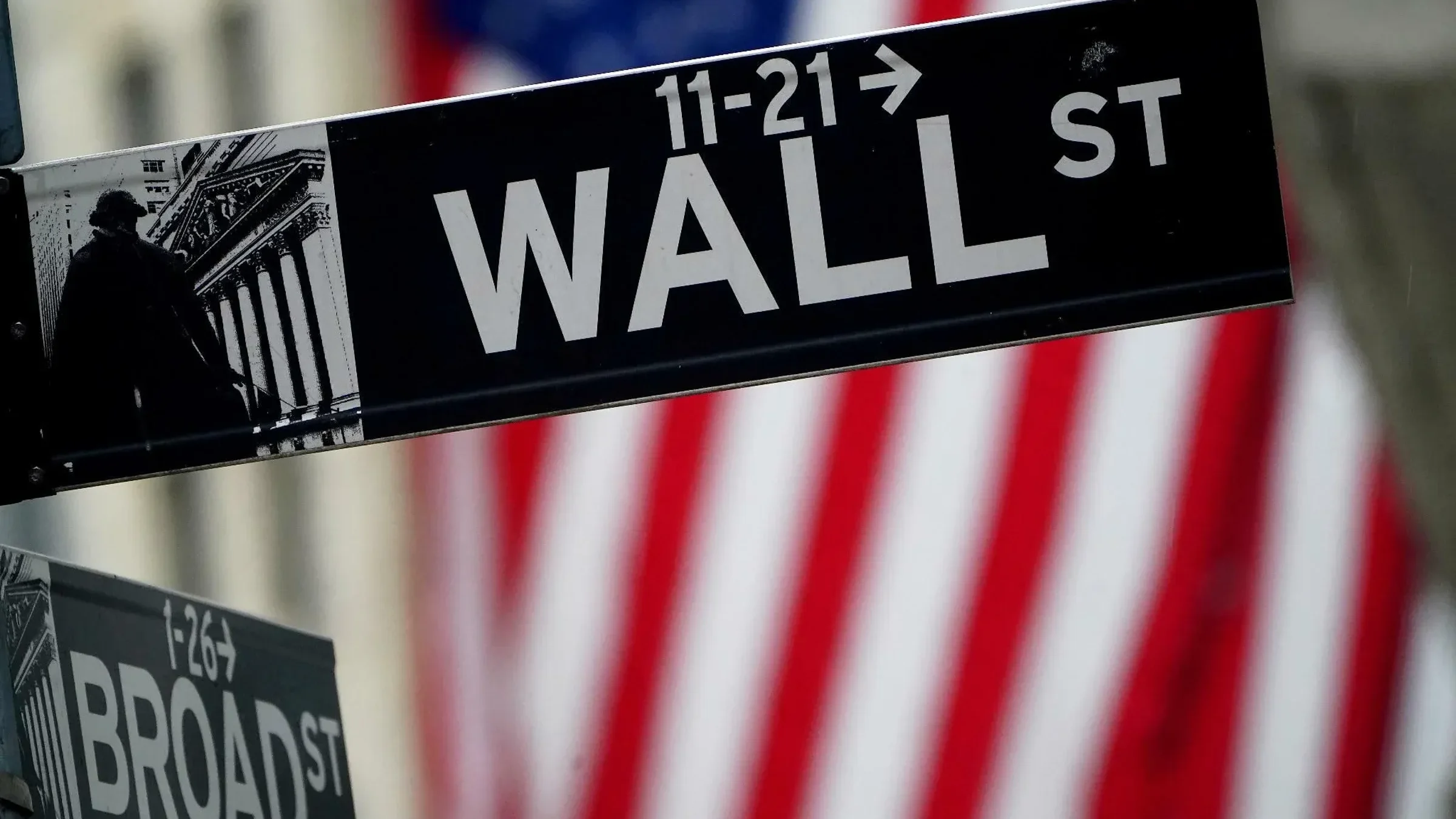
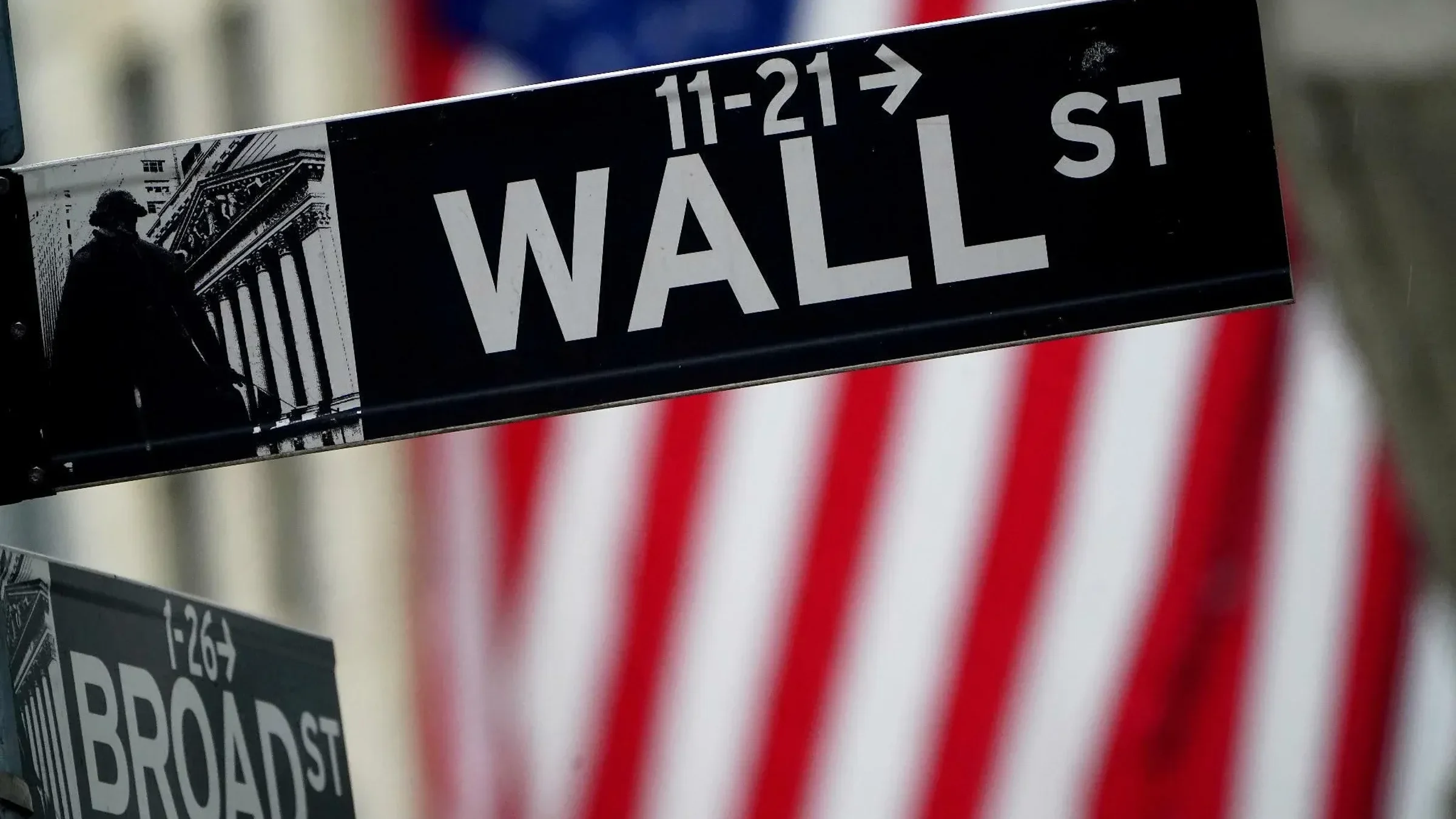
New York. The renewed confrontation in the Middle East is a primary concern for investors in the United States at the mid-week point. Following the interest rate decision by the Federal Reserve (Fed), major indices are trading in negative territory. This volatile market sentiment is a direct consequence of escalating geopolitical risks combined with the Federal Reserve’s latest monetary policy pronouncements, creating a complex environment for financial markets.
Escalating Geopolitical Tensions and Retaliatory Strikes
The situation in the Middle East has dramatically intensified following a new Iranian attack targeting U.S. interests in the region. In response, U.S. President Donald Trump has vowed swift and severe retaliation. "We will hit them hard. They will get beaten up properly," Trump was quoted as saying by Fox News following a conversation. This statement underscores a pattern of strong rhetoric from Trump directed at Iran throughout the protracted conflict, though his pronouncements have not always been followed by immediate or direct military action.
The latest Iranian offensive, which reportedly involved multiple ballistic missile strikes on U.S. troops, marks a significant escalation. The U.S. military confirmed on Tuesday evening (U.S. Eastern Time) that an Iranian attack targeted a base in Jordan. This development represents a new phase in the ongoing confrontation. In a coordinated counter-response, U.S. forces, in conjunction with Saudi Arabia, launched strikes within Iraq against what they described as "terrorists" affiliated with Iran. These retaliatory actions highlight the increasingly interconnected and volatile nature of the regional conflict.
The immediate aftermath of these escalations has been a sharp increase in oil prices. Brent crude, the European benchmark, saw a seven percent surge, reaching nearly $88 per barrel for October delivery. U.S. West Texas Intermediate (WTI) crude oil prices also climbed, increasing by approximately six percent. This spike in energy costs is a significant concern for global economies, as it directly impacts inflation and consumer spending. The rise in oil prices is a key factor contributing to the downward pressure on the Dow Jones Industrial Average, particularly affecting classic industrial stocks.
Federal Reserve Maintains Interest Rate Stability Amidst Inflation Concerns
In parallel to the geopolitical turmoil, the U.S. Federal Reserve announced its decision on interest rates. The central bank opted to keep its benchmark interest rate unchanged, maintaining it within the range of 3.50 to 3.75 percent. This decision was not unanimous, with three members of the Federal Open Market Committee (FOMC) dissenting and advocating for a quarter-percentage-point increase. This internal division within the Fed signals ongoing debate about the appropriate monetary policy trajectory.

Economists surveyed by Reuters had largely anticipated a pause in rate hikes, despite the persistent threat of inflation. The new Fed Chair, Kevin Warsh, had previously adopted a cautious stance, refraining from offering clear signals about future rate adjustments, which contributed to market uncertainty.
While inflation, fueled by the energy price shock stemming from the Iran conflict, has shown some signs of easing, it remains a significant concern. In June, inflation stood at a relatively high 3.5 percent. Consequently, financial markets are pricing in a strong likelihood that the Fed will implement an interest rate hike in September. This expectation is based on the central bank’s mandate to maintain price stability and prevent sustained inflationary pressures.
Fed Chair Warsh has explicitly stated that the Federal Reserve cannot tolerate persistently elevated inflation. He has also initiated a reform process within the Fed, establishing project groups to review its operational frameworks. One of these groups is specifically examining the Fed’s existing inflation-targeting framework. Warsh has also implicitly criticized the approach of his predecessor, Jerome Powell, suggesting that the central bank under Powell’s leadership had not adequately controlled rising inflation in recent years. This suggests a potential shift in the Fed’s policy approach under the new leadership, with a greater emphasis on proactive inflation management.

Market Reactions and Key Economic Indicators
The confluence of geopolitical uncertainty and the Federal Reserve’s monetary policy decision has created a challenging trading environment. The major U.S. stock indices have reacted negatively, reflecting investor caution and a flight to perceived safe-haven assets. The Dow Jones Industrial Average, a barometer of large-cap industrial companies, has experienced declines, exacerbated by the surge in oil prices. Technology stocks, while often more resilient, are also under pressure as investors weigh the broader economic implications of the escalating Middle East tensions and the Fed’s stance on inflation.
Later in the trading day, following the market close, two major technology companies, Meta and Microsoft, are scheduled to release their latest earnings reports. These earnings announcements are always closely watched events, given the significant influence these companies have on the broader market. Investors will be scrutinizing their financial performance for any indications of the impact of current economic conditions and the overall health of the tech sector.
Individual Stock Performance and Sectoral Insights
Several individual stocks are commanding investor attention due to specific company news and market movements.

SK Hynix: Shares of the South Korean semiconductor manufacturer, traded in the U.S., experienced a slight decline in early trading. Earlier, on the Seoul stock exchange, the company’s shares had fallen by nearly ten percent, indicating significant investor concern or a reaction to specific news impacting the semiconductor industry.
Procter & Gamble: The consumer goods giant reported earnings that fell short of analyst expectations for the past quarter. This disappointment has led to a decline in its stock price, with shares falling by more than two percent. This underperformance in a typically stable sector highlights the sensitivity of even established companies to broader economic headwinds and market sentiment.
GE Healthcare: In contrast, the medical technology company reported a significant gain of over eleven percent. GE Healthcare exceeded analyst expectations for the second quarter, benefiting from robust demand and the reimbursement of tariffs. This positive performance underscores the resilience of the healthcare sector, often considered a defensive investment, and highlights specific company-driven growth factors.

Ford: The automotive manufacturer, however, presented a more optimistic picture, surpassing analyst expectations for the past quarter. Furthermore, Ford has revised its forecast for the current fiscal year upward. These positive developments have propelled its stock price higher, with shares jumping by 3.8 percent. This suggests that despite broader economic concerns, the automotive sector may be experiencing a resurgence driven by company-specific strategies and market demand.
Broader Economic Context and Future Outlook
The current market environment is shaped by a complex interplay of geopolitical risks and monetary policy considerations. The ongoing conflict in the Middle East poses a significant threat to global energy supplies and stability, contributing to inflationary pressures and dampening investor confidence. The Federal Reserve’s decision to maintain interest rates, while understandable given the need to combat inflation, introduces further uncertainty about the future path of monetary policy.
The market’s expectation of a September rate hike suggests that investors are anticipating further tightening of monetary policy to curb inflation. However, the effectiveness of such measures in the face of supply-side shocks, such as those stemming from geopolitical events, remains a key question. The Fed’s commitment to its inflation-fighting mandate will be tested in the coming months, and its communication and future actions will be closely scrutinized by market participants.

The upcoming earnings reports from major technology companies will provide further insights into the current economic landscape and the performance of key sectors. Investors will be looking for any signs of a slowdown in consumer spending or business investment that could indicate a broader economic contraction.
The interconnectedness of global markets means that events in the Middle East and policy decisions by major central banks will continue to have a profound impact on U.S. financial markets. The current period is characterized by heightened volatility and a degree of unpredictability, requiring investors to adopt a cautious and well-informed approach. The Federal Reserve’s ongoing efforts to navigate the complex economic landscape, coupled with the evolving geopolitical situation, will be critical factors shaping market performance in the near to medium term.
The persistent inflation, exacerbated by global energy price fluctuations, remains a central challenge for policymakers. The Fed’s strategy to balance inflation control with economic growth will be a delicate act, and any missteps could have significant consequences for the broader economy. The market’s reaction to the Fed’s future policy moves will be a key indicator of its confidence in the central bank’s ability to manage these competing priorities.

The strategic importance of the Middle East to global energy markets cannot be overstated. Any sustained disruption or escalation of conflict in the region will inevitably lead to further volatility in oil prices, with ripple effects across industries and consumer economies worldwide. The international community’s diplomatic efforts to de-escalate tensions will be crucial in mitigating these risks and fostering a more stable global economic environment. The current situation demands careful monitoring and a nuanced understanding of the complex factors at play.
