

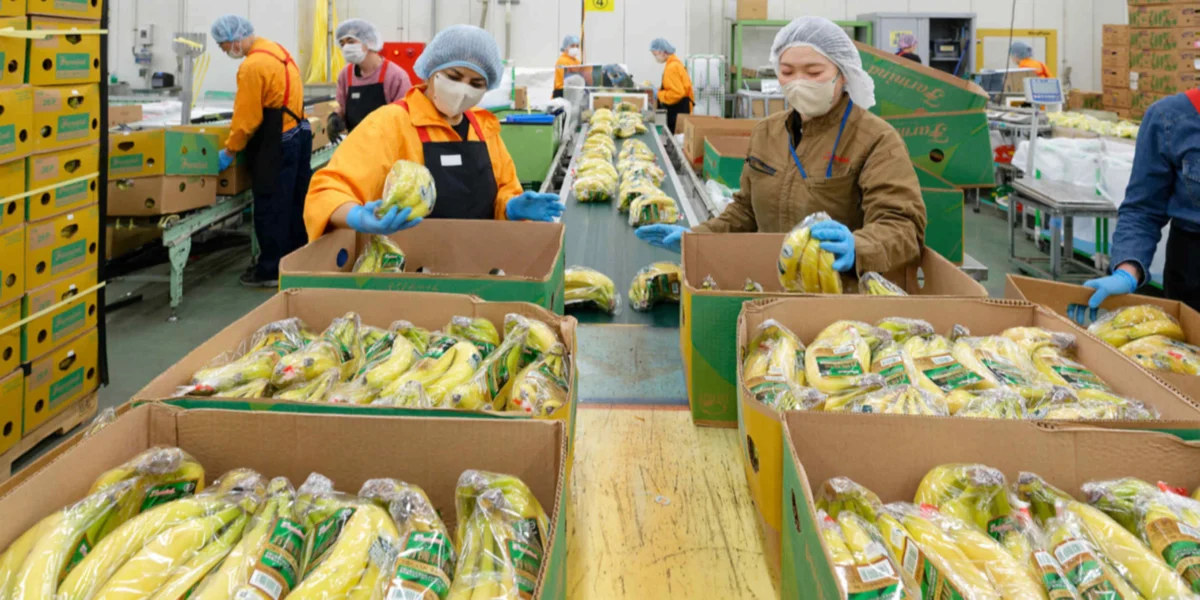
TOKYO – Japanese real estate company Hulic Co. Ltd. is making a significant strategic move beyond its traditional urban development and property management domains, announcing its intention to acquire a 20% stake in Farmind Co. Ltd., a leading domestic distributor of fresh produce, particularly bananas and kiwifruit. This acquisition marks a pivotal step in Hulic’s ambitious plan to establish a comprehensive nationwide refrigerated logistics network, signaling a bold diversification into the essential infrastructure supporting Japan’s food supply chain. The deal, valued at an undisclosed sum but representing a substantial investment for Hulic, underscores a growing trend of non-traditional players seeking to capitalize on critical logistical needs within established industries.
The primary objective behind Hulic’s investment is to leverage Farmind’s existing infrastructure and market presence to construct a robust and efficient cold chain logistics system across Japan. This network is envisioned to not only serve Farmind’s current operations but also to be adaptable for a wider range of perishable goods, potentially catering to other food distributors, agricultural cooperatives, and even specialized retail sectors. For Farmind, this partnership offers access to capital and strategic expertise that can accelerate its growth and enhance its operational capabilities in an increasingly competitive market.
Background and Strategic Rationale
Farmind Co. Ltd. holds a commanding position in the Japanese fresh produce market, controlling a substantial domestic share for key commodities such as bananas and kiwifruit. Established in 2009 through the merger of several regional produce wholesalers, Farmind has built a reputation for reliable sourcing, efficient distribution, and strong relationships with both domestic growers and international suppliers. The company’s operations are critical to ensuring a consistent supply of these popular fruits to Japanese consumers, who place a high value on freshness and quality. However, like many players in the agricultural logistics sector, Farmind has faced ongoing challenges related to aging infrastructure, rising operational costs, and the need for greater technological integration to optimize its supply chain.
Hulic, on the other hand, is a prominent real estate developer and owner with a diversified portfolio that includes commercial properties, hotels, and residential developments. The company has historically focused on urban regeneration and creating value through its real estate assets. However, in recent years, Hulic has been actively exploring opportunities for strategic diversification, seeking to identify new growth engines that align with societal needs and offer long-term sustainability. The company’s leadership has identified the cold chain logistics sector as a crucial, yet under-optimized, area within Japan’s economy. The increasing demand for high-quality, safely handled perishable goods, coupled with the logistical complexities posed by Japan’s geography and aging infrastructure, presents a significant market opportunity.
The decision to invest in Farmind is a calculated one. By acquiring a significant stake, Hulic gains immediate access to a well-established operational framework, a loyal customer base, and critical logistical assets such as warehouses and transportation networks. This partnership allows Hulic to bypass the often lengthy and capital-intensive process of building a logistics network from scratch. Instead, it can focus on enhancing and expanding Farmind’s existing capabilities, integrating new technologies, and strategically developing new logistics hubs where needed.
Timeline and Key Developments
The announcement of Hulic’s 20% stake acquisition in Farmind signals the culmination of months of discussions and due diligence. While the precise timeline of negotiations remains private, such significant strategic investments typically involve extensive legal, financial, and operational assessments. It is plausible that preliminary talks began in late 2025 or early 2026, with formal agreements being reached in the weeks preceding the public announcement.
The formal announcement, made on July 28, 2026, by both companies, marks the official commencement of this strategic alliance. The next phase will involve the integration of Hulic’s strategic vision and financial resources into Farmind’s operations. This will likely entail the appointment of Hulic representatives to Farmind’s board of directors, ensuring close collaboration and oversight. Following this, the companies will embark on the detailed planning and execution of the nationwide refrigerated logistics network expansion. This process will involve site selection for new facilities, upgrades to existing infrastructure, the implementation of advanced tracking and management systems, and potentially the acquisition of additional logistics assets or smaller companies to accelerate network development.
The timeline for the full realization of the nationwide network is expected to span several years. Initial phases will likely focus on optimizing Farmind’s core operations and expanding its reach within key agricultural regions. Subsequent phases will involve the development of new hubs in underserved areas and the integration of advanced technologies to create a truly state-of-the-art cold chain.
Supporting Data and Market Context
The Japanese cold chain logistics market is a substantial sector, driven by consumer demand for fresh and frozen food products. The market is characterized by a fragmented landscape of logistics providers, with a significant number of smaller, regional players alongside larger, national operators. However, a consistent challenge across the industry is the need for modernization and investment in temperature-controlled infrastructure.
- Market Size: The Japanese cold chain logistics market was estimated to be valued at approximately $25 billion in 2025 and is projected to grow at a Compound Annual Growth Rate (CAGR) of around 4-5% through 2030. This growth is fueled by increasing demand for imported foods, convenience foods, and pharmaceuticals, all of which require stringent temperature control.
- Infrastructure Needs: A significant portion of Japan’s cold storage facilities are aging, leading to higher operational costs and potential inefficiencies. Furthermore, the country’s complex geography, with its numerous islands and mountainous regions, presents unique logistical challenges for maintaining a consistent cold chain.
- Farmind’s Market Share: While precise figures are proprietary, Farmind is understood to control over 30% of the domestic banana market and a significant, though smaller, share of the kiwifruit market. These are high-volume, fast-moving consumer goods that are highly sensitive to temperature fluctuations during transit and storage.
- Technological Adoption: The adoption of advanced technologies such as IoT sensors for real-time temperature monitoring, AI-powered route optimization, and automated warehousing systems is still in its nascent stages for many Japanese logistics companies. Hulic’s investment is expected to accelerate the deployment of these technologies within Farmind’s operations.
The strategic alliance between Hulic and Farmind is therefore well-timed to address these market needs. By injecting capital and expertise, Hulic aims to create a more resilient, efficient, and technologically advanced cold chain network that can serve as a benchmark for the industry.
Inferred Reactions and Potential Implications
While official statements from Farmind’s existing shareholders and management beyond the initial announcement are not yet public, the move is likely to be viewed positively. For Farmind, the partnership with a financially robust and strategically minded company like Hulic offers a pathway to significant operational upgrades and market expansion, potentially solidifying its position as a leader in the produce distribution sector. It could also attract further investment and talent to the company.
For other players in the Japanese logistics and agricultural sectors, Hulic’s foray into cold chain infrastructure could signal a new era of investment and consolidation. This might pressure smaller, less capitalized firms to either seek strategic alliances or face increased competition. The emphasis on a nationwide network could also lead to greater standardization of logistics services and potentially lower costs for businesses reliant on cold chain operations.
From a consumer perspective, the ultimate benefit is likely to be improved availability and potentially more consistent quality of fresh produce. A more efficient cold chain can reduce spoilage, minimize price fluctuations due to logistical disruptions, and ensure that products reach consumers in optimal condition.
Broader Impact and Future Outlook
Hulic’s strategic pivot highlights a broader trend of established companies in Japan seeking to diversify beyond their core competencies to capitalize on essential infrastructure needs. The success of this venture could encourage other real estate developers and investment firms to explore similar opportunities in sectors like renewable energy infrastructure, digital infrastructure, and advanced manufacturing logistics.
The creation of a nationwide refrigerated logistics network by Hulic and Farmind has several potential long-term implications for Japan:
- Enhanced Food Security: A more robust and resilient cold chain contributes to national food security by minimizing waste and ensuring a steady supply of perishable goods, especially during periods of natural disaster or other disruptions.
- Economic Efficiency: Improved logistics can lead to significant cost savings for businesses, making Japanese agricultural products more competitive both domestically and internationally.
- Technological Advancement: The investment is likely to drive the adoption of cutting-edge logistics technologies, positioning Japan at the forefront of supply chain innovation.
- Regional Development: The expansion of logistics networks could stimulate economic activity in regional areas where new distribution hubs are established, creating jobs and supporting local economies.
As Hulic embarks on this ambitious project, the company is not just investing in real estate; it is investing in the critical arteries of Japan’s economy. The partnership with Farmind represents a bold step into a vital sector, with the potential to reshape the landscape of cold chain logistics in Japan and set a precedent for future strategic diversifications by established industry players. The coming years will be crucial in observing how this alliance translates into tangible improvements in infrastructure, efficiency, and the overall supply of fresh produce to Japanese consumers.
