

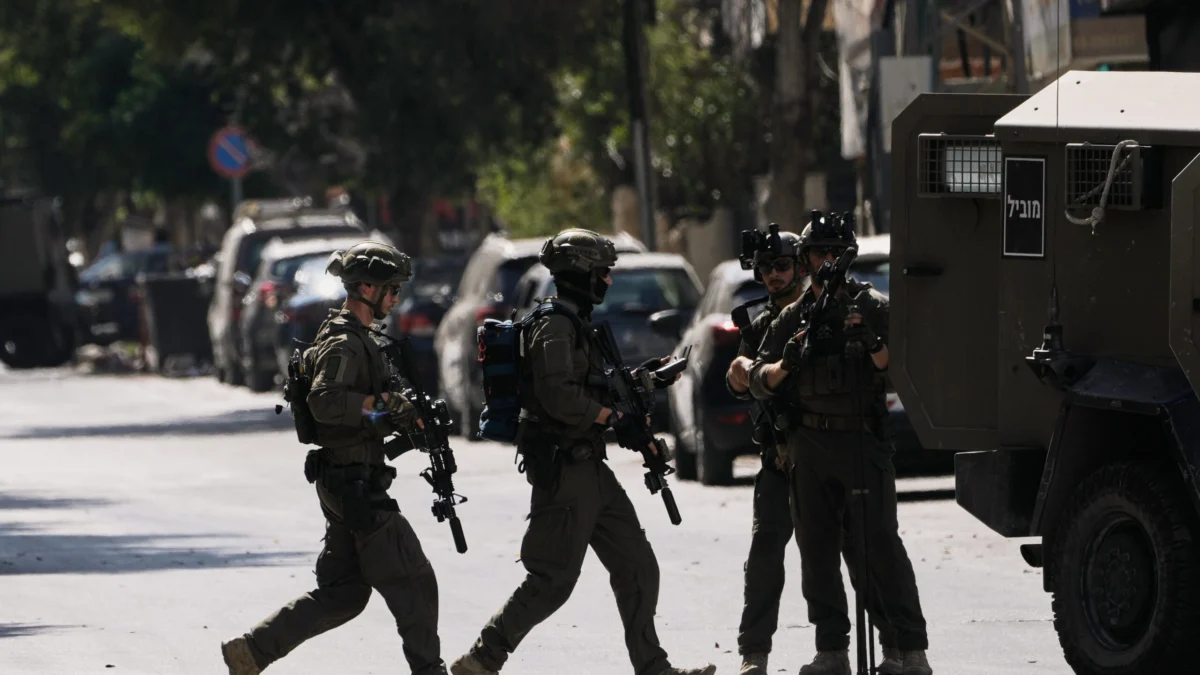
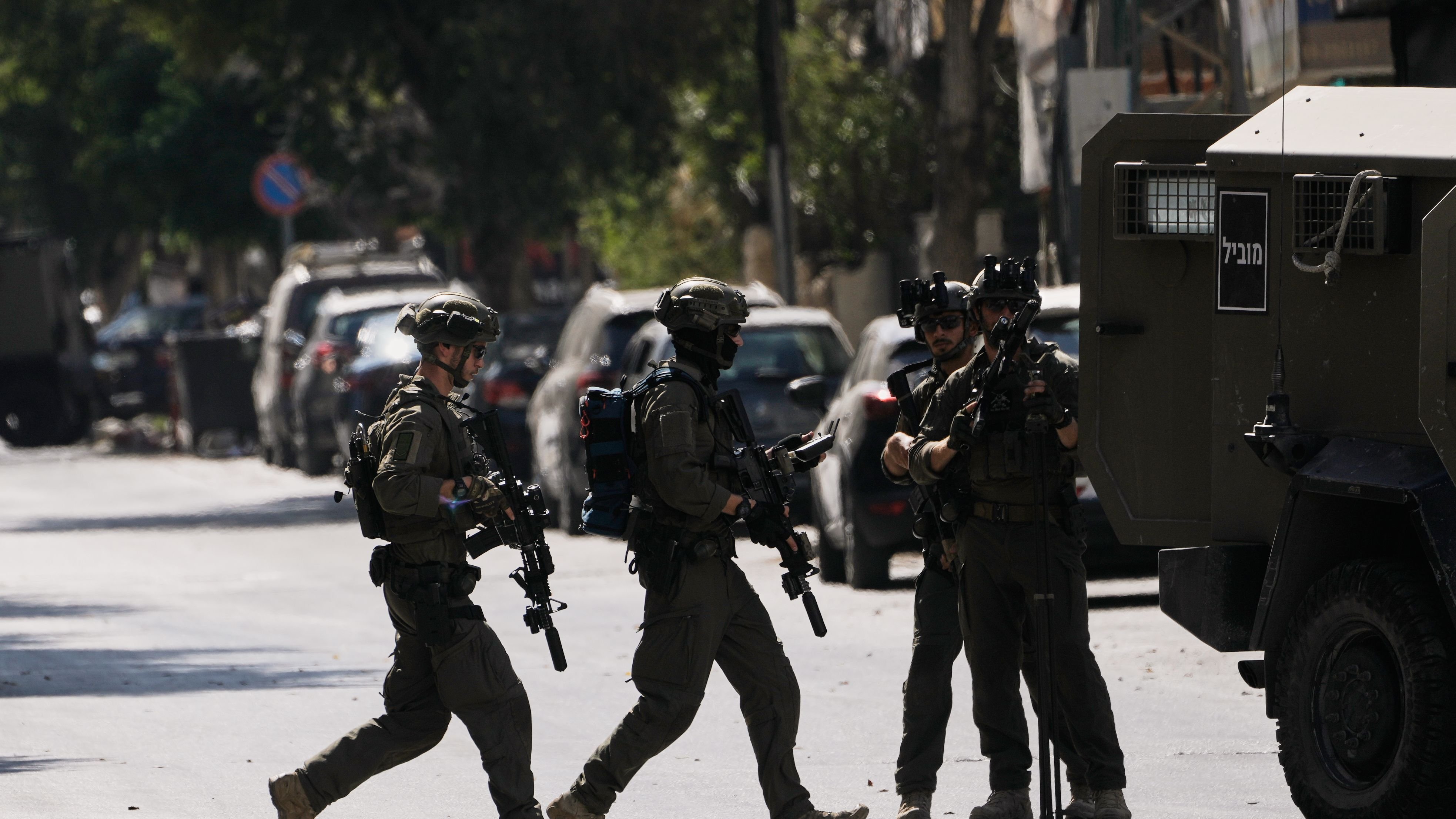
The Israeli security cabinet has reportedly approved a plan that would allow a planned international stabilization force to enter parts of the Gaza Strip not currently under Israeli control. This development, stemming from a US-backed proposal put forth in October, signifies a potential shift in the ongoing efforts to manage the complex geopolitical situation in the region. The details of the troop deployment, the exact composition of the force, and the specific territories they would operate within remain subjects of ongoing discussion and negotiation. However, the reported approval marks a significant step towards internationalizing security measures in the Palestinian territories, a move that has been a cornerstone of various peace initiatives.
The context for this decision arises from the persistent instability and conflict that has plagued the region for decades. The current escalation, following the October attacks, has intensified the need for robust security mechanisms and humanitarian aid. The proposed international force is envisioned to play a role in maintaining order, facilitating the delivery of essential supplies, and potentially contributing to long-term security arrangements. The involvement of international actors in such a capacity is a delicate balancing act, requiring careful coordination with all parties involved, including Israeli forces, Palestinian authorities, and regional powers.
Background of the Proposed Stabilization Force
The concept of an international stabilization force in Gaza has been a recurring theme in discussions aimed at de-escalating the conflict and fostering a more stable environment. The current iteration of this plan gained traction following the October events, with the United States playing a pivotal role in brokering discussions and garnering support from various international stakeholders. The overarching goal is to create a secure perimeter that allows for the unimpeded flow of humanitarian assistance and supports the eventual reconstruction and governance of Gaza.
The specifics of the US-backed plan, as reported by various news outlets, envision a multinational force with a mandate to ensure the security of humanitarian corridors, oversee the disarmament of militant groups, and contribute to the establishment of a revitalized Palestinian Authority. The composition of such a force is crucial, with potential contributors being sought from Arab nations, European countries, and other international partners. The involvement of regional players is seen as particularly vital for ensuring the legitimacy and effectiveness of the mission.

Recent Developments and Key Events
The reported approval by the Israeli security cabinet comes amidst a backdrop of heightened tensions and ongoing diplomatic efforts. The conflict has seen significant military engagements, with both sides reporting casualties and damage. The humanitarian situation in Gaza has been a major concern, with widespread displacement and shortages of essential resources.
Timeline of Key Events (Illustrative, based on typical conflict reporting patterns):
- Early October: Escalation of conflict following coordinated attacks.
- Mid-October: Intensified military operations and calls for international intervention.
- Late October: US-backed proposal for a stabilization force presented.
- November – December: Diplomatic negotiations, discussions on force composition and mandate.
- January – Present: Reports of incremental approvals and ongoing planning for international force deployment.
The specific timeline leading to the security cabinet’s approval is not fully detailed in the initial reports, but it is understood to be the culmination of extensive internal deliberations and external diplomatic engagements. The approval signifies a willingness by the Israeli government to consider a more significant international role in managing the post-conflict landscape.
Iran’s Stance and Regional Dynamics
Iran’s reaction to the proposed stabilization force and the broader conflict is a critical element in the regional dynamics. Tehran has consistently voiced its opposition to Israeli actions and has been a vocal supporter of Palestinian resistance. While the initial reports do not contain explicit statements from Iranian officials regarding the stabilization force, their historical position suggests a degree of skepticism towards any initiative perceived as legitimizing Israeli control or undermining Palestinian sovereignty.

Iran’s own involvement in regional conflicts, particularly through its support of groups like Hezbollah and Hamas, adds another layer of complexity. The Strait of Hormuz and the broader Persian Gulf region have been focal points of geopolitical tension, with Iran frequently engaging in naval exercises and rhetoric that challenge international maritime security. Recent reports of Iran’s talks with Oman regarding the Strait of Hormuz underscore the ongoing importance of this waterway and Iran’s strategic interests in maintaining its freedom of navigation.
In a related development, Iran has recently engaged in discussions with Oman regarding maritime security in the Strait of Hormuz. These talks, described as "productive" by Iran’s Foreign Ministry, highlight the continued diplomatic engagement between Tehran and regional partners, even amidst broader regional tensions. The Strait of Hormuz, a vital chokepoint for global oil trade, remains a sensitive area, and any perceived threat to its security can have far-reaching economic and geopolitical implications.
The broader conflict has also seen reports of Iran potentially pausing its attacks in response to a cessation of US attacks, indicating a degree of conditional de-escalation. However, an insider cited by Reuters suggests that Iran remains skeptical of US intentions, viewing any pause as potentially tactical rather than a genuine commitment to de-escalation. This cautious approach reflects the deep-seated distrust and complex power dynamics at play between Iran and the United States.
Oil Tanker Incident in the Strait of Hormuz
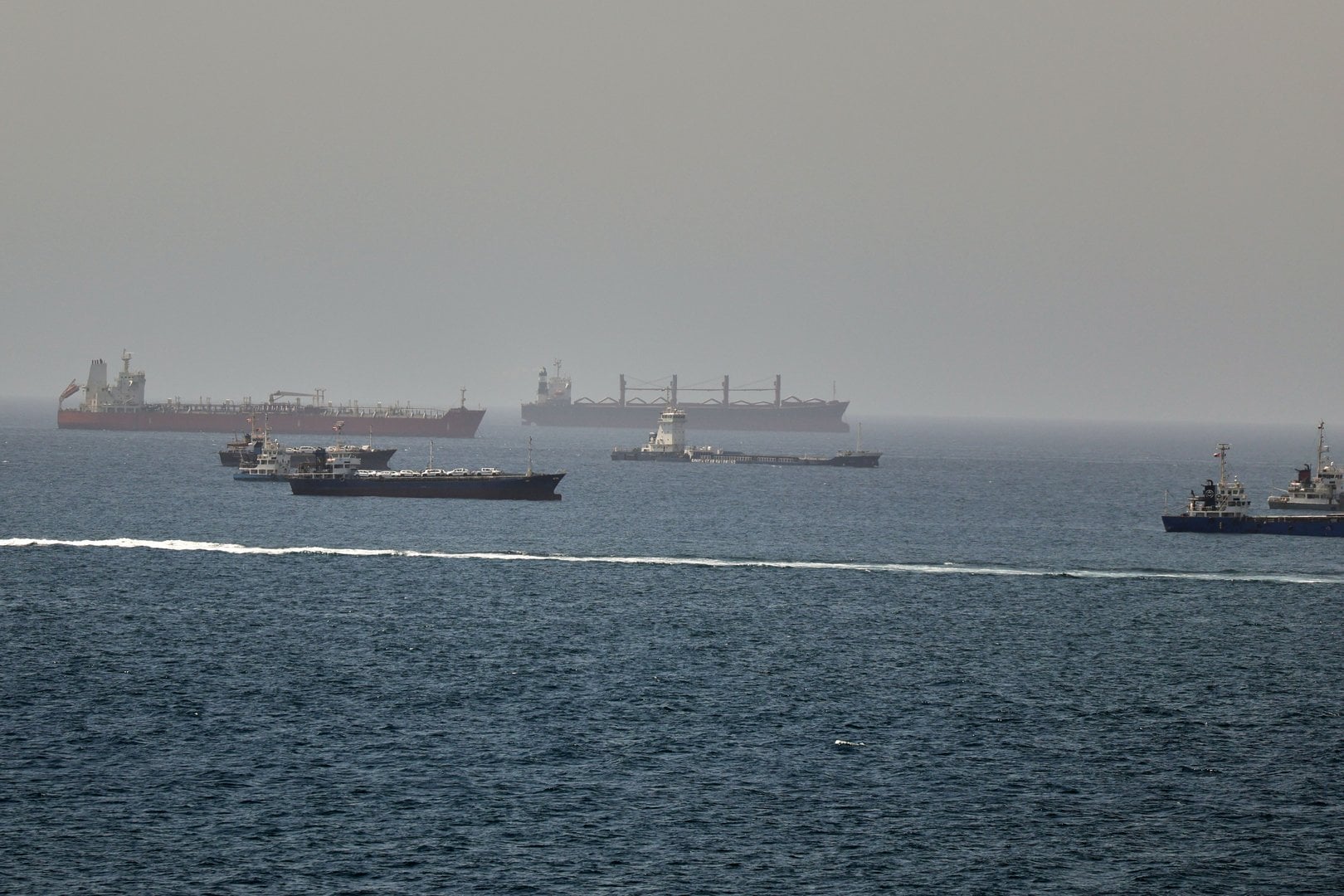
A separate incident involving an oil tanker explosion after colliding with a mine in the Strait of Hormuz has added to the maritime security concerns in the region. The Iranian news agency Tasnim reported the incident, stating that the tanker had deviated from its designated route. While preliminary reports suggest a mine collision, the exact circumstances remain under investigation. Such incidents underscore the fragility of maritime security in this strategically vital waterway and the potential for unintended consequences that can further exacerbate regional tensions.
Houthi Militias and Saudi Oil Facilities
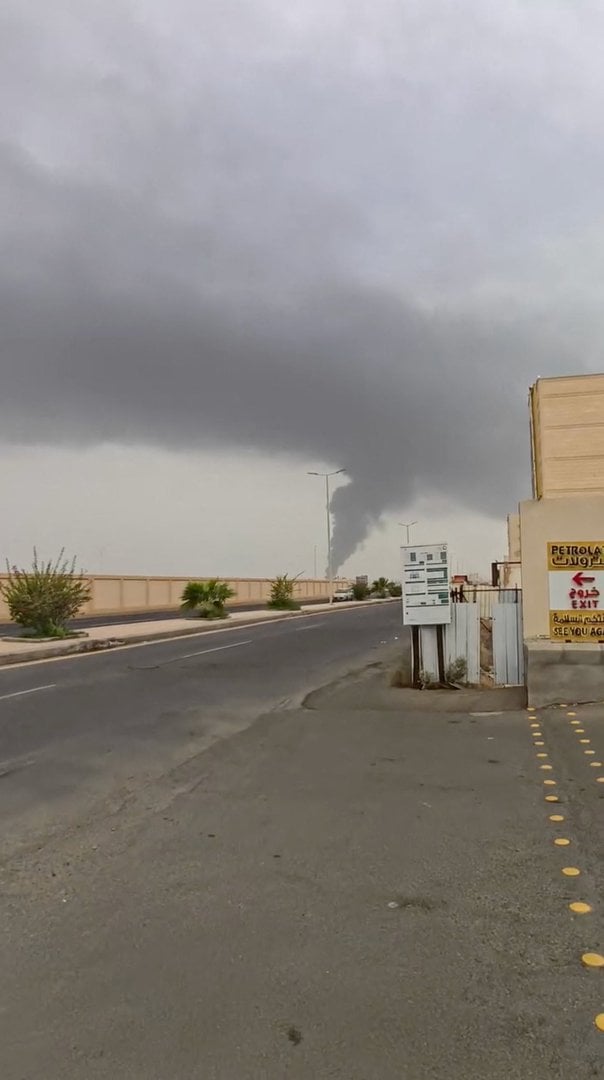
The Houthi militia in Yemen has claimed responsibility for attacks on Saudi oil facilities, further highlighting the interconnectedness of regional conflicts. These attacks, reportedly carried out with rockets and drones targeting facilities belonging to Saudi Aramco in Jizan and Yanbu, are presented by the Houthis as retaliation for Saudi-led coalition airstrikes in Yemen. This cyclical pattern of escalation, where attacks prompt retaliatory measures, creates a volatile environment that can quickly spiral. The Saudi government has not yet officially commented on these specific claims.
The involvement of the Houthi militia, reportedly supported by Iran, demonstrates the broader proxy warfare dynamics that characterize the Middle East. The Red Sea, a critical maritime route, has become a theatre for these proxy conflicts, with attacks on shipping posing a significant threat to global trade. The Saudi-led coalition’s response, involving airstrikes on "legitimate military targets" in Yemen’s Hodeidah province, indicates a continued commitment to countering Houthi aggression.
International Diplomatic Efforts
Beyond the immediate security concerns, diplomatic efforts are underway to achieve a broader de-escalation and find a lasting solution. The US Ambassador to the United Nations, Mike Waltz, has indicated that President Trump is allowing some room for negotiations with Iran concerning an end to the conflict, suggesting a period of cautious engagement. While the US has reportedly paused its airstrikes for a period, the absence of official statements leaves room for interpretation regarding the duration and intent of this pause.
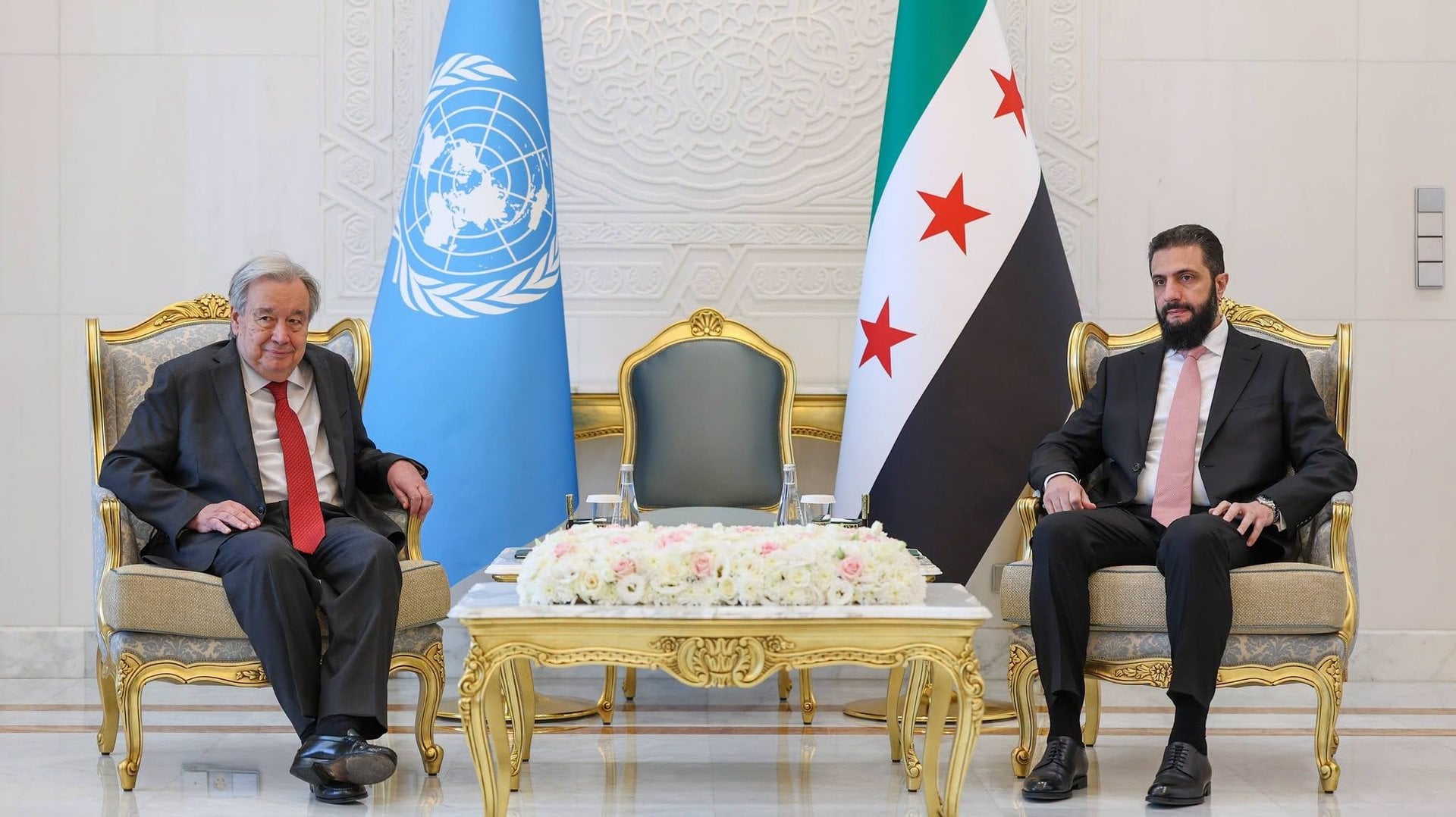
The United Nations Secretary-General, António Guterres, has embarked on a visit to Syria, marking the first such visit since 2009. During his trip, Guterres has called for international support for the Syrian people and has reiterated the UN’s position that the Golan Heights belong to Syria. His strong condemnation of any Israeli violations of Syrian sovereignty underscores the ongoing territorial disputes and the complex geopolitical landscape in the region.
The European Union has also taken action by imposing sanctions on Iranian judges and a leader of a cyber-group accused of enabling state repression. These measures, announced by EU Foreign Affairs Chief Kaja Kallas, signal a continued international effort to hold individuals accountable for human rights abuses, even as diplomatic channels remain open.

Broader Impact and Implications
The potential deployment of an international stabilization force in Gaza carries significant implications. It could provide much-needed security and facilitate humanitarian aid, but it also raises questions about sovereignty, the long-term governance of Gaza, and the potential for unintended consequences. The success of such a force would depend on a clear mandate, adequate resources, and the cooperation of all relevant parties.
The ongoing conflicts and diplomatic maneuvering in the Middle East have a profound impact on global energy markets, international trade routes, and regional stability. The Strait of Hormuz and the Red Sea are critical arteries for global commerce, and any disruption to shipping can have ripple effects across the world economy. The intricate web of alliances and rivalries, involving major powers like the US, China, Russia, and regional actors like Iran and Saudi Arabia, creates a complex and often volatile geopolitical environment.

The article highlights a multifaceted conflict with numerous actors and intersecting interests. The reported approval of an international stabilization force for Gaza signifies a potential turning point, but the path forward remains fraught with challenges. The success of any such initiative will hinge on sustained diplomatic engagement, a commitment to de-escalation, and the willingness of all parties to prioritize peace and stability for the benefit of the region and the wider international community. The ongoing reports of skirmishes, diplomatic talks, and the involvement of various international bodies underscore the persistent urgency of finding a comprehensive and lasting resolution to the multifaceted conflicts plaguing the Middle East.
