

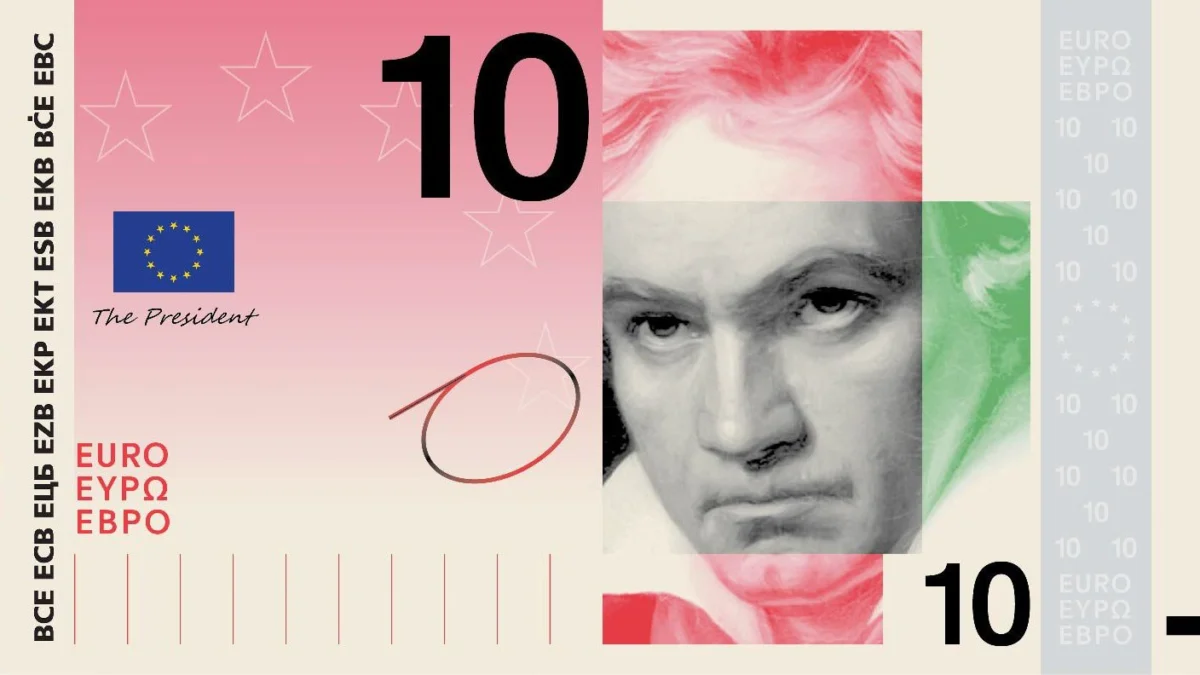
Frankfurt – The European Central Bank (ECB) has initiated a pivotal process that will redefine the visual identity of the euro banknotes, marking a significant shift over two decades after their initial introduction. This strategic overhaul aims to modernize the currency and engage European citizens in its evolution. The current euro banknotes, characterized by their abstract depictions of architectural styles rather than specific landmarks or historical figures, are a testament to a deliberate compromise designed to foster a sense of pan-European unity and avoid nationalistic connotations. However, the ECB now seeks to imbue the currency with a more relatable and culturally resonant narrative, inviting public participation in shaping its future appearance.
The decision to redesign the euro banknotes stems from a desire to reflect contemporary Europe and enhance their security features and user-friendliness. While the exact timeline for the new banknotes’ circulation is yet to be finalized, the ECB has indicated that the process is underway, with a public consultation phase being a crucial component. This inclusive approach underscores the ECB’s commitment to transparency and citizen engagement in decisions that directly impact the daily lives of hundreds of millions across the Eurozone.
A Shift from Fictional Architecture to Cultural Icons
For over twenty years, the euro banknotes have featured generic bridges, doorways, and windows, symbolizing openness and cooperation without referencing any particular nation or historical period. This design choice, while politically pragmatic, has arguably contributed to a sense of detachment for some citizens. The new proposed designs, however, aim to rectify this by incorporating iconic European figures and cultural symbols, making the currency more personally relevant and visually engaging.
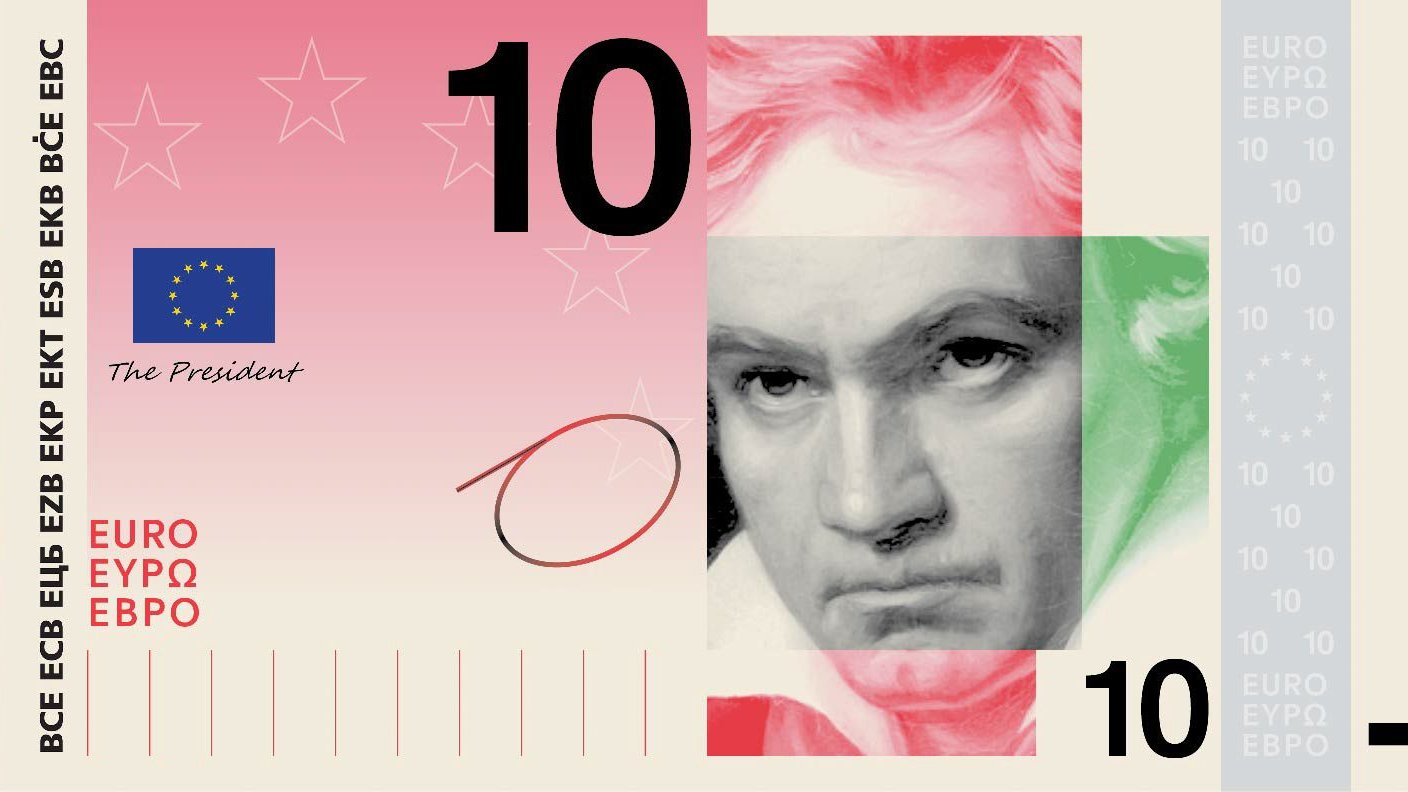
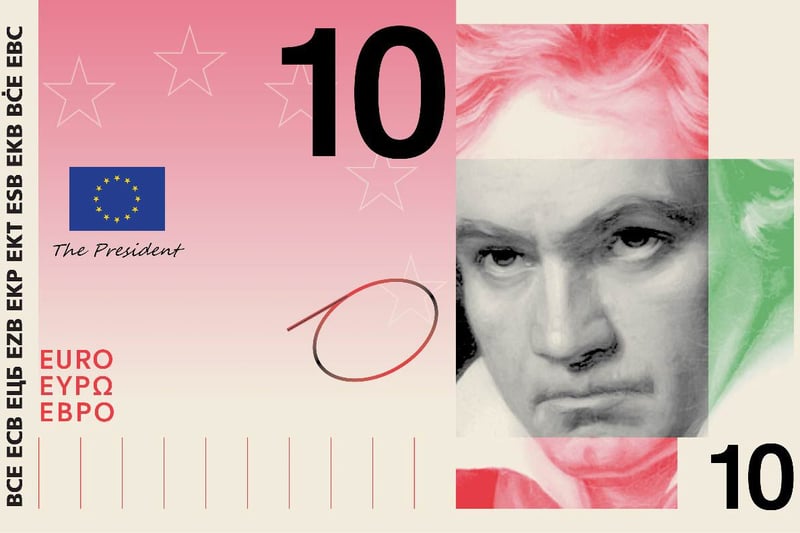
One of the most prominent proposals, as hinted by the ECB’s current considerations, is the potential inclusion of Ludwig van Beethoven. The image of the renowned composer, a figure celebrated across the continent for his profound musical contributions, could grace the ten-euro banknote. Beethoven, born in Bonn, Germany, in 1770, remains a universally recognized symbol of European artistic genius and cultural heritage. His music transcends borders and languages, embodying the very spirit of European unity that the euro strives to represent.
The introduction of such recognizable figures marks a departure from the ECB’s previous policy, which deliberately avoided national heroes or specific landmarks to prevent any perception of favoritism towards particular member states. This shift suggests a growing confidence within the ECB and a belief that shared European cultural icons can serve as powerful unifying symbols.
The Rationale Behind the Redesign
The impetus for this redesign is multifaceted. Firstly, advancements in printing and security technologies necessitate regular updates to banknotes to stay ahead of counterfeiters. The current generation of euro banknotes, while robust, can benefit from enhanced anti-counterfeiting measures that are standard in newer currency designs. These might include more sophisticated holographic elements, micro-printing, and advanced security threads.
Secondly, the ECB aims to make the banknotes more accessible and user-friendly. This includes considering tactile features for visually impaired individuals, ensuring clearer denomination markings, and potentially optimizing the size and feel of the notes for easier handling. The ongoing evolution of the euro is also influenced by the increasing prevalence of digital payments. By making the physical currency more appealing and secure, the ECB seeks to maintain its relevance and attractiveness as a means of payment.
The decision to engage the public in this process is particularly noteworthy. The ECB has launched a public consultation to gather feedback on the potential themes and figures that could be featured on the new banknotes. This participatory approach allows citizens to voice their preferences and feel a sense of ownership over their currency. The themes being considered reportedly include "Europe," "The Spirit of Europe," and "The Face of Europe," with a shortlist of potential motifs to be presented to the public for their vote.
A Glimpse into Potential New Designs
While the final designs are still subject to public input and ECB approval, the inclusion of figures like Beethoven signifies a move towards a more human-centric and culturally rich currency. This approach has precedent in other currencies worldwide, where national heroes, historical figures, and significant cultural symbols are often depicted. For instance, the British pound features prominent figures like Queen Elizabeth II and Winston Churchill, while the US dollar showcases various American presidents and historical figures.
The potential inclusion of Beethoven on the ten-euro note, for example, would bring a tangible link to European intellectual and artistic achievements. His symphonies, sonatas, and operas are cornerstones of the classical music repertoire, performed and appreciated globally. His life story, marked by perseverance in the face of adversity and a relentless pursuit of artistic expression, resonates deeply and can serve as an inspiring emblem for European values.
Beyond individual figures, the ECB may also explore motifs representing broader European achievements in science, art, architecture, and philosophy. These could include symbols of innovation, exploration, or the pursuit of knowledge, further reinforcing the euro’s identity as a currency of a dynamic and forward-looking continent. The process will likely involve expert committees to ensure that any chosen figures or symbols are representative of diverse European heritage and possess broad appeal across all member states.

The Process and Timeline
The redesign process is a carefully orchestrated undertaking involving several stages:
- Theme Selection: The ECB Governing Council, advised by a committee, will select a new theme for the banknotes. This theme will guide the subsequent design choices.
- Design Competition: A design competition will be held, inviting artists to submit proposals based on the chosen theme.
- Public Consultation: The ECB will present a shortlist of the proposed designs to the public for their feedback. This phase is crucial for ensuring broad acceptance and relevance.
- Final Selection and Approval: Based on public input and expert recommendations, the ECB Governing Council will make the final decision on the new banknote designs.
- Production and Introduction: Following the design finalization, the new banknotes will be produced, incorporating advanced security features. The introduction of the new series will likely be phased in over several years, with the existing series remaining legal tender for a significant transition period.
While specific dates are not yet confirmed, it is anticipated that the public consultation phase could begin in the coming months, with the potential for the first new banknotes to enter circulation within the next five to seven years. This extended timeline allows for thorough development, production, and public awareness campaigns.
Economic and Social Implications
The redesign of the euro banknotes, while primarily a visual and security update, carries broader economic and social implications.

- Enhanced Security and Trust: Improved security features will bolster confidence in the euro as a stable and reliable currency, crucial for maintaining its international standing and domestic trust.
- Economic Impact: The production of new banknotes represents a significant industrial undertaking, involving printing facilities, security feature suppliers, and logistical operations across the Eurozone. This can stimulate economic activity and create jobs.
- Cultural Representation: By incorporating recognizable European figures and symbols, the new banknotes can foster a stronger sense of shared European identity and pride, reinforcing the cultural dimension of European integration. This could subtly influence public perception and strengthen the symbolic value of the euro.
- User Experience: Enhanced design elements, such as tactile features and clearer denominations, will improve the usability of the currency for all citizens, including those with visual impairments.
The transition to new banknotes is a complex logistical challenge. The ECB will need to coordinate with national central banks across the Eurozone to manage the withdrawal of old notes and the introduction of new ones. Public information campaigns will be essential to inform citizens about the changes, the timeline, and the continued validity of older notes during the transition period.
The Future of Cash in a Digital Age
The decision to redesign physical euro banknotes comes at a time when digital payments are rapidly expanding. While the use of cash is declining in many sectors, it remains a vital component of the financial system for many individuals and businesses, particularly for smaller transactions and for those who prefer or rely on cash for various reasons. The ECB recognizes this continued importance and is committed to ensuring that the euro remains accessible and user-friendly in all its forms.
By investing in the modernization of physical euro banknotes, the ECB is signaling its intention to maintain a robust and evolving cash infrastructure alongside digital payment solutions. This dual approach ensures that the euro can serve the diverse needs of all European citizens and contribute to financial inclusion. The new designs, by connecting the currency to shared European values and achievements, can also serve as a constant, tangible reminder of the European project itself.

The journey to the new euro banknotes is more than just a cosmetic update; it is an opportunity to reimagine the visual narrative of a currency that underpins the economic and social fabric of a continent. As the process unfolds, the input of European citizens will be instrumental in shaping a currency that is not only secure and functional but also a proud emblem of Europe’s rich history and its aspirations for the future. The potential for figures like Beethoven to grace our wallets signifies a bold step towards a more relatable and culturally resonant euro, one that truly reflects the spirit of a united Europe.
