

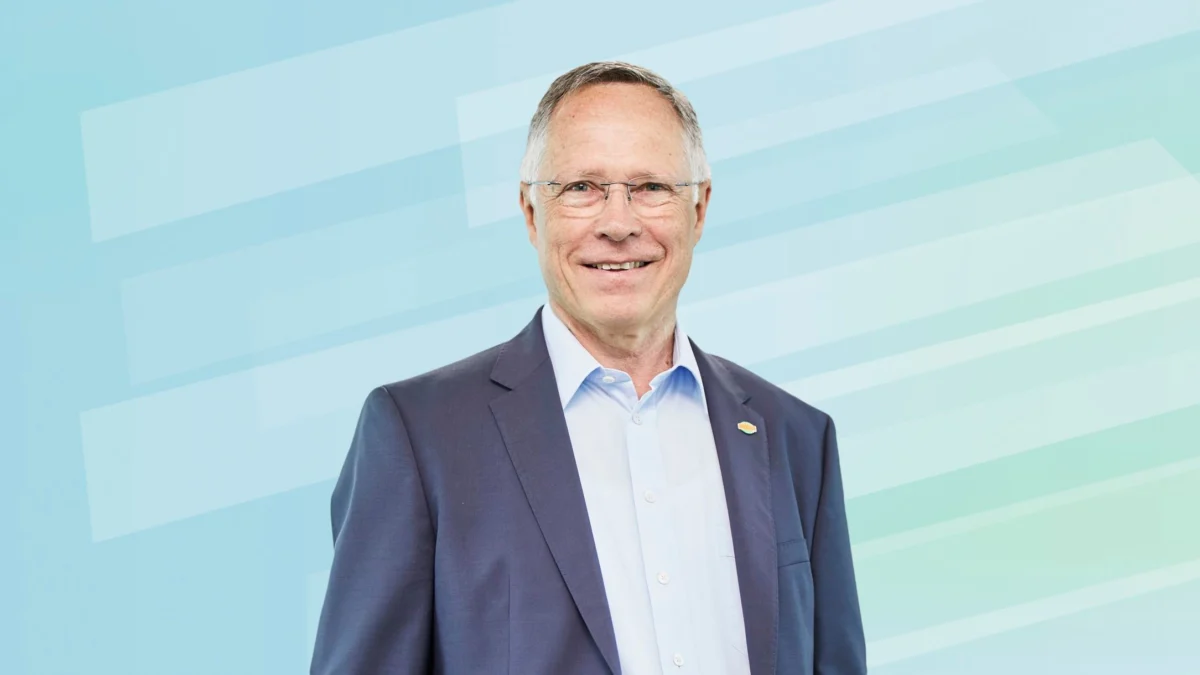
Düsseldorf, Berlin. Thomas Bruch, a prominent German family business owner and shareholder of the Globus group, has confirmed his participation in the St. Petersburg International Economic Forum (SPIEF), marking the first instance of such a high-profile German business figure attending the event since Russia’s full-scale invasion of Ukraine in February 2022. The decision has drawn significant attention and varied reactions, highlighting the complex dynamics of business engagement with Russia amid ongoing geopolitical tensions and international sanctions.
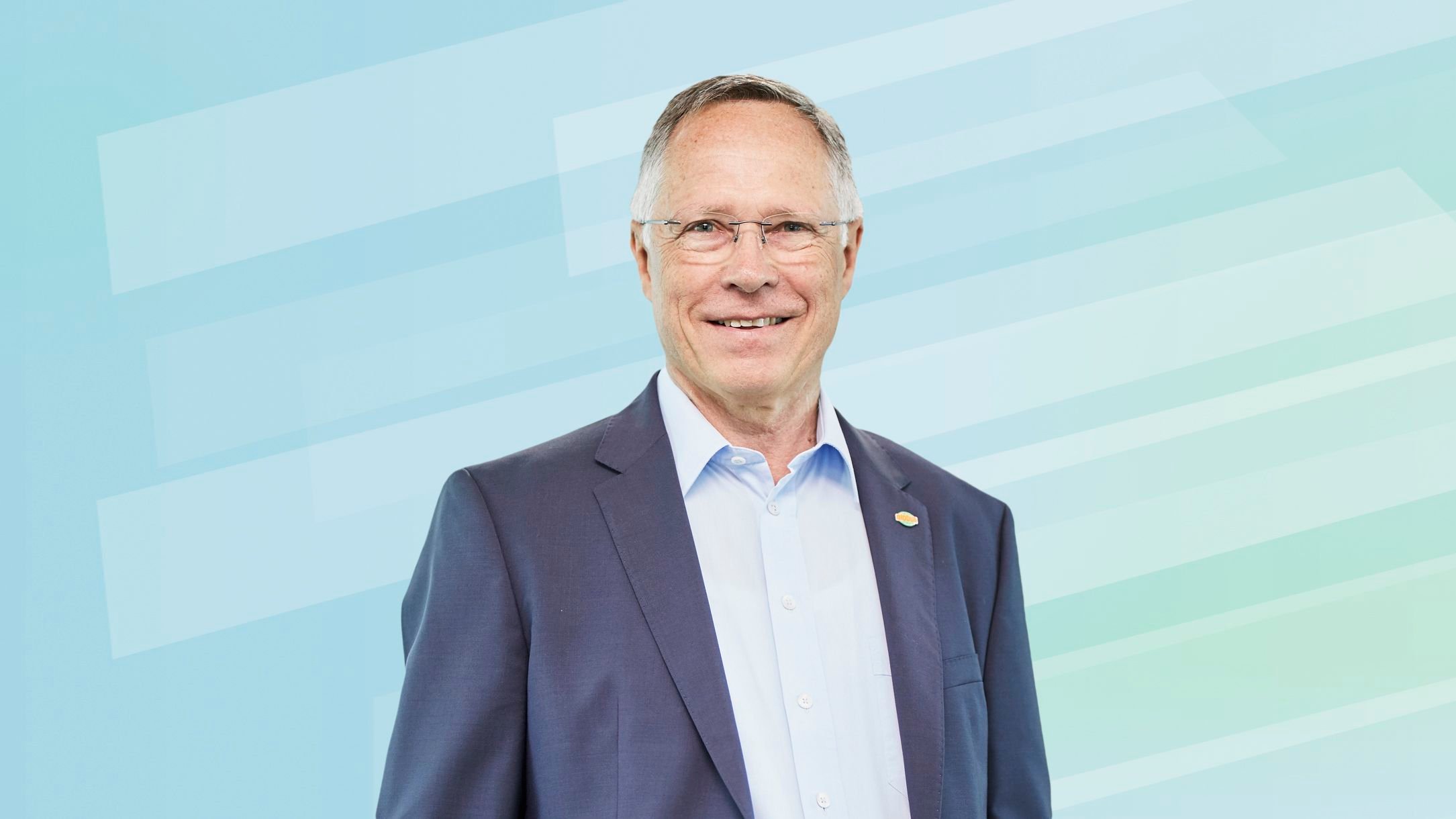
Globus, headquartered in St. Wendel, Saarland, operates a substantial network of 20 hypermarkets across Russia, primarily sourcing goods locally. Bruch, who for a considerable period led the operations of the Globus-Holding, has been instrumental in the company’s expansion into the Russian market, which began in 2006. The company has emphasized that Bruch’s attendance at the forum is in his capacity as a shareholder of the Russian hypermarket operations, aiming to maintain economic ties and engage in dialogue with representatives from both the business and institutional sectors.
Background and Context: The St. Petersburg International Economic Forum
The St. Petersburg International Economic Forum, often dubbed Russia’s "Davos," has historically served as a premier platform for attracting foreign investment and showcasing Russia’s economic potential. Established in 1997, the forum typically convenes heads of state, government officials, industry leaders, and international experts to discuss key economic issues. However, since the annexation of Crimea in 2014 and particularly following the full-scale invasion of Ukraine in 2022, the forum’s international participation has significantly diminished. Western nations and many multinational corporations have imposed sanctions and withdrawn from the Russian market, creating a challenging environment for any continued economic engagement.
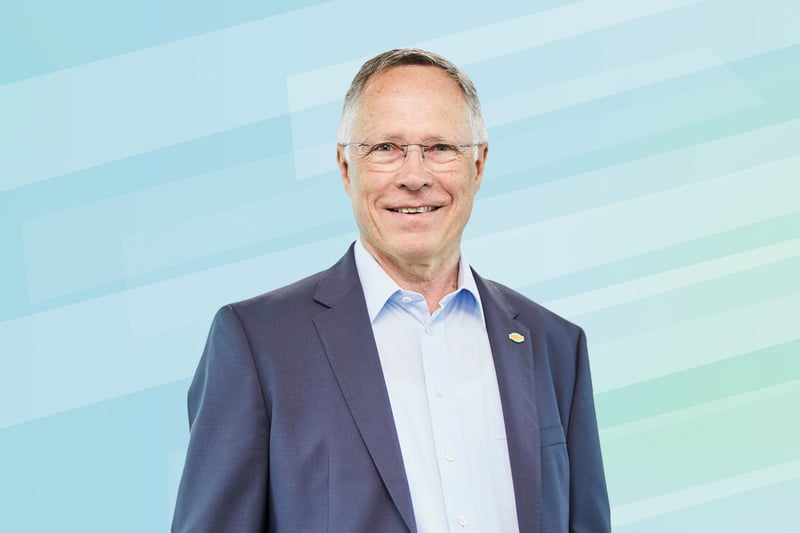
The 2023 iteration of the forum, held from June 14-17, saw a notable decrease in Western participation. While official figures from the Russian government often present a rosier picture, independent analyses and media reports indicated a reduced presence of high-profile international business leaders compared to pre-invasion years. Bruch’s decision to attend this year’s forum therefore stands out as a deliberate choice to maintain a presence and potentially influence ongoing business relationships.
Globus’s Russian Operations: A Significant Stake
Globus’s commitment to the Russian market represents a substantial financial and operational undertaking. The company’s 20 hypermarkets are significant employers and retail players within the Russian Federation. Their business model in Russia has increasingly focused on local sourcing, a strategy that has allowed them to navigate some of the supply chain disruptions caused by international sanctions. This local integration, however, also places the company in a sensitive position, requiring careful management of relationships with both Russian authorities and international stakeholders.
The company’s statement that Bruch’s participation is for "the maintenance of economic contacts and exchange with representatives from business and institutions" suggests a pragmatic approach. In a climate where many Western companies have exited Russia, those that remain, or whose ownership structures allow for continued operation, face the dilemma of how to operate ethically and effectively. For family-owned businesses like Globus, the decision-making process can be influenced by long-term legacy, familial responsibilities, and a desire to protect existing investments and employee livelihoods.
Geopolitical Implications and Reactions
Bruch’s attendance is likely to elicit varied responses. From a purely business perspective, maintaining dialogue channels can be seen as a strategic imperative for companies with significant assets and operations in Russia. It allows for understanding the evolving economic landscape, potential regulatory changes, and the broader business climate. Furthermore, some argue that economic engagement, even in difficult times, can foster understanding and potentially contribute to more stable long-term relations.

However, the move also carries considerable political weight. In Germany and across the European Union, there is broad consensus on the need to isolate Russia economically and politically due to its actions in Ukraine. Companies seen as actively engaging with the Russian regime, particularly at forums that are platforms for state-sponsored economic diplomacy, risk facing public scrutiny and criticism. The German government has consistently advocated for sanctions and has urged German companies to cease business activities in Russia where possible. While the government typically does not dictate specific business decisions of private companies, it sets a clear political direction.
It is plausible that Bruch’s decision has been met with concern, if not outright disapproval, from certain political circles in Germany. The narrative of maintaining "dialogue" can be perceived by critics as legitimizing the current Russian regime and its policies, especially given the human rights and international law violations associated with the war in Ukraine. The presence of a prominent German business leader at such a forum could be interpreted by Moscow as a sign of continued Western business interest, potentially undermining the impact of sanctions and diplomatic isolation.

The Broader Trend: Navigating the Russian Market
Thomas Bruch’s situation is emblematic of a wider challenge faced by businesses with lingering ties to Russia. Following the imposition of extensive sanctions by the US, EU, and UK, thousands of companies have divested or suspended operations in Russia. Major corporations like McDonald’s, IKEA, and numerous automotive manufacturers have either exited the market entirely or sold their Russian subsidiaries to local management, often under complex and sometimes opaque terms.
However, a segment of companies, particularly those in sectors less directly targeted by sanctions or those with strong local integration, have adopted different strategies. Some have continued to operate, albeit with significant adjustments. Others have sought to maintain a "light touch" presence, focusing on essential goods or services while minimizing public engagement. The Globus case falls into the category of companies with substantial, ongoing operations that are now navigating a delicate balancing act.
The decision to attend the SPIEF can be viewed as a strategic calculation aimed at protecting existing investments and employee welfare within Russia, while simultaneously attempting to manage reputational risks. The success of this strategy will depend on various factors, including the specific nature of Bruch’s engagements at the forum, the broader international response, and Globus’s ability to communicate its rationale effectively to stakeholders.
Conclusion: A Calculated Risk in a Complex Environment
Thomas Bruch’s participation in the St. Petersburg International Economic Forum is a significant development, underscoring the complex and often contradictory landscape of international business in the current geopolitical climate. For Globus and its shareholder, it represents a calculated risk to maintain a foothold in the Russian market and engage in direct dialogue. The decision highlights the ongoing tension between economic pragmatism and political principles, a dilemma that many international businesses continue to grapple with as they navigate the evolving global order. The implications of this engagement, both for Globus and for the broader discourse on international business relations with Russia, will likely unfold in the coming months and years.
