

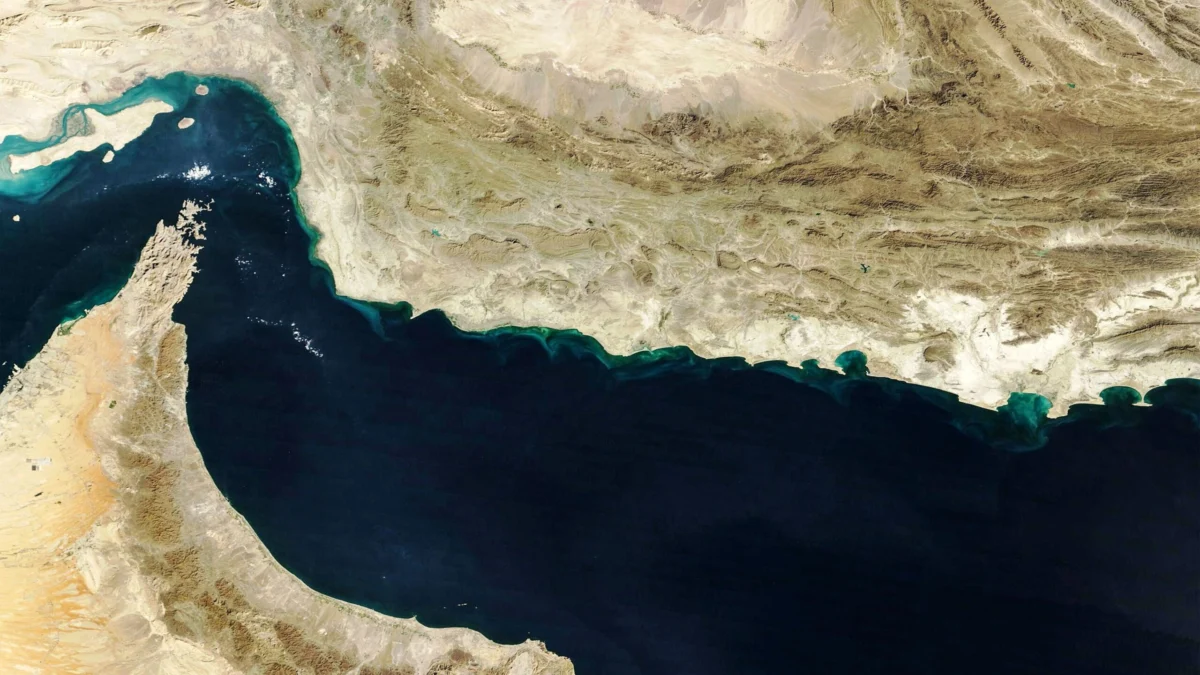
The US military has reportedly struck an oil tanker in the Gulf of Oman that was allegedly en route to an Iranian port. According to a statement from the US Central Command (Centcom), the unladen vessel violated the US blockade of Iranian ports. The incident, which occurred near the strategically vital Strait of Hormuz, has intensified concerns about escalating tensions in the region.
Background and Context
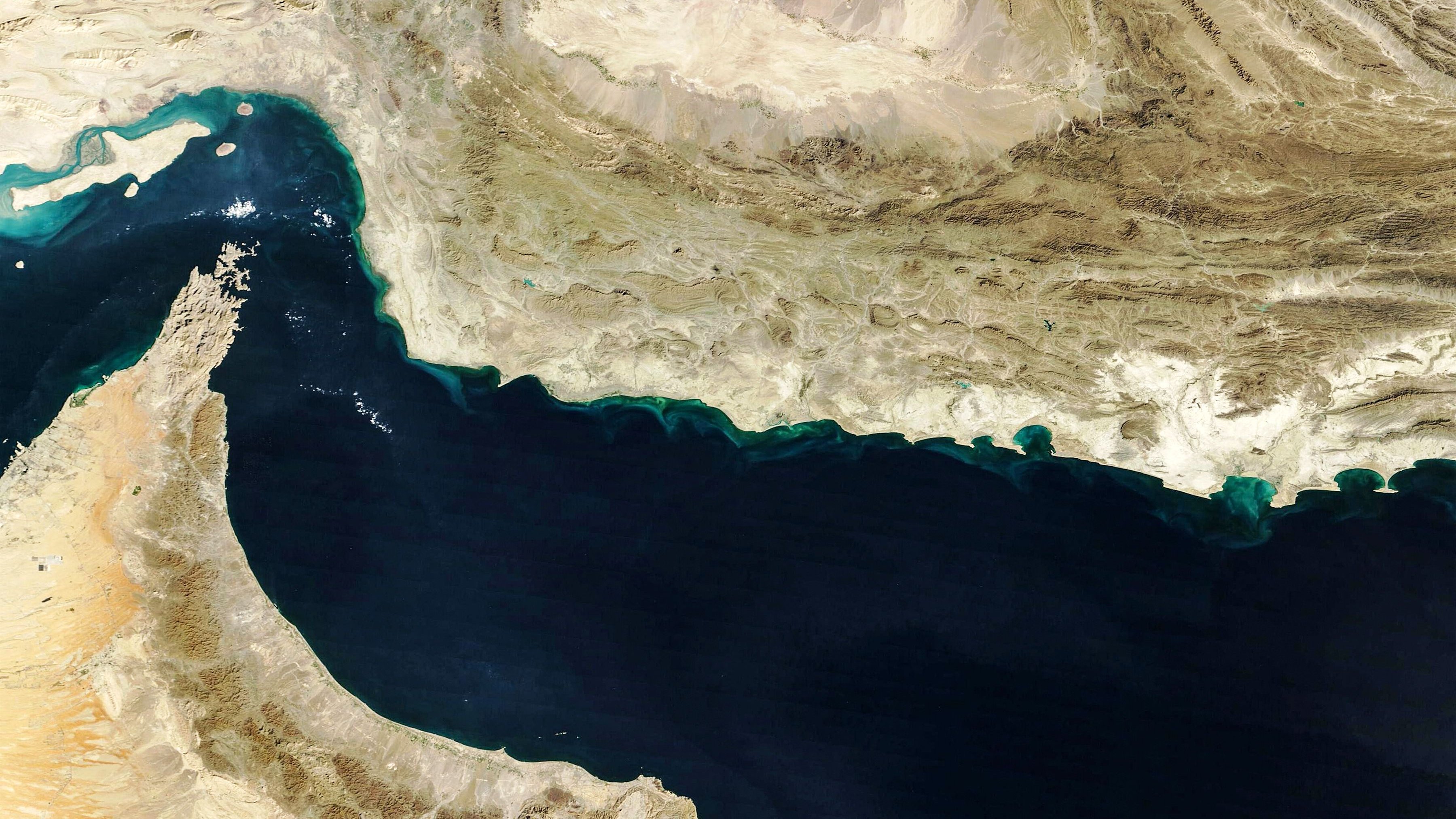
This event unfolds against a backdrop of heightened geopolitical friction between the United States and Iran, and their respective allies. The US has implemented a naval blockade of Iranian ports, a measure aimed at curbing Iran’s maritime trade and oil exports. This blockade is part of a broader strategy to exert pressure on Iran’s economy and influence its regional activities. The Strait of Hormuz, a narrow waterway through which a significant portion of the world’s oil supply transits, is a critical chokepoint in global energy markets. Any disruption or escalation of conflict in this area carries substantial economic and political ramifications.
The reported strike on the tanker, identified as the "MT Marivex" and sailing under the flag of Palau, occurred on June 9, 2026. The Indian Ministry of Shipping confirmed that the tanker, carrying 24 Indian sailors, caught fire. Fortunately, initial reports indicated that all Indian crew members were safe. The US Centcom stated that its forces targeted the ship’s engine and steering rooms after the crew failed to comply with instructions. The tanker was rendered inoperable.
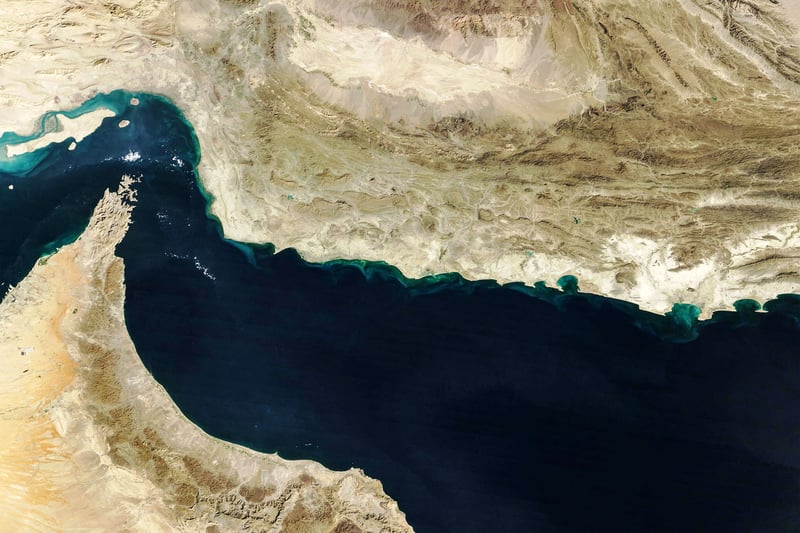
This incident is the latest in a series of maritime confrontations and escalating rhetoric between the US and Iran. For months, the region has been on edge, with both sides engaging in actions that have raised fears of a wider conflict. The US has been increasing its naval presence in the Persian Gulf and the Gulf of Oman, ostensibly to ensure freedom of navigation and deter Iranian aggression. Iran, in turn, has conducted naval exercises and issued warnings against what it perceives as hostile actions by the US and its allies.
Timeline of Escalation
The events of June 9, 2026, are part of a larger, ongoing pattern of escalation:
- April 2026: The US officially implements a blockade of Iranian ports, citing Iran’s alleged support for regional destabilization and its continued pursuit of nuclear capabilities. This move is met with strong condemnation from Iran and its allies.
- May 2026: Several maritime incidents are reported in the Persian Gulf and the Gulf of Oman, including alleged sabotage of shipping vessels and naval skirmishes. The US blames Iran for these incidents, while Tehran denies involvement or accuses the US of provocations.
- June 8, 2026: The Lebanese Hezbollah militia, a close ally of Iran, fires rockets at Israeli soldiers in southern Lebanon. In response, the Israeli military attacks targets in the southern suburbs of Beirut, a stronghold of Hezbollah.
- June 9, 2026 (Early Morning): Iran launches a barrage of missiles and drones at Israel. Iran’s military leadership declares the operation aimed at supporting Lebanon and warns of further, more severe measures if Israeli actions continue.
- June 9, 2026 (Daytime):
- The US military strikes the tanker "MT Marivex" in the Gulf of Oman.
- The Indian Ministry of Shipping reports the fire on the tanker.
- Iran’s civil aviation authority initially imposes flight restrictions, later lifting them.
- The US Central Command confirms its action against the tanker.
- Reports emerge of Israel considering a pause in its offensive operations against Iran, partly due to a request from US President Donald Trump.
- The Iranian UN Ambassador expresses hope for a US-Iran agreement by the end of June.
- The Lebanese President offers talks with Israel regarding a non-aggression pact.
- June 9, 2026 (Evening):
- Iran declares its missile and drone attacks on Israel concluded.
- Israel reportedly signals an intent to halt its attacks on Iran, while vowing to continue operations against Hezbollah.
- The EU announces expanded sanctions against Iran related to the blockade of the Strait of Hormuz.
Official Responses and Statements
The US Central Command’s statement regarding the tanker strike emphasized the violation of the blockade: "The vessel was targeted after failing to heed US directives, and has been rendered inoperable. This action is consistent with our ongoing efforts to enforce sanctions and ensure maritime security in the region."
The Indian Ministry of Shipping, while confirming the fire, focused on the safety of its citizens: "We are relieved to report that all 24 Indian sailors aboard the MT Marivex are safe. Our immediate priority is their well-being, and we are coordinating with relevant authorities to ensure their support."
Iran’s reaction to the tanker incident was immediate and strong. An unnamed Iranian official stated, "This act of aggression by the United States in international waters is unacceptable and a clear violation of maritime law. It further demonstrates the US’s hostile intent and its role in escalating tensions." Tehran has consistently condemned the US naval blockade as an act of economic warfare.
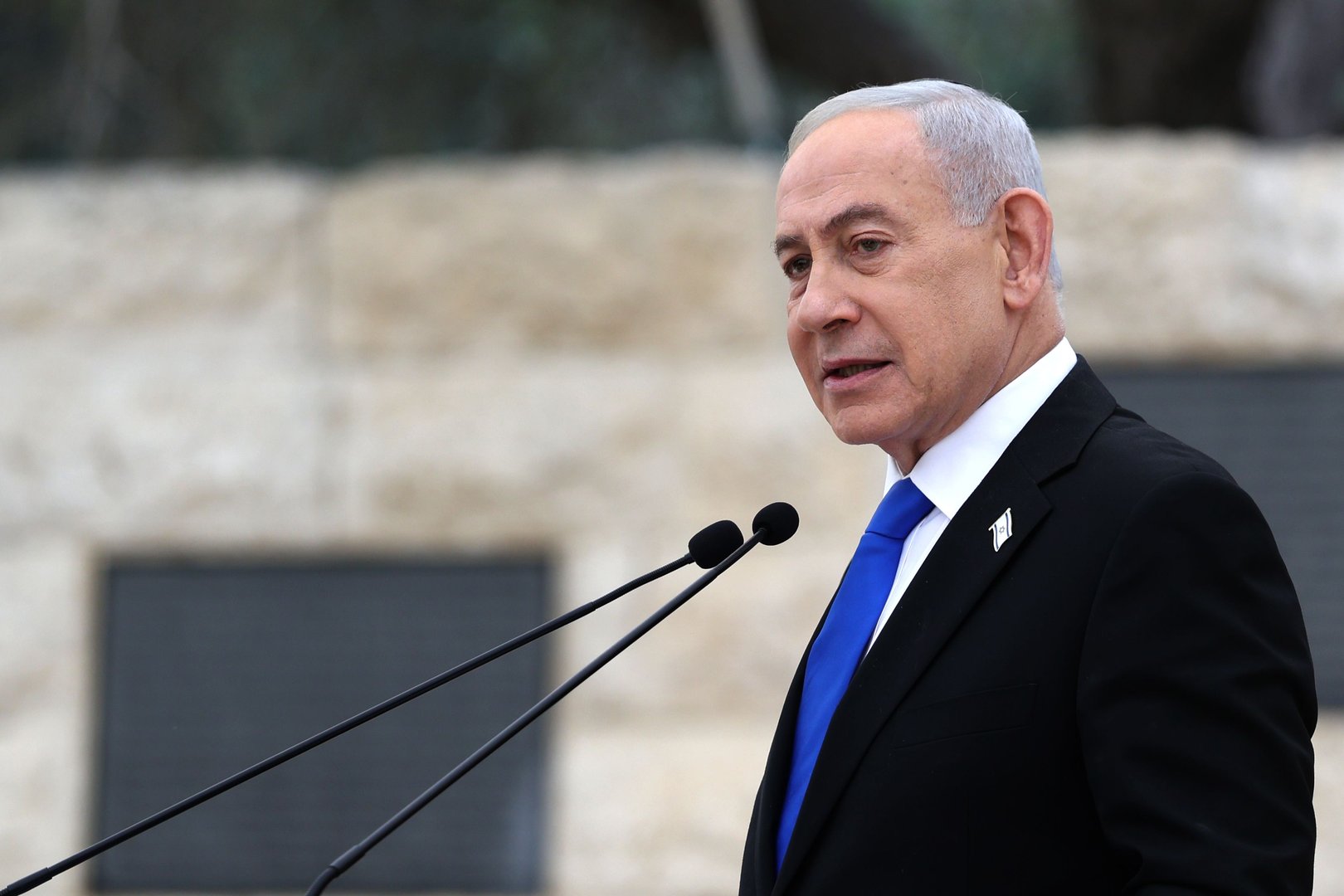
In a broader context, US President Donald Trump’s warning to Israeli Prime Minister Benjamin Netanyahu, cited by the Axios news portal, highlighted potential US recalibration of its support: "I told Bibi, you better be careful, or you’ll be all by yourself very soon." This suggests a US desire to avoid a direct military confrontation with Iran, potentially urging its allies to exercise restraint.

The Iranian UN Ambassador, Amir Saeid Iravani, articulated Iran’s diplomatic efforts: "We are engaged in constructive dialogue with the United States, mediated by Pakistan, to de-escalate tensions. We hope for a comprehensive agreement by the end of June that ensures regional stability."
Broader Impact and Implications
The strike on the tanker and the preceding missile exchanges underscore the precarious state of security in the Middle East. The region is a vital artery for global energy, and any prolonged conflict could have severe repercussions for international markets.

- Energy Markets: A disruption in the Strait of Hormuz could lead to a significant spike in oil prices, impacting global inflation and economic growth. The incident serves as a stark reminder of the vulnerability of global energy supply chains.
- Regional Stability: The ongoing escalation risks drawing regional powers into a wider conflict. The entanglement of various proxy groups and the involvement of major global powers create a complex and volatile geopolitical landscape.
- International Law and Maritime Security: The US action raises questions about the application of international law in times of heightened geopolitical tension, particularly concerning naval blockades and military operations in international waters. The incident could prompt further debate on maritime security protocols and the rights of neutral shipping.
- Diplomatic Efforts: Despite the military actions, diplomatic channels remain open, as evidenced by the statements from the Iranian UN Ambassador and reports of US-Israeli communications. The coming weeks will be critical in determining whether these efforts can de-escalate the situation or if the region is heading towards further conflict.
The involvement of 24 Indian sailors on the struck tanker also highlights the potential for such regional conflicts to have a global impact, affecting the citizens of numerous nations. India, a major energy consumer, has a vested interest in the stability of the Persian Gulf and the safety of its seafarers.
The declaration by Iran that its attacks were concluded, and Israel’s apparent intention to pause its offensive against Iran, offer a glimmer of hope for de-escalation. However, the ongoing clashes between Israel and Hezbollah in Lebanon, and the US military’s actions against vessels suspected of violating sanctions, indicate that the underlying tensions remain extremely high. The coming days will be crucial in observing whether this fragile calm can hold or if the region is poised for further dangerous confrontations. The strategic importance of the Strait of Hormuz means that any sustained instability there will continue to be a significant concern for the global economy and international relations.
