

AUBURN HILLS, Mich. – Stellantis, the multinational automotive giant, has unveiled an aggressive strategy to significantly boost its North American sales by 35% by the end of the decade, aiming for 1.9 million units sold annually by 2030, up from 1.4 million last year. This ambitious plan, presented during a recent investor event, hinges on the revitalization of its long-beleaguered Chrysler brand and substantial expansions across its core American marques: Ram Trucks, Dodge, and Jeep. The growth initiative is part of a broader five-year, 60 billion euro ($69.7 billion) turnaround plan orchestrated under the leadership of CEO Antonio Filosa, signaling a renewed focus on market share and profitability in a competitive landscape.
A Bold Vision for North American Dominance
The roadmap for this substantial increase in sales volume is multifaceted, targeting specific growth rates for each brand. Chrysler, which has for years relied on a single product—the Pacifica minivan—is earmarked for an impressive 60% sales surge. Ram Trucks, a consistent powerhouse in the profitable pickup segment, is also expected to achieve a 60% increase. Dodge, known for its performance vehicles, targets a 10% rise, while the globally recognized Jeep brand anticipates a 15% bump in sales. Targets for Stellantis’s less dominant North American brands, Fiat and Alfa Romeo, were not disclosed, underscoring the strategic emphasis on its traditional U.S. portfolio.
Ram CEO Tim Kuniskis, who also holds the reins for Stellantis’s other American brands, articulated the company’s confidence in this growth trajectory, even as the overall industry volume is projected to remain flat at approximately 20 million vehicles during the same period. "We’re not choosing between growth and profitability. We will improve both together," Filosa stated, emphasizing a holistic approach to the company’s North American operations. This perspective suggests a belief that carefully curated product introductions and market segmentation can yield both increased volume and enhanced financial performance.
Strategic Product Offensive: Expanding Market Coverage
Central to Stellantis’s strategy is a significant expansion of its vehicle offerings, with plans to increase the number of models available in North America by 50%. This expansion is deliberately focused on two critical "bookends" of the market: entry-level, affordable vehicles and high-performance, premium models. By 2030, the automaker intends to grow its lineup of "affordable" vehicles priced under $40,000 from just two models currently to a robust nine. Simultaneously, Stellantis is preparing to launch eight new SRT performance models, projecting a staggering increase in sales for this segment from 3,000 units last year to approximately 50,000.
Chrysler’s Renaissance: From Minivan to Multi-Segment Contender
The planned revival of the Chrysler brand is perhaps the most striking element of the strategy. After years of dwindling relevance and a product lineup limited solely to the Pacifica minivan, Kuniskis detailed plans for three new crossovers for the brand. Crucially, some of these new models are slated to be priced under $30,000, aiming to re-establish Chrysler as a viable option in the highly competitive entry-level and mainstream crossover segments. This move is designed to attract a broader demographic and rebuild the brand’s presence in showrooms, offering consumers a range of choices that leverage Chrysler’s storied heritage while meeting contemporary market demands for versatile and efficient family vehicles. The successful execution of this plan could fundamentally alter public perception of Chrysler, moving it from a niche player to a significant competitor.
Ram’s Muscle Expansion: New Trucks and Performance Prowess

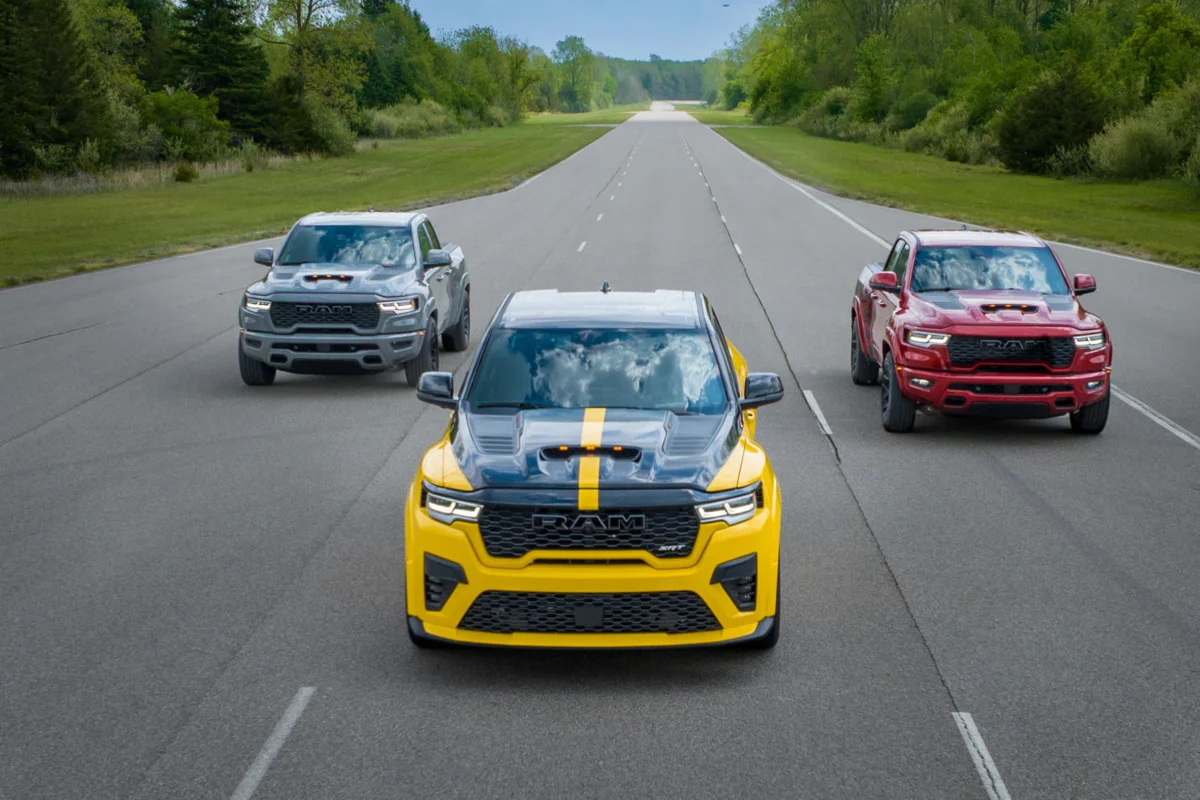
Ram Trucks is set to bolster its already formidable presence with a new midsize pickup and a large SUV. These additions signify Ram’s intent to capture market share in segments where it currently has limited or no offerings, capitalizing on the enduring popularity of utility vehicles. Complementing this expansion, Kuniskis recently previewed a new lineup of Ram Rumble Bee "muscle trucks." These performance-oriented pickups, featuring V-8 engines, specialized parts, and distinctive designs, are designed to cater to enthusiasts seeking both utility and high-octane performance.
The Rumble Bee lineup will roll out chronologically, starting with the 5.7-liter Hemi V-8 variant in late 2026. This will be followed in the first half of 2027 by the Rumble Bee 392 and the flagship Rumble Bee SRT. The top-tier SRT Hellcat model, equipped with a 6.2-liter supercharged Hemi V-8 engine, promises an astounding 777 horsepower and a targeted top speed of 170 mph. Such specifications rival those of dedicated sports cars, positioning the Rumble Bee SRT as a halo product that not only pushes the boundaries of pickup truck performance but also elevates the entire Ram brand image. This strategy aligns with a growing trend in the truck market where consumers are increasingly seeking premium, high-performance, and specialized variants.
Dodge and Jeep: Refining and Expanding Established Strengths
Dodge, while targeting a more modest 10% sales increase, is not being left out of the product offensive. A new crossover is planned for the brand, indicating a diversification beyond its traditional muscle car and SUV offerings (like the Durango). This move could allow Dodge to tap into broader consumer segments while retaining its performance-oriented identity. For Jeep, a brand synonymous with off-road capability and adventure, the strategy involves refreshed models for its extensive lineup. Given Jeep’s strong market position and global recognition, continuous updates are crucial to maintain its competitive edge and appeal to its loyal customer base, particularly in the ever-evolving SUV and off-road vehicle markets.
The "Halo" Effect: SRT’s Role in Brand Building and Profitability
The emphasis on eight new SRT performance models is a key component of Stellantis’s brand-building and profitability strategy. Kuniskis highlighted the immense value of "halo" vehicles like those under the SRT banner. These iconic products, characterized by unique design, high-performance parts, and an emotional appeal, are instrumental in attracting attention to a car nameplate or an entire brand. "The SRT products are the essence of ‘halo’ and brand building," Kuniskis explained. "These models don’t just elevate the whole brand, they draw a younger and more affluent customer."
Beyond their marketing prowess, SRT vehicles offer significant financial advantages. Kuniskis revealed that profits from SRT models, which often share many non-performance parts with their standard counterparts, are approximately three times higher than those of a regular vehicle. This superior profitability makes the expansion of the SRT lineup a compelling business case, allowing Stellantis to generate substantial margins while simultaneously enhancing its brand image and attracting a desirable customer demographic. The planned increase from 3,000 to 50,000 SRT unit sales underscores the confidence in both market demand and the financial viability of this high-performance niche.
Financial Targets and Broader Implications
The ambitious North American sales plan is projected to yield a 25% increase in regional revenue by 2030, coupled with an adjusted operating margin targeted between 8% and 10%. These financial metrics are critical indicators of the strategy’s success, demonstrating a commitment to not just volume growth but also enhanced operational efficiency and shareholder value. Achieving these targets in a market projected to remain flat suggests Stellantis anticipates gaining significant market share from competitors.
The implications of Stellantis’s strategy are far-reaching. For consumers, it promises a wider array of choices, from more affordable entry-level vehicles to thrilling high-performance machines. For the dealer network, the increased model count and diversified product portfolio offer new opportunities for sales and service. From a competitive standpoint, this aggressive move positions Stellantis to challenge rivals like Ford and General Motors more directly in key segments, particularly with the revitalized Chrysler and expanded Ram offerings. The success of this turnaround plan will depend not only on the introduction of compelling new products but also on effective marketing, robust manufacturing, and a resilient supply chain capable of supporting such significant growth. Stellantis is clearly betting big on its American brands to drive its future in one of the world’s most lucrative automotive markets.
