

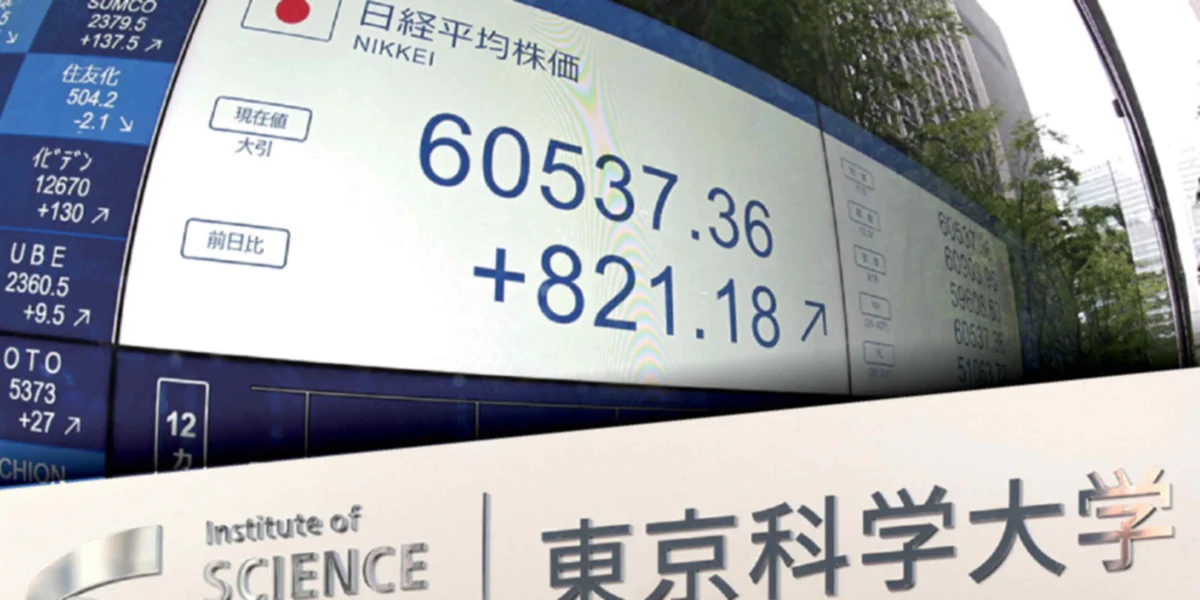
TOKYO — The Institute of Science Tokyo is charting a conservative course for its newly established endowment fund, prioritizing a balanced allocation between domestic and foreign stocks and bonds, and deliberately sidestepping the burgeoning private credit market. The institution has set an ambitious target of achieving a 5% annual return, with plans to grow the fund to ¥500 billion ($3.18 billion) in assets under management over time. This strategic decision reflects a cautious sentiment towards the perceived volatilities and complexities associated with private credit, particularly in the current economic climate.
The Institute of Science Tokyo, a prominent research institution dedicated to advancing scientific knowledge and fostering innovation, is embarking on a significant step in its financial management with the creation of this endowment. Endowments are crucial for academic and research institutions, providing a stable stream of income to support operations, fund research projects, and offer scholarships. The establishment of a dedicated endowment fund signifies a commitment to long-term financial sustainability and the ability to pursue ambitious, forward-looking initiatives.
Strategic Allocation: A Foundation in Traditional Assets
At the core of the Institute’s endowment strategy is a deliberate and evenly split portfolio allocation. The fund will divide its investments equally between domestic and international equities and fixed-income securities. This diversified approach aims to mitigate risk by spreading investments across different asset classes, geographies, and market conditions.
Domestic Stocks and Bonds: The allocation to Japanese equities and government and corporate bonds will provide exposure to the nation’s economic growth and stability. Japanese markets, while sometimes perceived as less volatile than global counterparts, offer opportunities for steady returns and can be a significant diversifier. The Nikkei 225, for instance, has shown periods of resilience and growth, and the Japanese government bond market, while offering lower yields, is considered a safe-haven asset.
Foreign Stocks and Bonds: Conversely, the inclusion of international equities and bonds will grant the endowment access to global growth engines and a broader spectrum of investment opportunities. This diversification is critical for capturing returns from markets that may be experiencing different economic cycles or offering higher growth potential. The performance of major global indices such as the S&P 500, the Dow Jones Industrial Average, or European benchmarks will be closely monitored. Similarly, a diversified portfolio of international sovereign and corporate bonds will offer yield enhancement and risk reduction.
The decision to maintain a 50/50 split between domestic and foreign assets is a key element of the Institute’s risk management framework. It aims to balance the potential for higher returns from international markets with the stability and familiarity of the domestic Japanese market. This balanced approach is a testament to a strategy that prioritizes capital preservation while still seeking to generate meaningful returns.
The Private Credit Conundrum: A Deliberate Omission
The Institute’s explicit decision to steer clear of private credit is a notable aspect of its endowment strategy, particularly given the increasing prominence and perceived attractiveness of this asset class in recent years. Private credit, which includes direct lending, mezzanine debt, and distressed debt, has seen substantial growth as institutional investors seek higher yields and diversification beyond traditional public markets.
However, private credit also carries inherent risks that the Institute of Science Tokyo appears keen to avoid. These include:
- Illiquidity: Investments in private credit are typically illiquid, meaning they cannot be easily bought or sold. This can create challenges for managing cash flow and responding to market dislocations.
- Complexity and Opacity: The private credit market can be less transparent than public markets, with less standardized reporting and valuation practices. This can make due diligence and ongoing monitoring more demanding.
- Credit Risk: While often offering higher yields, private credit investments can carry significant credit risk, especially if borrowers are highly leveraged or operating in challenging economic environments.
- Valuation Challenges: Accurately valuing private credit instruments can be difficult, especially in periods of market volatility or economic uncertainty, leading to potential discrepancies between reported and actual values.
The Institute’s stance suggests a preference for assets with greater liquidity and established valuation methodologies, especially as it builds its endowment from the ground up. The aim to achieve a 5% annual return, while respectable, is likely seen as attainable through a well-managed traditional portfolio, without the added complexities and potential risks associated with private credit.
The Road to ¥500 Billion: A Long-Term Vision
The target of ¥500 billion ($3.18 billion) in assets under management signifies a substantial commitment and a long-term perspective. Achieving this scale will likely involve a combination of initial capital contributions, reinvested returns, and potentially further fundraising efforts. The timeline for reaching this goal is not explicitly stated, but the phrase "eventually reach" suggests a multi-year or even multi-decade horizon.
The growth of an endowment is crucial for its ability to fulfill its mission. A larger endowment can support a greater volume of research, attract more top-tier talent, and provide more extensive financial aid to students. It also enhances the institution’s financial resilience, enabling it to weather economic downturns and continue its work uninterrupted.
The 5% annual return target, when applied to a growing corpus, becomes a powerful engine for wealth creation. For example, a ¥100 billion endowment achieving a 5% return would generate ¥5 billion in annual income. As the endowment grows to ¥500 billion, a 5% return would yield ¥25 billion annually, a significant sum that can profoundly impact the Institute’s research capabilities and operational capacity.
Context: The Evolving Landscape of Institutional Investing
The Institute of Science Tokyo’s decision is taking place within a broader context of evolving institutional investor strategies. For years, many endowments, particularly in the United States, have embraced alternative investments, including private equity, hedge funds, and private credit, seeking to boost returns in a low-interest-rate environment. This trend has been driven by the perception that traditional stocks and bonds alone may not be sufficient to meet ambitious return targets.
However, recent years have seen increased scrutiny of these alternative investments due to their illiquidity, high fees, and performance that has not always lived up to expectations. The current economic climate, marked by rising inflation, interest rate hikes, and geopolitical uncertainties, has further amplified these concerns. Many investors are reassessing their allocations, with some showing a renewed interest in the relative stability and transparency of traditional asset classes.
The Institute’s conservative approach can be seen as a strategic response to these evolving market dynamics. By focusing on established asset classes with well-understood risk profiles, the Institute is prioritizing a foundation of stability and predictability for its endowment. This may also reflect a specific institutional philosophy that values robust governance and transparent reporting, which are often more readily available in public markets.
Potential Implications and Future Considerations
The Institute of Science Tokyo’s strategic choice has several potential implications:
- Risk Mitigation: The primary implication is a strong emphasis on risk mitigation. By avoiding the more complex and illiquid private credit market, the Institute is likely to experience lower volatility in its endowment’s value. This can be particularly important for an institution whose core mission is research and education, where stability is paramount.
- Focus on Execution: With a focus on traditional assets, the success of the endowment will heavily depend on the skill and expertise of the investment managers in selecting individual stocks, bonds, and managing portfolio duration and credit exposure. The Institute will need to ensure it has robust internal oversight or partners with highly capable external managers.
- Opportunity Cost: The deliberate exclusion of private credit means the Institute might forgo potential higher returns that could have been achieved in that market, especially during periods when private credit has outperformed public markets. However, this is a trade-off for reduced complexity and risk.
- Flexibility for the Future: While the current strategy eschews private credit, the endowment framework could evolve. As the fund grows and the market landscape shifts, the Institute may reconsider its stance. However, the initial decision sets a clear precedent for a disciplined and risk-aware approach.
As the Institute of Science Tokyo embarks on this significant financial undertaking, its commitment to a diversified portfolio of traditional assets underscores a measured and deliberate approach to endowment management. The focus on achieving a 5% annual return through stocks and bonds, while eschewing private credit, signals a clear priority on stability and predictability as it builds its long-term financial foundation. The success of this strategy will hinge on diligent execution, effective risk management, and a keen understanding of the global financial markets.
