

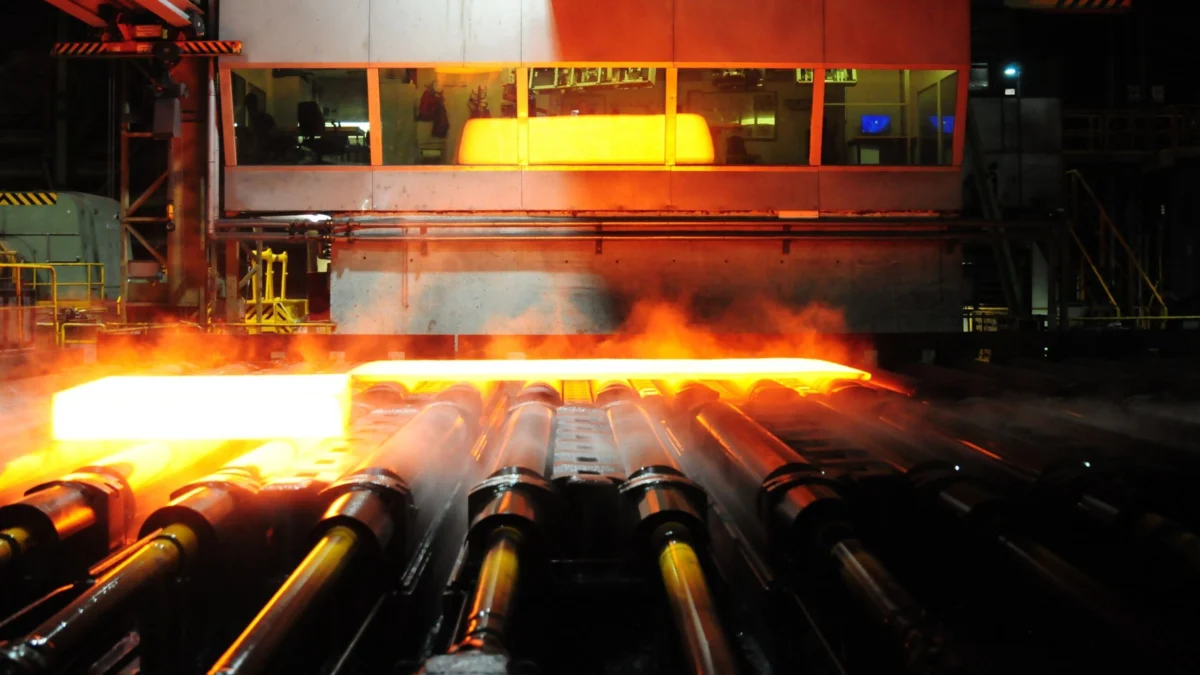
Brussels. In a significant move to bolster its domestic steel industry, the European Union has agreed to implement stricter import regulations, dramatically curtailing the volume of steel that can enter the bloc tariff-free. This decision, reached late Monday night between representatives of member states and the EU Parliament, signals a robust defense against what is perceived as increasingly competitive pricing from Asian manufacturers. The revised quotas aim to rebalance the market and protect European steel producers from the pressures of global overcapacity.

Background: The Mounting Pressure on European Steel
The European steel industry, a cornerstone of the continent’s manufacturing and industrial base, has been grappling with significant challenges for years. A primary driver of this pressure has been the surge in steel production and exports from Asian countries, notably China, India, and Turkey. These nations, often benefiting from lower production costs, state subsidies, and sometimes less stringent environmental regulations, have been able to offer steel at prices that European producers find difficult to match. This has led to concerns about the long-term viability of European steelmaking, with potential repercussions for related industries such as automotive, construction, and heavy machinery.
Overcapacity has become a chronic issue in the global steel market. While global demand fluctuates, production capacity, particularly in major Asian economies, has often outpaced it. This imbalance forces producers to seek export markets, intensifying competition in regions like the EU. The EU’s trade defense instruments, including anti-dumping and anti-subsidy measures, have been employed, but the scale of imports has continued to pose a threat.
Key Provisions of the New Regulations
The newly agreed-upon rules establish a stringent annual quota for duty-free steel imports into the EU, set at 18.3 million tons. This represents a substantial reduction of approximately 47% compared to previous import levels. For any steel imports exceeding this quota, a punitive tariff of 50% will be levied. This represents a doubling of the current tariff rate, significantly increasing the cost for importers and making non-EU steel less attractive in the European market.
A critical aspect of the agreement is the allocation of these duty-free quotas among third countries. The EU has detailed which portion of the quota will be designated for each exporting nation. This granular approach aims to prevent a situation where one country’s reduced exports are simply replaced by another’s, thereby ensuring a more controlled and equitable distribution of import allowances. The agreement also aims to ensure flexibility within the system, allowing for the transfer of unused quarterly import quotas to subsequent quarters. This provision is intended to mitigate potential disruptions to supply chains that might arise from sudden spikes in demand or unforeseen logistical challenges.
Timeline of the Decision-Making Process
The journey to these new regulations has been a protracted one, reflecting the complex interests involved and the sensitivity of the issue. Discussions have been ongoing for several months, with various stakeholders, including industry associations, environmental groups, and national governments, presenting their cases.
- Early 2025: Initial proposals for reform of the EU’s steel import regime began to circulate, driven by persistent concerns over market access and unfair competition.
- Mid-2025: The European Commission presented a formal proposal to member states and the European Parliament, outlining the rationale and specifics of the proposed changes to import quotas and tariffs.
- Late 2025: Intensive negotiations commenced between the European Council (representing member states) and the European Parliament. Debates focused on the precise levels of the quotas, the tariff rates, and the allocation mechanisms. Concerns were raised by some about the potential impact on downstream industries that rely on imported steel.
- Early 2026 (specifically, leading up to April 14th): The final round of negotiations culminated in a breakthrough agreement. The intensive discussions leading to the agreement highlight the urgency felt by policymakers to address the challenges facing the European steel sector.
- April 14, 2026: The agreement was formally announced, detailing the new import rules that will come into effect after the current regulation expires on June 30, 2026.
Industry Reactions and Perspectives
The announcement of the stricter import rules has been met with a mix of relief and cautious optimism from the European steel industry. Producers have long advocated for stronger trade protection measures to level the playing field.

"This is a crucial step forward for the European steel industry," stated a spokesperson for EUROFER, the European Steel Association. "For too long, our sector has been struggling against the tide of unfairly priced imports. These new regulations provide much-needed breathing room and allow us to invest in the future, particularly in green steel production, with greater confidence."
However, some downstream industries have expressed reservations. Representatives from sectors heavily reliant on steel imports, such as certain segments of the automotive and construction industries, have voiced concerns about potential price increases and supply chain disruptions.

"While we understand the need to support our domestic steel producers, we must also consider the impact on sectors that are already facing immense cost pressures," commented a representative from a major European manufacturing lobby group. "We hope that the new quotas are managed efficiently and that there are adequate safeguards to prevent significant price hikes for essential steel components."
Data and Market Implications
The impact of these new regulations can be analyzed through several key data points:

- Reduced Import Volume: The cut in duty-free imports by nearly half signifies a substantial shift in the European steel market. This will likely lead to a greater reliance on domestically produced steel, provided European producers can meet the demand.
- Increased Tariffs: The doubling of the punitive tariff rate to 50% will significantly deter imports exceeding the quota. This measure is designed to make non-EU steel uncompetitive in the European market when it falls outside the quota.
- Global Steel Market Dynamics: The EU is a major global steel consumer. Changes in its import policies can have ripple effects across the international steel market, potentially influencing trade flows and pricing in other regions. Producers in countries that are significant exporters to the EU will need to reassess their strategies.
- Investment in Green Steel: The EU has been actively promoting the transition to "green steel" – steel produced with significantly lower carbon emissions. The increased protection for the domestic industry is intended to provide the financial stability needed for these substantial investments in new technologies and sustainable production methods. The success of this transition will be crucial for the long-term competitiveness and environmental sustainability of the European steel sector.
Broader Economic and Geopolitical Context
This decision is not made in a vacuum. It reflects a broader trend within the EU towards greater strategic autonomy and the protection of key industrial sectors. The COVID-19 pandemic and subsequent supply chain vulnerabilities highlighted the risks of over-reliance on external suppliers for critical goods. The steel industry, being fundamental to many manufacturing processes, falls squarely within this strategic concern.
Furthermore, the geopolitical landscape plays a role. Tensions with certain major steel-producing nations can influence trade policy decisions. The EU’s move can be seen as a proactive measure to secure its industrial base in an increasingly uncertain global environment.

The Path Forward: Formal Approval and Implementation
While the agreement has been reached, it still requires formal approval from the member states and the European Parliament. However, given the consensus achieved, this is widely considered a formality. Once approved, the new regulations will be implemented, replacing the existing measures that expire on June 30, 2026.
The effectiveness of these new rules will depend on several factors, including the ability of European steel producers to ramp up production and meet demand, the actual impact on prices for downstream industries, and the response of international trading partners. The EU will likely continue to monitor the market closely and may adjust its measures if unforeseen consequences arise.

The European Union’s decision to tighten its steel import regulations marks a significant moment for its industrial policy. By implementing stricter quotas and higher tariffs, the bloc aims to safeguard its domestic steel industry against fierce international competition, foster investment in sustainable production, and assert greater control over its strategic industrial supply chains. The coming months will be critical in observing how these new measures reshape the European steel market and its global interactions.
