

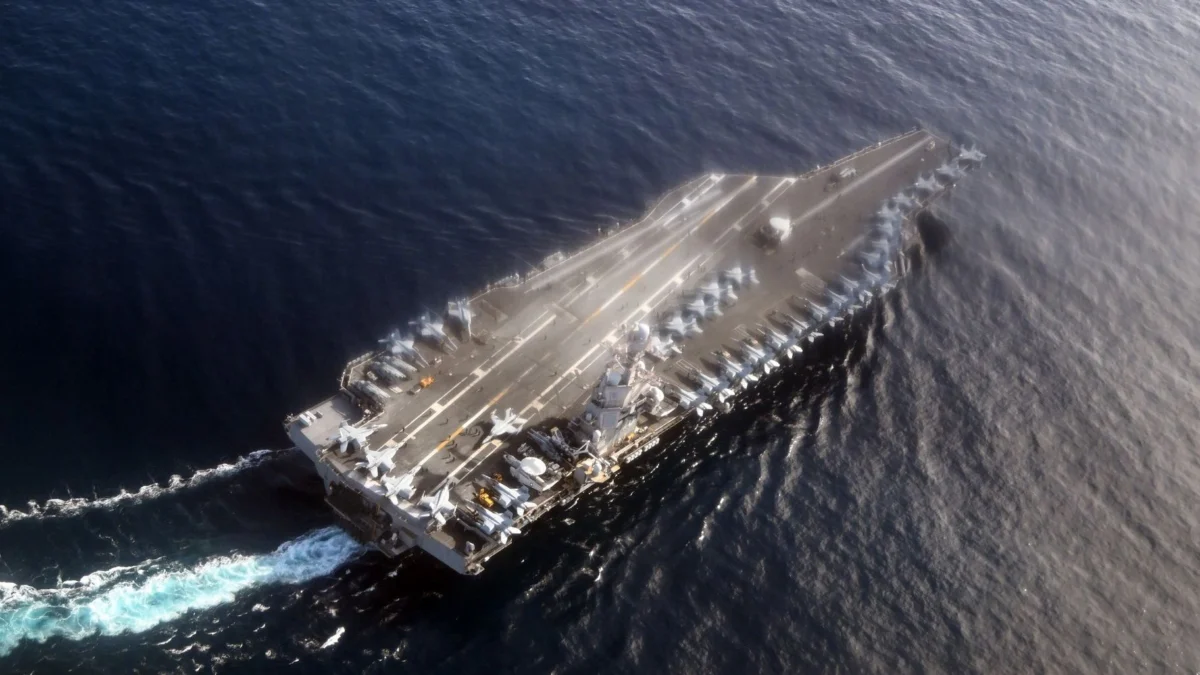
The escalating tensions in the Middle East have reached a critical juncture, with United States President Donald Trump issuing a stark demand for international cooperation to ensure the security of the vital Strait of Hormuz. Amidst a backdrop of increasing military posturing and the specter of wider conflict, Trump has called upon a coalition of nations to contribute naval assets to safeguard maritime passage through this crucial chokepoint. This plea underscores the growing concern over Iran’s assertive actions and the potential for a significant disruption to global energy supplies.
The call for international naval involvement comes as the region grapples with a series of aggressive incidents, including drone and missile attacks, which have heightened anxieties across the globe. The Strait of Hormuz, a narrow waterway separating Iran from the Arabian Peninsula, is a critical artery for global commerce, particularly for oil and liquefied natural gas (LNG) shipments. Approximately one-fifth of the world’s total petroleum liquids supply transits through this maritime strait annually, making its security paramount to the stability of the global economy.
Background and Escalation of Tensions
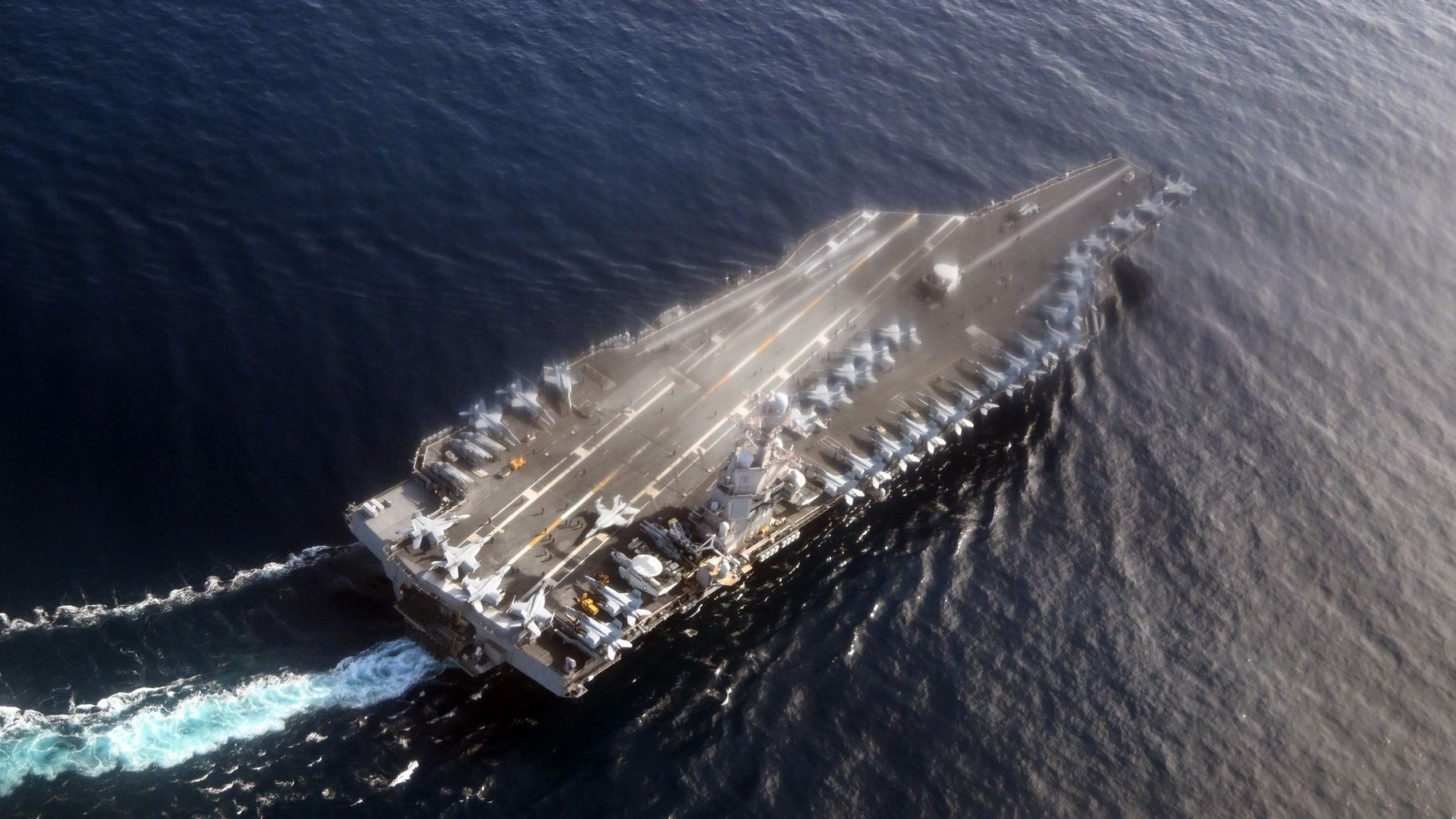
The current crisis has its roots in a complex geopolitical landscape marked by long-standing animosities and recent escalations. The United States, under President Trump, has adopted a policy of maximum pressure against Iran, aimed at curtailing its nuclear program and curbing its regional influence. This has involved a series of sanctions and increased military presence in the Persian Gulf. Iran, in response, has demonstrated its capacity to disrupt maritime traffic, raising fears of a broader conflict.
Recent weeks have seen a surge in reported incidents:
- March 2nd: A drone of Iranian origin struck a British military base on Cyprus, a move that significantly heightened tensions and prompted a review of regional security postures by Western allies.
- Subsequent days: Reports emerged of a substantial increase in Iranian missile and drone activity targeting various locations across the Middle East, including strikes on the US Embassy in Baghdad and industrial areas in Iran itself.
- March 15th: Local media reported at least 15 fatalities in an attack on the city of Isfahan in central Iran, with initial reports suggesting the target was an industrial zone. Both the Israeli military and US forces stated they had not targeted the area, leaving the attribution of the attack unclear.
- Ongoing: Reports indicate that Israel has been conducting extensive air operations, with Israeli forces claiming to have carried out approximately 400 waves of attacks against Iran in the first two weeks of the conflict, targeting missile launch facilities and air defense systems.
The economic implications of any prolonged disruption to shipping through the Strait of Hormuz are profound. Global oil prices have already shown volatility in response to the escalating tensions. A significant interruption could lead to sharp price increases, impacting consumers and businesses worldwide, and potentially triggering a global economic downturn.
Trump’s Diplomatic Maneuver: A Call for a Naval Coalition
President Trump’s public appeal for other nations to deploy warships to the Strait of Hormuz represents a strategic attempt to broaden the burden of maritime security and to project a united front against Iranian aggression. His statement, made on his social media platform Truth Social, explicitly named several key trading partners: "The countries of the world that get their oil through the Strait of Hormuz must take care of that passage, and we will help — VERY MUCH!" He continued, expressing hope that "China, France, Japan, South Korea, Great Britain, and others" would send ships.
This call is not entirely unprecedented. In the past, when maritime security in the region has been threatened, international naval patrols have been organized, often under the auspices of organizations like NATO or ad-hoc coalitions. However, the direct appeal by President Trump, naming specific countries, signifies a heightened sense of urgency and a desire for a more robust and immediate response.
The White House has, thus far, not commented on whether any of these nations have formally agreed to contribute naval assets. This lack of immediate confirmation suggests that the diplomatic process is likely in its early stages, and significant negotiations will be required to forge such a coalition.
International Reactions and Diplomatic Efforts
The response from the international community to Trump’s call is crucial. While many nations share concerns about the security of the Strait of Hormuz, their willingness to commit military resources can be influenced by a complex web of diplomatic, economic, and political considerations.
- European Nations: Countries like France and Great Britain have historically been active participants in regional security initiatives. Their involvement would signal a strong alignment with the US position and a commitment to upholding international maritime law. However, they may also seek to balance their commitment with efforts to de-escalate tensions and maintain diplomatic channels with Iran.
- Asian Nations: China and Japan, as major importers of oil from the Persian Gulf, have a direct economic stake in the stability of the Strait of Hormuz. Both nations have previously expressed concerns about the situation and have called for restraint from all parties. Their decision to contribute naval assets could depend on the perceived effectiveness of such a mission and their broader strategic interests in the region. Japan, in particular, has historically maintained a cautious approach to military deployments abroad.
- South Korea: Similar to Japan, South Korea is heavily reliant on energy imports from the Middle East and has a vested interest in ensuring the free flow of trade. Its participation would underscore the global nature of the concern.
Meanwhile, diplomatic efforts are reportedly underway, though with limited success thus far. Insiders have indicated that both the United States and Iran have rejected overtures from Middle Eastern nations seeking to mediate an end to the conflict. Oman and Egypt, in particular, have reportedly attempted to open communication channels, but both the US and Iran appear unwilling to engage in formal negotiations at this juncture.
The Turkish Foreign Minister, Hakan Fidan, has observed that while there is currently no serious initiative for a resumption of US-Iran negotiations, he believes Tehran may be open to discussions through unofficial channels. He noted that the Iranians feel "betrayed" due to what they perceive as attacks during ongoing nuclear program talks. However, he acknowledged that "the conditions are not very favorable" for diplomacy at present.
Iran’s Stance and Military Posture

Iran’s response to the heightened pressure has been to assert its defensive capabilities and to issue warnings against foreign intervention. The Iranian government has publicly stated its intention to deploy more potent weaponry, including ballistic missiles and rockets with greater destructive power and precision. This suggests a readiness to escalate its military posture if its energy infrastructure is targeted.
Furthermore, Iran has threatened to attack US companies in the region if its energy infrastructure comes under fire. This warning highlights the interconnectedness of the regional economy and the potential for a wider conflict that could have cascading effects.
The Iranian Foreign Ministry has also been actively involved in addressing concerns about missile launches, particularly regarding reports of missiles fired towards Turkey. Minister Fidan has stated that Turkey is examining discrepancies between Iranian statements and technical data concerning these launches, indicating a need for transparency and verification.
Impact on Global Trade and Energy Markets

The security of the Strait of Hormuz is intrinsically linked to the global energy market. Any significant disruption to shipping in this waterway can have immediate and far-reaching consequences:
- Oil Price Volatility: The price of crude oil is highly sensitive to geopolitical events in the Middle East. Increased tensions and threats to maritime passage have already led to price fluctuations. A sustained blockade or a series of attacks could trigger a sharp and potentially dramatic increase in oil prices, impacting transportation costs, manufacturing, and consumer spending worldwide.
- LNG Supply Concerns: The Strait of Hormuz is also a critical route for LNG exports. Disruptions here could affect the global supply of natural gas, with implications for energy-dependent economies, particularly in Asia.
- Supply Chain Disruptions: Beyond energy, a significant portion of global trade passes through the region. A prolonged conflict or blockade could lead to broader supply chain disruptions, impacting the availability and cost of various goods.
The Formel 1 cancellations of the Bahrain and Saudi Arabian Grand Prix underscore the perceived risk in the region. The decision by the FIA to remove these races from the calendar signals a serious assessment of the security situation by major international sporting organizations.
Broader Implications and Analysis
President Trump’s call for a coalition of warships is a calculated move aimed at achieving several objectives:

- Burden Sharing: It seeks to distribute the responsibility and cost of ensuring maritime security, preventing the US from bearing the sole burden.
- Deterrence: A visible multinational naval presence could serve as a deterrent to Iranian aggression and signal a unified international resolve.
- Diplomatic Leverage: The appeal aims to rally international support and potentially pressure Iran through a united diplomatic and military front.
However, the success of this initiative hinges on the willingness of other nations to participate. The response will likely reflect a delicate balancing act between national interests, existing alliances, and the desire to avoid further escalation. Some nations may be hesitant to directly confront Iran, preferring to focus on diplomatic solutions or to offer support in less direct ways.
The ongoing conflict also highlights the vulnerabilities of international maritime trade to regional instability. The reliance of global economies on key maritime arteries like the Strait of Hormuz underscores the need for sustained international cooperation to ensure their security.
The current situation also presents a challenge for countries that are both allies of the US and significant trading partners with Iran, such as China and India. Their decisions regarding participation in a naval coalition will be closely watched and will signal their strategic priorities in a complex geopolitical environment. India, for instance, has been advocating for the safe passage of its remaining ships in the Persian Gulf, while also receiving some concessions from Iran regarding passage through the Strait of Hormuz.
The conflict’s impact is also felt in unexpected arenas, such as international sports. The cancellation of the Bahrain and Saudi Arabian Formula 1 Grand Prix events illustrates the far-reaching implications of the escalating tensions in the Middle East.

The situation remains fluid, with daily developments shaping the geopolitical landscape. The effectiveness of President Trump’s call for international naval support, coupled with ongoing diplomatic efforts and Iran’s response, will be critical in determining the future trajectory of the conflict and its impact on global stability. The world watches closely as the Strait of Hormuz, a vital artery of global commerce, finds itself at the epicenter of a brewing geopolitical storm.
