

Amidst a global surge in the value and popularity of sports trading cards, American collectibles giant Topps is strategically positioning itself for a significant expansion into the Japanese market. This move comes at a time when the market for authenticated and graded sports memorabilia has reached unprecedented heights, driven by a confluence of factors including the rise of online marketplaces, increased collector engagement, and the astronomical valuations of cards featuring iconic athletes. The company’s foray into Japan is expected to capitalize on the country’s deep-rooted passion for baseball and its burgeoning collector base, potentially reshaping the landscape of sports collectibles within the region.
The Ohtani Phenomenon: A Catalyst for Market Growth
The ascent of Japanese baseball superstar Shohei Ohtani has undeniably played a pivotal role in amplifying global interest in baseball cards, and particularly those associated with him. Ohtani, a two-way phenom who excels as both a pitcher and a hitter, has captivated audiences worldwide, drawing comparisons to legendary figures like Babe Ruth. His unique skillset and magnetic personality have translated into a fervent collector demand for his memorabilia, with his trading cards becoming some of the most sought-after and valuable items in the market.
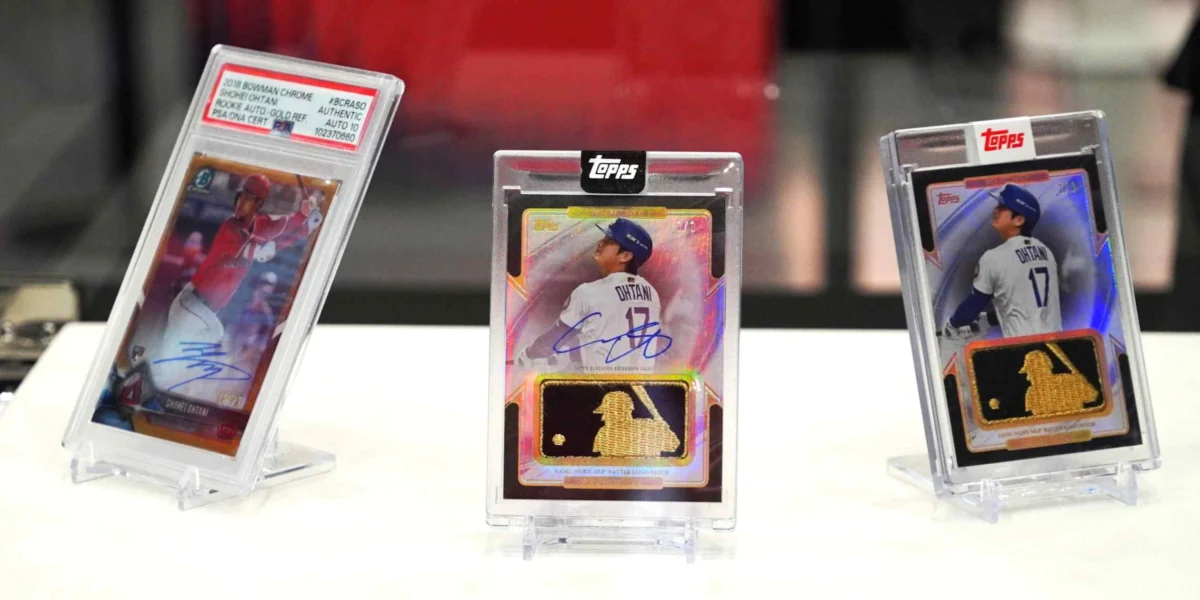
The image accompanying this report, showcasing a Topps Chrome Gold Logoman Autograph Card of Shohei Ohtani, highlights the extraordinary financial potential within this niche. This particular card, a rare gem featuring Ohtani’s autograph and a coveted "Logoman" patch, fetched an astonishing $3 million at auction in 2025. This single transaction serves as a powerful indicator of the astronomical values that can be achieved for premium, limited-edition sports cards. Such high-profile sales not only generate headlines but also attract new investors and collectors to the market, eager to participate in what is increasingly being viewed as a lucrative alternative asset class. The scarcity of these cards, combined with the global appeal of athletes like Ohtani, creates a potent recipe for significant market appreciation.
Topps’ Strategic Entry into Japan
Topps’ decision to expand into Japan is a calculated response to the burgeoning global demand for sports collectibles and the specific appeal of baseball within the Japanese cultural landscape. Japan has a long and storied history with baseball, a sport that enjoys immense popularity and a dedicated fanbase. The nation has produced numerous legendary players, and its professional baseball league, Nippon Professional Baseball (NPB), is highly regarded.
The company’s expansion is likely to involve a multi-faceted approach. This could include:
- Localized Product Offerings: Developing trading card sets specifically tailored to the Japanese market, featuring popular NPB teams and players alongside international stars. This would cater to local preferences and enhance collector engagement.
- Partnerships and Distribution: Establishing robust distribution networks and potentially forming strategic partnerships with Japanese companies to ensure widespread availability of Topps products.
- Digital Engagement: Leveraging digital platforms and social media to connect with Japanese collectors, offering online grading services, authentication, and e-commerce opportunities.
- Event Participation: Engaging with major sports and collectibles events in Japan, such as card shows and fan conventions, to build brand presence and connect directly with the collector community.
The timing of this expansion is particularly opportune. The global trading card market has experienced exponential growth in recent years. While the COVID-19 pandemic initially disrupted supply chains, it also inadvertently fueled interest in collectibles as people sought new hobbies and investment opportunities during lockdowns. This trend has persisted, with the market now more mature and driven by a combination of nostalgic collectors, new enthusiasts, and institutional investors.
A Timeline of the Trading Card Boom
The modern era of sports trading cards has witnessed several distinct phases of growth and evolution. While cards have been produced for over a century, the current boom is a relatively recent phenomenon, accelerated by technological advancements and shifting market dynamics.
Early 20th Century: The genesis of sports trading cards, often included as promotional items with products like tobacco and chewing gum. Early cards, though less sophisticated, are now highly prized by collectors for their historical significance and rarity.
Mid to Late 20th Century: The emergence of dedicated sports card companies like Topps, which began producing cards primarily focused on baseball. This era saw the establishment of iconic sets and the rise of legendary players whose cards became highly collectible.
Late 20th Century – Early 2000s: A period of sustained growth, with the hobby becoming more mainstream. The development of grading services like Professional Sports Authenticator (PSA) and Beckett Grading Services (BGS) introduced a new level of standardization and trust, leading to increased card valuations.
2010s – Present: The advent of the digital age and the proliferation of online marketplaces such as eBay, COMC, and specialized auction houses like Heritage Auctions and Goldin Auctions. These platforms democratized access to the market, allowing for global transactions and price discovery. This period also saw the rise of "flipping" as a speculative investment strategy.
2020-2022: An unprecedented surge in the trading card market, often referred to as the "sports card boom." This period was characterized by record-breaking sales, particularly for rare and autographed cards of high-profile athletes. Factors contributing to this surge included increased disposable income for some, a search for alternative investments, and a strong sense of nostalgia among older collectors. The market experienced some volatility, with a significant correction in late 2022, but the underlying demand for premium collectibles remains robust.
2023-2026: A period of recalibration and continued maturation. While the frenzied pace of the earlier boom has subsided, the market for high-end, authenticated, and graded cards has solidified. Athletes like Shohei Ohtani continue to drive significant interest, with their cards representing a benchmark for value. The focus has shifted towards rarity, condition, and historical significance. Topps’ strategic expansion into Japan in 2026 aligns with this ongoing trend, recognizing the global nature of the sports collectibles market.
Supporting Data: Market Valuations and Trends
The financial magnitude of the sports trading card market is substantial and continues to evolve. While precise, real-time global figures can be challenging to pinpoint due to the decentralized nature of the market, various reports and auction results provide a clear indication of its scale.
- Market Size Estimates: Industry analysts have estimated the global sports trading card market to be worth billions of dollars annually. Some projections indicated the market could reach upwards of $15-20 billion by the mid-2020s, though recent market corrections may have adjusted these figures.
- Record-Breaking Sales: Beyond the $3 million Ohtani card, numerous other sales have set new benchmarks. For instance, a 1952 Topps Mickey Mantle card in near-perfect condition has repeatedly broken its own record, with sales exceeding $12 million in recent years. These instances underscore the potential for extreme value in rare, vintage cards.
- Athlete-Specific Demand: The economic impact of individual athletes on the card market is profound. Shohei Ohtani, as previously highlighted, is a prime example. His cards consistently rank among the most traded and highest-valued. Other active athletes like Patrick Mahomes (NFL) and Luka Dončić (NBA) also command significant premiums for their rare cards.
- Growth of Grading and Authentication: The demand for professionally graded cards has surged. Services like PSA, BGS, and SGC have seen their submission volumes increase dramatically. The "gem mint" (9 or 10) grades, particularly for rare cards, are often the key differentiator in achieving top prices.
- Institutional Investment: A growing trend is the interest from institutional investors and hedge funds in sports memorabilia as an alternative asset class. This influx of capital further legitimizes the market and contributes to price stability and growth for high-quality assets.
Official Responses and Industry Perspectives
While Topps has not issued a detailed public statement specifically announcing their comprehensive Japanese market strategy, their actions and historical approach to market expansion provide strong indicators of their intentions. A spokesperson for Topps, speaking generally about their global growth initiatives, might emphasize the company’s commitment to serving collectors worldwide.
"Topps has always been at the forefront of connecting fans with their favorite athletes and teams through collectible trading cards," a hypothetical Topps representative might state. "We recognize the immense passion for baseball and sports in Japan and are excited about the potential to deepen our engagement with Japanese collectors. Our goal is to provide high-quality, authentic products that celebrate the rich history and exciting future of sports in Japan."
Industry experts anticipate that Topps’ expansion will be met with considerable enthusiasm. David Cohen, a prominent sports memorabilia analyst, commented, "Topps is a legacy brand with immense brand recognition. Their entry into Japan, especially with the current fervor around baseball and stars like Ohtani, is a natural and strategic move. It has the potential to elevate the Japanese collectibles market to new heights, mirroring the growth seen in North America and Europe."
However, some industry observers also note potential challenges. "While the demand is high, navigating the nuances of the Japanese market, including established local players and consumer preferences, will be crucial for Topps’ success," added Sarah Lee, a market researcher specializing in Asian collectibles. "Building strong local partnerships and understanding the cultural context will be key."
Broader Impact and Implications
Topps’ expansion into Japan carries several significant implications for the global sports collectibles market and for Japanese consumers:
- Increased Competition and Innovation: The arrival of a major international player like Topps is likely to spur innovation and competition among existing Japanese collectibles companies. This could lead to a broader range of products and more engaging experiences for collectors.
- Elevated Market Standards: Topps’ emphasis on quality, authentication, and licensing is expected to raise the overall standards of the Japanese trading card market. This could benefit collectors by increasing trust and transparency.
- Greater Access to Global Products: Japanese collectors will gain more direct access to Topps’ flagship products and limited-edition releases, which are often highly sought after internationally.
- Potential for Economic Growth: The expansion could contribute to economic growth within Japan by creating jobs in areas such as manufacturing, distribution, marketing, and customer service related to the collectibles industry.
- Cultural Exchange: The increased presence of international sports collectibles can foster a greater appreciation for global sports culture and encourage cross-cultural exchange among fans and collectors.
The strategic move by Topps underscores the growing globalization of the sports trading card industry. As the market continues to mature and attract a wider audience, companies are increasingly looking to tap into passionate fan bases in new territories. Japan, with its deep-rooted connection to baseball and a burgeoning collector culture, represents a fertile ground for such expansion. The success of this endeavor could serve as a blueprint for other international companies looking to enter the dynamic and ever-evolving world of sports collectibles. The continued popularity of athletes like Shohei Ohtani will undoubtedly remain a significant driving force, ensuring that the allure of the sports trading card remains as strong as ever.
