

The global energy landscape has entered a transformative and increasingly volatile era characterized by unprecedented climate disruption. As extreme weather patterns intensify, utility providers across the United States are finding that traditional methods of grid maintenance and asset management are no longer sufficient to protect the public or ensure operational continuity. In a recent industry discourse, Don McPhail, Vice President of Market Development at eSmart Systems, outlined a critical paradigm shift: the transition from asset-focused mitigation to a community-first resilience model. This strategic evolution is driven by the necessity to protect life-sustaining infrastructure through the integration of digitization, high-resolution imagery, and artificial intelligence (AI).
The Shifting Landscape of Wildfire Risk and Utility Liability
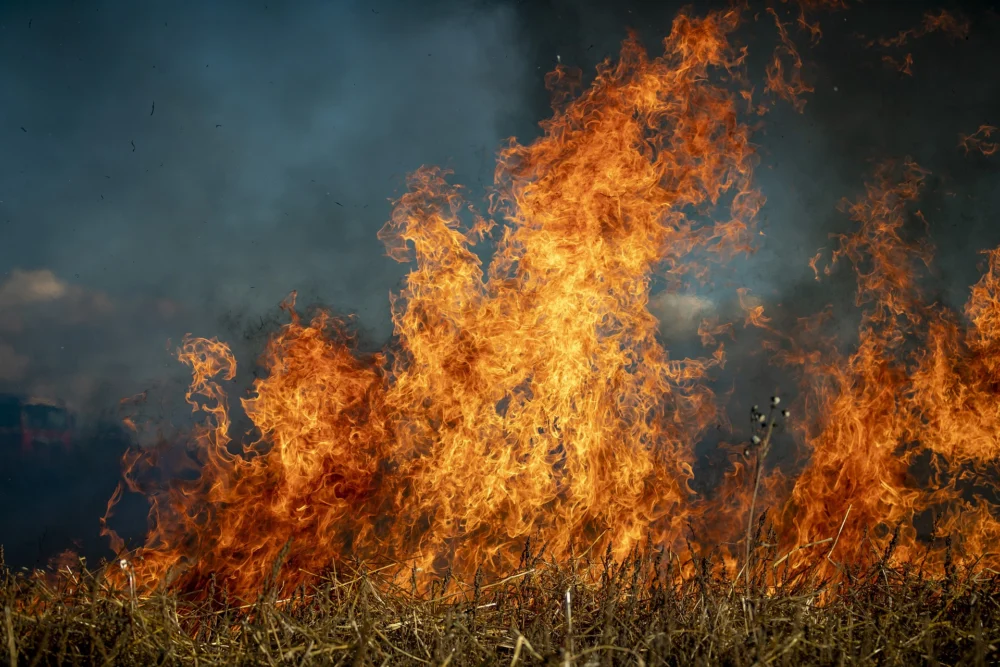
For decades, wildfire risk was considered a regional concern, largely confined to the arid climates of the Western United States. However, recent years have seen a dramatic expansion of the "wildland-urban interface," where residential developments meet undeveloped vegetation. Coupled with prolonged droughts and rising global temperatures, regions previously considered safe—including the Southeast and the Northeast—are now grappling with the devastating reality of escalating wildfires.
According to data from the National Interagency Fire Center (NIFC), the frequency of large-scale wildfires has increased significantly over the last twenty years. Between 2013 and 2022, wildfires burned an average of 7.2 million acres annually in the U.S., a figure that has nearly doubled since the 1990s. For utility companies, the stakes are not merely operational; they are existential. The 2018 Camp Fire in California, ignited by faulty electrical equipment, resulted in the bankruptcy of PG&E and led to billions of dollars in liabilities. This event served as a catalyst for the industry, signaling that "compliance" with minimum safety standards is no longer a viable defense against the systemic risks of climate change.
From Compliance to Community-First Resilience
The traditional approach to grid maintenance has long been "asset-focused." In this model, utilities prioritize the health of individual components—poles, transformers, and conductors—based on age or scheduled inspection cycles. While this ensures a basic level of functionality, it often fails to account for the broader impact of a localized failure.
Don McPhail argues that the industry must pivot toward a "community-first" resilience model. This approach prioritizes the protection of infrastructure that sustains life and social stability, such as hospitals, water treatment plants, and emergency response centers. In a community-first framework, the objective is not just to prevent a component from breaking, but to ensure that the grid remains resilient under stress to prevent catastrophic societal consequences. This requires a granular understanding of how specific grid segments interact with their environment and the communities they serve.
The Technological Vanguard AI and Digital Twins
The cornerstone of this new resilience model is the "Digital Twin"—a virtual, data-rich representation of the physical electrical grid. By creating a digital replica of every pole, wire, and insulator, utilities can run simulations and conduct inspections with a level of precision that was previously impossible.
The process begins with the collection of high-resolution imagery. Historically, grid inspections were conducted by crews on the ground using binoculars or by helicopters flying at high speeds. These methods were prone to human error and often missed subtle signs of wear. Today, utilities are increasingly deploying drones and specialized aircraft equipped with advanced sensors to capture millions of images of grid assets.
This massive influx of data, however, creates a secondary challenge: data saturation. Human analysts cannot feasibly review millions of photos to find a single cracked insulator. This is where AI-powered computer vision becomes indispensable. AI algorithms can be trained to recognize thousands of different types of equipment and identify minute defects that are invisible to the naked eye.
Technical Precision Identifying the "Upside-Down Cotter Pin"
One of the most compelling examples of the power of AI in grid safety is the ability to identify micro-defects, such as an upside-down cotter pin. In high-voltage environments, even the smallest hardware anomaly can have catastrophic results. A cotter pin installed incorrectly may be subject to excessive vibration or mechanical wear over time. If the pin fails, a bolt may loosen, leading to a structural failure that drops a high-voltage line onto dry brush.
McPhail notes that using high-resolution imagery and AI to detect these minute defects creates quantifiable value. By identifying a $2 component failure before it triggers a multi-billion dollar wildfire, utilities can move from reactive repairs to predictive maintenance. This level of detail allows utility leaders to trade siloed, anecdotal data for a comprehensive, data-driven roadmap. The result is a more efficient allocation of capital and labor, focusing human crews on the highest-risk areas identified by the AI.
Chronology of Grid Inspection Evolution
The evolution of grid inspection technology can be categorized into four distinct eras:
- The Manual Era (Pre-1990s): Inspections were primarily ground-based and reactive. Crews inspected lines after a failure occurred or during periodic "walk-downs" of the system.
- The Aerial Era (1990s–2010s): Utilities began using helicopters and fixed-wing aircraft for visual inspections. While this covered more ground, the quality of data remained subjective and was often captured on paper or basic digital cameras.
- The Digitization Era (2010s–2020): The introduction of LiDAR (Light Detection and Ranging) allowed utilities to map vegetation encroachment and structural clearances. This era saw the first attempts to store grid data in centralized databases.
- The AI and Resilience Era (2021–Present): The current era is defined by the integration of Digital Twins and AI. Data is no longer just "stored"; it is analyzed autonomously. Predictive insights allow utilities to anticipate failures before they occur, shifting the focus toward long-term resilience.
Economic Implications and Regulatory Pressure
The shift toward AI-driven resilience is also a response to mounting economic and regulatory pressures. Insurance companies, reeling from record-breaking wildfire payouts, are increasingly demanding that utilities demonstrate proactive risk mitigation strategies to remain insurable. Without robust data to prove the safety of their assets, utilities face soaring premiums or the total loss of coverage.
Regulators are also raising the bar. State public utility commissions (PUCs) are increasingly requiring "Wildfire Mitigation Plans" (WMPs) that include detailed data on asset health and vegetation management. In California, for instance, the Office of Energy Infrastructure Safety (OEIS) conducts rigorous audits of utility data. Utilities that can provide a "digital audit trail"—showing exactly when an asset was inspected and what the AI found—are in a much stronger position to justify their rate cases and safety records.
Furthermore, the economic efficiency of AI cannot be overstated. Traditional manual inspections are labor-intensive and expensive. By automating the "triage" phase of inspections through computer vision, utilities can reduce the time spent on manual data review by up to 70%. This allows skilled line workers to spend more time performing actual repairs and less time searching for problems.
Broad Impact and the Road Ahead
The implications of this technological shift extend far beyond the utility sector. As the grid becomes more resilient, the reliability of the entire economy improves. In an increasingly electrified world—where transportation, heating, and industrial processes are shifting toward the grid—the cost of a blackout is higher than ever.
However, the transition is not without its hurdles. Many utilities still struggle with "siloed data," where information about asset age, weather patterns, and inspection history are stored in different, incompatible systems. Don McPhail emphasizes that utility leaders must break down these silos to create a "single source of truth." This requires not just an investment in technology, but a cultural shift within the organization to prioritize data-driven decision-making.
The roadmap provided by eSmart Systems and other industry leaders suggests that the future of the grid lies in the symbiosis of human expertise and machine intelligence. While AI can identify the upside-down cotter pin, it still requires experienced engineers and line workers to interpret the data within the context of local environment and community needs.
Conclusion
As climate change continues to rewrite the rules of infrastructure management, the utility industry stands at a crossroads. The transition from legacy, asset-heavy maintenance to AI-powered, community-first resilience represents one of the most significant shifts in the history of the power grid. By leveraging digital twins and high-resolution imagery, utilities are finally gaining the visibility they need to navigate a volatile era. The goal is no longer just to keep the lights on; it is to build a grid that is intelligent enough to protect the lives and livelihoods of the communities it serves. In this new reality, predictive insights are not just a luxury—they are a prerequisite for survival in a climate-disrupted world.
