

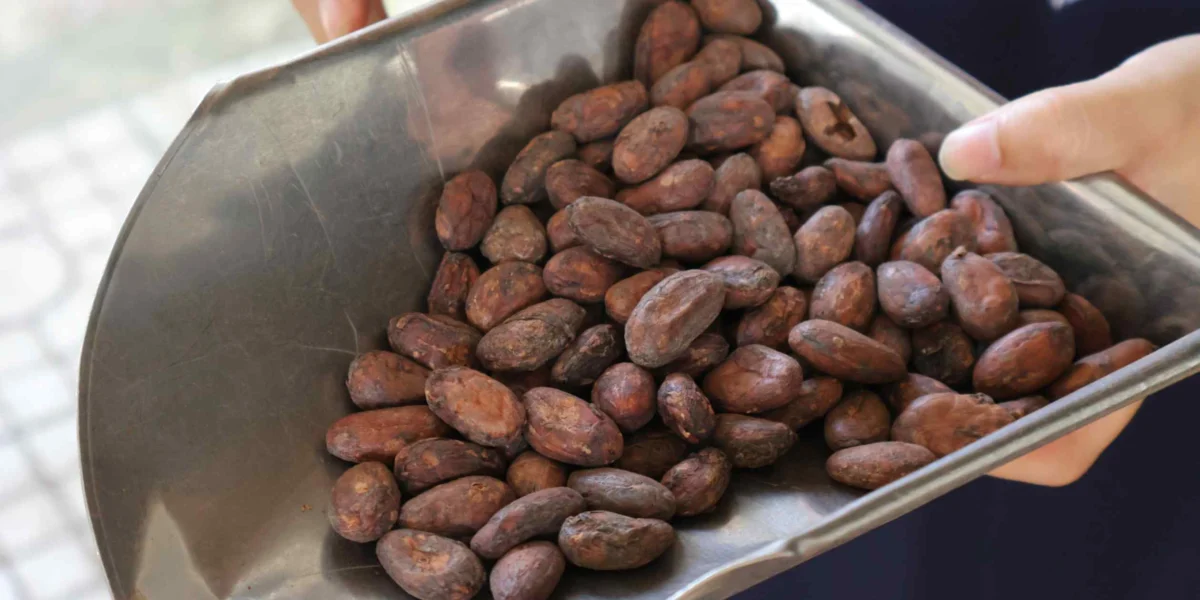
Global demand for cacao beans has embarked on a gradual recovery, buoyed by a welcome easing of prices that had reached unprecedented heights in recent years. This stabilization is particularly evident in Asia, which is emerging as a key driver of renewed consumption, while Europe and North America continue to grapple with economic uncertainties that temper their own demand trajectories. The shift signifies a complex interplay of agricultural supply dynamics, evolving consumer preferences, and the broader macroeconomic landscape.

The extraordinary surge in cacao prices, which saw them touch historic highs in the spring of 2024, was primarily attributed to a confluence of adverse weather conditions and agricultural challenges in key West African producing regions, notably Ghana and Ivory Coast. These nations account for a significant majority of the world’s cacao output, and a sustained period of erratic rainfall, coupled with the devastating impact of the moniliophthora roreri fungus (cacao pod rot), severely hampered harvests. This supply shock created a deficit in the market, driving futures contracts to record levels and sending ripples through the global chocolate industry.
A Chronology of Cacao’s Price Volatility
The period leading up to the price peak in 2024 was marked by a series of concerning developments for cacao farmers and the wider supply chain. For years, producers had been struggling with aging trees, insufficient investment in new cultivation, and the increasing prevalence of diseases. However, it was the intensified climatic disruptions in the 2022-2023 and 2023-2024 growing seasons that truly tipped the scales.

- 2022-2023 Growing Season: Early signs of production shortfalls began to emerge as unseasonably dry spells affected key regions, impacting bean development. While prices saw an upward trend, they remained within historically recognizable ranges.
- 2023-2024 Growing Season: This period witnessed a dramatic escalation of problems. Extended droughts, followed by heavy rains at the wrong times, created ideal conditions for fungal diseases to spread rapidly. Reports from agricultural ministries in Ghana and Ivory Coast indicated significant crop losses, with some estimates suggesting reductions of 20-30% compared to previous years.
- Late 2023 – Early 2024: As market participants recognized the severity of the supply squeeze, speculative buying intensified, pushing futures prices on exchanges like ICE (Intercontinental Exchange) to dizzying new heights. By March 2024, prices for benchmark cacao futures had surged by over 150% year-on-year, breaking through previously unthinkable price barriers. This rapid ascent created significant financial pressure on chocolate manufacturers, particularly smaller and medium-sized enterprises, forcing them to consider price increases for their products.
- Mid-2024 Onwards: As the immediate shock of the harvest deficit subsided and attention turned to the next growing season, a sense of cautious optimism began to permeate the market. Early reports from the 2024-2025 season suggested a more favorable weather pattern in West Africa, coupled with increased efforts by governments and international organizations to support farmers with disease-resistant seedlings and improved agricultural practices. This improved outlook, combined with the higher prices incentivizing farmers to maximize their yields, contributed to a gradual cooling of futures prices from their peak.
- Late 2026: The current period marks a phase of relative price stabilization. While prices remain elevated compared to pre-2023 levels, the frenetic upward momentum has ceased. This has allowed demand to cautiously resurface, particularly in markets where consumers are less sensitive to price fluctuations or where the cultural significance of chocolate remains strong.
Supporting Data: A Look at the Numbers
The dramatic price swings are best illustrated by examining key market indicators. For instance, during the peak of the crisis in early 2024, front-month cacao futures on the ICE exchange in New York traded above $10,000 per metric ton, a level that was virtually unheard of. Prior to this period, cacao prices had typically traded in a range of $2,000 to $3,000 per metric ton for many years.
The impact on production is also quantifiable. The International Cocoa Organization (ICCO) reported that global cacao production for the 2023-2024 season was estimated to be around 4.0 million metric tons, a significant decrease from the approximately 4.5-4.7 million metric tons typically produced in preceding years. This shortfall directly contributed to a tighter global supply situation.

Conversely, the recent easing of prices, while not a return to pre-crisis levels, has seen futures contracts trading in the range of $3,500 to $4,500 per metric ton as of late 2026. This more moderate price environment, coupled with the aforementioned recovery in Asian demand, signals a potential recalibration of market dynamics.
Asia Leads the Charge in Demand Recovery
The resurgence of cacao demand in Asia is a critical development. Historically, per capita chocolate consumption in many Asian nations has been lower than in Western countries. However, rising disposable incomes, a growing middle class, and increasing exposure to global consumer trends have fueled a steady growth in demand for chocolate and cocoa-based products across the continent.

Countries like China, India, Japan, and South Korea have become increasingly important markets for chocolate manufacturers. The stabilization of cacao prices, even at higher-than-historical levels, has made it more feasible for these markets to absorb available supply. Furthermore, there is a growing appreciation for premium and artisanal chocolate products in Asia, which can command higher retail prices, thus helping to offset some of the increased input costs for manufacturers.
In Japan, for example, while the domestic market is mature, there is a strong emphasis on quality and innovation in confectionery. The easing of cacao prices has allowed Japanese chocolate makers to continue developing new products and maintain their competitive edge. Similarly, in emerging markets like India, the growing purchasing power of consumers is opening up new avenues for chocolate consumption, moving beyond niche luxury segments to broader appeal.

Europe and North America: A More Cautious Outlook
In contrast, the demand recovery in Europe and North America is proceeding at a more measured pace. These regions are already mature chocolate markets with high per capita consumption. However, they are also more directly exposed to the lingering effects of global inflation, rising energy costs, and geopolitical uncertainties.
Consumers in these regions have become more price-sensitive, and many manufacturers have already passed on a significant portion of the increased cacao costs through higher retail prices. While demand has not collapsed, the pace of growth has slowed as consumers potentially reduce their discretionary spending on premium confectionery or opt for more affordable alternatives.

Furthermore, the economic outlook in these regions remains somewhat uncertain. The potential for interest rate hikes, concerns about a global recession, and ongoing supply chain disruptions continue to cast a shadow over consumer confidence. This cautious sentiment translates into a more subdued demand environment for commodities like cacao, where price elasticity of demand can be a significant factor.
Reactions from Related Parties: A Glimpse Behind the Scenes
While direct quotes from all parties are not publicly available, the general sentiment within the industry reflects a complex mix of relief and ongoing concern.

Cacao Farmers: For farmers in West Africa, the past few years have been a rollercoaster. The record high prices offered a brief but significant opportunity for increased income, potentially allowing for reinvestment in their farms. However, many also struggled with the logistical and financial challenges of bringing their crops to market amidst price volatility and the persistent threat of disease. The current stabilization, while not a return to easy times, offers a more predictable environment. There is a growing emphasis on sustainable farming practices and fair pricing mechanisms to ensure long-term stability and improved livelihoods.
Chocolate Manufacturers: Major chocolate conglomerates and smaller artisanal producers alike have had to navigate a turbulent period. Many have implemented strategies such as increasing product prices, reformulating products to use less cacao, or sourcing alternative ingredients. The current price stabilization is a welcome development, allowing for more predictable cost management and a renewed focus on product innovation and marketing. However, the memory of the price surge serves as a stark reminder of the industry’s vulnerability to supply-side shocks.

Commodity Traders and Analysts: Market analysts have been closely monitoring the supply and demand fundamentals. The consensus is that while the immediate crisis has abated, the underlying structural issues in cacao production – including climate change vulnerability and the need for sustained investment in farming communities – remain. The current price levels are seen as a new, higher equilibrium that reflects these persistent challenges.
Broader Impact and Implications: Beyond the Chocolate Bar
The fluctuations in cacao prices have far-reaching implications that extend beyond the confectionery aisle.

- Economic Impact on Producing Nations: For countries like Ghana and Ivory Coast, cacao is a vital export commodity that contributes significantly to their GDP and employment. The price volatility directly impacts government revenues, farmer incomes, and overall economic stability. Efforts to diversify economies and build resilience in the agricultural sector are crucial.
- Global Food Security: While cacao is not a staple food, the disruptions in its supply chain highlight the interconnectedness of global agricultural systems and their susceptibility to climate change. The challenges faced by cacao farmers are emblematic of broader issues affecting food production worldwide.
- Consumer Behavior and Brand Loyalty: The sustained period of higher chocolate prices may lead to long-term shifts in consumer behavior. Consumers might become more discerning about their chocolate purchases, prioritizing sustainability, ethical sourcing, and premium quality. Brands that can effectively communicate their commitment to these values may see increased loyalty.
- Technological Innovation: The crisis has spurred innovation in cacao cultivation, including the development of disease-resistant varieties, improved pest management techniques, and more efficient farming methods. Investment in agricultural technology and research is likely to accelerate.
In conclusion, the global cacao market is in a period of recalibration. Asia’s robust demand is providing a much-needed impetus for recovery, while Europe and North America navigate a more cautious economic landscape. The lessons learned from the price surge of 2024 underscore the critical importance of addressing the underlying vulnerabilities in cacao production, promoting sustainable agricultural practices, and fostering greater resilience in the face of climate change and other global challenges. The future of chocolate, and indeed the livelihoods of millions, hinges on finding a sustainable balance between supply, demand, and the ever-present forces shaping our planet.
