

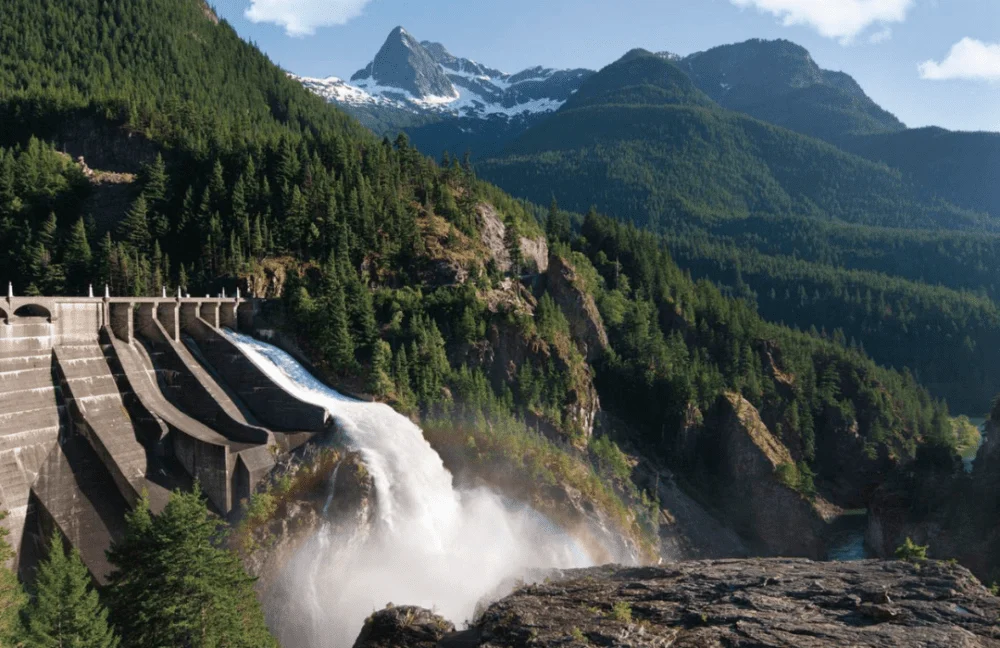
The United States Senate is currently deliberating a transformative piece of legislation that seeks to overhaul the nation’s aging energy infrastructure and regulatory framework. The Bipartisan American Affordability and Jobs Act of 2026, commonly referred to as BAAJA, represents a 417-page comprehensive effort to address the bottlenecks that have long stymied the American energy sector. While much of the public discourse surrounding the bill has focused on its implications for solar energy, wind power, and the burgeoning demand from AI-driven data centers, the legislation carries profound significance for the nation’s oldest form of renewable energy: hydropower. By targeting the bureaucratic hurdles that have historically made hydropower licensing a decade-long ordeal, BAAJA aims to revitalize a sector that remains a cornerstone of grid reliability and long-duration storage.
The Regulatory Bottleneck: Context and Necessity
For decades, the hydropower industry has operated under a regulatory regime that many stakeholders describe as fragmented and prohibitively expensive. Unlike solar or wind projects, which can often be permitted and constructed within a few years, a typical hydropower facility may face a licensing or relicensing process that spans ten to fifteen years. This timeline is often extended by overlapping jurisdictions between federal and state agencies, leading to what the National Hydropower Association (NHA) characterizes as "unpredictable" requirements and high litigation risks.
The introduction of BAAJA comes at a critical juncture. As the U.S. moves toward a decarbonized grid, the inherent stability of hydropower—providing baseload power and essential grid services—is more valuable than ever. However, without reform, many existing facilities face the risk of decommissioning due to the sheer cost and complexity of relicensing. BAAJA seeks to mitigate these risks by harmonizing federal requirements and ensuring that environmental mandates are commensurate with a project’s actual physical footprint.
Key Provisions for Hydropower and Marine Energy
One of the most significant elements of the BAAJA legislation involves the reform of the Federal Power Act, specifically Section 4(e). Under current law, federal resource agencies have the authority to impose "mandatory conditions" on hydropower licenses to protect federal lands and resources. Historically, these conditions have been a source of friction, as project owners argued that some mandates were tangentially related at best to the project’s impact.
BAAJA mandates that these conditions must be "reasonably related" to the project’s actual effects. According to the NHA, this provision is designed to bring a sense of fairness and transparency to the process, ensuring that facility owners are only held financially responsible for mitigating the direct environmental impacts of their operations. This shift is expected to lower the financial barriers for both new developments and the relicensing of existing dams.
Furthermore, the bill addresses the day-to-day operational challenges of hydropower management. It proposes a streamlined approval process for maintenance, repairs, and "non-substantial" alterations. Under the current framework, even minor upgrades intended to improve efficiency or safety can trigger a full environmental review, leading to months or years of delays. By allowing these adjustments to proceed without an automatic environmental review, the bill encourages the modernization of existing infrastructure, ensuring that the current fleet of dams can operate at peak efficiency.
The legislation also looks toward the future of water-based energy. It establishes a new, expedited licensing pathway for marine energy devices—such as wave and tidal power generators—with a capacity of less than 5 MW. This is viewed as a crucial "sandboxing" provision that allows technology developers to test and scale innovative designs without the regulatory burden typically reserved for massive utility-scale projects.
Reforming the Clean Water Act and State Authority
A major point of contention in energy permitting has been Section 401 of the Clean Water Act, which grants states the authority to certify that a federal license complies with state water quality standards. While intended as an environmental safeguard, industry advocates have long claimed that some states use Section 401 as a "veto" mechanism to delay projects for reasons unrelated to water quality.
BAAJA proposes to tie Section 401 certifications more strictly to objective water quality requirements. The bill requires state agencies to provide "clearer" explanations for any denials or conditions imposed on a project. Additionally, it encourages the adoption of the "least burdensome" conditions necessary to satisfy the law. This reform is intended to prevent the weaponization of the certification process while maintaining the fundamental integrity of state environmental protections.
The Broader Energy Landscape: Solar, Storage, and Data Centers
While the hydropower provisions are a focal point for traditional energy advocates, the broader implications of BAAJA for the renewable sector are immense. More than 300 solar and energy storage companies have formally urged Congress to pass the act, citing a $120 billion backlog in clean energy investment currently stalled by permitting delays.
According to an analysis by the Solar Energy Industries Association (SEIA), the passage of BAAJA could unlock an additional 167 gigawatts of solar capacity between 2028 and 2035. This would propel solar energy to account for more than 18% of total U.S. electricity generation within the next decade. The economic and public health stakes are equally high; the SEIA suggests that the bill’s reforms could reduce cumulative power sector carbon dioxide emissions by roughly 20% and prevent an estimated $54 billion in public health damages by accelerating the transition away from fossil fuels.
The bill also addresses a modern grid challenge: the rapid expansion of data centers. With the rise of artificial intelligence, data centers are consuming an unprecedented share of grid capacity. BAAJA includes provisions to protect residential and small-business ratepayers from the massive grid upgrade costs associated with these industrial facilities, ensuring that the entities driving the demand bear a fair share of the infrastructure costs.
Chronology of Federal Permitting Reform Efforts
The journey toward BAAJA has been several years in the making, reflecting a growing bipartisan consensus that the U.S. regulatory environment is ill-equipped for a rapid energy transition.
- 2020–2022: Initial discussions regarding the modernization of the National Environmental Policy Act (NEPA) gain traction as the backlog of renewable energy projects in interconnection queues reaches record highs.
- 2023: The Fiscal Responsibility Act introduces modest permitting reforms, including "shot clocks" for environmental reviews, but stakeholders argue the measures do not go far enough to address transmission and hydropower specificities.
- 2024–2025: High-profile grid reliability concerns during extreme weather events and the soaring energy demands of the AI sector create a sense of urgency. Bipartisan working groups begin drafting the framework for a more comprehensive "grand bargain" on energy.
- Early 2026: The Bipartisan American Affordability and Jobs Act is formally introduced in the Senate, backed by a diverse coalition of labor unions, environmental groups, and utility companies.
- Mid-2026: The Senate Energy and Natural Resources Committee holds a series of hearings, refining the bill’s language regarding Section 401 and hydropower licensing.
Official Responses and Stakeholder Reactions
The reaction to BAAJA has been largely positive across the energy spectrum, though some environmental advocacy groups have expressed caution regarding the "least burdensome" language in the Clean Water Act reforms.
Tim Pawlenty, CEO of the Solar Energy Industries Association, emphasized the economic necessity of the bill. "You can’t lower energy costs if you can’t build the energy projects," Pawlenty stated. "These companies know that this bipartisan legislation will help get America building again."
The National Hydropower Association has been equally vocal, characterizing the bill as a once-in-a-generation opportunity. In a public statement, the NHA noted that BAAJA "could deliver the most significant hydropower permitting and licensing reform in years," specifically highlighting the bill’s requirement for a FERC Market Barriers study. This study would require the Federal Energy Regulatory Commission to officially document the value of hydropower services—such as frequency response, black start capabilities, and long-duration storage—potentially leading to new compensation structures for dam operators.
Impact and Implications: A New Era for the Grid
If passed and signed into law, BAAJA would likely signal the beginning of a construction boom in the American energy sector. For hydropower, the impact would be two-fold: a stabilization of the existing fleet and an opening for new, smaller-scale innovations in marine energy. The bill’s emphasis on "reasonably related" conditions and streamlined maintenance would likely extend the operational life of dozens of facilities that are currently nearing the end of their license terms.
From a macro-environmental perspective, the bill’s ability to accelerate the deployment of solar and storage is projected to be a primary driver in meeting U.S. climate goals. By reducing the time it takes to build high-voltage transmission lines—another key component of the bill—BAAJA would allow clean energy generated in rural areas to reach urban centers more efficiently.
The legislative path forward remains complex. While the bill has strong support in the Senate, its prospects in the House of Representatives depend on delicate negotiations regarding state vs. federal authority. However, the pressure from a broad coalition of industry leaders and the pressing need for grid reliability suggest that the Bipartisan American Affordability and Jobs Act of 2026 may be the most significant energy policy shift since the Energy Policy Act of 2005. As the Senate prepares for a final vote, the energy industry remains watchful, anticipating a regulatory environment that finally matches the technological ambitions of the 21st century.
