

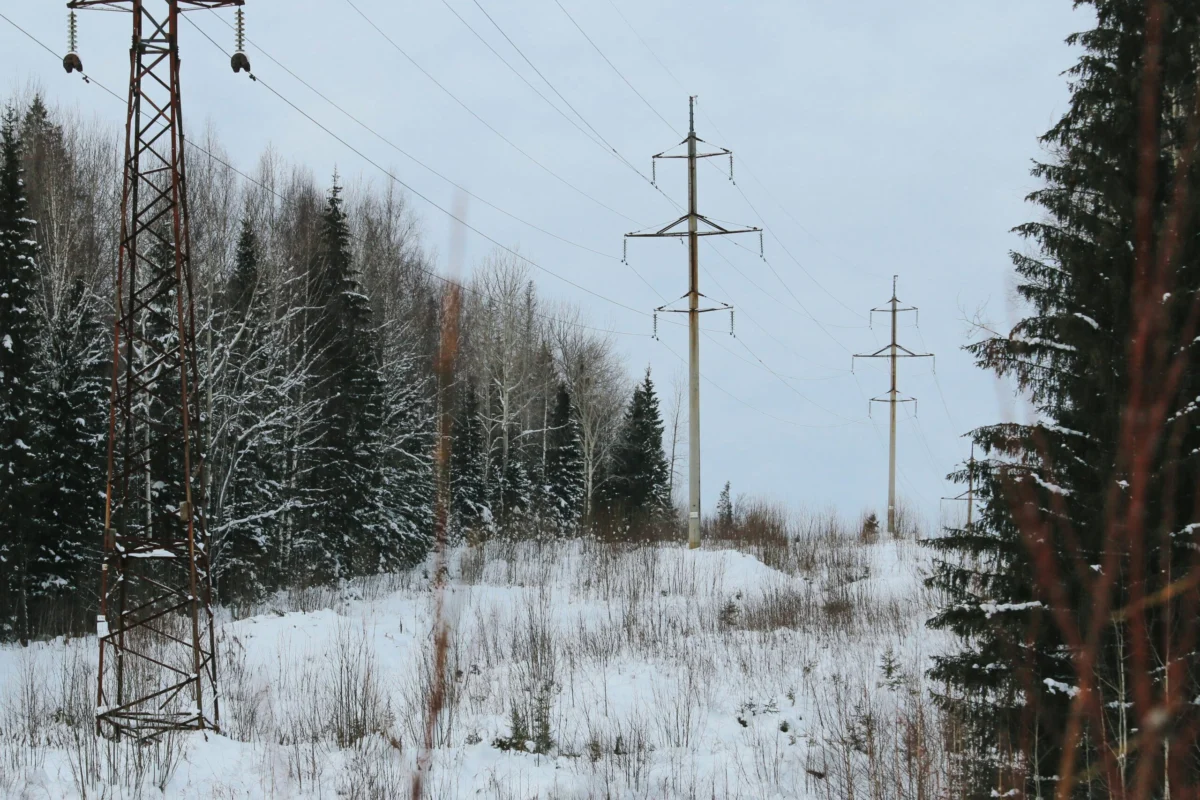
PJM Interconnection, the regional transmission organization (RTO) responsible for coordinating the movement of wholesale electricity across 13 states and the District of Columbia, has entered the winter season with a dual strategy of cautious optimism and rigorous operational preparation. While the National Weather Service (NWS) forecasts a slightly warmer-than-average winter for much of the United States, the memory of recent extreme weather events has prompted the nation’s largest grid operator to intensify its focus on generator performance and infrastructure resilience. As the Bulk Power System (BPS) faces a transformative period marked by shifting resource mixes and unprecedented demand growth, PJM is implementing a comprehensive suite of measures to ensure that its 65 million customers remain powered through the coldest months of the year.
For the upcoming winter season, PJM expects to have an operational capacity of 182,426 MW available to meet a forecasted peak demand of approximately 147,500 MW. This includes a projected average of 3,200 MW in electricity exports to neighboring systems, which are often critical during regional cold snaps. While the math suggests a healthy surplus on paper, the grid operator has sounded the alarm regarding the long-term erosion of its reserve margins. Since 2022, the forecast winter peak demand has surged by approximately 7,500 MW—a 5% increase—driven largely by the proliferation of data centers and the ongoing electrification of the economy.
The Challenge of Shrinking Reserve Margins and Resource Transition
The central challenge facing PJM is a widening gap between the retirement of traditional thermal generation and the integration of new power supplies. Historically, the PJM footprint relied on a robust fleet of coal and natural gas units that provided steady, dispatchable baseload power. However, as these units retire due to economic pressures and environmental regulations, the pace of new generation coming online has not kept pace. This "resource adequacy" gap is compounded by the fact that many new resources, such as wind and solar, are intermittent and do not always provide the same level of flexible, quick-start capability as the thermal units they replace.
David Souder, PJM’s Executive Director of System Operations, emphasized that the shrinking margin for error has made generator performance more critical than ever. In recent notices, PJM has highlighted that while the total installed capacity remains above the forecasted peak, the "flexible" generation resources—those capable of responding rapidly to PJM’s dispatch instructions—are decreasing. This lack of flexibility creates a vulnerability during sudden temperature drops or unexpected equipment failures, where the grid must react in real-time to balance supply and demand.
The geographic distribution of these challenges is also a concern. Transmission constraints in specific regions, particularly the Baltimore Gas and Electric (BGE), Pepco, and Dominion zones in Maryland, Virginia, and the District of Columbia, limit the ability to import electricity from other parts of the PJM system. In these "load pockets," local generator performance is not just a matter of system-wide stability but a localized necessity to prevent blackouts.
A Chronology of Extreme Weather and Lessons Learned
PJM’s current sense of urgency is rooted in a timeline of severe weather events that have tested the grid’s limits over the past several years. The grid operator reached an all-time winter peak of 143,700 MW on January 22, 2025, a milestone that underscored the growing intensity of winter electricity usage. However, it was Winter Storm Fern in early 2026 that provided the most rigorous stress test in recent history.
During Winter Storm Fern, the PJM footprint endured the most prolonged period of extreme cold since the 1990s. For eight consecutive days, from January 26 to February 2, hourly winter peak loads remained above 130,000 MW. The duration of the cold was particularly taxing on infrastructure; sustained sub-zero temperatures can lead to fuel supply disruptions, frozen instrumentation, and mechanical failures in units not adequately winterized.
The lessons from Fern, as well as previous storms like Winter Storm Gianna and the historic Winter Storm Elliott in 2022, have been codified into PJM’s Cold Weather Preparation Guideline and Checklist. This document serves as a mandatory roadmap for generator owners, covering everything from increased staffing during weather emergencies to specific maintenance activities designed to protect sensitive equipment from the elements.
Intensified Oversight: The Site Visit Program
To move beyond theoretical readiness, PJM has significantly expanded its hands-on oversight of the generation fleet. In partnership with ReliabilityFirst—the North American Electric Reliability Corporation (NERC) Regional Entity that oversees the majority of the PJM footprint—the grid operator is now in the fourth year of a targeted cold weather site visit program.
The scale of this program has seen a dramatic increase. Prior to 2023, the number of annual site visits was fewer than 10. This year, PJM and ReliabilityFirst expect to conduct between 30 and 35 site visits. Data collected from these inspections suggests a clear correlation between oversight and reliability: plants that have hosted site visits have demonstrated lower outage rates during extreme weather than those that have not.
Building on this success, PJM is launching a similar program this year with SERC Reliability Corporation, the NERC regional entity covering the southern portions of the PJM footprint. These visits involve rigorous inspections of heat-tracing systems, insulation, windbreaks, and fuel-switching capabilities. By identifying vulnerabilities before the first snowflake falls, PJM aims to minimize the "forced outage" rate that has plagued thermal generators during past cold snaps.
Regulatory Evolution and Data Transparency
The regulatory landscape is also shifting to prioritize winter reliability. Last winter, NERC began requiring all generators to provide detailed extreme cold weather temperature data. This requirement is intended to give grid operators a more granular understanding of the "breaking point" for various resources. PJM has been aggressively collecting minimum operating temperatures for its generation fleet, allowing system operators to model more accurately which plants are likely to trip offline if temperatures drop below a certain threshold.
Furthermore, PJM has instituted a policy of pre-winter testing for units that have not run for several weeks. These tests are conducted well in advance of high-demand periods to ensure that "mothballed" or rarely used peaking units can actually synchronize with the grid when called upon. This proactive testing regime is designed to eliminate the surprise of a unit failing to start in the middle of a system emergency.
Demand Response and Emergency Protocols
As the supply side of the equation tightens, PJM has increasingly relied on the demand side to maintain balance. Demand response programs, where large industrial and commercial customers are paid to reduce their electricity usage during times of peak stress, have become a vital tool for the RTO.
The frequency of demand response activation has increased sharply. In 2025 and 2026, demand response was activated 15 times to help stabilize the grid. To put this in perspective, the program was only activated eight times in the cumulative eight years prior. This shift indicates that demand response is no longer a "break glass in case of emergency" measure but a routine operational tool used to manage the modern grid’s volatility.
In extreme scenarios, PJM is prepared to seek intervention from the U.S. Department of Energy (DOE). Under Section 202(c) of the Federal Power Act, the DOE has the authority to issue emergency orders allowing certain generators to operate beyond their permitted emission levels if it is necessary to prevent a power shortage. PJM has also secured authority to direct data centers and other large-load customers to utilize their on-site backup generators. While PJM notes it has never had to exercise this backup generation authority, the provision remains a critical last line of defense for the BGE, Pepco, and Dominion zones.
Analysis of Broader Implications and Industry Discourse
The challenges facing PJM are reflective of a broader trend across the North American power grid. As the industry moves toward a "net-zero" future, the transition period is proving to be fraught with reliability risks. The "missing money" problem in wholesale markets—where low energy prices driven by renewables make it difficult for traditional thermal plants to remain profitable—has led to a retirement wave that is outstripping the deployment of new capacity.
This theme will be a focal point of the upcoming POWERGEN 2027 conference in Salt Lake City, where grid leaders, owner-operators, and OEMs will gather to discuss "Keeping thermal units available through extreme cold." The industry is increasingly focused on O&M (Operations and Maintenance), asset life extension, and the critical need for resource and capacity planning that accounts for the "new normal" of extreme weather.
The implications of PJM’s strategy extend beyond mere operational logistics. The rising cost of maintaining reliability in a tightening market is likely to have long-term impacts on wholesale power prices and, eventually, consumer bills. Moreover, the reliance on emergency DOE orders and demand response highlights a system that is operating closer to its physical limits than in decades past.
Conclusion
As PJM prepares for the winter of 2026-2027, the organization is banking on a combination of rigorous preparation, increased oversight, and technological data-gathering to navigate the challenges of a shrinking reserve margin. While the weather forecast offers a slight reprieve, the grid operator’s "PTSD" from past storms serves as a necessary catalyst for action. In an era where electricity is the lifeblood of both the economy and basic human survival during extreme cold, PJM’s focus on generator performance is not just an operational preference—it is a foundational requirement for regional stability. The coming months will serve as a definitive test of whether these enhanced preparations are enough to offset the structural pressures of a grid in transition.
