

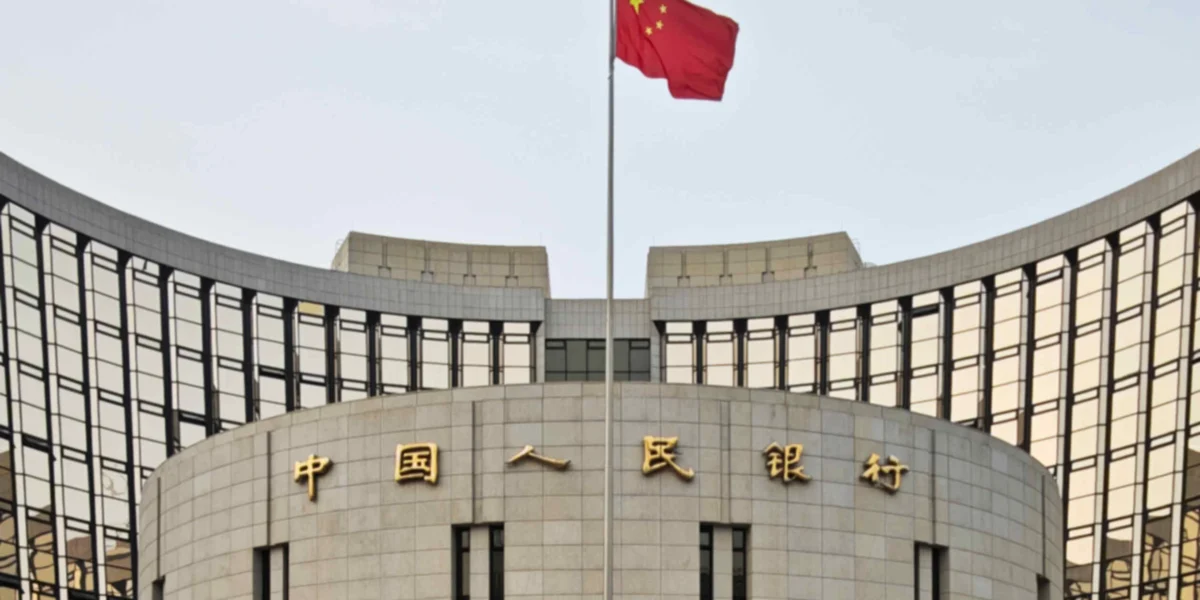
The People’s Bank of China (PBOC) has initiated a significant policy adjustment, raising the foreign exchange reserve requirement ratio for financial institutions from 4% to 6% effective Sunday. This move is widely interpreted as a deliberate effort by the central bank to rein in the recent appreciation of the Chinese yuan (CNY) and to mitigate potential economic headwinds stemming from a strong currency. The decision signals a proactive stance by the PBOC to balance the benefits of a stronger yuan with the imperative of supporting export competitiveness and overall economic stability.
Background: A Strengthening Yuan and Emerging Concerns
The yuan had experienced a notable upward trajectory in the preceding months, driven by a confluence of factors. China’s robust economic recovery, outperforming many global peers, attracted significant foreign investment. Additionally, widening interest rate differentials, as other major central banks began to signal or implement rate cuts while China maintained a more stable monetary policy, further fueled capital inflows and put upward pressure on the yuan.
While a stronger currency can offer benefits, such as reducing the cost of imports and enhancing the purchasing power of Chinese consumers and businesses abroad, it also presents challenges, particularly for an export-oriented economy like China. A rapidly appreciating yuan can make Chinese goods more expensive for foreign buyers, potentially dampening export demand and impacting the profitability of export-reliant industries. In an environment already marked by global economic uncertainties, including lingering supply chain disruptions and uneven post-pandemic recovery across major trading partners, the PBOC appears to be acting preemptively to safeguard its export sector.
The Mechanism: Reserve Requirement Ratio Adjustment
The foreign exchange reserve requirement ratio is a monetary policy tool used by central banks to influence the amount of foreign currency that financial institutions are required to hold in reserve. By increasing this ratio, the PBOC effectively compels banks to hold a larger proportion of their foreign currency holdings with the central bank, thereby reducing the amount of foreign exchange available for lending or trading in the domestic market.
This reduction in the availability of foreign currency for commercial banks can have several effects:
- Curbing Yuan Appreciation: With less foreign currency readily available to be exchanged for yuan, the demand for yuan in the spot market may decrease, or the supply of yuan in exchange for foreign currency may diminish. This can help to slow down or reverse the pace of yuan appreciation.
- Managing Liquidity: The policy also aims to manage the foreign exchange liquidity of financial institutions. By requiring them to hold more reserves, the PBOC is essentially sterilizing some of the foreign exchange inflows, preventing them from immediately translating into excessive liquidity in the domestic financial system.
- Signaling Intent: The PBOC’s decision serves as a strong signal to market participants about its policy preferences and its commitment to managing currency fluctuations. This can influence market sentiment and encourage more measured trading behavior.
Data and Trends: Quantifying the Yuan’s Movement
Prior to the PBOC’s announcement, the yuan had shown a consistent upward trend against the US dollar. For instance, in the weeks leading up to the policy change, the onshore yuan (CNY) had appreciated by approximately 2.5% against the dollar, reaching levels not seen in several months. The offshore yuan (CNH) often trades at a slight premium or discount to its onshore counterpart but generally mirrors its movements.
Analysts had been closely monitoring these gains, with some predicting further appreciation if capital inflows continued unabated. The PBOC’s intervention suggests that the central bank views the pace and extent of this appreciation as potentially detrimental to its economic objectives. The move from 4% to 6% represents a significant increase, indicating the PBOC’s determination to exert a stronger influence on currency markets. This change will tie up an estimated additional $30 billion in foreign exchange reserves held by financial institutions, according to market estimates.
Official Statements and Rationale
The People’s Bank of China, in its official statement accompanying the policy adjustment, articulated its rationale. The central bank stated that the increase in the foreign exchange reserve requirement ratio aims to "strengthen foreign exchange liquidity management for financial institutions." This official phrasing underscores the PBOC’s focus on the operational aspects of foreign exchange reserves and its desire to maintain orderly market conditions.
The statement implicitly acknowledges the prevailing market dynamics and the need for the central bank to play a role in moderating excessive currency movements. While not explicitly stating a target for the yuan’s exchange rate, the action clearly signals a preference for a more stable or depreciating yuan in the short to medium term, particularly to support the export sector. This move aligns with the PBOC’s broader mandate of maintaining financial stability and promoting sustainable economic growth.
Broader Economic Implications and Analysis
The PBOC’s decision to raise the foreign exchange reserve requirement ratio is likely to have several implications for China’s economy:
- Export Sector Support: By curbing yuan appreciation, the policy aims to make Chinese exports more competitive on the international market. This could provide a much-needed boost to manufacturers and exporters, particularly those facing intense global competition and margin pressures.
- Capital Flows Management: The move is also a measure to manage capital flows. Excessive inflows can lead to rapid currency appreciation, asset bubbles, and inflationary pressures. By tightening reserve requirements, the PBOC can exert some control over the volume and pace of these inflows.
- Monetary Policy Stance: This action suggests that while the PBOC is mindful of the yuan’s strength, its primary focus remains on supporting domestic economic recovery and stability. It indicates a willingness to employ targeted measures rather than broad-based monetary easing or tightening.
- Impact on Financial Institutions: Financial institutions will need to adjust their balance sheets to comply with the higher reserve requirements. This could lead to a slight reduction in their capacity to lend in foreign currencies or a need to rebalance their asset portfolios.
- Global Currency Markets: The PBOC’s action will be closely watched by global currency traders and policymakers. It signals a shift in the PBOC’s approach to currency management and could influence the trading strategies of other market participants.
- Inflationary Pressures: A stronger yuan typically helps to dampen imported inflation. By slowing the yuan’s appreciation, the PBOC might be implicitly accepting a slightly higher risk of imported inflation, but this is likely considered a trade-off for export competitiveness.
- Trade Balance: The policy could contribute to maintaining or widening China’s trade surplus, as exports become more attractive and imports potentially become slightly more expensive for Chinese buyers.
Market Reactions and Expert Opinions
Initial market reactions to the PBOC’s announcement were largely as anticipated. The yuan saw a modest retracement from its recent highs, with traders factoring in the increased reserve requirement. Currency strategists generally viewed the move as a prudent step to prevent excessive currency strength from derailing the export recovery.
Some analysts pointed out that this measure is a form of "verbal intervention" combined with a practical policy tool. It signals the PBOC’s discomfort with the rapid pace of yuan appreciation and its readiness to act. The effectiveness of this policy will depend on various factors, including the ongoing global economic outlook, the actions of other major central banks, and the overall sentiment towards the Chinese economy.
"The PBOC is walking a fine line," commented a senior economist at a Shanghai-based financial institution. "They want to benefit from a stable and recovering economy that attracts foreign capital, but they also need to ensure that the yuan doesn’t become a barrier to their export sector. This reserve requirement hike is a tactical move to manage that balance."
Another perspective highlighted the PBOC’s evolving approach to currency management. "We are seeing a more nuanced approach from the PBOC, moving away from rigid pegs towards managing volatility and ensuring that the exchange rate serves the broader economic objectives," noted a foreign exchange analyst. "This move reflects a greater sophistication in their policy toolkit."
Looking Ahead: A Balancing Act for the PBOC
The PBOC’s decision to increase the foreign exchange reserve requirement ratio is a clear indication of its commitment to managing the yuan’s trajectory and safeguarding the Chinese economy against potential external shocks. The move aims to strike a delicate balance between the benefits of a strong currency and the imperative of maintaining export competitiveness in a complex global economic landscape.
As the global economic environment continues to evolve, the PBOC will likely remain vigilant, ready to deploy its policy tools as needed to ensure financial stability and support sustainable economic growth. The effectiveness of this latest measure will be closely observed in the coming weeks and months, providing further insights into the PBOC’s strategy for navigating the challenges and opportunities of the global economy. The ultimate success of this policy will be measured by its ability to foster a stable exchange rate environment that supports China’s export sector while also contributing to broader economic resilience.
