

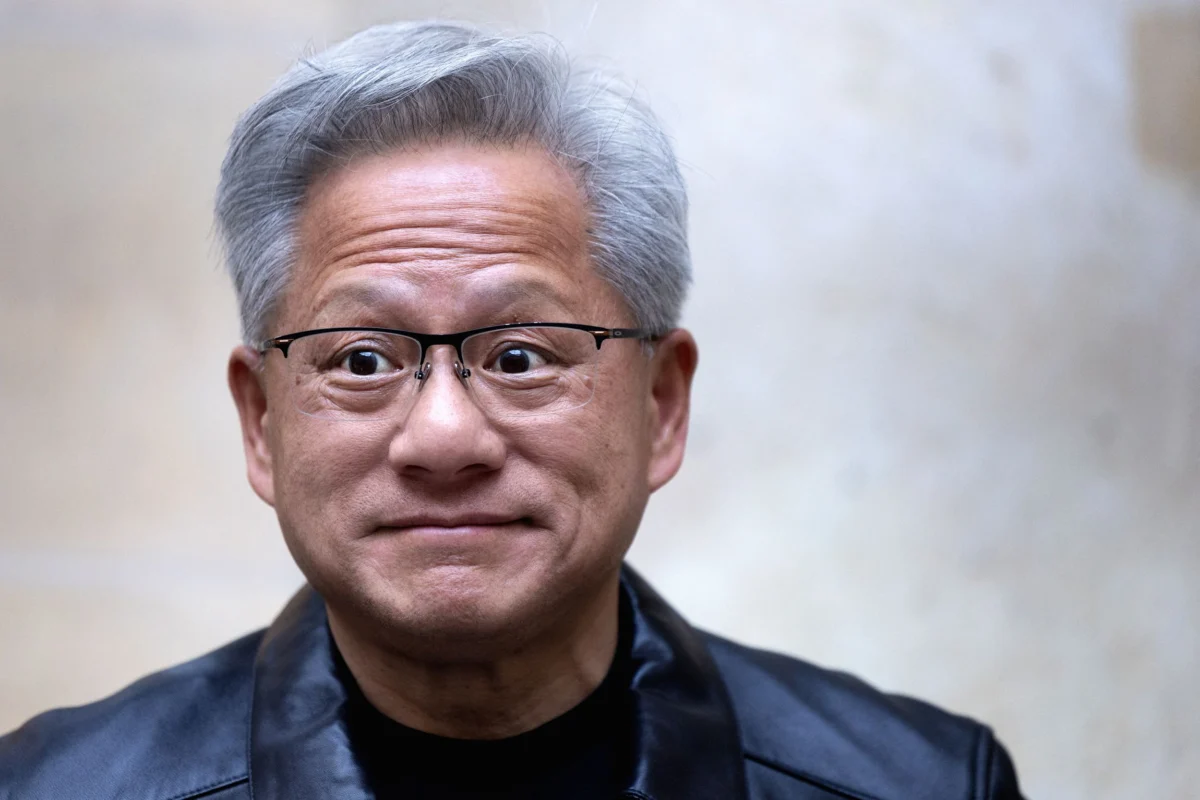
Internal sentiment at semiconductor giant Nvidia reveals a surprising groundswell of support for its ousted founder, Jensen Huang, with numerous employees advocating for his return despite revelations of multiple extramarital affairs and his subsequent abrupt resignation. This sentiment, captured in internal correspondence reviewed by WIRED, paints a complex picture of employee loyalty clashing with the company’s ethical standards and the fallout from the personal conduct of its long-serving leader.
The Groundswell of Support: An Internal Echo Chamber
The core of this internal pushback appears to originate from a widely circulated post in an internal "suggestion box," submitted by a veteran engineer at Nvidia prior to Huang’s departure. This post, which has since garnered over 1,600 comments, urged the company’s board to consider employee sentiment before enacting any decisions regarding Huang’s leadership. The sheer volume of commentary underscores a deep-seated attachment to Huang, with many commenters expressing a desire for his reinstatement.
Anonymous voices within the company have articulated a strong belief in Huang’s vision and his indispensable role in Nvidia’s success. "If you believe in the mission, bring back THE boss," one comment reads, encapsulating a sentiment that transcends personal failings and focuses on perceived leadership necessity. Another commenter suggested a path toward reconciliation, stating, "We are all humans and can make mistakes. Jensen did so many good things and he needs a second chance." This perspective highlights a common human tendency to forgive perceived transgressions when weighed against significant past contributions.
The sentiment has even manifested in direct, company-wide communication. One employee, in an email that demanded transparency into Huang’s exit, declared, "I stand by Jensen. Not because I believe any person is infallible, but because I refuse to believe that standing for fairness must mean standing at a distance from someone whose leadership has meant so much to us." This statement suggests a perceived conflict between corporate accountability and loyalty to a figure seen as instrumental to the company’s identity and success.
Efforts to reach the individuals behind these prominent internal communications for further comment proved unsuccessful. The engineer who initiated the suggestion box post declined to comment, and the employee who sent the companywide email could not be reached.
The Unraveling: A Timeline of Events
The crisis that led to Huang’s resignation began to unfold following reports of his extramarital affairs. Huang, who had helmed Nvidia since its inception in 1993, penned an email to employees on a Sunday, admitting to being "unfaithful to [his] wife" and stating, "there was no excuse." This personal confession followed earlier reports linking him to an alleged affair with an individual suspected of being a Chinese intelligence asset.
The situation escalated rapidly. On Thursday morning, the Nvidia board announced Huang’s resignation. This announcement came on the heels of further reports, including those from The New York Times and Reuters, detailing allegations of a second affair with a direct report within the company, and subsequently, an alleged affair with yet another Nvidia employee. Huang has not issued further public statements regarding these subsequent reports beyond his initial email.
Corporate Response and Market Tremors
Nvidia’s board, largely composed of early investors and long-standing confidants of Huang, moved swiftly to address the leadership vacuum. Colette Kress, Nvidia’s chief financial officer, was appointed interim CEO, a move that signals a pragmatic approach to maintaining operational continuity. Additionally, former Synopsys CEO Harvey Jones was named chair of the board, indicating an effort to bring in experienced leadership to navigate the crisis.
The ramifications of this scandal have been substantial. Since the allegations first surfaced, Nvidia’s market value has reportedly plummeted by as much as $1 trillion. This significant financial impact underscores the market’s sensitivity to leadership instability and ethical concerns within major corporations. Furthermore, the crisis has attracted the attention of US lawmakers and the FBI, prompting investigations that could have far-reaching implications, including the potential for new export controls on advanced chip technology.
The Board’s Composition and Employee Expectations
The composition of Nvidia’s board of directors has also come under scrutiny. A significant portion of the board comprises individuals with deep financial ties to Nvidia and long-standing personal relationships with Jensen Huang. This established network may contribute to the internal sentiment that the board’s actions were perhaps premature or not fully aligned with the desires of the broader employee base.
Many employees reportedly expected a more thorough board investigation to conclude before any drastic leadership changes would be implemented. The suggestion box post, for example, explicitly called for the board to share its findings and formally solicit employee sentiment regarding "Jensen’s continuing as our CEO." The fact that Huang resigned as the inquiry was reportedly underway has left many staffers seeking greater clarity and understanding regarding the decision-making process.
Analysis: Loyalty, Leadership, and the Future of Nvidia
The widespread employee support for Jensen Huang, despite the serious nature of the allegations against him, speaks volumes about his impact on Nvidia. For nearly three decades, Huang has been the architect of the company’s ascent, transforming it from a graphics chip manufacturer into a dominant force in artificial intelligence and high-performance computing. His vision and leadership have been credited with not only driving technological innovation but also fostering a unique corporate culture.
This internal dissent raises critical questions about corporate governance and the balancing of ethical accountability with employee loyalty. While the allegations of extramarital affairs and potential misuse of company resources represent serious ethical breaches, the employee response suggests a deeply ingrained belief that Huang’s contributions are paramount to Nvidia’s continued success. This sentiment could pose a challenge for the new leadership, as they attempt to regain the trust of both the market and their workforce.
The demand for transparency from employees highlights a desire to understand the full context of Huang’s departure. The assertion that "If America fails the man who helped build its future, then this world does not deserve Jensen Huang" reflects a passionate defense of a figure perceived as a national technological asset. This perspective, while emotionally charged, underscores the profound connection many employees feel to Huang and their belief in his irreplaceable role.
The coming weeks and months will be crucial for Nvidia. The interim leadership faces the daunting task of restoring market confidence, navigating regulatory scrutiny, and, importantly, addressing the internal divisions that have been brought to light. The success of Colette Kress and Harvey Jones will depend not only on their ability to manage the company’s business operations but also on their capacity to bridge the gap between corporate policy and the deeply held loyalties of a significant portion of Nvidia’s workforce. The lingering question remains: can Nvidia truly move forward without the figure who has defined its identity for so long, and will the employees’ desire for their founder’s return be a force that the board can, or will, ultimately ignore?
