

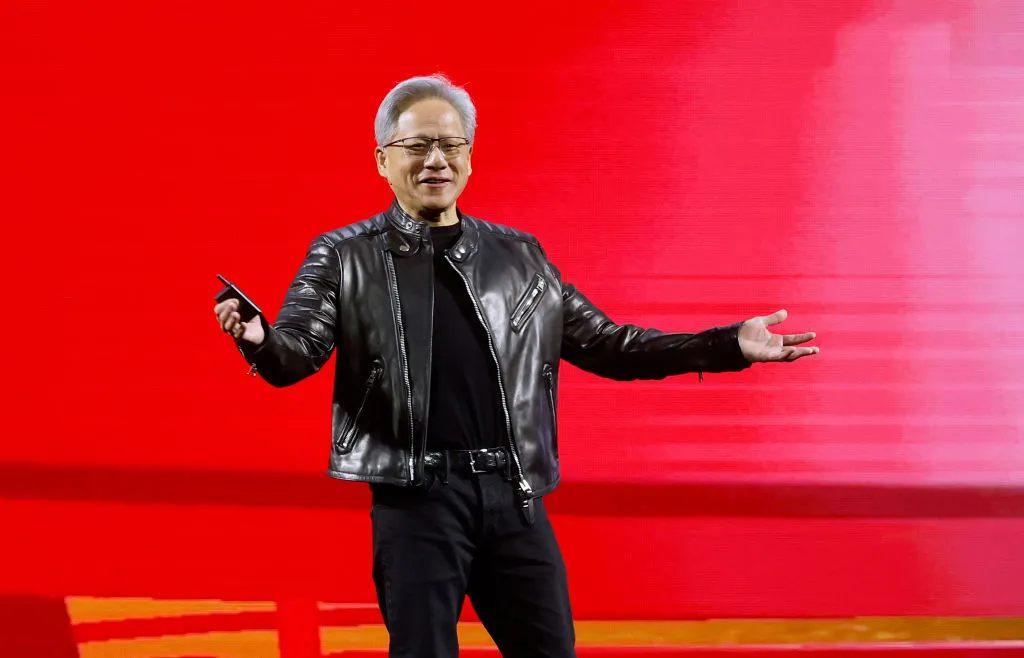
The usually reserved and technically focused co-founder and CEO of Nvidia, Jensen Huang, aged 63, finds himself at the epicenter of a swirling maelstrom of personal scandal, corporate governance concerns, and grave national security allegations that threaten to reshape the future of one of the world’s most pivotal technology companies. Unlike his more flamboyant contemporaries such as OpenAI’s Sam Altman or SpaceX and Tesla’s Elon Musk, Huang has largely maintained a profile rooted in engineering prowess and strategic vision. However, recent admissions and investigative reports have stripped away that veneer, revealing alleged extramarital affairs, one of which has ignited fears of Chinese espionage at the highest levels of American industry, and another raising serious questions about internal corporate conduct. The unfolding crisis has sent shockwaves through Silicon Valley, Washington D.C., and global financial markets, culminating in reports that Nvidia’s board is preparing to oust its long-standing leader.
The Allegations: Espionage and Corporate Impropriety
The primary and most alarming allegation centers on Huang’s admission of an affair with Alice Huang, an executive at Megaspeed, a Singapore-based AI infrastructure company. While of no relation to Jensen Huang, Alice Huang, a Chinese citizen, is suspected by United States officials of being a Chinese intelligence operative, allegedly feeding critical information back to Beijing. This revelation is particularly incendiary given Nvidia’s indispensable role in the global technological landscape, specifically its dominance in the production of advanced AI chips—the very bedrock of artificial intelligence development. These chips, such as Nvidia’s H100 and A100 GPUs, are considered strategic assets in the fierce technological arms race between the U.S. and China, influencing everything from economic competitiveness to military capabilities and the pace of innovation.
Megaspeed itself has been under intense scrutiny for its business practices. Over the past two years, the firm reportedly purchased a staggering $4.8 billion worth of Nvidia chips. Both U.S. and Singaporean authorities have previously investigated Megaspeed on suspicions of illegally circumventing export controls to supply advanced chips to China. The U.S. Justice Department has since taken over the federal investigation into Megaspeed, signaling the high-stakes nature of the probe. The alleged romantic entanglement between Jensen Huang and a suspected Chinese spy, therefore, introduces a deeply troubling dimension to these existing national security concerns, potentially compromising proprietary technology, strategic insights, and U.S. export control enforcement efforts.
Adding another layer of complexity and controversy, The New York Times reported on Wednesday, citing five Nvidia employees, that Huang also maintained an extramarital relationship with Kimberly Powell, Nvidia’s vice president of health care. Powell reports directly to Huang, raising significant corporate governance and ethical concerns regarding potential conflicts of interest and abuse of power within the company’s leadership structure. Neither Nvidia, Huang, nor Powell have officially confirmed this second alleged affair. When approached by a Times reporter, Huang reportedly responded, "I don’t think you should be talking to me directly," before terminating the call.
Nvidia’s Internal Turmoil and Market Reaction
The cascade of revelations has plunged Nvidia into unprecedented internal turmoil. On November 8, 2026, Jensen Huang issued a public message to Nvidia employees, simultaneously published as a press release, confessing his infidelity. "I owe my family and all of you an apology," Huang wrote. "I was unfaithful to my wife. My actions hurt her and our children. There is no excuse for what I did. I am deeply sorry." Significantly, while not naming Alice Huang directly, his statement linked his personal failings to "the national security concerns raised in news reports." He also disclosed that Nvidia’s Board of Directors had initiated an independent investigation, pledging his full cooperation and affirming his commitment to "protecting Nvidia and supporting America’s national security," and expressing pride in being an American.
Despite Huang’s public apology and pledge of cooperation, the market’s reaction was swift and negative. Nvidia’s shares slid over 5% in the immediate aftermath of his admission. The situation further deteriorated following The Wall Street Journal‘s report on November 11, 2026, indicating that Nvidia’s board is actively preparing to oust Huang. This development sent Nvidia’s shares tumbling further in after-hours trading, reflecting investor anxiety over leadership stability and the potential fallout from the ongoing investigations. The prospect of losing a visionary leader like Huang, who has guided Nvidia from a niche graphics card maker to an AI powerhouse, creates immense uncertainty for the company’s future trajectory.
The Geopolitical Chessboard: U.S.-China Tech Rivalry
The core of this scandal is deeply intertwined with the intense technological rivalry between the United States and China. Both nations are locked in a high-stakes competition to achieve supremacy in AI infrastructure, recognizing that leadership in this domain will dictate economic prosperity, military strength, and innovative capacity for decades to come. Nvidia, as the preeminent manufacturer of the advanced GPUs essential for accelerating AI development, finds itself at the very heart of this geopolitical contest.
As an American company, Nvidia operates under stringent government restrictions, particularly concerning the sale of its most powerful chips to Chinese entities. These export controls are designed to prevent China from leveraging American technology to enhance its military capabilities or gain an unfair economic advantage. The alleged affair with a suspected Chinese spy, coupled with Megaspeed’s purported role in illicit chip transfers, suggests a direct potential breach of these critical national security safeguards. The scale of Megaspeed’s purchases—$4.8 billion in Nvidia chips over two years—and reports that a Chinese company linked to Alice Huang, Shanghai Century Litong, facilitated the buying of $7.5 billion worth of Nvidia’s chips, including banned ones, underscore the immense financial and strategic value of these transactions.
Political and Congressional Scrutiny
The scandal has quickly drawn the attention of Washington. On November 11, 2026, Congress indicated plans to subpoena Jensen Huang after he failed to respond to a request from three influential Republican congressmen for a closed-door briefing. House China committee Chairman John Moolenaar, alongside Chairman Brian Mast of the House Foreign Affairs Committee and Chairman Rick Crawford of the House Permanent Select Committee on Intelligence, had initially sent a request for a joint briefing on November 5, 2026. They explicitly stated that "recent reports raise significant national security concerns regarding the [People’s Republic of China]’s access to sensitive U.S. technology and information" and stressed the vital need for Congress to "determine the extent to which U.S. national security has been placed at risk." Chairman Moolenaar’s public statement on Fox Business confirmed the intention to issue a subpoena if Huang did not voluntarily comply.
Adding an unusual political dimension, former President Donald Trump weighed in on November 8, 2026, expressing support for Huang. "I have not spoken to him about it. I just know he’s a fine person, but you never know what’s going on," Trump commented. When asked if Huang should remain Nvidia’s chief, Trump responded affirmatively, "I think so. Oh yeah, sure." This endorsement is noteworthy, as Huang has been known as an ally of Trump and has repeatedly advocated for the U.S. government to permit Nvidia to expand its business in China, a stance that sometimes clashes with the more hawkish elements within the U.S. government regarding China tech policy.
A Chronology of Unfolding Events
The rapid progression of this crisis can be traced through a series of key events:
- November 11, 2026: Nvidia’s Stock Drops, Board Reportedly Preps to Oust CEO
- The Wall Street Journal reports that Nvidia’s board is preparing to remove Jensen Huang, causing a significant dip in the company’s stock price during after-hours trading.
- November 11, 2026: Huang Allegedly Had Affair with Nvidia Executive
- The New York Times reports a second alleged extramarital relationship involving Jensen Huang and Kimberly Powell, Nvidia’s Vice President of Healthcare, who reports directly to him. The report cites five Nvidia employees and mentions Huang and Powell were allegedly "being affectionate" at a hotel during a conference earlier in the year.
- November 11, 2026: Congress Plans to Subpoena Huang
- Following Huang’s failure to respond to a request for a closed-door briefing, House China committee Chairman Moolenaar announces plans to subpoena the Nvidia CEO to answer questions regarding his alleged affair with a suspected Chinese spy.
- November 9, 2026: Huang Pulls Out of Speaking Engagements
- Amid the escalating controversy, Jensen Huang withdraws from scheduled appearances at prominent industry events, including the ElevenLabs Summit and the Anthropic CEO Forum, signaling the severity of the situation.
- November 9-10, 2026: Details Emerge on Business Ties with Alleged Spy
- Further reports deepen the understanding of the business relationship between Nvidia and Alice Huang. The Information details how Alice Huang and her family allegedly built a network of companies in China and Singapore, including Shanghai Century Litong (founded 2023), which became an Nvidia-preferred cloud partner, granting it priority access to chips. This network reportedly facilitated the purchase of $7.5 billion worth of Nvidia chips, including those under export restrictions.
- Bloomberg reports that Nvidia’s head lawyer, Tim Teter, intervened in a 2025 U.S. government probe concerning Megaspeed International’s suspected chip smuggling, contacting Commerce Under Secretary Jeffrey Kessler to inquire about the detention of Alice Huang.
- The Financial Times reports that in early 2025, Alice Huang and a business partner sought China-based investors for an Asian data center, assuring them of no issues in securing GPUs.
- November 8, 2026: Trump Shows Support for Nvidia CEO
- President Trump publicly comments on the controversy, expressing support for Jensen Huang, calling him a "fine person," and endorsing his continued leadership of Nvidia.
- November 8, 2026: Huang Admits to Affair, Board Initiates Investigation
- Jensen Huang issues a public letter to Nvidia employees and a press release, confessing his infidelity and linking it to "national security concerns." He announces that Nvidia’s Board of Directors has launched an independent investigation into the matter, committing to full cooperation. Nvidia shares subsequently fall over 5%.
- November 5, 2026: Republican Congressmen Request Briefing
- Three Republican committee chairmen—John Moolenaar, Brian Mast, and Rick Crawford—send a formal request to Jensen Huang for a closed-door joint briefing with their committees, citing "significant national security concerns" regarding China’s access to sensitive U.S. technology.
- October 29, 2026: Huang’s "Close Relationship" with Suspected Chinese Spy Revealed
- The New York Times breaks the story that U.S. officials had been investigating Alice Huang and Megaspeed for over a year and that the two executives had developed a "close relationship." An Nvidia spokesperson denies any impropriety, stating that Jensen’s interactions with customers are routine and that the company would be notified if the U.S. government deemed anyone a threat.
- Spring 2026: Secret Memo on Alice Huang Circulates in Trump Administration
- A confidential memo circulates among U.S. policymakers, warning that Megaspeed’s Alice Huang, known to have a relationship with Jensen Huang, was a spy for China’s Ministry of State Security. This memo, supervised by Secretary of State Marco Rubio, was not publicly known until later reported by The New York Times.
- Late 2025: President Trump Briefed, Takes No Action
- President Donald Trump is briefed on intelligence findings regarding Alice Huang’s suspected espionage and her close relationship with Jensen Huang, but reportedly does not take any action. Jensen Huang, a known ally of Trump, had previously advocated for expanding Nvidia’s business in China.
- October 2025: U.S. and Singapore Investigate Megaspeed
- Both U.S. and Singaporean governments confirm investigations into Megaspeed for suspected violations of export controls, specifically for allegedly helping Chinese companies bypass American chip embargoes. Reports indicate Megaspeed, an Nvidia customer, was renting computing power to Chinese internet giant Alibaba and other Chinese firms. A Commerce Department official’s 2024 visit to Megaspeed’s Malaysian data center revealed a large stock of Nvidia equipment still in boxes, raising suspicions of direct diversion to China rather than installation as a cloud service. Jensen Huang had been observed socializing with Alice Huang as early as 2024 in Taiwan. Nvidia initially stated it had no reason to believe products were diverted and confirmed Megaspeed was operating a "small commercial cloud" allowed by U.S. rules.
Broader Implications and The Road Ahead
The scandal surrounding Jensen Huang and Nvidia carries profound implications that extend far beyond personal reputations and corporate stock prices. For Nvidia, the potential ousting of its charismatic and strategically astute CEO could lead to a period of instability and uncertainty, even as the company navigates the hyper-competitive and politically charged AI landscape. The board’s independent investigation will be critical in determining the extent of any corporate wrongdoing or security breaches and will likely dictate the company’s path forward in leadership and governance.
On a national security level, the allegations highlight the acute vulnerabilities inherent in the globalized technology supply chain, particularly when critical components like advanced AI chips are involved. If confirmed, the espionage allegations would represent a significant intelligence coup for Beijing and a serious setback for U.S. efforts to safeguard its technological edge. It would force a re-evaluation of how U.S. technology companies manage relationships with foreign entities, especially those operating in sensitive sectors, and potentially lead to even stricter export controls and enhanced intelligence vetting processes.
The controversy also casts a shadow over corporate governance practices, especially concerning relationships between senior executives and direct reports, as well as interactions with key customers, particularly those in geopolitically sensitive regions. Companies may face increased pressure to implement more robust ethical guidelines and oversight mechanisms to prevent similar situations.
As the investigations unfold, the world watches closely to see how this unprecedented crisis will impact Jensen Huang’s legacy, Nvidia’s standing as an industry titan, and the delicate balance of power in the global technology race. The outcome could redefine corporate accountability in the age of geopolitical competition and advanced AI.
