

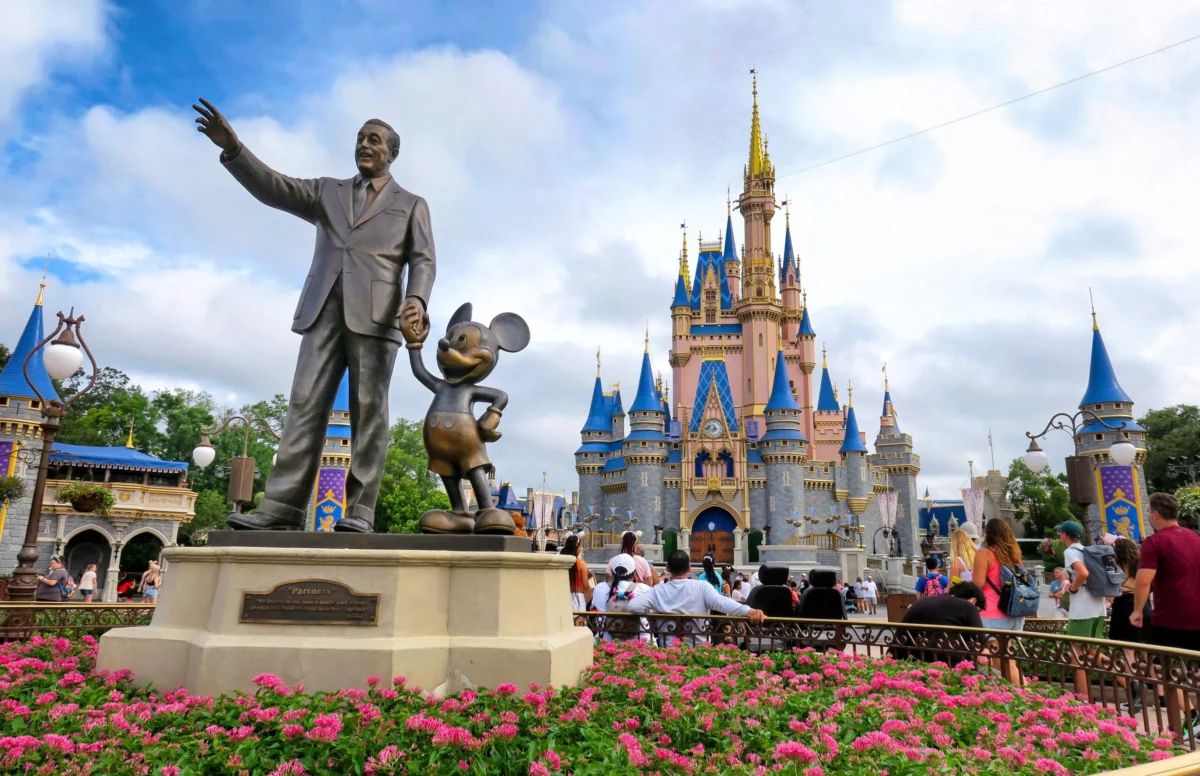
The Walt Disney Company is preparing to implement a new, significant round of job reductions, with several thousand employees expected to be impacted across various divisions. This development, confirmed by individuals familiar with the matter who requested anonymity due to the sensitive nature of the discussions, underscores an aggressive push by the entertainment conglomerate to streamline operations and enhance financial efficiency. The directive issued to some managerial staff to reduce costs by as much as 20% indicates a comprehensive re-evaluation of expenditures and resource allocation within the sprawling enterprise. This latest wave of layoffs marks a critical juncture in CEO Josh D’Amaro’s tenure, who assumed leadership earlier this year and has since initiated a series of strategic cost-cutting measures designed to fortify Disney’s financial position in a rapidly evolving global entertainment landscape.
A Chronology of Restructuring Efforts Under D’Amaro’s Leadership
The forthcoming job cuts are not an isolated event but rather the latest in a series of organizational adjustments that have characterized D’Amaro’s leadership. Since taking the helm in early 2026, the company has demonstrated a clear intent to optimize its workforce and operational expenses.
- April 2026: Disney initiated an initial round of layoffs affecting approximately 1,000 employees. These reductions were predominantly concentrated within the marketing department, reflecting a strategic pivot towards more targeted and data-driven promotional activities, and a potential consolidation of marketing functions across its diverse portfolio. This move was seen by industry observers as an early indicator of D’Amaro’s commitment to lean operations.
- September 2026: A subsequent reduction saw around 300 employees depart, with significant impacts felt within the human resources and technology divisions. These cuts suggested a deeper integration of technological solutions to automate certain HR functions and a consolidation of IT infrastructure, aligning with broader industry trends towards digital transformation and operational efficiencies.
- August 2026 Financial Warnings: The company’s proactive stance on cost reduction was foreshadowed in its fiscal third-quarter earnings report released on August 5, 2026. In a letter to shareholders, CEO Josh D’Amaro and CFO Hugh Johnston explicitly warned of the possibility of further workforce reductions. They stated, "We remain highly focused on reducing costs across the enterprise to create incremental capacity to invest for growth and are evaluating a variety of levers. We are mid-stream in this work and will provide future updates on our progress." This candid communication set expectations for continued austerity measures.
- Early Retirement Program: Complementing the involuntary reductions, Disney also introduced an early retirement program in August 2026 for eligible employees. This voluntary option aimed to facilitate a smoother transition for long-serving staff while contributing to the overall headcount reduction goals.
- Chief People Officer’s Communication: Reinforcing the company’s commitment to reshaping its organization, Chief People Officer Sonia Coleman addressed employees in an August 24, 2026 letter. She clarified, "This is one of several actions we’re taking to reshape our organization, including involuntary staff reductions that have already begun in some areas and will continue into next year." This statement underscored the multi-faceted approach to workforce management, encompassing both voluntary and involuntary separations.
- November 2026 (Current Round): The latest announcement of several thousand additional job cuts, first reported by Bloomberg and subsequently confirmed by CNBC, solidifies the perception that Disney is undergoing a profound organizational restructuring. The mandate for managers to identify up to 20% in cost savings within their departments suggests a top-down, granular approach to expense reduction that extends beyond simple headcount management.
Background Context: Navigating a Shifting Entertainment Landscape
These extensive cost-cutting measures are unfolding against a backdrop of significant shifts within the global entertainment industry and broader macroeconomic pressures. Disney, a company synonymous with innovation and expansive growth for nearly a century, is adapting to new realities that demand greater financial discipline and strategic focus.
For decades, Disney’s business model thrived on a synergistic ecosystem comprising theme parks, cinematic releases, consumer products, and linear television networks. However, the rise of streaming services, evolving consumer habits, and a challenging economic environment have necessitated a re-evaluation of this traditional structure.
- The Streaming Wars: Disney+ launched with ambitious subscriber targets, quickly becoming a major player in the streaming landscape. However, the path to profitability for streaming services has proven more arduous than anticipated, with massive content investments and intense competition from rivals like Netflix, Amazon Prime Video, and Max leading to significant losses in the early years. While Disney+ has shown signs of subscriber growth, achieving sustained profitability remains a key strategic imperative, often requiring a leaner operational model.
- Post-Pandemic Recovery and Theme Parks: Disney’s Parks, Experiences and Products division, a historical cornerstone of its profitability, experienced unprecedented disruptions during the global pandemic. While attendance and revenue have largely rebounded, the company is acutely aware of the need to optimize operational costs and enhance guest experiences efficiently. Investments in technology and infrastructure within the parks aim to improve efficiency and yield, but also require careful management of operational staffing.
- Traditional Media Challenges: Linear television networks, once highly lucrative, continue to face headwinds from cord-cutting and declining advertising revenues. Disney’s ownership of major networks like ABC and its substantial stake in ESPN requires strategic adjustments to ensure their continued viability and profitability in a digital-first era.
- Macroeconomic Environment: The global economic outlook, characterized by inflationary pressures, rising interest rates, and consumer spending caution, adds another layer of complexity. Companies across all sectors are under pressure to demonstrate fiscal prudence and protect profit margins. For a consumer-facing giant like Disney, this translates into careful management of both operational costs and capital expenditures.
The Scale of Disney’s Workforce
As of the close of its fiscal year 2025, which ended in September of that year, The Walt Disney Company employed approximately 231,000 individuals globally, according to its annual financial report. This makes Disney one of the largest employers in the entertainment sector. A reduction of "several thousand" jobs, while significant, would represent a single-digit percentage of its total workforce. However, the cumulative impact of these successive layoff rounds in 2026 suggests a more profound restructuring aimed at fundamentally altering the company’s operational footprint and cost structure.
Implications Across Disney’s Business Segments
The wide-ranging nature of the cost-cutting mandate suggests that virtually all of Disney’s major segments—Disney Entertainment (encompassing its studios, streaming, and linear networks), Parks, Experiences and Products, and ESPN—will likely experience some degree of impact.
- Disney Entertainment: This segment, which includes the iconic Walt Disney Studios, Disney Television Studios, Disney+, Hulu, and ABC, is a likely target for significant efficiency gains. Streamlining content production pipelines, optimizing marketing spend, and consolidating technology infrastructure are key areas where the 20% cost reduction mandate could be applied. Analysts suggest that the intense competition in streaming necessitates a more judicious approach to content investment, balancing quantity with quality and commercial appeal. This could lead to fewer greenlit projects or a more concentrated focus on proven franchises.
- Parks, Experiences and Products: While the parks have seen a robust recovery, operational efficiencies remain a constant focus. This could involve optimizing staffing levels in non-guest-facing roles, leveraging technology for back-of-house operations, and re-evaluating supplier contracts. The push for cost savings aims to maximize the profitability of its highly successful theme parks and resorts, ensuring sustained investment in future attractions and guest experiences without inflating operational overheads.
- ESPN: As a major player in sports broadcasting, ESPN is navigating the dual challenges of rising sports rights costs and the shift of audiences from traditional cable to streaming. Cost reductions within ESPN could involve streamlining production, optimizing talent contracts, and exploring new digital-first strategies that require a different organizational structure.
Broader Industry Trends and Competitor Actions
Disney’s aggressive cost-cutting strategy is not an anomaly in the entertainment industry; rather, it reflects a broader trend of consolidation and efficiency drives across the sector.
- Netflix: The streaming pioneer, Netflix, announced in October 2026 that it would lay off approximately 6% of its workforce. This move by a company that once prided itself on rapid expansion underscores the increasing pressure on streaming services to demonstrate profitability rather than just subscriber growth. Netflix’s decision signals a maturation of the streaming market, where disciplined spending and content optimization are paramount.
- Skydance (Paramount and Warner Bros. Discovery): The newly combined entity of Paramount and Warner Bros. Discovery (under the Skydance banner, as per the article’s implied future merger) is also expected to undertake significant staff reductions. The stated goal of realizing $6 billion in synergies over three years highlights the immense pressure to integrate operations and eliminate redundancies following large-scale mergers. Such post-merger consolidations almost invariably involve workforce rationalization to achieve promised efficiencies.
These parallel developments across major entertainment players indicate a collective industry pivot towards sustainable growth models, where financial discipline and operational agility are prioritized.
Analyst Perspectives and Investor Confidence
Financial analysts have largely viewed Disney’s cost-cutting initiatives as a necessary and prudent step. While layoffs can impact employee morale in the short term, investors often reward companies that demonstrate a clear path to improved profitability and efficient capital allocation. The market typically reacts positively to news of significant cost reductions, especially when they are part of a broader strategic overhaul.
The explicit goal of managers to cut costs by 20% signals a deep dive into operational expenditures, moving beyond surface-level reductions. This level of detail suggests a comprehensive strategy to optimize resource utilization across all levels of the organization. The upcoming fiscal fourth-quarter earnings report, scheduled for November 17, 2026, will be closely watched by investors for further details on the impact of these measures and the company’s financial outlook. Analysts will be keen to assess whether these cuts are translating into improved margins, reduced operating losses in streaming, and enhanced shareholder value.
The Human Element and Future Outlook
While the focus on financial metrics and strategic restructuring is paramount for a publicly traded company, the human impact of these decisions is significant. Layoffs inevitably lead to uncertainty and anxiety among employees, even those not directly affected. Companies undertaking such measures often face the challenge of maintaining morale and ensuring that the remaining workforce remains engaged and productive. Disney’s Chief People Officer’s communication regarding "reshaping our organization" aims to frame these changes within a broader strategic vision, emphasizing investment for future growth.
The current round of job cuts and the broader cost-cutting directive under Josh D’Amaro suggest that Disney is entering a new phase of its corporate evolution. This phase is characterized by a strong emphasis on financial discipline, operational efficiency, and a strategic recalibration to meet the demands of a dynamic and competitive global entertainment market. The decisions made in 2026 are likely to shape Disney’s trajectory for years to come, as it seeks to balance its storied legacy of innovation and storytelling with the imperative of sustainable financial performance. The forthcoming earnings report will provide the first tangible insights into the early successes and ongoing challenges of this ambitious corporate transformation.
