

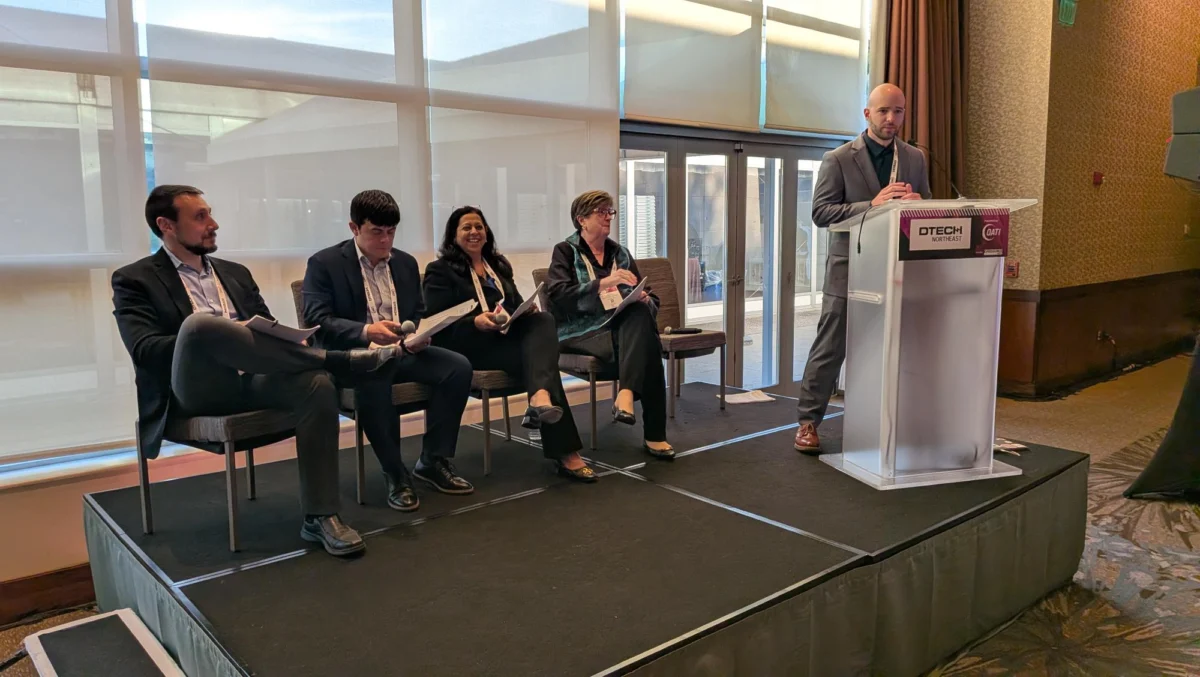
The energy sector in the Northeastern United States is currently navigating a period of unprecedented transformation, driven by the dual pressures of climate change and the rapid electrification of the economy. DTECH Northeast 2026, which commenced this week in Boston, Massachusetts, serves as a critical nexus for utility executives, technology innovators, and policymakers to address these multifaceted challenges. Running through November 4, the event focuses on the immediate need for grid modernization, the integration of distributed energy resources (DERs), and the implementation of advanced digital tools to ensure a reliable and resilient power supply for one of the most densely populated regions in the country.
The Northeast presents a unique set of obstacles for utility operators. From the aging infrastructure of legacy cities like Boston and New York to the increasing frequency of high-impact weather events—ranging from severe winter Nor’easters to emerging wildfire threats—the regional grid is under constant duress. DTECH Northeast 2026 aims to provide a collaborative environment where stakeholders can share strategies for navigating these complexities while meeting ambitious state-level decarbonization goals.
Strategic Foundations: Workshops on Resilience and Scalability
The event opened with a rigorous series of workshops designed to provide practical, hands-on frameworks for utility management. A primary focus of the first day was the workshop titled "Better Connected, Better Decisions: Defending Resilience Investments." This session addressed a growing concern for Northeast utilities: the justification of large-scale capital expenditures to regulators and the public. As community scrutiny rises alongside utility rates, operators must provide data-driven evidence that investments in hardening the grid against severe storms and rapid load growth will yield tangible benefits in reliability and cost-effectiveness.
Data from the National Oceanic and Atmospheric Administration (NOAA) indicates that the Northeast has seen a significant increase in "billion-dollar disasters" over the last decade. This environmental reality necessitates a shift from reactive repairs to proactive resilience. Workshop participants explored how advanced modeling and real-time data analytics can be used to "defend" these investments, ensuring that the transition to a more robust grid is both transparent and strategically sound.
Simultaneously, the "Strategic Alignment & Scalable Energy Solutions" workshop brought together grid operators and industry partners to bridge the gap between high-level policy goals and ground-level execution. The conversation centered on the "bottlenecks" that often stall energy projects, including regulatory hurdles and operational silos. By establishing clear pathways for implementation, the workshop sought to move the industry beyond pilot programs toward the wide-scale deployment of power solutions that can handle the projected surge in demand from electric vehicles (EVs) and heat pumps.
Optimizing the Modern Grid through DERMS
As the proliferation of rooftop solar, residential battery storage, and EV charging stations continues to accelerate, the role of Distributed Energy Resource Management Systems (DERMS) has become paramount. The final workshop of the opening day, "Getting More Out of The Grid: Leveraging Enterprise DERMS," delved into the technical requirements for managing a decentralized energy landscape.
In the Northeast, where land for large-scale utility solar is often limited, distributed resources represent a vital component of the energy mix. However, without proper visibility and coordination, these assets can create instability on the distribution grid. The workshop explored how enterprise-level DERMS can turn these "variable" resources into dependable grid assets. By providing utilities with the tools to monitor, coordinate, and optimize DERs, these systems enable grid operators to manage emerging constraints in real-time, effectively using flexibility as a tool to balance supply and demand without relying solely on traditional peater plants.
Executive Perspectives and the Transmission Regulatory Gap
The formal agenda for the second day of the conference featured a high-level panel titled "What Keeps Northeast Utility Executives Up at 3AM?" This session offered a rare look into the strategic priorities of the region’s top energy leaders. The consensus among participants was that the primary challenge lies in balancing the "now" with the "next." Executives must maintain operational excellence and safety today while simultaneously engineering a future-proof transformation of their entire business model. Key concerns cited included cybersecurity threats to digitized infrastructure, the difficulty of recruiting a skilled workforce for the green economy, and the sheer pace of technological change.
A significant portion of the day was also dedicated to the "transmission regulatory gap." The session "Who Reviews the Rebuild? Closing the Transmission Regulatory Gap via Regional Reviewers" addressed a critical flaw in current energy policy. As utilities spend billions on rebuilding aging transmission lines, there is often a lack of regional oversight to ensure these projects provide the best value for consumers.
The panel examined the role of ISO New England’s new Asset Condition Reviewer, a mechanism designed to protect consumers by providing an independent check on transmission spending. By redirecting investment toward more cost-effective regional transmission projects rather than localized "rebuilds" that may not benefit the broader system, policymakers hope to reshape transmission owner incentives. This move is seen as essential for integrating large-scale offshore wind projects, which are a cornerstone of the Northeast’s long-term energy strategy but require significant regional transmission upgrades to reach load centers.
Addressing New Threats: Wildfire Risk in the Northeast
Perhaps one of the most surprising topics on the DTECH Northeast agenda was the focus on wildfire risk. Traditionally viewed as a West Coast phenomenon, wildfires are becoming an increasing concern in the Northeast due to changing precipitation patterns and prolonged periods of drought. On Wednesday, the session "Approaches to Wildfire Risk in the Northeast: Situational Awareness and Emergency Management" featured a landmark case study from Avangrid.
The utility, which serves millions of customers across New York and New England, has begun adapting wildfire risk analyses originally developed for western utilities. The session highlighted a pilot program using situational awareness tools from Firescape, which allows operators to monitor environmental conditions and adjust protection settings on the grid to prevent equipment from sparking fires during high-risk periods. This proactive approach marks a significant shift in operational protocols for Northeast utilities, reflecting the need to adapt to a climate that is increasingly unpredictable.
The Next Frontier: Scaling Artificial Intelligence
The final day of the conference turns its attention to the transformative potential of Artificial Intelligence (AI). In the session "Crossing Chasm: Why Scaling AI is the Next Great Utility Frontier," representatives from National Grid, Southern Company, LIPA, and other major stakeholders discussed the transition from AI experimentation to enterprise-wide application.
The discussion is structured around four pillars:
- Infrastructure: How National Grid is preparing its physical and digital assets to support AI-driven operations.
- Data Foundation: The strategies used by Southern Company to ensure data quality and accessibility, which are the "fuel" for AI models.
- Operational Trust: How LIPA is building confidence among grid operators and field crews to rely on AI-generated insights.
- Customer Focus: Using AI to enhance the customer experience, from predictive billing to personalized energy efficiency recommendations.
According to industry analysts, AI has the potential to save the utility sector billions of dollars by optimizing maintenance schedules, predicting equipment failures before they occur, and improving the accuracy of load forecasting. However, the "chasm" remains the difficulty of scaling these tools across vast, complex organizations that have traditionally been risk-averse.
Broader Implications and Regional Outlook
The discussions at DTECH Northeast 2026 underscore a pivotal moment for the region. The Northeast is often seen as a bellwether for the rest of the country regarding energy policy and technological adoption. The decisions made by the leaders in Boston this week will have long-term implications for energy affordability, grid reliability, and the success of the energy transition.
One of the most significant takeaways is the shift toward "enterprise-wide" thinking. Whether it is DERMS, AI, or wildfire mitigation, the era of isolated pilot projects is ending. Utilities are now focused on integrated strategies that connect data from the customer’s smart thermostat all the way to the regional transmission operator.
The economic stakes are equally high. As the Northeast continues to retire fossil fuel generation in favor of renewables, the efficiency of the grid becomes the deciding factor in maintaining stable electricity prices. The focus on "regional reviewers" for transmission and "scalable execution" for new technologies suggests an industry-wide recognition that the old way of doing business—focused on individual utility territories and reactive maintenance—is no longer viable.
As DTECH Northeast 2026 concludes, the roadmap for the region’s energy future is becoming clearer. It is a future defined by heightened situational awareness, the aggressive adoption of digital intelligence, and a regulatory framework that prioritizes regional benefit over local status quo. For the utilities of the Northeast, the challenge is no longer just about keeping the lights on; it is about reinventing the very system that makes it possible.
