

HydroWing, the tidal energy division of the Inyanga Marine Energy Group, has officially entered into a strategic contract with Ecodetect to implement advanced artificial intelligence-driven environmental monitoring systems for its upcoming 30-megawatt (MW) tidal stream energy project located at the Morlais site in Anglesey, Wales. This partnership represents a significant leap forward in the integration of high-technology surveillance within the renewable energy sector, specifically aimed at addressing the complex ecological challenges associated with subsea power generation. By utilizing real-time data processing and automated species identification, the collaboration seeks to set a new global standard for the sustainable development of marine energy resources.
The Morlais project, which is currently the largest consented tidal stream energy scheme in Europe, serves as the backdrop for this technological integration. Managed by the social enterprise Menter Môn, the site is designed to facilitate the commercialization of tidal energy by providing the necessary infrastructure for developers to deploy large-scale arrays. The inclusion of Ecodetect’s AI solutions within HydroWing’s operations is expected to provide a blueprint for how the industry can satisfy rigorous environmental compliance standards while maintaining high operational efficiency.
Technical Innovation in Tidal Stream Generation
The core of the Morlais deployment is the patented HydroWing technology, a system designed by Inyanga Marine Energy Group to overcome the historical high costs and logistical complexities of tidal energy. Unlike traditional tidal turbines that may require permanent, complex subsea foundations or expensive heavy-lift vessels for maintenance, the HydroWing utilizes a modular approach. The system consists of a primary supporting structure that sits on the seabed, held in place by its own weight (gravity-base). The "wings," which house the turbines, are then lowered onto this structure.
This design allows for easier retrieval and maintenance of the turbines, as the wings can be lifted to the surface without disturbing the main foundation. The turbines themselves are bi-directional, a critical feature for maximizing energy yield, as they generate electricity during both the ebb and flow of the tide. By optimizing the "uptime" of the generators, HydroWing aims to drive down the Levelized Cost of Energy (LCOE) for tidal power, making it more competitive with offshore wind and solar.
The partnership with Ecodetect adds a sophisticated digital layer to this mechanical innovation. Ecodetect specializes in the design and operation of end-to-end marine wildlife monitoring systems. Their sensor arrays, which are mounted both on the surface and the seabed, combine high-definition underwater cameras with advanced sonar technology. These sensors are integrated directly into the HydroWing infrastructure, allowing for a seamless flow of data from the point of generation to the monitoring center.
AI-Driven Environmental Mitigation and Real-Time Data
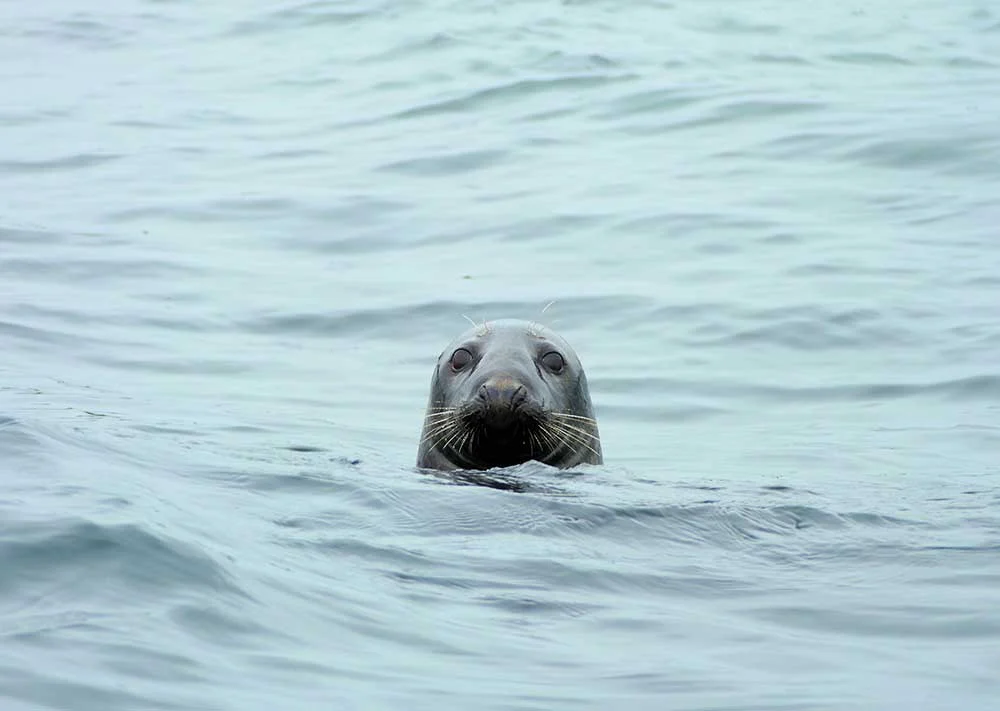
One of the primary hurdles for the tidal energy sector has been the "collision risk" associated with marine megafauna, such as seals, dolphins, and diving seabirds. Regulatory bodies often require extensive evidence that rotating turbine blades do not pose a lethal threat to local biodiversity. Ecodetect’s AI-driven monitoring is specifically engineered to address these concerns.
The AI algorithms process visual and acoustic data in real-time as it is collected. The system is trained to automatically distinguish between marine wildlife and non-biological objects such as seaweed, floating debris, or algae. This automated filtration is essential for managing the vast quantities of data generated by 24/7 underwater surveillance. When a protected species is detected in proximity to the turbines, the system’s marine communications network can relay this information instantly to operators.
This real-time capability allows for the triggering of environmental mitigation protocols, which may include the temporary slowing or braking of turbines to prevent collisions. Furthermore, the data accumulated by the Ecodetect system provides a robust evidence base for demonstrating compliance with UK, European Union, and international environmental standards. This transparency is crucial for securing long-term operational licenses and maintaining the "social license to operate" in ecologically sensitive regions like the Menai Strait and the coastal waters of North Wales.
Chronology and Project Development Timeline
The development of the HydroWing project at Morlais follows a multi-year trajectory aimed at scaling up from prototype to a full commercial array.
- 2023–2024: Completion of initial design phases and securing of power purchase agreements and government support through the UK’s Contracts for Difference (CfD) scheme. The contract signing with Ecodetect in late 2024 marks the beginning of the environmental integration phase.
- 2025–2026: Pre-deployment testing and environmental baseline data collection. During this period, Ecodetect’s sensors will likely be used to establish a "status quo" of marine activity at the specific berths assigned to HydroWing within the Morlais zone.
- 2027: Deployment of the first HydroWing tidal energy device. This initial unit will serve as a full-scale demonstrator, testing both the power generation capabilities and the efficacy of the AI monitoring system in live conditions.
- 2028–2029: Incremental scaling of the array. Following successful testing of the first unit, additional devices will be installed in phases.
- 2030: Projected completion of the full 30MW project. At this stage, 18 individual tidal energy devices will be operational. Each device is rated at 1.67 MW, contributing significantly to the local grid and the UK’s renewable energy targets.
Strategic Importance of the Morlais Site
The Morlais site is a unique asset in the global renewable energy landscape. Located off the coast of Holy Island, Anglesey, the area is characterized by some of the strongest tidal currents in the UK. The project is managed by Menter Môn Morlais, a subsidiary of a local social enterprise, which ensures that the economic benefits of the project remain within the community.
The Morlais model is designed to "de-risk" tidal energy for developers. By securing the necessary consents and providing the grid connection infrastructure, Menter Môn allows companies like HydroWing to focus on technology deployment rather than the administrative hurdles of seabed leasing and environmental permitting. The site has a total potential capacity of 240MW, with HydroWing’s 30MW project representing a cornerstone of this larger vision.
Andy Billcliff, Chief Executive of Menter Môn Morlais, emphasized that the project is a milestone for offshore renewable energy in the UK. He noted that the partnership with Ecodetect—which is also based on Anglesey—exemplifies the "local sourcing" strategy that the project promotes. By utilizing local expertise and technology, the project generates new high-skilled jobs and adds social value to the North Wales economy, often referred to as the "Energy Island."
Economic Impact and Regional Growth
The integration of HydroWing and Ecodetect is expected to have a multiplier effect on the regional economy. The tidal energy sector requires a specialized supply chain, including marine engineering, specialized vessel operations, and data science. The Morlais project is anticipated to create hundreds of jobs during the construction and installation phases, with long-term employment opportunities in operations and maintenance (O&M).
For Anglesey, the project solidifies its position as a hub for marine innovation. The presence of Ecodetect on the island suggests the emergence of a "blue tech" cluster, where environmental monitoring and AI development support the broader renewable energy industry. This local synergy reduces the carbon footprint associated with project logistics and ensures that the technical expertise developed during the Morlais project remains available for future international exports.
Analysis: The Future of Tidal Energy and Environmental Integration
The contract between HydroWing and Ecodetect reflects a maturing tidal energy industry. For years, the sector struggled with high costs and the "unknowns" of environmental impact. The shift toward AI-driven monitoring indicates that the industry is moving away from reactive environmental management toward a proactive, data-centric approach.
From an investment perspective, the use of AI to mitigate ecological risk reduces the "regulatory risk" for project financiers. If developers can prove, through verifiable real-time data, that their impact on marine life is negligible, they are more likely to secure favorable terms for project financing and insurance.
Furthermore, the 30MW scale of the HydroWing project is a critical threshold. While many tidal projects have remained at the 1MW to 5MW pilot stage, a 30MW array demonstrates the viability of tidal stream energy as a utility-scale contributor to the national grid. Tidal energy offers a distinct advantage over wind and solar: predictability. Because tides are governed by celestial mechanics, the energy output can be forecasted years in advance, providing a stable "baseload-like" quality to the renewable energy mix.
As the UK and other maritime nations strive toward Net Zero targets, the lessons learned at Morlais will be vital. The ability to harmonize industrial-scale power generation with the protection of delicate marine ecosystems is no longer an optional "extra" but a fundamental requirement for the transition to a green economy. The collaboration between HydroWing and Ecodetect suggests that the technology to achieve this balance is now coming of age, paving the way for tidal energy to take its place as a pillar of the global renewable energy portfolio.
